Photo: Aneta Pawska · CC BY-SA 4.0
Wrocław
Wrocław spans peaceful Odra riverbanks, brick Gothic halls, leafy island bridges, and historic Market Square townhouses across western Poland.
Quick decisions
How many days?
Three days give a steady pace for the historic centre, cathedral quarter, and main river bridges without rushing your meals.
Where should I stay?
Pick quiet side streets south of the central square or Nadodrze for quick tram links to Old Town and riverbank hotels.
Do I need a car?
You do not need a private car because municipal trams and river paths connect all central monuments smoothly across the city.
Best for
Travellers who enjoy walkable civic squares, Gothic church architecture, riverside promenades, and casual regional dining will feel right at home here.
Before you go
Check ticket machines on board public transport, which accept contactless bank cards but print no paper receipts onto your hand.
Getting around
Walk across the central islands and board frequent modern trams for journeys out towards the eastern parks and suburban rail hubs.
Continue your trip
Direct regional trains run steadily towards Silesian mountain towns, letting you extend your journey without taking domestic flights across the country.
Overview
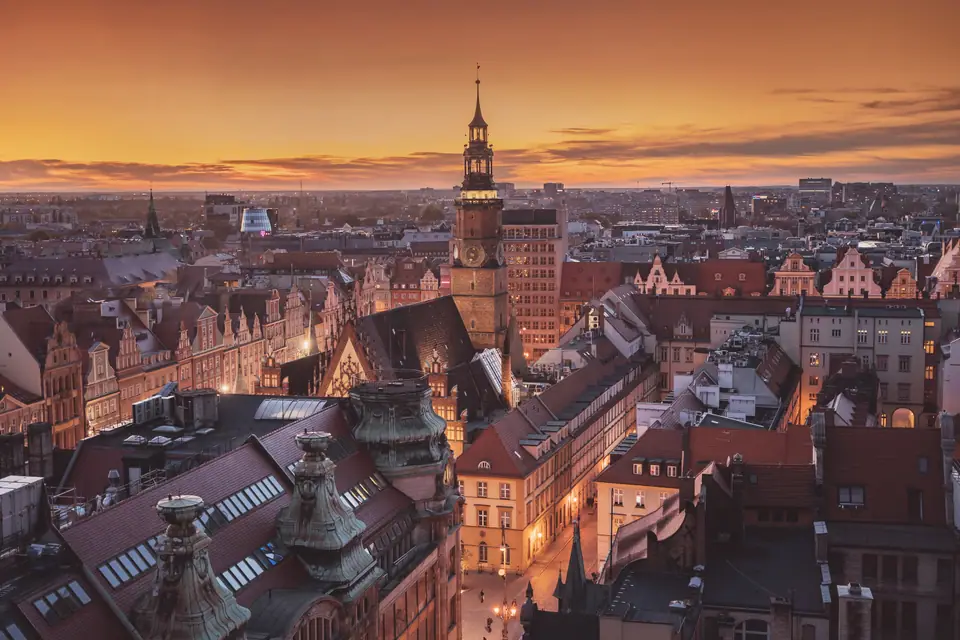
Wrocław stands over the waterways of the Odra River in western Poland, shaped by centuries of Bohemian, Prussian, Austrian, and Polish civic administration. Broad pedestrian squares open onto restored Gothic townhouses, arched alleys, and peaceful stone embankments that invite unhurried afternoon walks along the water.
Multiple green islands link the historic trade core to quiet residential districts through an extensive network of iron footbridges and tram corridors. The city balances lively university energy with calm church squares, giving independent walkers an easy daily rhythm on foot.
Summer afternoon temperatures peak around 26°C in July and 25°C in August, bringing sunny weather along the riverbanks and public open spaces. Winter conditions settle between -3°C and 5°C from December through February, meaning warm coats and sturdy walking boots are essential when exploring.
Rainfall averages around 91 mm during the wettest summer weeks of July, while early spring months stay substantially drier with roughly 26 mm of precipitation. Pack a lightweight waterproof layer whenever you travel between May and September to stay dry during sudden afternoon showers along the waterways.
Getting there
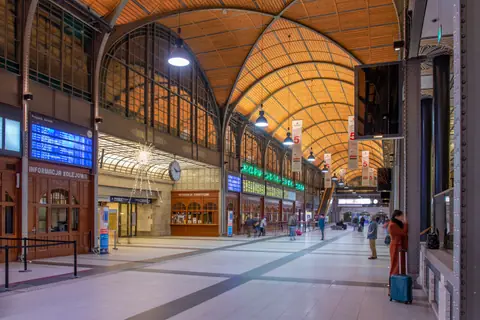
Mainline trains arrive at Wrocław Główny, an ornate historic rail station located a comfortable fifteen-minute walk south of the central square. Regular express services link the platform hall with major national junctions, while local buses connect the airport terminal directly to the railway forecourt.
Within the city, an extensive tram network moves across every major bridge and pedestrian perimeter with high daytime frequency. Onboard card readers record electronic fares directly to your payment card, explained alongside tram zones in Wrocław transport and district routes before setting off across town.
Arriving by rail places you within immediate reach of urban bus stops, taxi ranks, and clearly signposted pedestrian paths leading directly north into the Old Town. Navigating between platforms involves straightforward ramps and passenger lifts that ease travel with heavy luggage or wheeled pushchairs.
If you arrive through the regional airport west of town, direct express shuttle buses and municipal bus lines run straight towards the central railway station. Buying standard transit tickets requires a contactless payment card, which you tap directly against onboard ticket machines upon boarding.
Where to stay
Selecting the right quarter depends heavily on your tolerance for weekend street noise and your planned daily walking routes. Rooms facing the central square sit steps from outdoor cafes, yet nearby tram lines and evening crowds can keep light sleepers awake.
For quieter nights, choose modern guesthouses around the cathedral quarter or creative apartments across the river in Nadodrze. Compare tram access and street noise across Odra riverbank and Old Town quarters to find calm side streets near reliable stops.
Southern districts near the central railway station offer exceptional convenience for early train departures and swift tram access to the historic core. Staying in this transport corridor frequently costs less than reserving boutique properties directly along the Market Square.
Boutique hotels set along the Odra riverbanks give scenic water views and direct access to riverside footpaths leading straight to the central pedestrian zone. These waterfront addresses allow visitors to walk easily between historic island churches and lively evening dining rooms.
Things to do
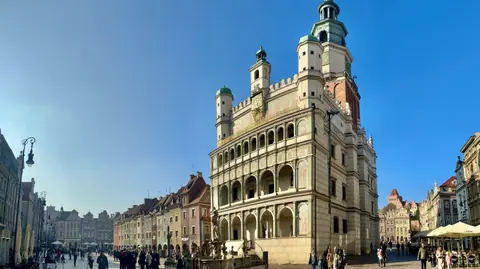
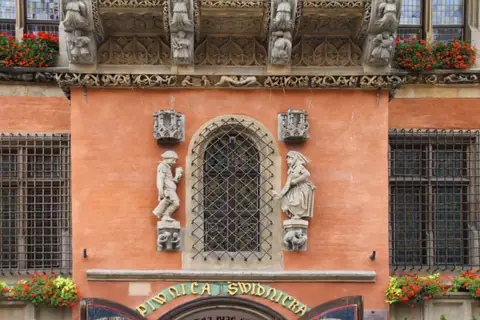
Begin your morning in the vast Market Square, admiring the carved stone gables of the Old Town Hall and surrounding merchant houses. From there, follow cobblestone lanes north towards the university quarter, where riverside terraces face the leafy bridges of the upper river.
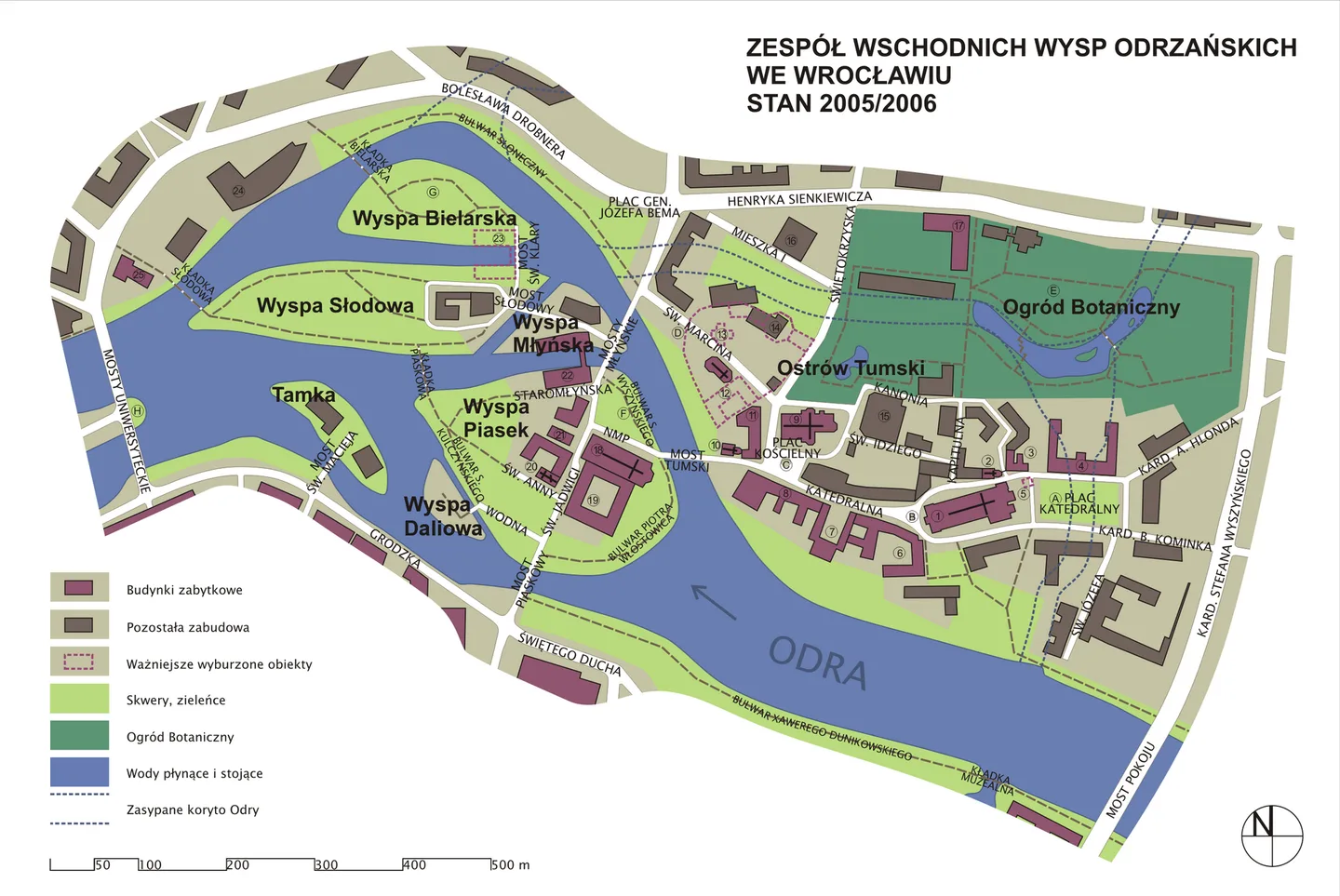
Cross the green iron spans to Ostrów Tumski, the historic cathedral island where gas street lamps still flicker at dusk. Pair architectural stops from Market Square monuments and island walks with traditional bakeries and milk bars across Silesian dining tables.
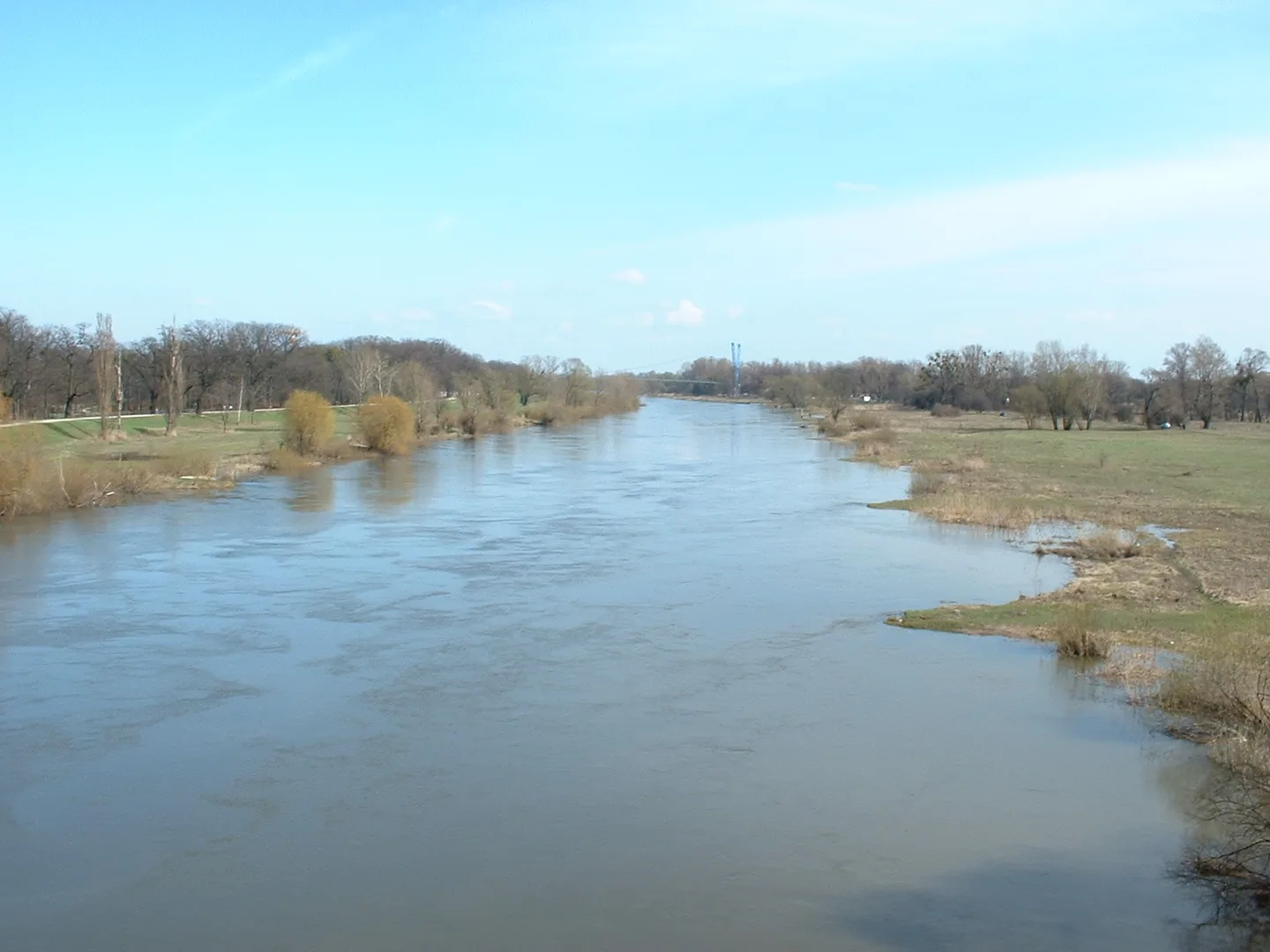
Walking along the Odra embankments reveals secluded riverside pathways where locals gather to read, jog, and watch excursion boats pass beneath leafy stone arches. Taking an afternoon walk across Słodowa Island introduces you to communal lawns popular with students during warm summer months.
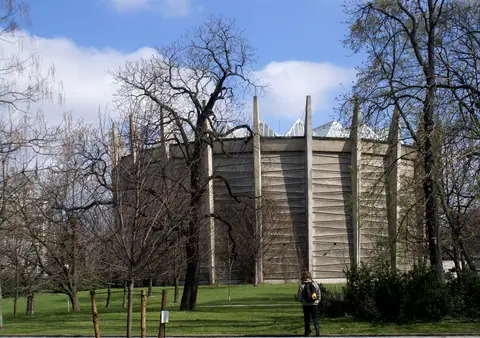
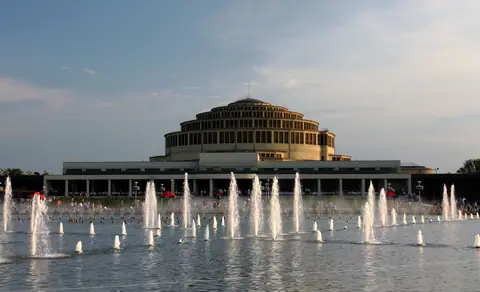
East of the historic centre lies the monumental Centennial Hall, a pioneering early twentieth-century concrete dome surrounded by formal gardens and public walking paths. Reaching this eastern district takes less than twenty minutes aboard frequent municipal tram services departing from the Old Town perimeter.
Food and drink
Lower Silesian dining brings together comforting potato dishes, sour rye soups, and slow-cooked meats served alongside fresh pickles and braised cabbage. Look for soft Silesian dumplings with their signature centre dimple, ideal for catching rich wild mushroom sauces and roasted meat gravies.
Historic market halls and traditional milk bars offer hearty lunches at shared wooden counters alongside university students and local workers. Evening dining moves towards cellar beer halls and riverside bistros, where regional craft lagers accompany warm sourdough bread and local cheeses.
Pierogi stands and casual dining rooms across the Old Town prepare dumplings filled with spiced curd cheese, seasoned potatoes, or braised sauerkraut. These generous portions make satisfying meals during cooler autumn and winter days when daytime temperatures drop below 10°C.
Local bakeries bake traditional poppy seed pastries, spiced gingerbread rolls, and plum cakes that pair cleanly with fresh black coffee during afternoon walking breaks. Exploring market stalls in Hala Targowa lets you sample regional smoked sheep cheeses and pickled vegetables directly from regional producers.
Culture
Small bronze dwarf figures peek out from street corners, window ledges, and lamp posts across every central neighbourhood. These statues originated as lighthearted symbols of peaceful civic protest during the nineteen eighties, growing into a cherished element of daily street life.
When visiting active cathedrals and parish chapels on the islands, dress respectfully and keep voices low during afternoon prayer services. Plan mornings around cathedral hours alongside Wrocław central walking loops and island paths.
Street musicians often gather near the central pillory on Market Square, filling open pedestrian spaces with classical violin melodies and acoustic folk songs. Watching these informal performances gives visitors a direct look at warm public life across Silesian civic squares.
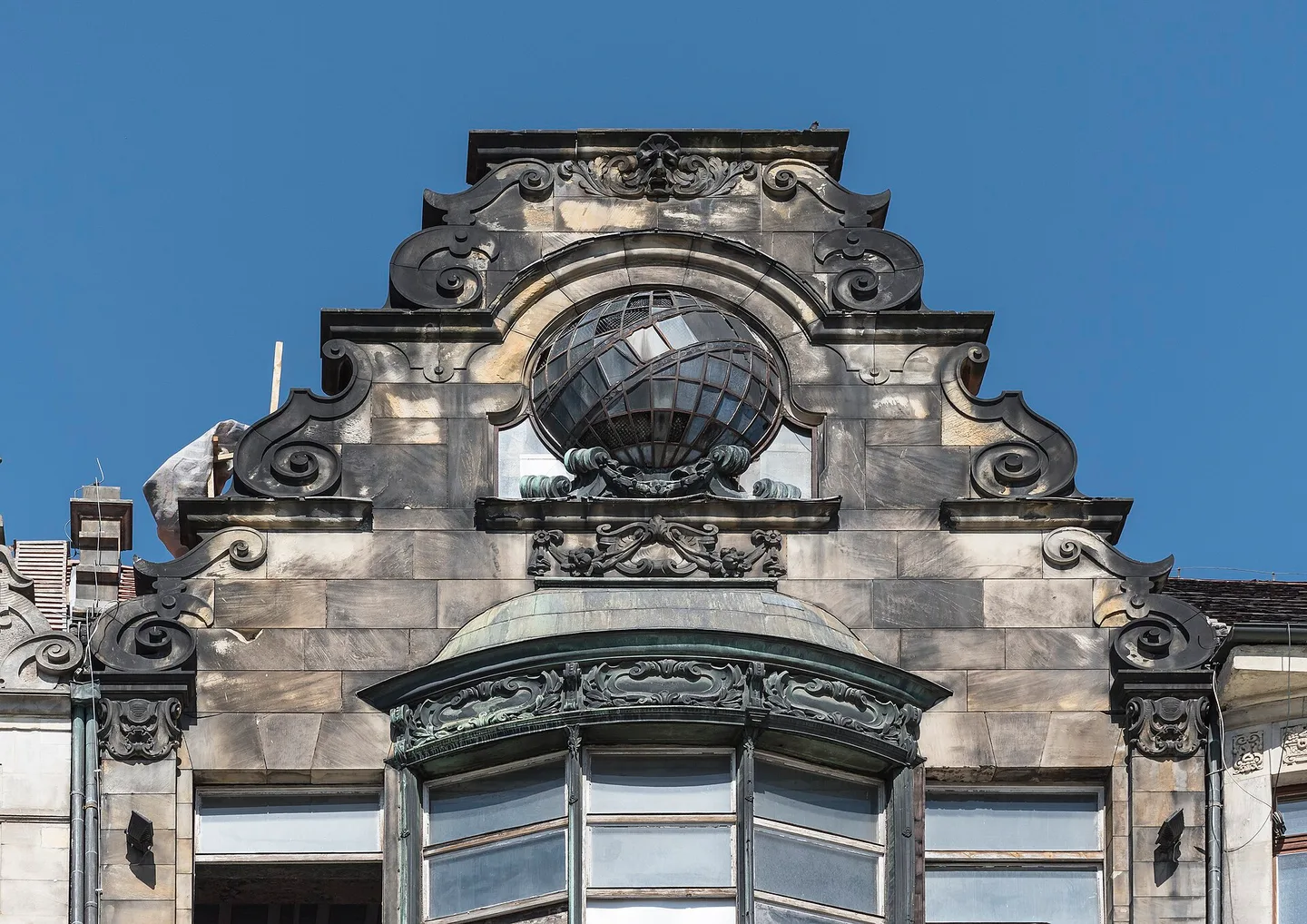
The preservation of historical architecture across the Old Town reflects decades of meticulous restoration following heavy damage during the mid-twentieth century. Wandering through restored church cloisters and courtyard arcades reveals the civic resilience that defines Wrocław and its community.
Official prices and opening hours
- Centennial Hall (Hala Stulecia) & Pergola FountainsOfficial site ↗
- Racławice Panorama (Panorama Racławicka)Official site ↗
Weather by month
Wrocław is warmest in July, with average highs around 26°C, and coldest in January, when nights drop to about -3°C. July is the wettest month by rainfall (91 mm), with rain on about 14 days. For mild weather with fewer rainy days, aim for August and September.
| Month | Low | Range | High | Rain | Rainy days |
|---|---|---|---|---|---|
| Jan | -3°C | 3°C | 28 mm | 16 d | |
| Feb | -3°C | 5°C | 26 mm | 13 d | |
| Mar | 0°C | 9°C | 35 mm | 14 d | |
| Apr | 4°C | 15°C | 31 mm | 11 d | |
| May | 8°C | 20°C | 60 mm | 13 d | |
| Jun | 12°C | 23°C | 65 mm | 13 d | |
| Jul | 14°C | 26°C | 91 mm | 14 d | |
| Aug | 13°C | 25°C | 60 mm | 12 d | |
| Sep | 9°C | 20°C | 48 mm | 11 d | |
| Oct | 5°C | 14°C | 38 mm | 12 d | |
| Nov | 1°C | 8°C | 31 mm | 13 d | |
| Dec | -2°C | 4°C | 28 mm | 15 d |
Averages of daily values from 2015 to 2024. Rainy days are days with at least 1 mm of rain. Source: Open-Meteo · Compare destinations by month.
Wrocław on the map
Every place we cover in Wrocław. Tap a category or pin to explore.
In-depth Wrocław guides
Browse the guides grouped by topic: sights, neighbourhoods, food, transport, day trips and trip planning.
Sights, Landmarks & Parks
Key monuments, viewpoints, museums and nature trails.
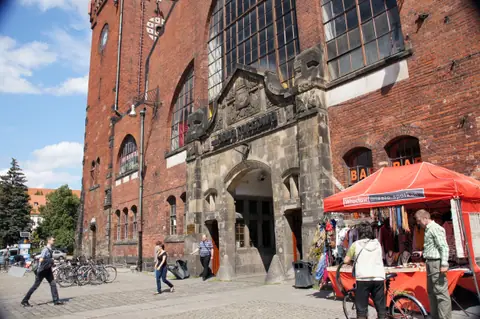 Riverside Bridges, Market Vaults and Old Town WalksDiscover medieval riverside paths, vaulted market halls, and cobblestone quarters across Wrocław with this practical self-guided walking route.
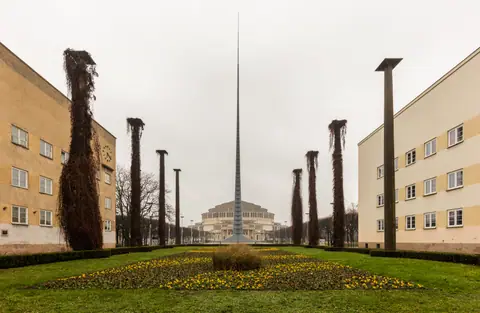 Max Berg's Concrete Ribs: Hala Stulecia and Great IslandMax Berg transformed early reinforced concrete engineering at Centennial Hall, creating an imposing modernist dome beside the serene green trails of Great Island.
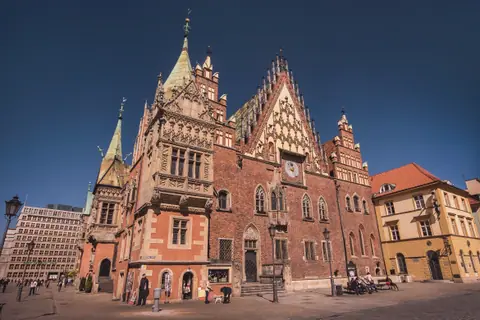 Wrocław Market Square, Plac Solny and the Old Town HallStanding at the heart of Lower Silesia, the vast central square gathers late Gothic masonry, ornate merchant gables, and open public plazas.
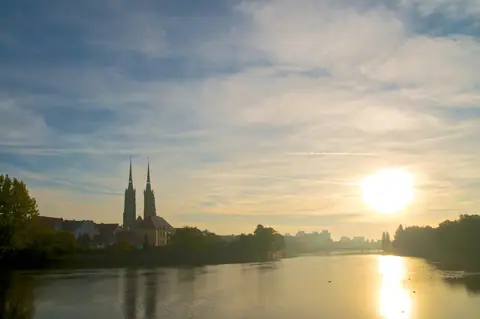 Cathedral Island at Dusk: Gas Lamps and Brick SpiresCathedral Island reveals quiet cobblestone lanes, glowing gas lamps, and twin Gothic spires beside the Oder in Wrocław.
 Lwów's 114-Metre Cyclorama and the Krasnale TrailWe explore the colossal canvas of the Racławice Panorama and trace bronze dwarf sculptures across Wrocław's historic centre.
Neighbourhoods & Where to Stay
Districts, historic quarters and the best bases for your stay.
Food & Drink
Local dishes, markets, cafés and dining districts.
Getting Around & Arrival
Airport transfers, public transit, passes and driving rules.
Trip Planning & Itineraries
When to visit, what to pack and day-by-day routes.
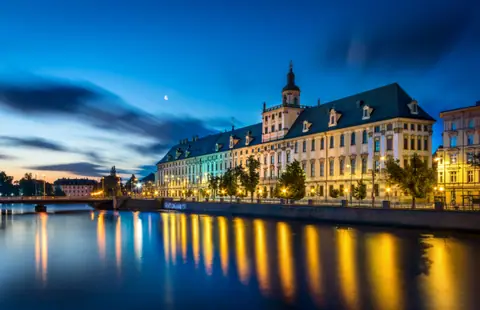 Bridges Over the Oder: Reading Wrocław's River IslandsCrossing the Oder across Wrocław reveals how historic bridges weave medieval cathedral precincts directly into green riverbanks and lively university promenades.
 Warmest Polish Summers, July Downpours and Odra FrostSeasonal swings bring warm riverbanks, heavy summer downpours, and quiet winter mornings along Wrocław waterways and historic districts.
Need your embassy or consulate in Poland? See embassies and consulates in Poland.
Reviews
Log in to write a review.
No reviews yet.