Photo: Diego Delso · CC BY-SA 3.0
Gdańsk
Gdańsk pairs restored Baltic merchant quays and monumental brick churches with pivotal twentieth-century maritime history alongside the Motława river.
Quick decisions
How many days?
Three days cover the reconstructed Main Town, major shipyard heritage institutions, and a morning seaside journey along the Baltic coast.
Where should I stay?
Choose the Main Town for immediate walking access to quays, or base near Gdańsk Główny station for rapid coastal train links.
Do I need a car?
Avoid hiring a private car because urban centres maintain pedestrian regulations, whilst frequent suburban trains connect regional coastal stops efficiently.
Best for
Baltic architecture admirers, modern European history students, and travellers who appreciate pedestrianised brick lanes beside working waterways.
Before you go
Reserve museum entries online well in advance, and pack windproof layers because Baltic gusts sweep across the waterfront throughout the year.
Getting around
Board the SKM commuter rail line for fast transit northwards, or use municipal trams across the wider metropolitan area.
Continue your trip
Ride regional trains westwards along the Pomeranian corridor to explore neighbouring coastal towns and expansive regional nature reserves.
Overview
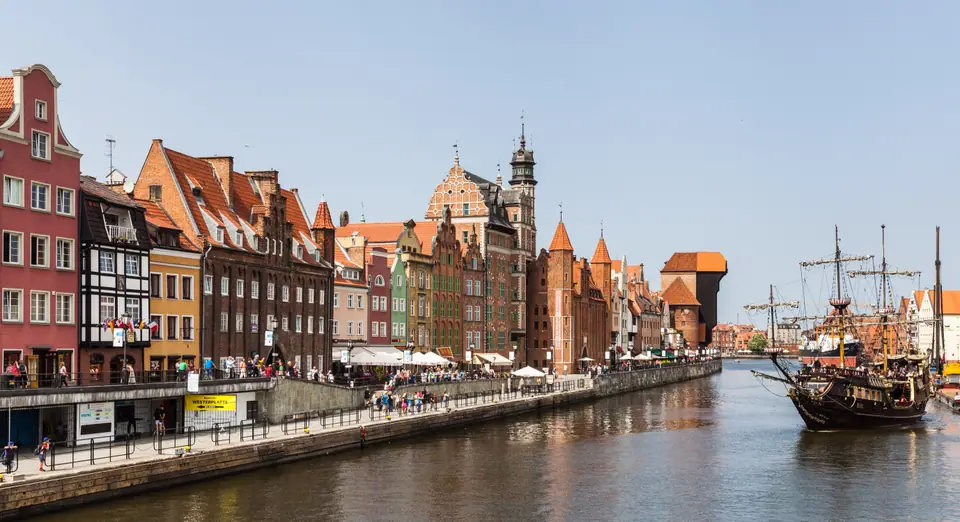
Gdańsk commands a proud maritime position along northern Poland, where the Motława river meets the Baltic delta. Centuries of Hanseatic commerce produced ornate gabled facades, grand city gates, and vast brick merchant warehouses that line the central canals today. The city stands apart from southern Polish centres through its distinct coastal character, shaped by Dutch Renaissance master masons and independent merchant councils.
Walking along the cobblestones reveals a city rebuilt with immense care following wartime destruction, retaining its evocative maritime atmosphere. Modern Gdańsk honours this commercial legacy while standing as the cradle of the Solidarity trade union movement that reshaped eastern European politics. The surrounding urban area forms an integrated coastal conurbation, allowing visitors to combine deep archival exploration with brisk sea air.
Summer brings comfortable coastal temperatures, reaching highs of 23°C in July and August, accompanied by 70 mm to 79 mm of monthly rainfall. Winter months turn chilly, with daily highs around 2°C to 3°C and night frosts averaging -3°C in January and February. Spring warms steadily from 7°C in March to 17°C in May, offering clear walking weather across open quays.
Getting there
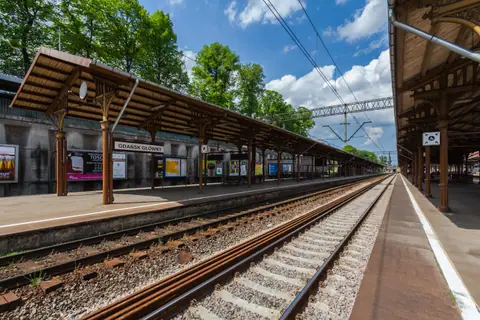
Gdańsk Lech Wałęsa Airport connects with major European capitals through regular international flights, operating frequent shuttle buses and urban train services directly to the city centre. Rail passengers arrive at Gdańsk Główny, the primary railway terminal featuring red-brick architecture and direct high-speed links to Warsaw. Careful travellers study transport and arrival options before organising regional rail itineraries.
Within the city, an extensive tram network runs across major avenues, complementing clean municipal bus routes. The suburban SKM railway functions as the backbone of metropolitan transit, departing every few minutes towards coastal suburbs and seaside beaches. Validate transit tickets immediately upon boarding trams or station platforms, as ticket inspectors conduct frequent spot checks across all carriages.
Where to stay
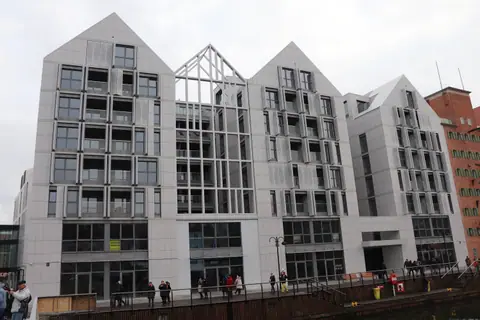
Selecting the right quarter depends heavily on your daily walking habits and planned day excursions along the coast. The Main Town offers immediate proximity to historic quays, morning bakery stalls, and grand stone gateways, though evening foot traffic remains lively. Travellers seeking peaceful evenings often choose the Granary Island development, which features contemporary apartments overlooking the river basin.
If your itinerary prioritises morning regional rail journeys towards northern beaches, consider the streets immediately west of Gdańsk Główny. This area allows quick station access without sacrificing pedestrian routes into historical quarters. Reviewing neighbourhoods and lodging districts helps clarify local building styles and transit connections before booking.
Things to do
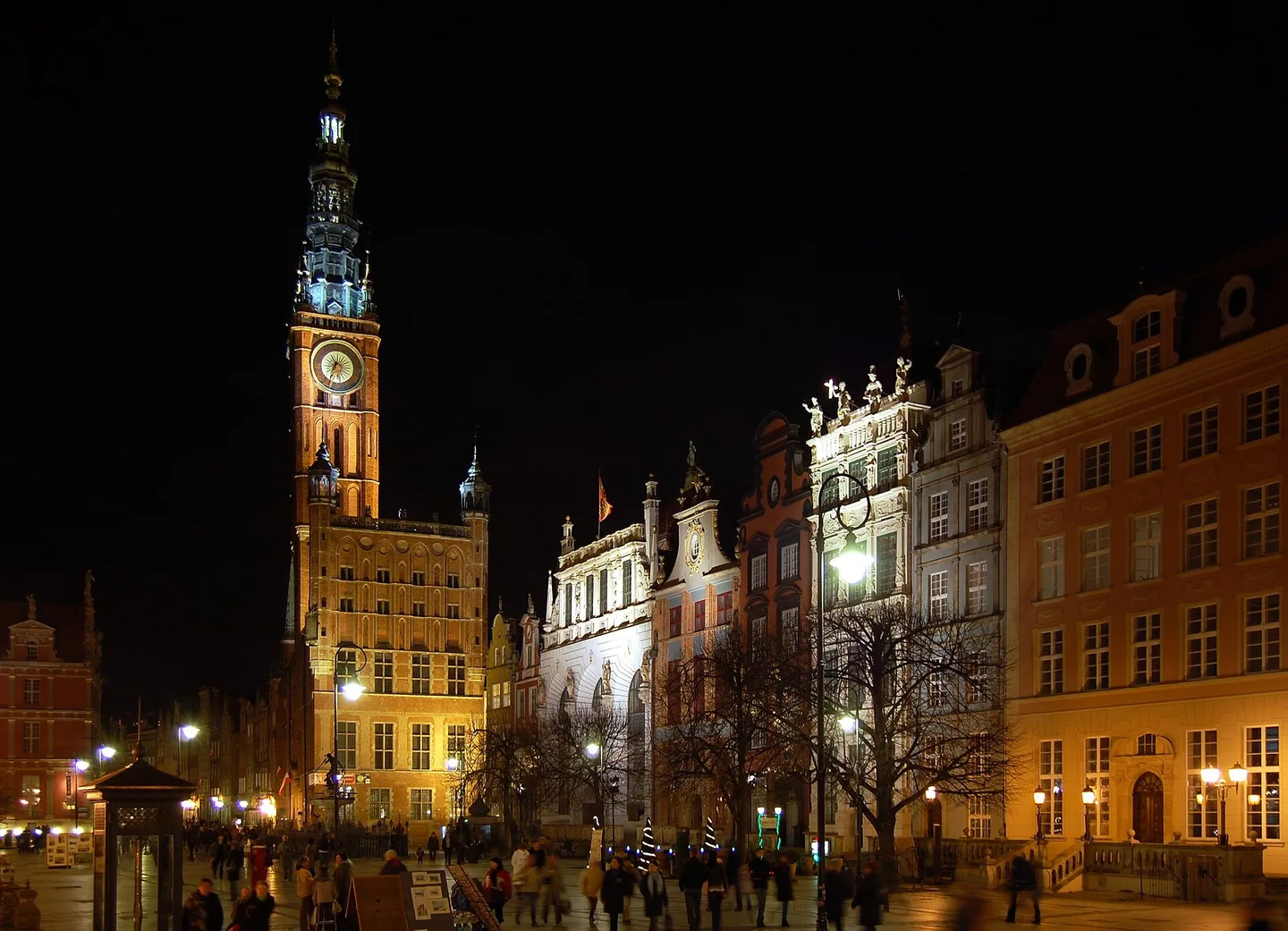
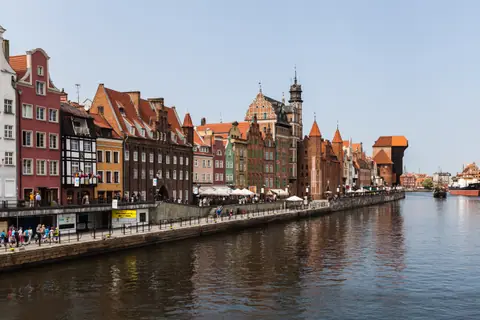
Begin your explorations along the Royal Route, following Długa street through monumental stone arches towards the riverfront. The massive medieval port Crane dominates the eastern bank, showcasing sophisticated fifteenth-century timber engineering that once loaded heavy cargo into merchant ships. Climbing the tower of St Mary Church rewards visitors with wide views across dark terracotta rooftops and distant shipyard cranes.
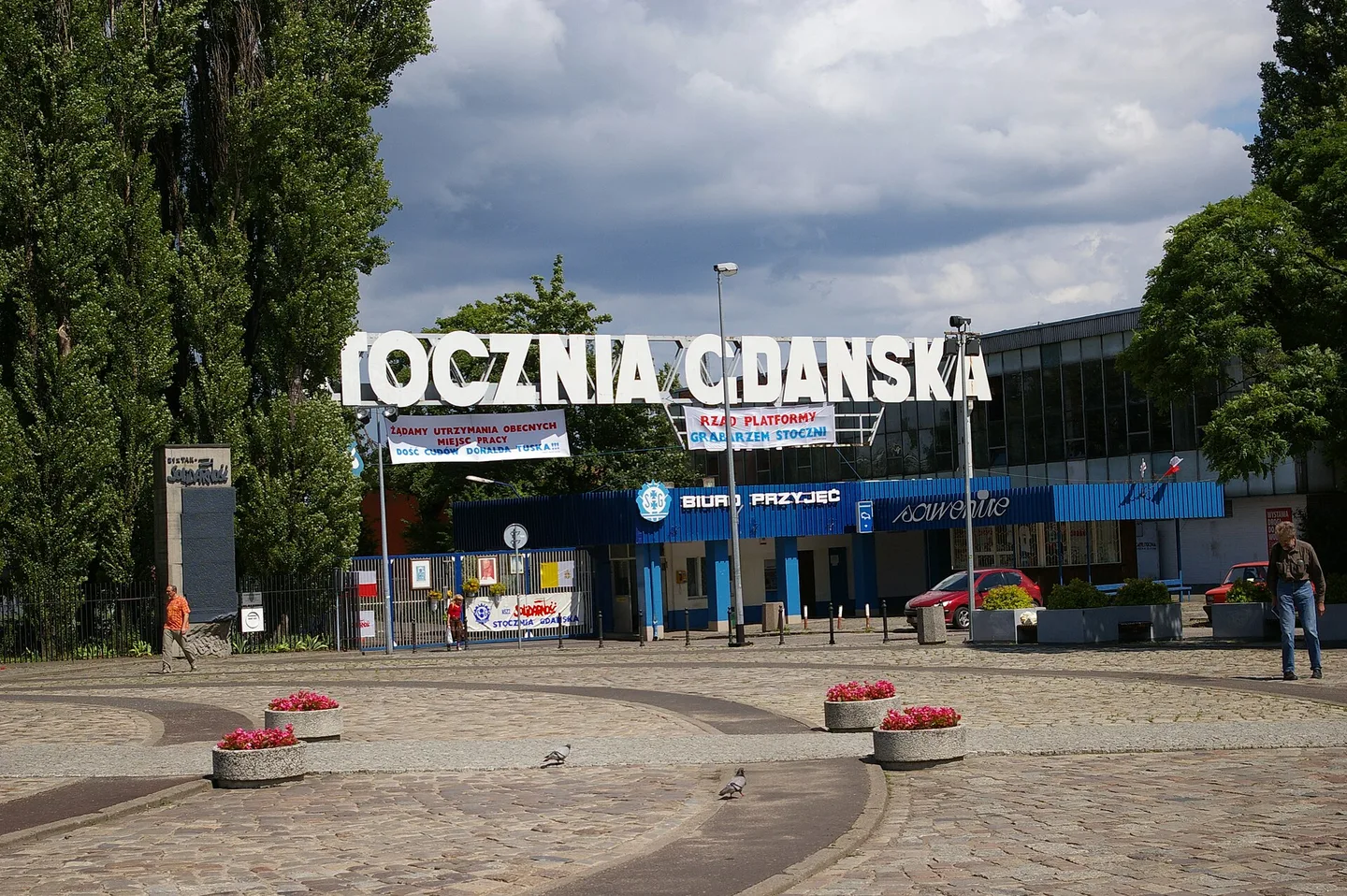
Cross the Motława via pedestrian footbridges to explore the European Solidarity Centre, housed in striking rust-coloured steel plates resembling an ocean freighter. Further north along the river mouth, the Museum of the Second World War presents deeply researched archival narratives inside an angular underground complex. To balance intense historical contemplation, browse artisan amber workshops tucked into picturesque Mariacka street, or follow curated walking circuits and sights around the docks.
Food and drink
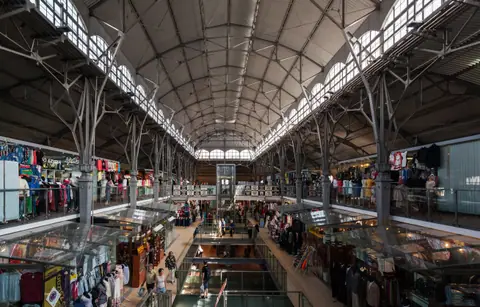
Coastal Pomeranian cuisine highlights smoked Baltic fish, hearty soups, and traditional baked treats rooted in centuries of northern trade. Look for pickled herring dressed in sour cream and chopped onions, followed by steaming bowls of sour rye soup served with eggs. Regional bakeries prepare spiced gingerbreads alongside flaky pastries filled with curd cheese or seasonal forest berries, reflecting Baltic baking customs.
Traditional milk bars continue to serve honest, affordable fare such as potato pierogi topped with browned butter and sweet curd dumplings. Modern waterfront bistros reinterpret regional ingredients, pairing fresh cod fillets with root vegetables and craft brews. Sampling authentic regional dishes and fish specialties offers deeper insight into maritime culinary heritage across the waterfront.
Culture
Gdańsk citizens hold strong civic pride rooted in maritime autonomy and twentieth-century resistance against authoritarian rule. Modest dress is expected when entering active Catholic places of worship, including the cavernous interior of St Mary Church. Pedestrians should note that crossing roadways outside marked crossings or against red traffic signals carries strict municipal fines.
Museums dedicated to maritime and modern political history require several hours of quiet, focused attention from visitors. Plan your daily schedule early to allow unhurried contemplation of these profound collections alongside practical local etiquette advice. Keep small change ready for heritage facilities, and treat memorial grounds with solemn respect throughout your visit.
Official prices and opening hours
- European Solidarity Centre (ECS)Official site ↗
- Museum of the Second World WarOfficial site ↗
Weather by month
Gdańsk is warmest in July, with average highs around 23°C, and coldest in January, when nights drop to about -3°C. July is the wettest month by rainfall (79 mm), with rain on about 13 days. For mild weather with fewer rainy days, aim for May and September.
| Month | Low | Range | High | Rain | Rainy days |
|---|---|---|---|---|---|
| Jan | -3°C | 2°C | 29 mm | 17 d | |
| Feb | -3°C | 3°C | 24 mm | 14 d | |
| Mar | 0°C | 7°C | 28 mm | 14 d | |
| Apr | 4°C | 12°C | 32 mm | 11 d | |
| May | 8°C | 17°C | 53 mm | 13 d | |
| Jun | 12°C | 20°C | 59 mm | 14 d | |
| Jul | 14°C | 23°C | 79 mm | 13 d | |
| Aug | 14°C | 23°C | 70 mm | 14 d | |
| Sep | 10°C | 19°C | 65 mm | 12 d | |
| Oct | 6°C | 13°C | 55 mm | 15 d | |
| Nov | 2°C | 7°C | 43 mm | 16 d | |
| Dec | -2°C | 3°C | 36 mm | 18 d |
Averages of daily values from 2015 to 2024. Rainy days are days with at least 1 mm of rain. Source: Open-Meteo · Compare destinations by month.
Gdańsk on the map
Every place we cover in Gdańsk. Tap a category or pin to explore.
In-depth Gdańsk guides
Browse the guides grouped by topic: sights, neighbourhoods, food, transport, day trips and trip planning.
Sights, Landmarks & Parks
Key monuments, viewpoints, museums and nature trails.
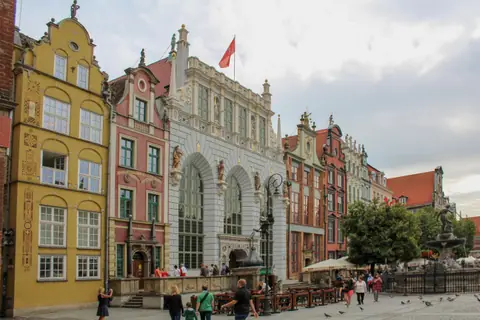 Exploring Gdańsk: Waterfront Heritage, Historic Streets, and Modern MemorialsGdańsk pairs centuries of maritime Baltic commerce along the Motława with monumental modern cultural institutions honouring twentieth-century resilience.
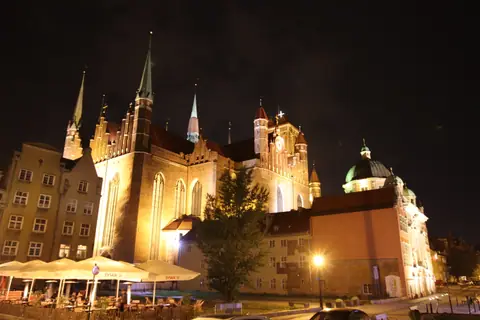 Gdańsk Main Town: St. Mary's Church and the CraneReconstructed brick facades line the cobblestone streets of Gdańsk, leading visitors from St. Mary's Basilica down to the historic harbour Crane.
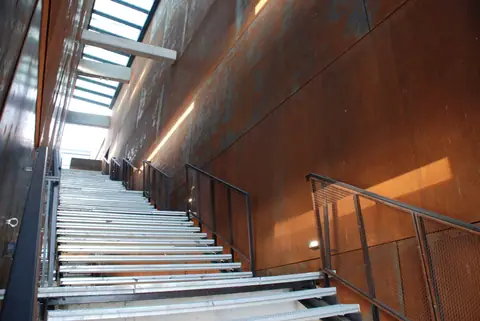 Gdańsk Shipyard and the European Solidarity Centre Field GuideWe explore the rust-toned European Solidarity Centre and the historic shipyard pathways where modern European democracy took root.
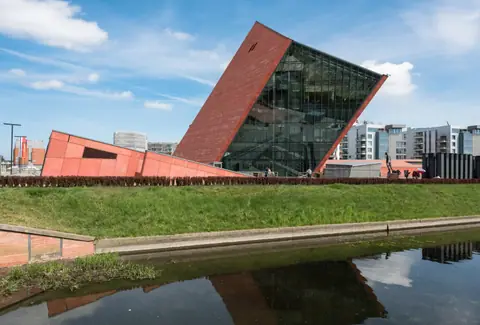 Westerplatte and the Museum of the Second World WarCoastal Westerplatte fortifications and subterranean galleries of the Museum of the Second World War reveal the profound wartime heritage of Gdańsk.
Neighbourhoods & Where to Stay
Districts, historic quarters and the best bases for your stay.
Food & Drink
Local dishes, markets, cafés and dining districts.
Getting Around & Arrival
Airport transfers, public transit, passes and driving rules.
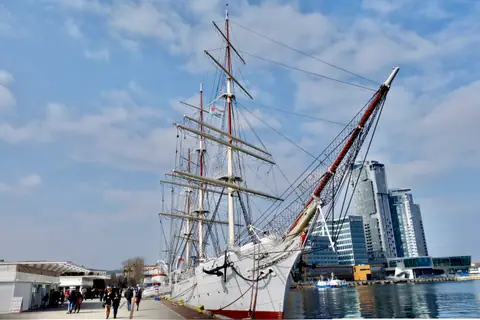
Day Trips & Excursions
Easy half-day and full-day trips from the city.
Trip Planning & Itineraries
When to visit, what to pack and day-by-day routes.
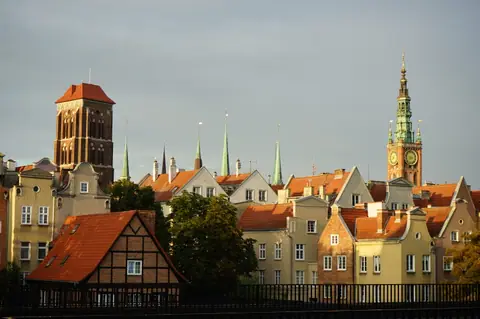 Gdańsk Orientation: Main Town, Shipyard & Baltic CoastNavigating Gdańsk pairs pedestrianised historic thoroughfares and industrial shipyard zones with direct tram routes reaching sandy Baltic coastal promenades.
 Gdańsk Seasonal Guide: Weather Patterns and Baltic LightWe experience Gdańsk through Baltic breezes, long northern summer evenings, crisp golden autumn afternoons, and quiet snowy riverfront mornings.
Need your embassy or consulate in Poland? See embassies and consulates in Poland.
Reviews
Log in to write a review.
No reviews yet.