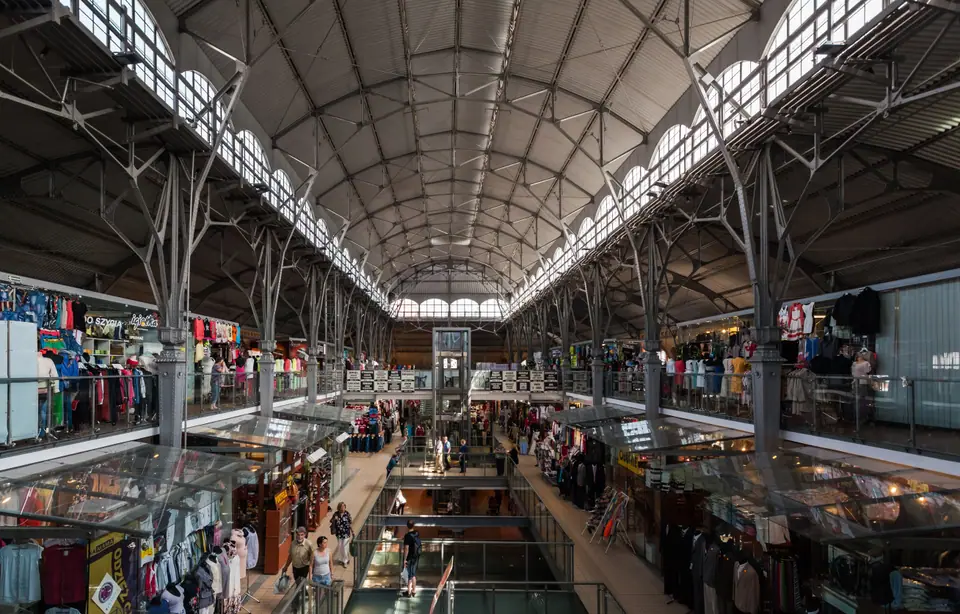
Photo: Diego Delso · CC BY-SA 3.0
What to Eat in Gdańsk: Milk Bars, Baltic Fish and Market Stalls
From hearty milk bar dumplings to Baltic sea fish, dining across Gdańsk reveals rich Pomeranian recipes rooted in local heritage.
Dining in this historic northern port combines coastal produce with hearty inland Polish traditions. Centuries of maritime trade shaped a food culture that balances preserved sea fish with comforting dough dishes, forest mushrooms, and tart fermented broths.
Milk Bars and Traditional Dumplings
Classic milk bars, known locally as bary mleczne, remain essential stops for authentic regional cooking. These subsidised self-service canteens originated over a century ago to offer affordable hot meals to working residents across Polish cities.
Today they serve freshly boiled dumplings called pierogi, filled with spiced mashed potatoes and farmer curd cheese. You will also find versions stuffed with braised forest cabbage, minced pork, or seasonal summer berries dusted with confectioner sugar.
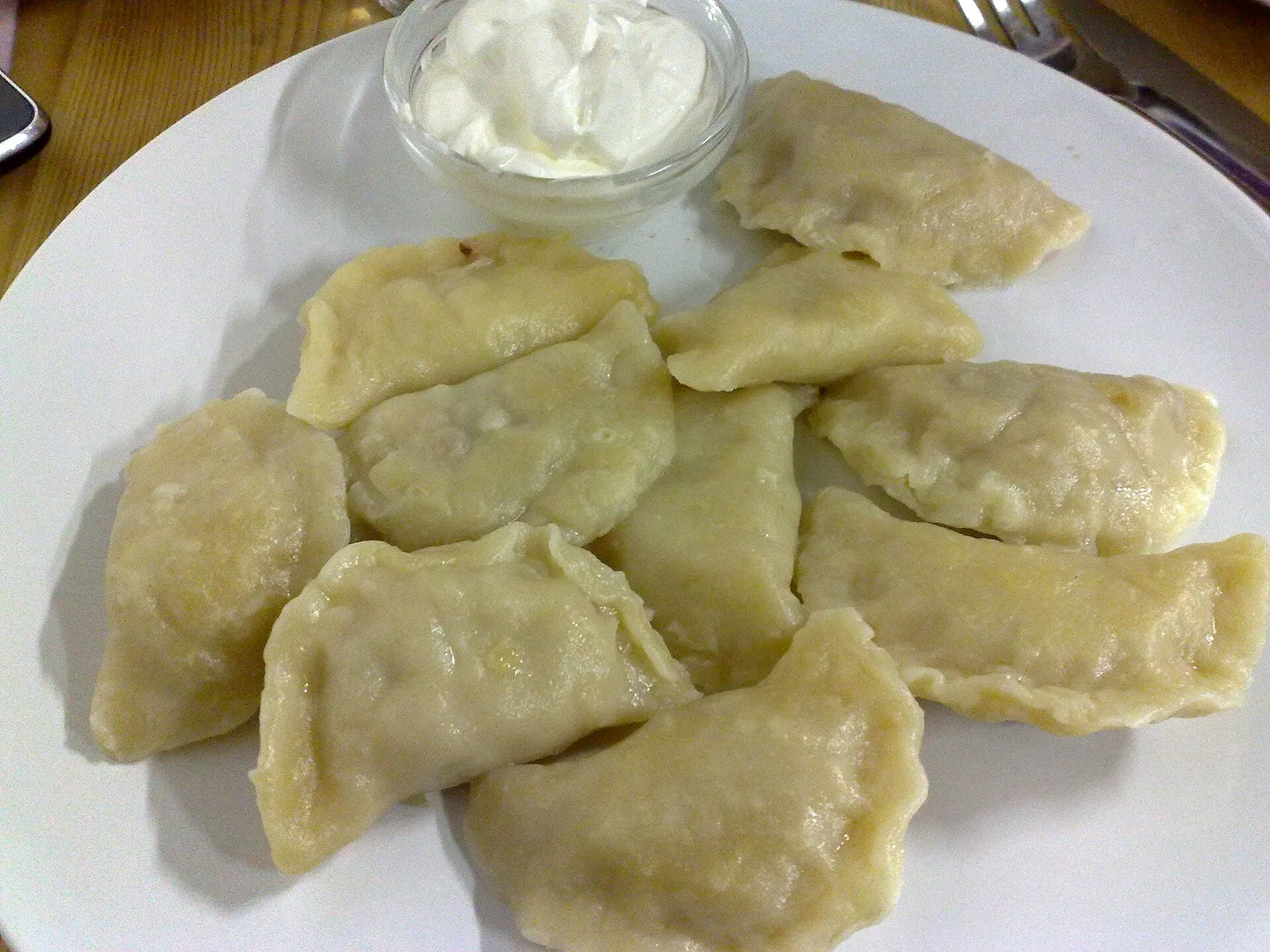
Ordering at the counter moves swiftly as cooks ladle thick soups and slide enamel plates across stainless steel railings. Pairing your plate of dumplings with a glass of warm fruit kompot offers an authentic taste of everyday life.
When planning an afternoon walking route among brick churches and granaries, pair lunch stops with historic quarters and Main Town monuments.
Baltic Fish and Coastal Specialities
Gdańsk benefits directly from its coastal geography, bringing a steady supply of fresh and cured fish to regional tables. Baltic herring, prepared with pickled onions, whole mustard seeds, and sunflower oil, is served as a classic starter alongside dark rye bread.
Fried cod fillets coated in light breadcrumbs appear prominently on lunch blackboards throughout the riverside lanes bordering the canal waters. Freshwater pikeperch and sea trout also feature in seasonal pan-fried dishes served with buttered boiled potatoes and sour dill salads.
Smoked fish forms another deep-rooted tradition in Pomerania, with coastal smokehouses using beechwood chips to cure sprat, mackerel, and salmon. These fragrant smoked specialities are sold wrapped in greaseproof paper, perfect for picnic lunches along shaded park benches.
| Dish Style | Key Ingredients | Serving Context |
|---|---|---|
| Pierogi Ruskie | Potatoes, farmer curd, fried onions | Everyday lunch at local milk bars |
| Śledź w oleju | Baltic herring, onions, cold-pressed oil | Traditional starter with dark bread |
| Żurek | Fermented rye flour, sausage, hard egg | Hearty soup served inside hollow loaves |
| Pączki | Sweet yeasted dough, rose jam glaze | Morning pastry with roasted coffee |
To connect these culinary neighbourhoods easily via local tramway lines, check regional rail and urban transport before setting off in the morning.
Sour Rye Soups and Forest Mushrooms
Fermented ingredients anchor traditional soups across northern Poland, offering bright acidity that cuts through rich cured meats. The most famous example is żurek, a soup made from naturally fermented rye flour starter, garlic, and dried marjoram.
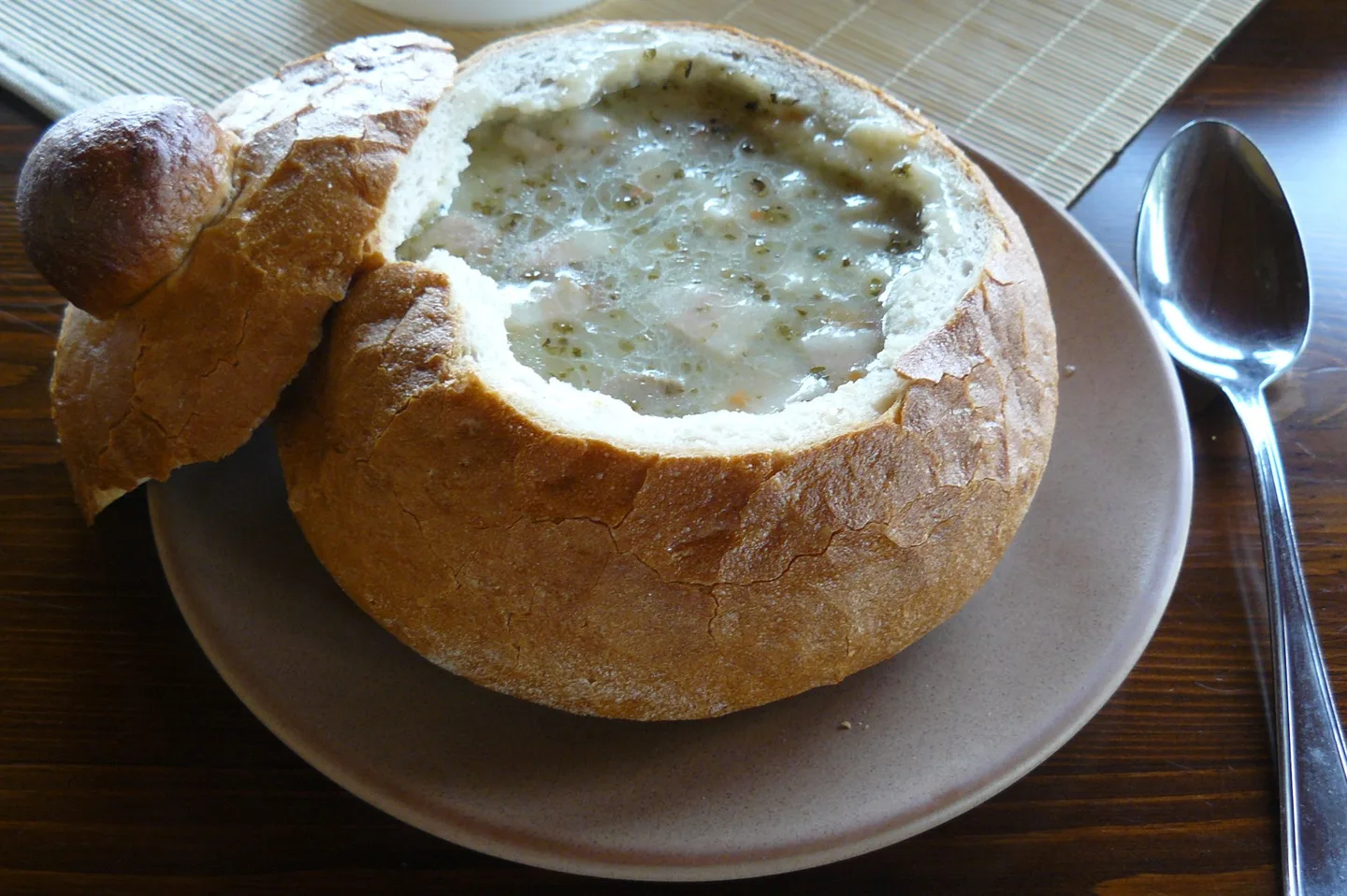
Cooks simmer the tangy rye broth with smoked pork ribs, chunks of white sausage, and quartered hard-boiled eggs. Taverns frequently serve this comforting soup inside a hollowed circular loaf of crusty sourdough bread that softens gradually during the meal.
Forest mushrooms gathered from nearby Pomeranian pine groves also feature heavily in slow-cooked stews and creamy pan sauces. Dried bolete mushrooms lend a profound earthy depth to braised sauerkraut, which pairs naturally with roasted duck or grilled game meats.
If you prefer lighter broths, sample clear barszcz made from steeped beetroot, served with bite-sized dumplings folded into tiny mushroom pockets. Cold summer variations of beetroot soup blend buttermilk and radishes to create a refreshing pink soup during warmer months.
Market Halls and Sweet Pastries
The central Hala Targowa remains an active community focal point where independent vendors offer local produce, cheeses, and artisanal smoked meats. Wandering the ground floor aisles lets you sample regional sheep milk cheeses and rustic farm pickles straight from wooden barrels.
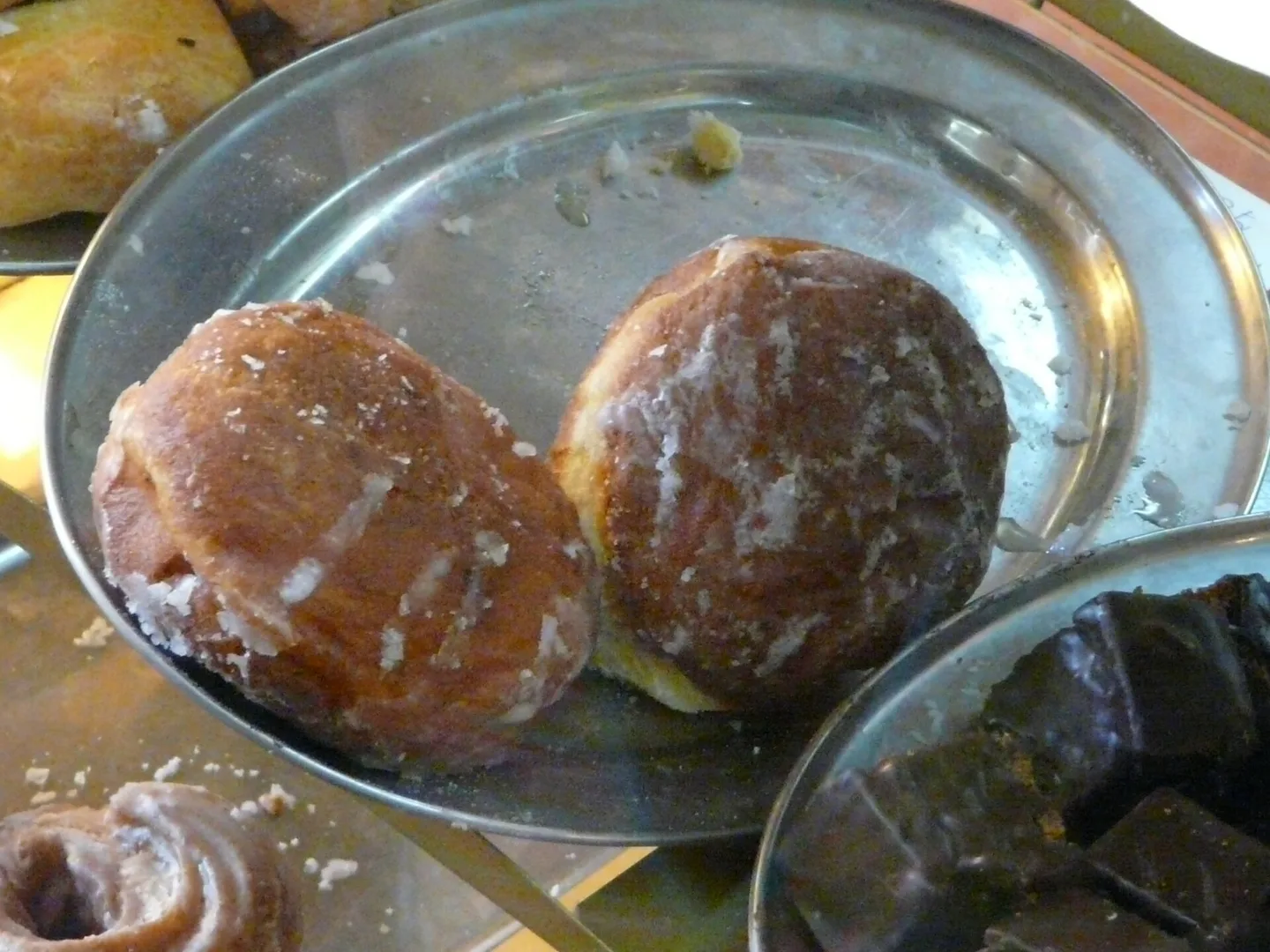
Bakery stalls around the market hall fill their display cases with warm pastries, foremost among them being traditional filled pączki. These yeasted doughnuts are deep-fried until golden, filled with fragrant wild rosehip jam, and coated in glistening citrus zest icing.
Cheesecake, known as sernik, offers another indulgent finish, baked with dense farmer curd cheese, raisins, and a delicate crumb base. Pair your pastry with rich black tea or roast coffee while observing daily market commerce unfold beneath high iron rafters.
- Choose neighbourhood milk bars for reliable, unpretentious lunch plates.
- Taste Baltic herring dressed with cold-pressed oil and diced shallots.
- Warm up with sour rye broth served directly inside crusty loaves.
- Pick up fresh rose-filled doughnuts from family bakeries near Dominican Square.
Choose lodging near bakeries and riverside dining rooms from central Motława neighbourhoods and Main Town streets before arriving.
Official prices and opening hours
- European Solidarity Centre (ECS)Official site ↗
- Museum of the Second World WarOfficial site ↗
Where it is
- 1Gdańsk
- Gdańsk Lech Wałęsa Airport (GDN) · about 12 km from Gdańsk in a straight line
- Directions in Google Maps
Stations and taxi ranks: OpenStreetMap. Airports: OurAirports. Distances are in a straight line.
Traveller tips
Real advice from people who have been to Gdańsk. Every tip is read by our team before it goes live.
No tips yet. Been here? Yours could be the first.
Thank you! Your tip will appear here after a quick review.
More in Gdańsk
Continue exploring Gdańsk with related neighbourhood, food, and planning guides