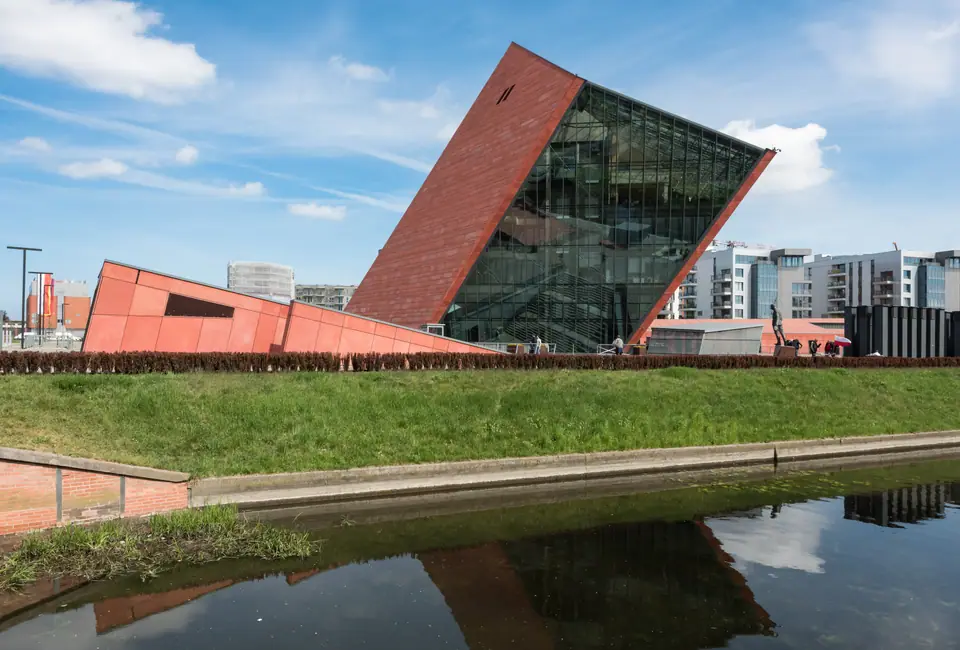
Photo: Adrian Grycuk · CC BY 3.0 pl
Westerplatte and the Museum of the Second World War
Coastal Westerplatte fortifications and subterranean galleries of the Museum of the Second World War reveal the profound wartime heritage of Gdańsk.
Westerplatte sits at the mouth of the harbour channel where maritime commerce meets coastal defence. We walk past ruined barracks, concrete guardhouses, and peaceful shoreline paths surrounded by open water. The quiet sea breeze here contrasts with the violent events that shook this narrow peninsula.
Visiting this outdoor site requires sensible footwear and an eye on local coastal winds. The paved pathways guide walkers past scattered defensive posts, preserved foundations, and the monumental hilltop memorial. Interpretive signs narrate the intense struggle that took place along these sandbars.
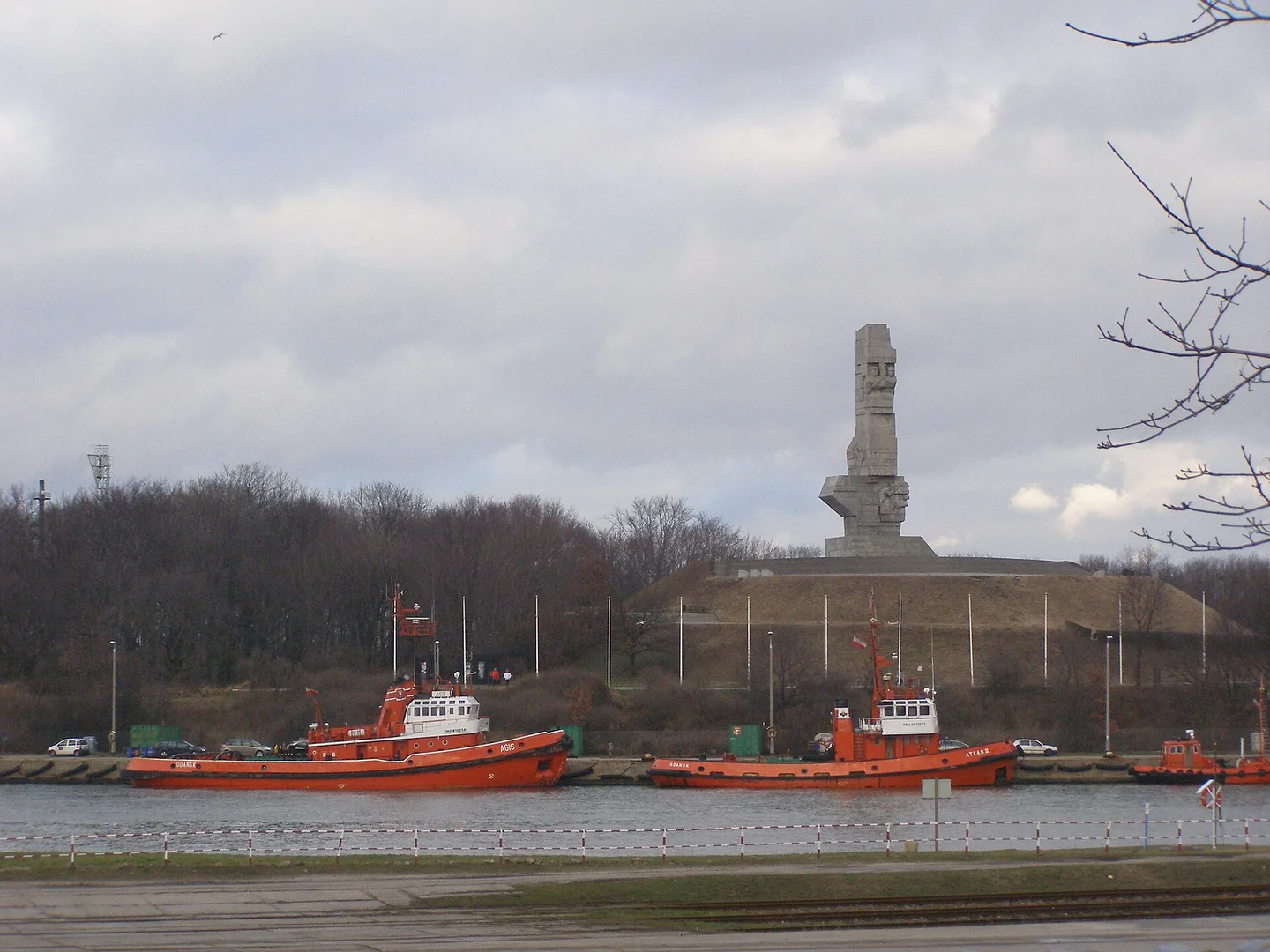
Coastal Fortifications and the Westerplatte Peninsula
Walking the length of the peninsula reveals the remnants of military installations half-hidden among birch groves. Defensive outposts stand intact, showing bullet scars and artillery damage alongside peaceful parkland clearings. The paths remain open to coastal breezes, giving an immediate sense of geographic isolation.
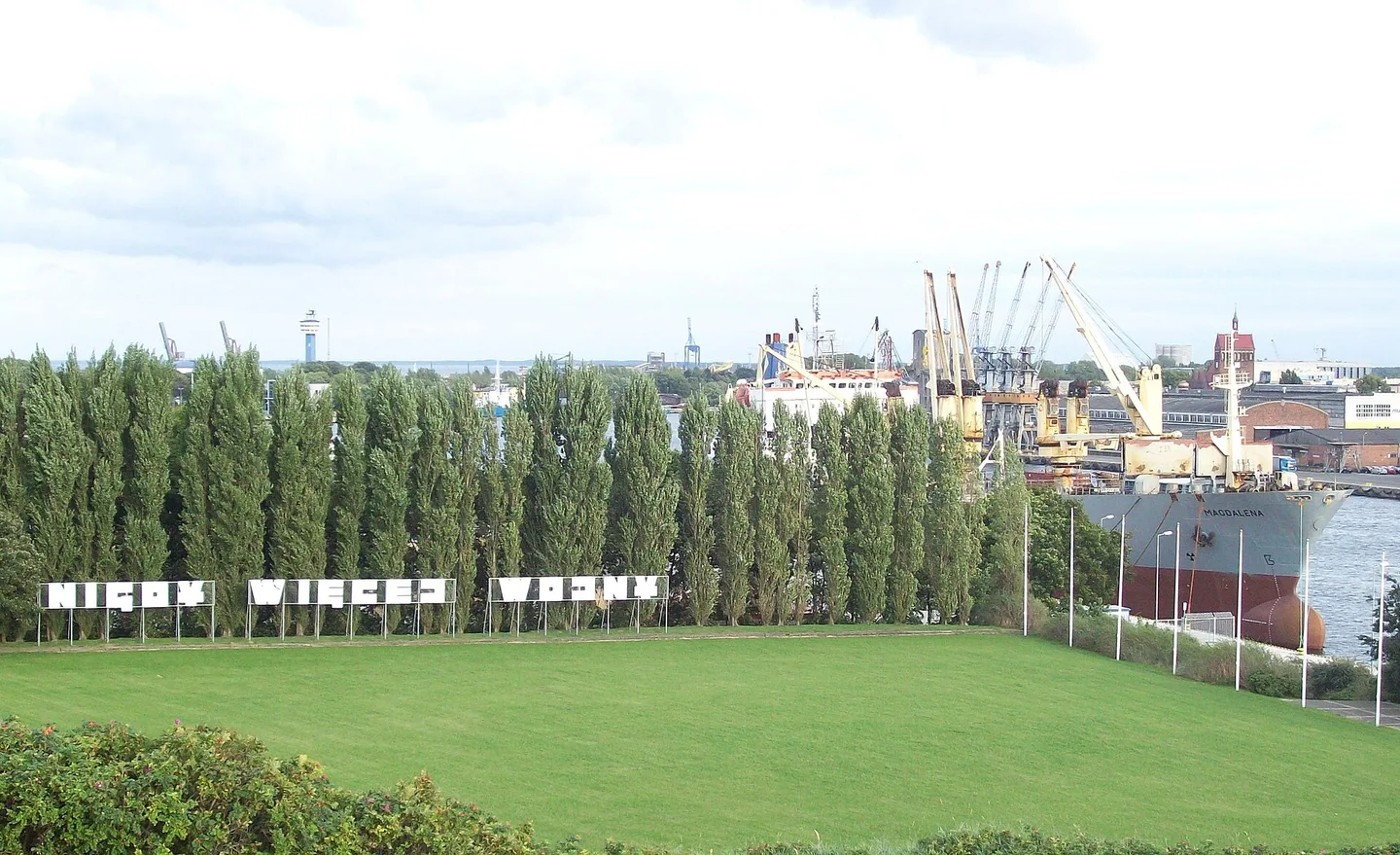
The towering monument stands on a raised mound overlooking the harbour channel. Ascending the gentle slope brings views across the shipping lanes where freighters glide toward industrial docks. We observe how the historic landscape balances remembrance with an active working port.
- Bunkers and guardhouses remain preserved along forested trails beside the canal.
- The coastal memorial commands broad views across the active ship channels.
- Paved pathways link military ruins with quiet seaside viewpoints.
We recommend setting aside unhurried time to wander beyond the central plaza toward the breakwater. The sound of water lapping against the stone blocks brings calm open air away from the city centre. Pair coastal stops with Main Town landmarks, towers, and Old Town museums across the afternoon.
Transit Connections Across the Martwa Wisła
Reaching the peninsula from the historic centre is straightforward via municipal public transport. City buses run from central railway hubs directly to the memorial parking loop, crossing port bridges. In warmer months, passenger ferries glide along the channel, offering views of dry docks and shipyard cranes.
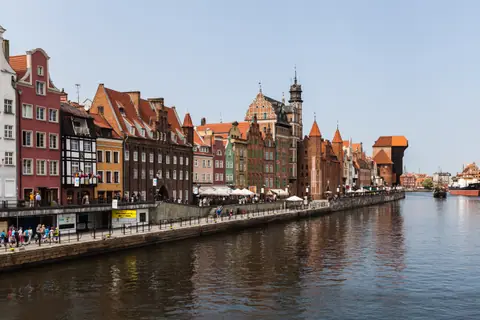
Arriving by water gives an appreciation of how the harbour protected medieval trade routes. We watch industrial tugboats escort cargo vessels right past the historic defensive walls. Rail links and harbour ferries sit together under Gdańsk airport shuttles and municipal bus connections across town.
| Route Choice | Starting Point | Landscape Focus |
|---|---|---|
| Water Tram | Fish Market Quay | Working dry docks and canal views |
| Municipal Bus | Central Station | Industrial suburbs and port crossings |
| Bicycle Track | Main Town Gate | Riverbank paths and coastal greenery |
Winter travellers must prepare for brisk coastal gales along the open breakwater. Summer brings gentle afternoon sunshine, though water taxis often fill quickly during school holidays. Timetable boards posted near river quays help visitors select the best boarding dock.
Subterranean Galleries of the Museum of the Second World War
Back near the canal junction in town, the Museum of the Second World War rises dramatically. Its angular red-concrete and glass tower cuts sharply into the northern skyline. Most exhibition galleries descend beneath street level, creating a somber, immersive descent into mid-century history.
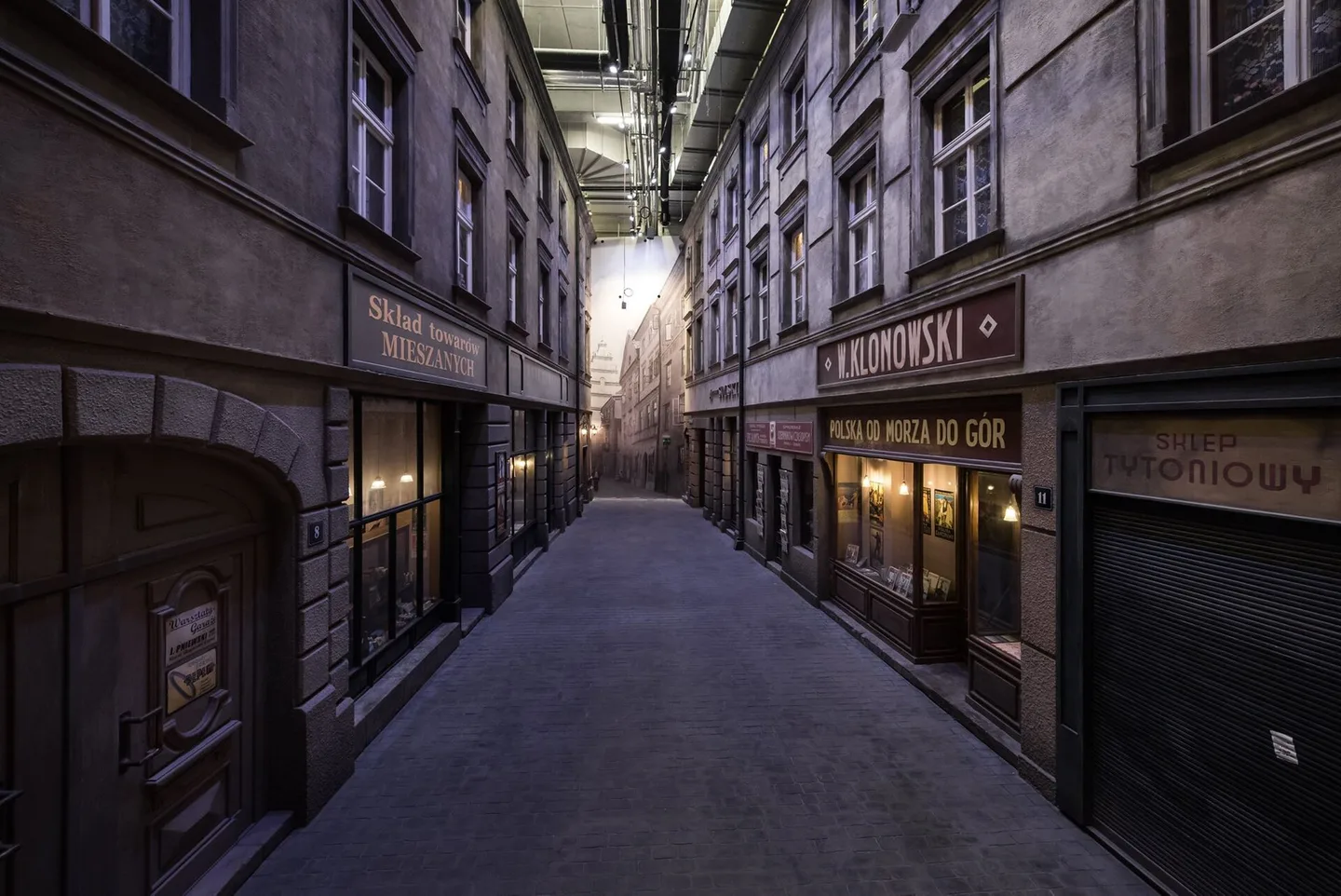
The permanent exhibition presents human experiences alongside military hardware, personal letters, and everyday objects. Walking through these underground corridors reveals reconstructed city streets, propaganda displays, and harrowing civilian accounts. The museum gives deep historical context to the military events that began at Westerplatte.
Because the exhibition spans immense thematic ground, we suggest breaking your walk into manageable sections. Interactive kiosks, film archives, and preserved vehicles occupy wide halls beneath the plaza, while timed gallery sessions let unhurried visitors pause carefully at key personal testimonies.
Connecting Waterfront Sights Across Gdańsk
A coherent historical route easily joins both locations on a single comprehensive day out. Starting early at Westerplatte allows you to experience the outdoor grounds in calm morning light. You can then take the river ferry back toward the Old Town quays for an afternoon indoors.
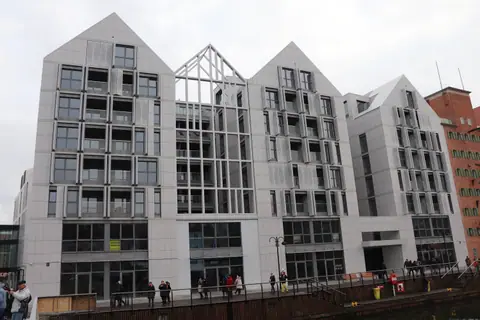
From the river landing, an easy walk leads north along the canal to the museum tower. This pedestrian corridor passes traditional grain warehouses, canal bridges, and modern riverside apartments. Compare central streets and waterfront quarters through Gdańsk Old Town and canal accommodation districts before choosing a base.
We find that combining the quiet shore with the subterranean galleries brings lasting perspective. The physical ruins on the peninsula illuminate the detailed archives preserved inside the city museum. Together, they create an essential narrative of resilience, remembrance, and northern European history.
Official prices and opening hours
- European Solidarity Centre (ECS)Official site ↗
- Museum of the Second World WarOfficial site ↗
Where it is
- 1Westerplatte and the Museum of the Second World War
- Gdańsk Lech Wałęsa Airport (GDN) · about 13 km from here in a straight line
- Directions in Google Maps
Stations and taxi ranks: OpenStreetMap. Airports: OurAirports. Distances are in a straight line.
Traveller tips
Real advice from people who have been to Gdańsk. Every tip is read by our team before it goes live.
No tips yet. Been here? Yours could be the first.
Thank you! Your tip will appear here after a quick review.
More in Gdańsk
Continue exploring Gdańsk with related neighbourhood, food, and planning guides