Photo: Maciej Poltorak / Vanupied · CC BY 4.0
Gdańsk Orientation: Main Town, Shipyard & Baltic Coast
Navigating Gdańsk pairs pedestrianised historic thoroughfares and industrial shipyard zones with direct tram routes reaching sandy Baltic coastal promenades.
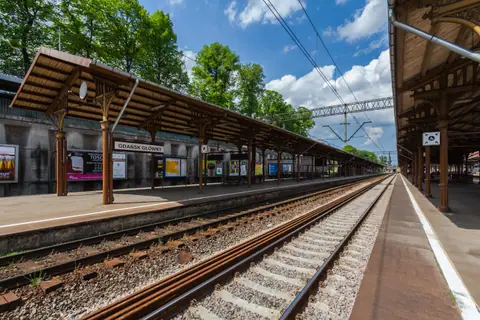
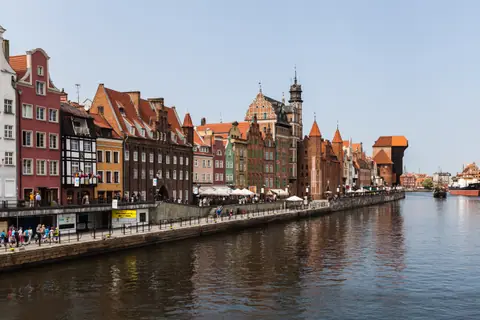
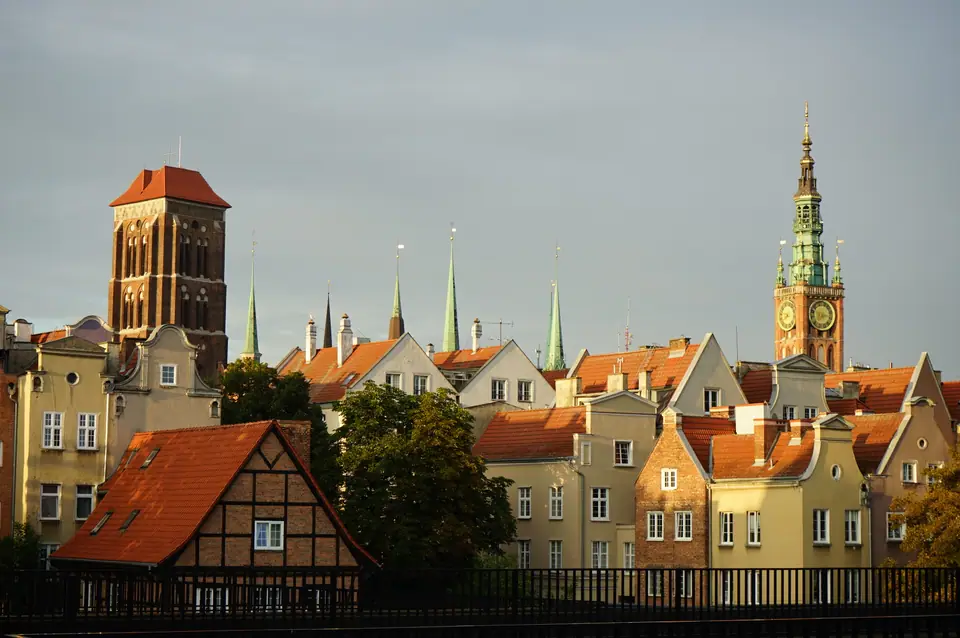
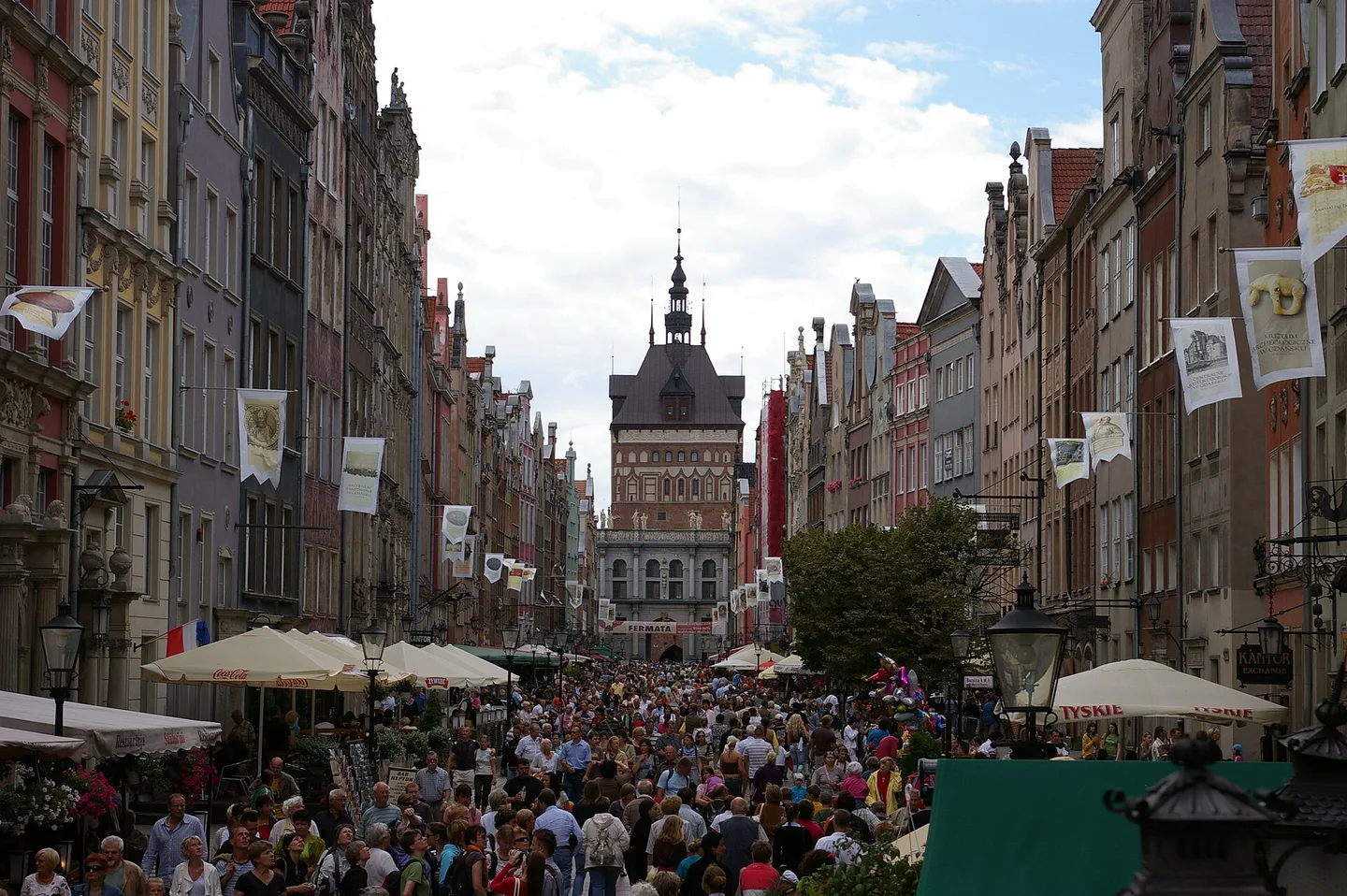
Gdańsk reveals its character along two distinct pedestrian axes. The historic Main Town centres on the grand parade between ancient defensive gates, while the Motława riverbank carries waterborne traffic past tall granary facades. Travellers arriving at Gdańsk Główny railway station walk southwards towards the Golden Gate in ten minutes on flat pavements. Passing beneath carved stone arches brings visitors onto Długa Street, where ornate merchant houses frame the path towards the Neptune Fountain and the Green Gate. Paved squares here stay closed to motor traffic, letting walkers study steep brick gables and sandstone portals calmly.
Main Town Grid and Riverbank Quays
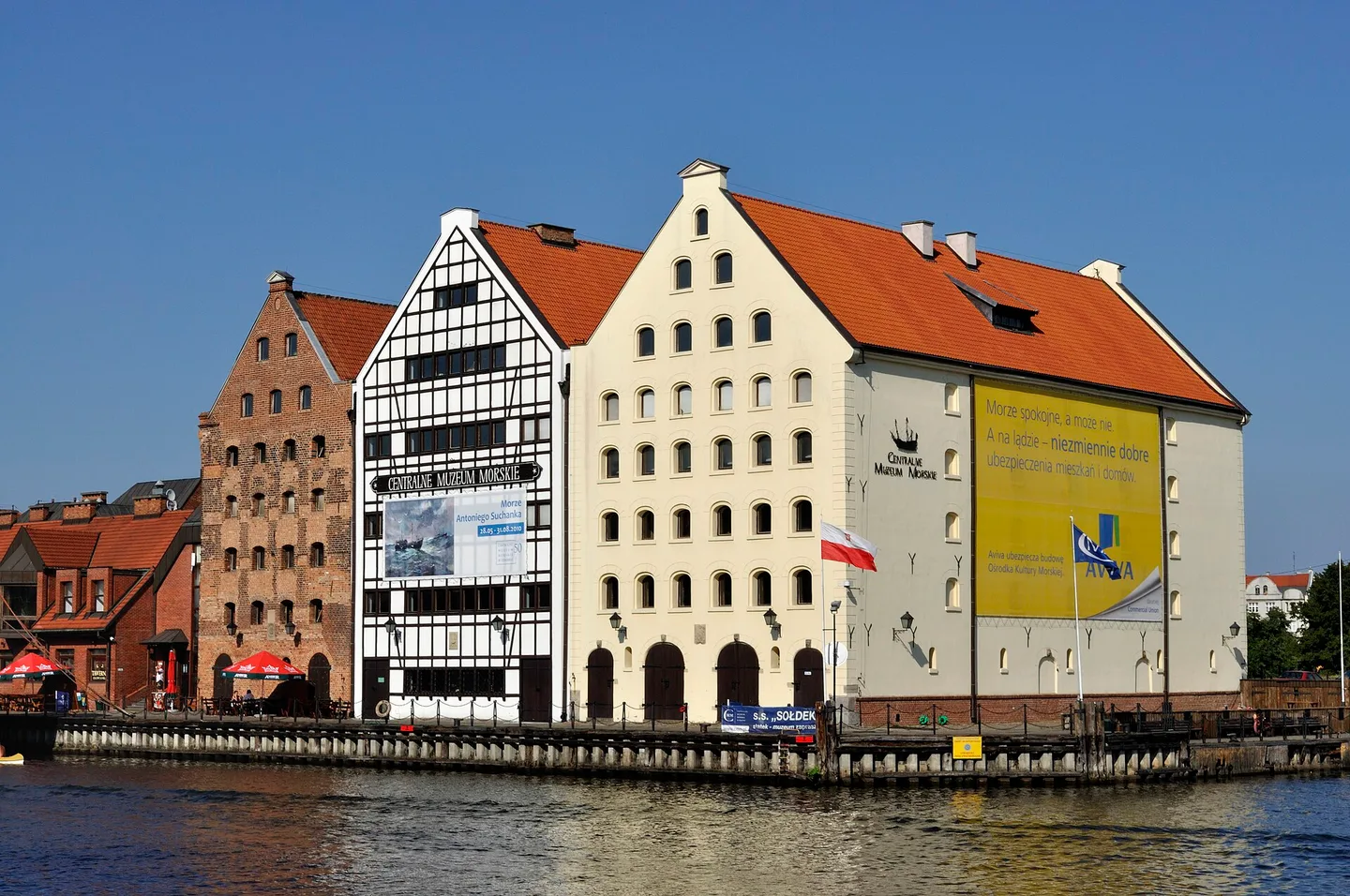
Parallel side streets north and south of Długa Street carry far lighter foot traffic even on sunny summer afternoons. Walk one block north along Piwna Street to see tall red-brick buttresses rising around St Mary's Basilica, or turn south along Ogarna Street past small bakeries and bookshops. From Green Gate, footbridges cross the Motława river directly onto Granary Island and Ołowianka Island, where restored brick granaries face the historic wooden crane. Pair dockside walks easily with maritime exhibits and Main Town landmarks across central streets. Cobblestone alleys nearby shelter amber workshops along narrow Mariacka Lane, where raised stone porches line residential steps.
Leaving the medieval core northward brings an abrupt shift into twentieth-century political history. The former Lenin Shipyard area unfolds behind high brick walls and monumental steel gates. Massive industrial cranes tower over railway sidings and weathered fabrication halls where trade unionists rallied decades ago. Today, modern cultural venues stand beside preserved slipways, creating a vast open-air record of civic protest and European transformation.
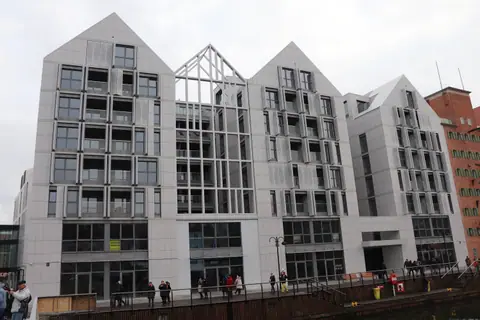
The monumental shipyard gates lead directly towards the three soaring steel crosses commemorating fallen shipyard workers. Modern exhibition halls sit nearby with rust-coloured steel exteriors that mirror the hulls of dry-docked merchant vessels. Wide concrete pavements keep this industrial quarter straightforward to navigate on foot from the northern edge of the old harbour, linking smoothly with waterfront trams.
Understanding how the primary districts connect allows travellers to divide their sightseeing days efficiently across maritime, industrial, and suburban landscapes.
| District Focus | Key Landmarks | Transit Access |
|---|---|---|
| Main Town | Długa street, Neptune Fountain, Green Gate | Walking distance from central railway station |
| Shipyard Quarter | Shipyard gates, worker memorial, museum complex | Tram routes or short northward walk from centre |
| Oliwa Suburb | Cathedral parklands, historic landscape woods | Suburban commuter rail from central platforms |
| Baltic Coast | Beach piers, seaside promenades, coastal parks | Direct municipal tram lines from central hubs |
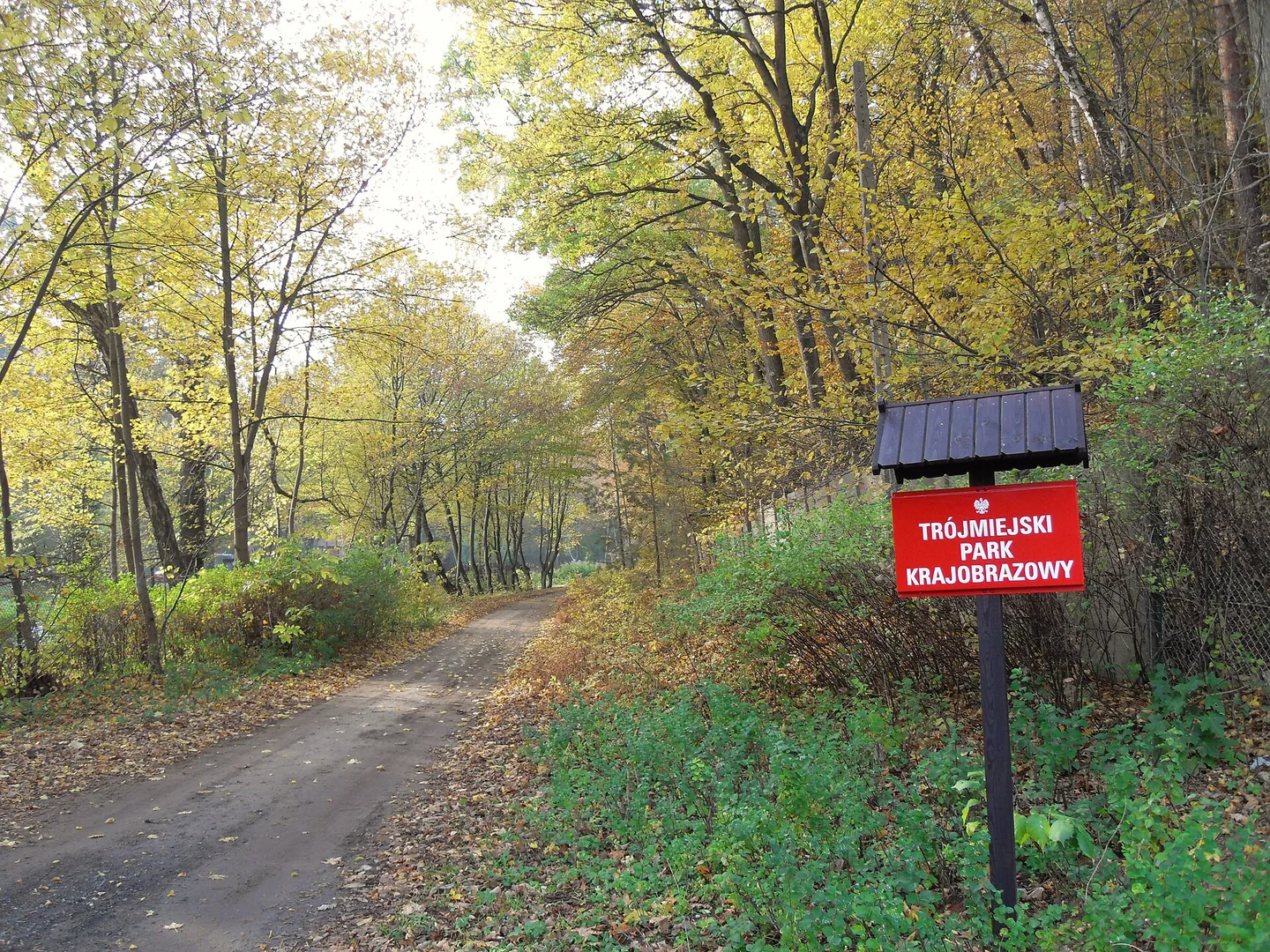
Suburban rail links run northwards towards the peaceful quarter of Oliwa. Here, deep wooded hills surround manicured formal gardens and a grand cathedral renowned for historic pipe organs. Base your overnight stay calmly along central Motława hotels or quieter Oliwa avenues matched to your travel pace. The contrast between compact old brick lanes and leafy cathedral grounds gives welcome breathing space during busy summer months. Clear commuter platforms carry rail riders northward in under twenty minutes without highway delays.
Baltic Beaches and Coastal Tram Routes
When seaside air beckons, urban tram routes run directly from central junctions out to Brzeźno and Jelitkowo along Gdańsk Bay. Tracks terminate near sandy shoreline parks and wide wooden piers stretching into shallow Baltic water. Paved cycling and walking tracks follow the entire waterfront promenade northward past dune pinewoods. These coastal paths open smooth routes linking seaside suburbs with sunlit pastry cafes and quiet timber jetties.
Practical District Planning
Grouping each day around one transport corridor cuts unnecessary backtracking across the riverfront and industrial zones. Morning walks cover Main Town gates, St Mary's Basilica, and historic granary bridges before tour coaches fill the Motława quays. Afternoon journeys pair either the northern shipyard exhibitions or rapid SKM suburban trains towards Wrzeszcz and Oliwa cathedral grounds. Direct municipal trams handle short cross-town hops whenever rain showers roll inland from the bay or feet tire on old stone cobbles. Neighbourhood bakeries and traditional milk bars stay scattered through quiet residential blocks between busy main avenues, giving casual lunch stops away from crowded harbour terraces. Returning to the brick core at dusk frames floodlit church spires rising cleanly above terracotta rooftops and calm canal water.
Official prices and opening hours
- European Solidarity Centre (ECS)Official site ↗
- Museum of the Second World WarOfficial site ↗
Where it is
- 1Gdańsk
- Gdańsk Lech Wałęsa Airport (GDN) · about 12 km from Gdańsk in a straight line
- Directions in Google Maps
Stations and taxi ranks: OpenStreetMap. Airports: OurAirports. Distances are in a straight line.
Traveller tips
Real advice from people who have been to Gdańsk. Every tip is read by our team before it goes live.
No tips yet. Been here? Yours could be the first.
Thank you! Your tip will appear here after a quick review.
More in Gdańsk
Continue exploring Gdańsk with related neighbourhood, food, and planning guides