Photo: Szczecinolog · CC BY-SA 4.0
Exploring Gdańsk: Waterfront Heritage, Historic Streets, and Modern Memorials
Gdańsk pairs centuries of maritime Baltic commerce along the Motława with monumental modern cultural institutions honouring twentieth-century resilience.
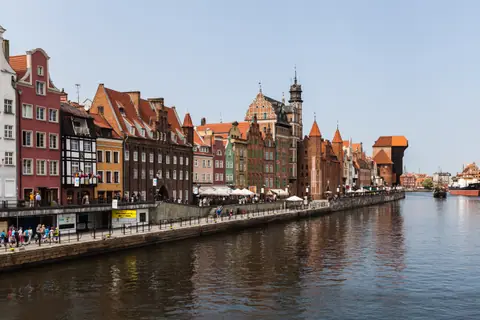
A walking journey through Gdańsk begins along the historic embankments of the Motława river, where medieval trading traditions remain visible. Brick granaries and former merchant quayside gates line the eastern edges of the Old Town, giving clear orientation for first-time visitors.
Historic Quays and Maritime Landmarks
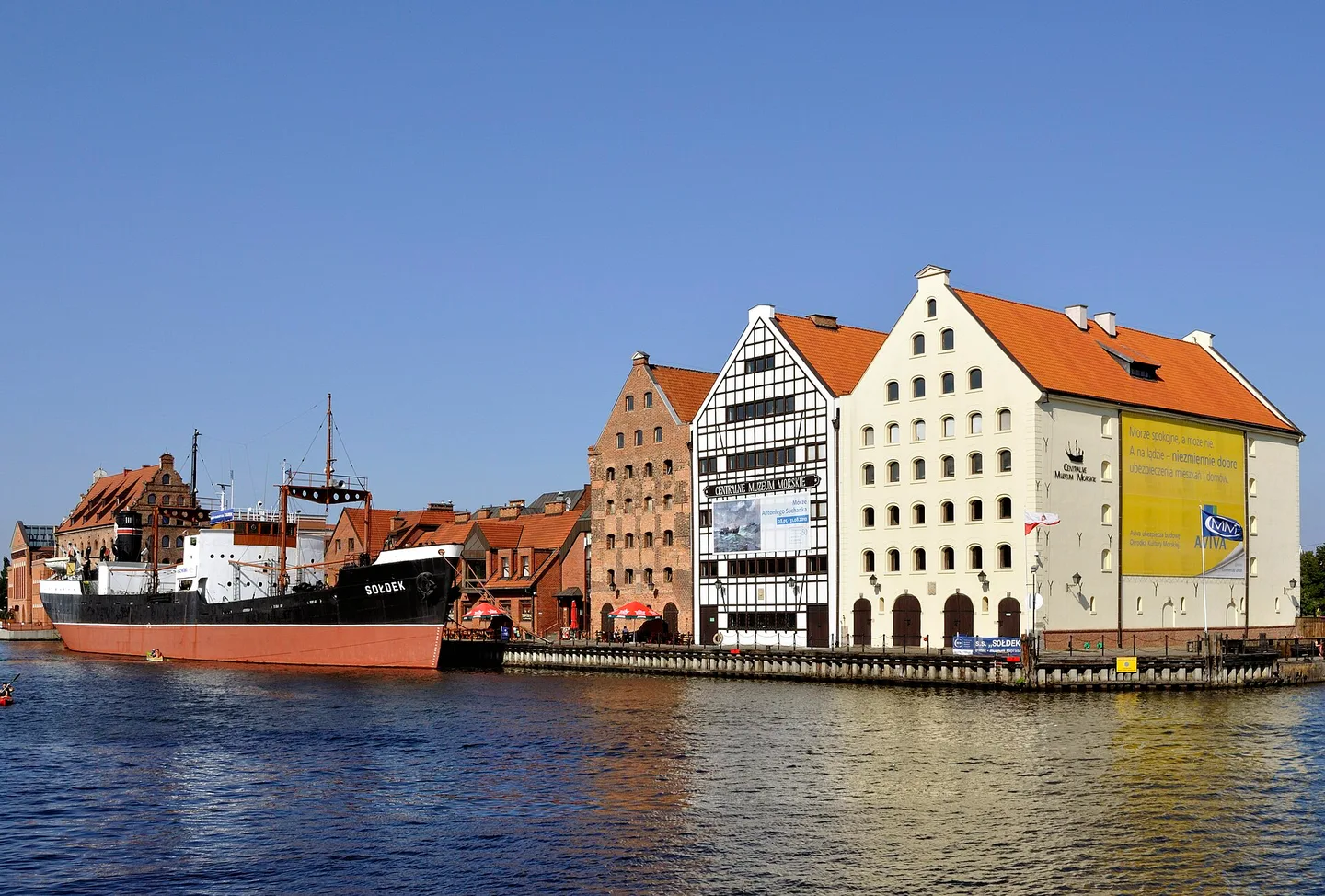
Wandering alongside the riverbanks reveals surviving shipping heritage, including historic museum vessels and restored port facades. Visitors view maritime exhibitions along the Długie Pobrzeże promenade before crossing footbridges towards Ołowianka island.
The riverside walkways link directly with cultural institutions. These paths reveal how industrial maritime trade shaped regional civic life over generations. Follow Gdańsk district layouts and tram routes when planning daily walking circuits across these historic dockside quarters.
Maritime installations across the river network show commercial shipping traditions and local engineering craftsmanship:
- Central maritime museum displays along the waterfront quays.
- Preserved museum cargo steamers moored opposite the historic town frontages.
- Waterfront paths connecting river views with surrounding restored granary islands.
- Restored brick harbour gateways that opened directly to historic river merchant quays.
- Historic crane structures standing as prominent focal points along the pedestrian dockside.
- Pleasant riverbank viewpoints overlooking moored wooden passenger boats and commuter ferries.
These waterfront reaches allow travellers to observe traditional Baltic shipbuilding relics in direct connection with the town centre. Timber moorings, stone pavements, and industrial ironwork trace centuries of harbour transport history along the waterway.
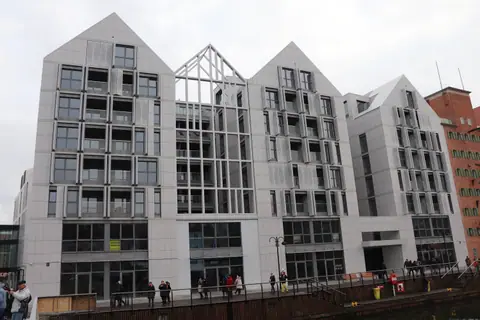
Granary island facades show recent architectural revivals, pairing historical brick foundations with clean structural lines. Walking around this loop gives visitors panoramic viewpoints over the historic town skyline across the river channels.
Major 20th-Century Museums and Heritage
Beyond its older trading monuments, the city houses significant cultural institutions dedicated to modern European history. The Museum of the Second World War stands near the northern river bend, presenting deep documentation of wartime civilian experiences.
A short distance away, the European Solidarity Centre commemorates modern democratic movements beside the historic shipyard gates. Interactive galleries trace shipyard strikes and peaceful labour reforms across seven spacious exhibition floors.
Visiting both major institutions gives visitors a clear perspective on national perseverance through complex twentieth-century transitions. Staying inside central Gdańsk districts near the canal simplifies early morning foot walks to these civic halls.
Shipyard heritage remains deeply intertwined with the industrial narrative of modern Poland. The preserved industrial buildings, heavy steel cranes, and memorial plaques surround the cultural pavilions, establishing an atmosphere of remembrance.
Permanent exhibitions outline the formation of autonomous trade unions and their broader social influence across postwar Eastern Europe. Walking these exhibition halls adds valuable educational depth that balances sightseeing in the historic centre.
Central Walking Sequences and Town Ensembles
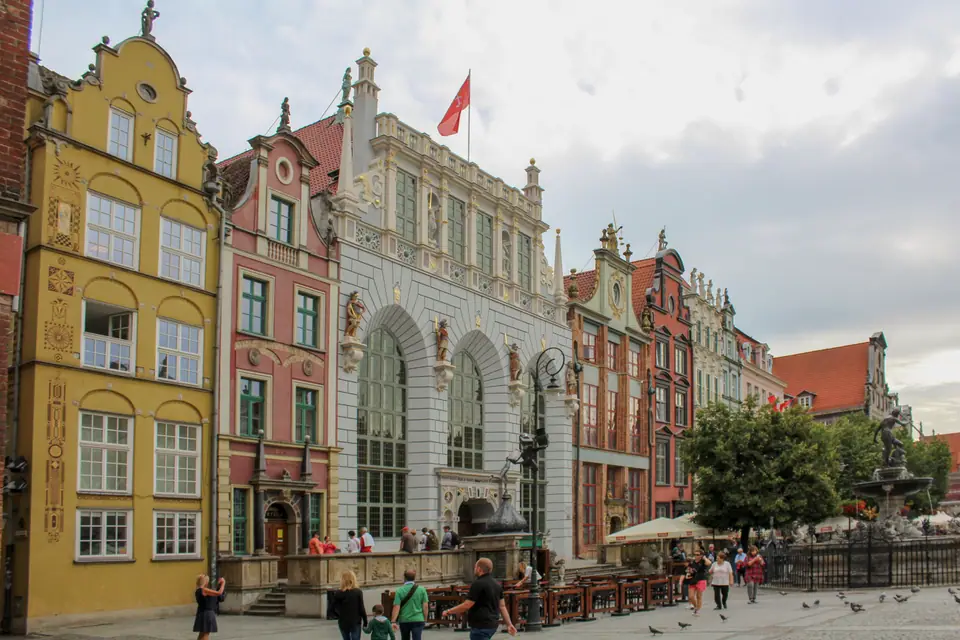
The core pedestrian spine connects major gateways with expansive town squares, framed by ornate gabled townhouses and gothic civic halls. Walking from the western gates towards the river reveals grand merchant architecture preserved across pedestrian corridors.
Sidewalk cafes, amber workshops, and public fountain monuments encourage an unhurried walking pace across paved streets. Morning strolls offer quiet opportunities to admire facade stonework and decorative crests before mid-day foot traffic gathers.
| District Corridor | Primary Highlights | Walking Atmosphere |
|---|---|---|
| Long Market | Town hall, historic fountains, gabled facades | Grand pedestrian axis |
| Mariacka Street | Terraced entries, amber craft studios | Narrow stone paved street |
| Motława Waterfront | Historic crane, river footbridges, museum ship | Open riverside promenade |
These pedestrian zones remain entirely accessible on foot, connecting comfortably across short city blocks.
Along Mariacka Street, ornate gargoyle rainspouts and raised stone terraces project outward from narrow residential facades. Amber jewellers display finished regional resin pieces in quiet subterranean vaulted cellars.
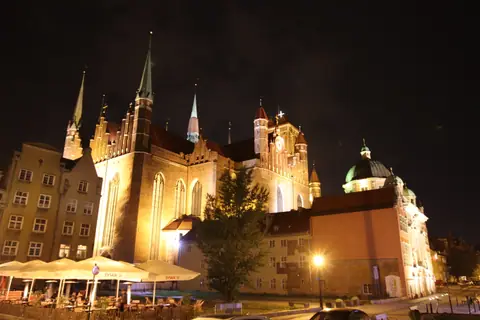
Saint Mary's Church rises directly over these cobbled passages, dominating the surrounding rooflines with massive red brick buttresses. The quiet side alleys branching off this massive church reveal peaceful residential corners away from the main thoroughfare.
Connecting Outer Neighbourhoods and Transit Hubs
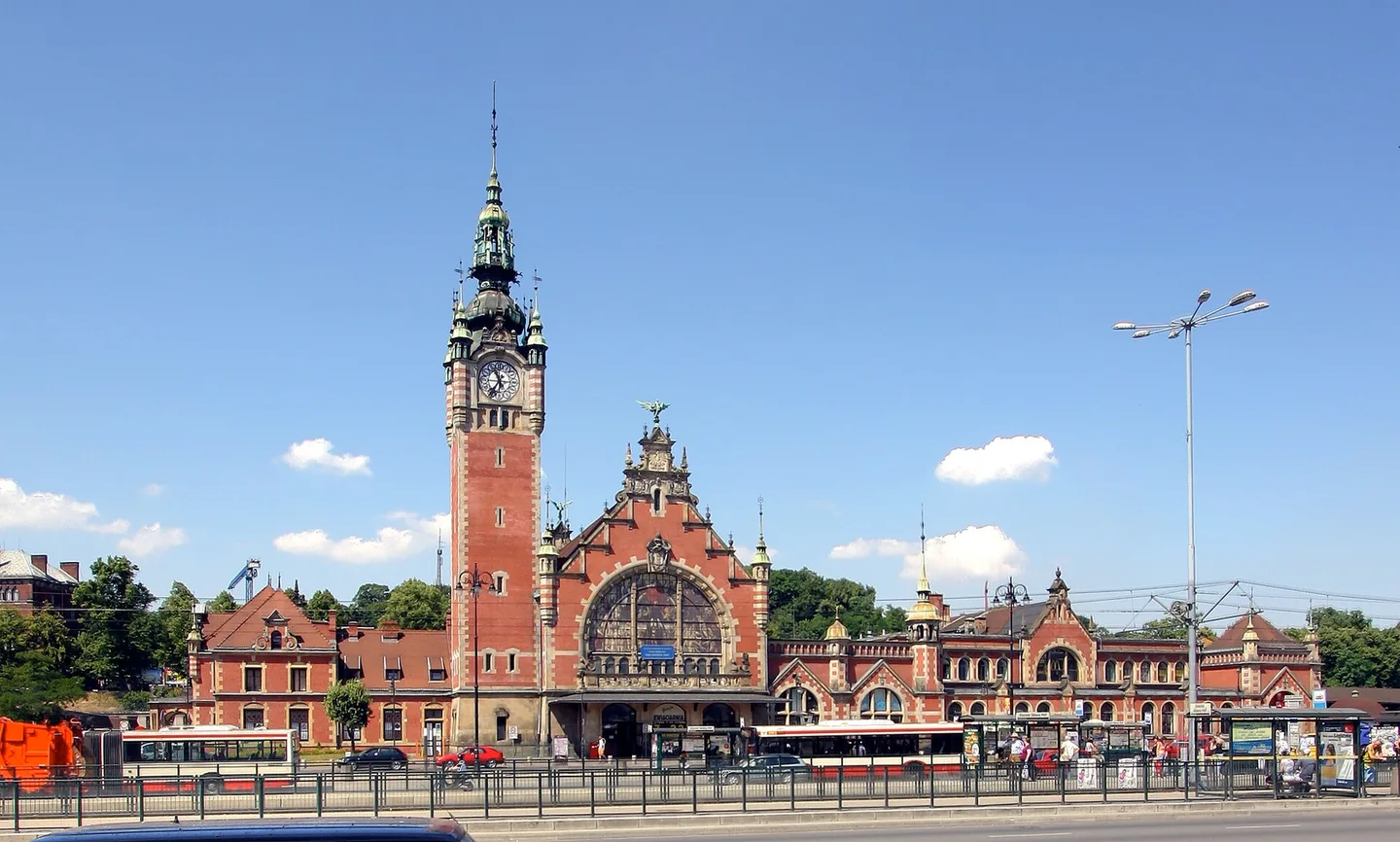
The main railway station of Gdańsk Główny serves as the primary regional transit interchange for urban trams and commuter rail services. Travellers can reach outer leafy suburbs or coastal districts directly from central platforms without needing private vehicles.
Suburban trains run frequently between regional coastal towns, linking historic urban centres with nearby seaside paths. Fast rail and airport connections into Gdańsk deliver new arrivals straight into downtown tram stops.
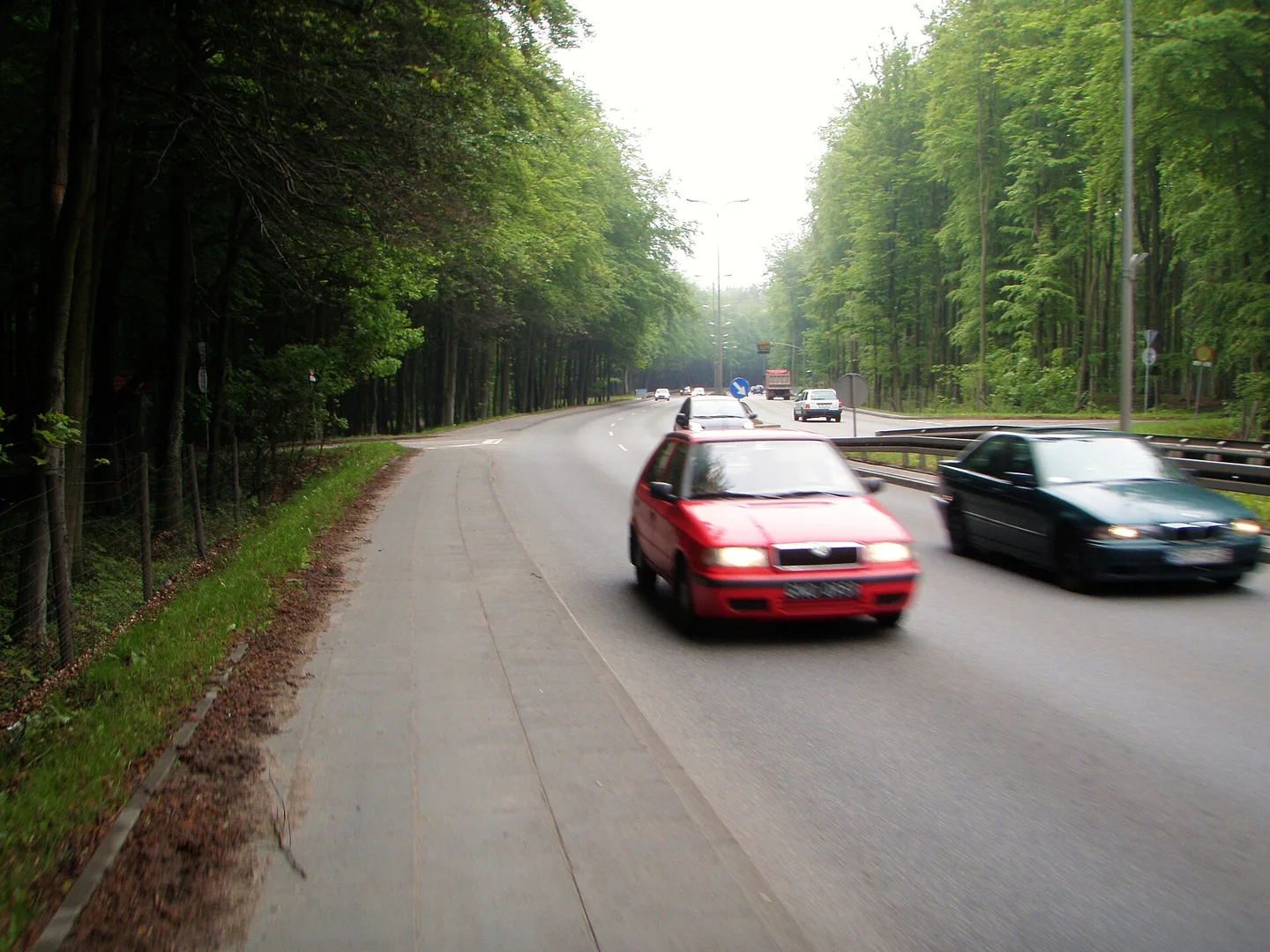
Taking urban transit towards residential districts such as Brętowo reveals greener residential hills and peaceful local parklands. Combining central historical walks with regional train journeys creates a balanced itinerary across this coastal territory.
Suburban tram lines extend along leafy avenues, offering simple connections to suburban forest trails and scenic parks. Exploring these quiet peripheral quarters gives travellers a broader appreciation of daily life beyond tourist hubs.
Official prices and opening hours
- European Solidarity Centre (ECS)Official site ↗
- Museum of the Second World WarOfficial site ↗
Where it is
- 1Gdańsk
- Gdańsk Lech Wałęsa Airport (GDN) · about 12 km from Gdańsk in a straight line
- Directions in Google Maps
Stations and taxi ranks: OpenStreetMap. Airports: OurAirports. Distances are in a straight line.
Traveller tips
Real advice from people who have been to Gdańsk. Every tip is read by our team before it goes live.
No tips yet. Been here? Yours could be the first.
Thank you! Your tip will appear here after a quick review.
More in Gdańsk
Continue exploring Gdańsk with related neighbourhood, food, and planning guides