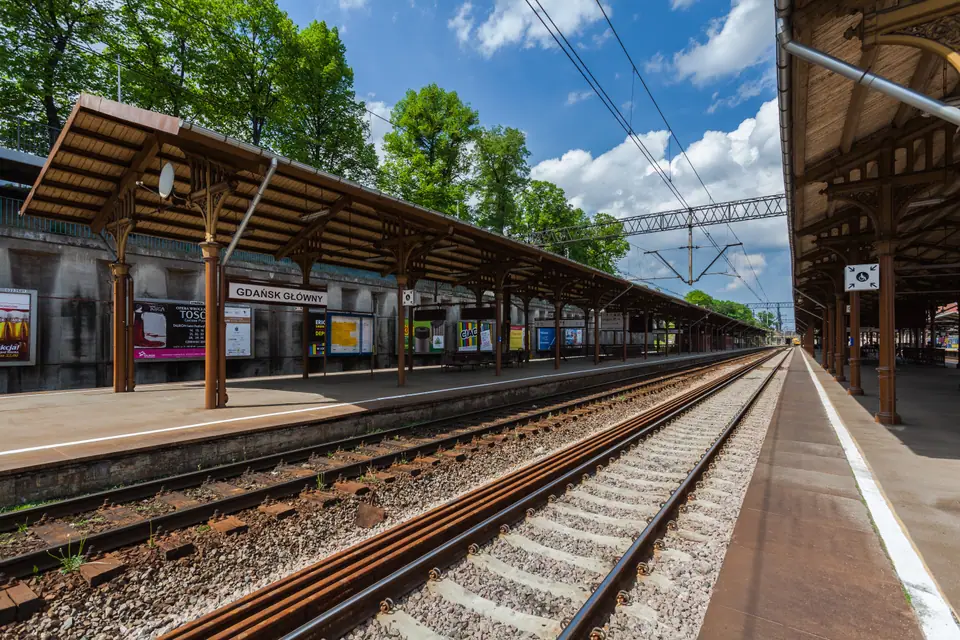
Photo: Diego Delso · CC BY-SA 3.0
Getting to Gdańsk and Moving Across the Tricity
Arrive through Baltic air or rail corridors, then traverse the coast using electric trains, urban trams, and pedestrian avenues.
Touching down on the Pomeranian coast brings travellers into Gdańsk Lech Wałęsa, situated west of the urban core. The passenger terminal connects directly to municipal transit options, allowing visitors to reach the central districts without relying on private cars. Regular city bus routes run straight from the kerb outside arrivals towards the historic core, stopping at several residential districts along the way.
Alternatively, the local railway line runs directly from the terminal platform, shuttling passengers across the western suburbs towards Gdańsk Wrzeszcz. At Wrzeszcz, cross-platform interchanges offer swift connections into the primary metropolitan rail network. The journey presents a gentle introduction to northern Poland, rolling past forested ridges before descending into the dense street grids.
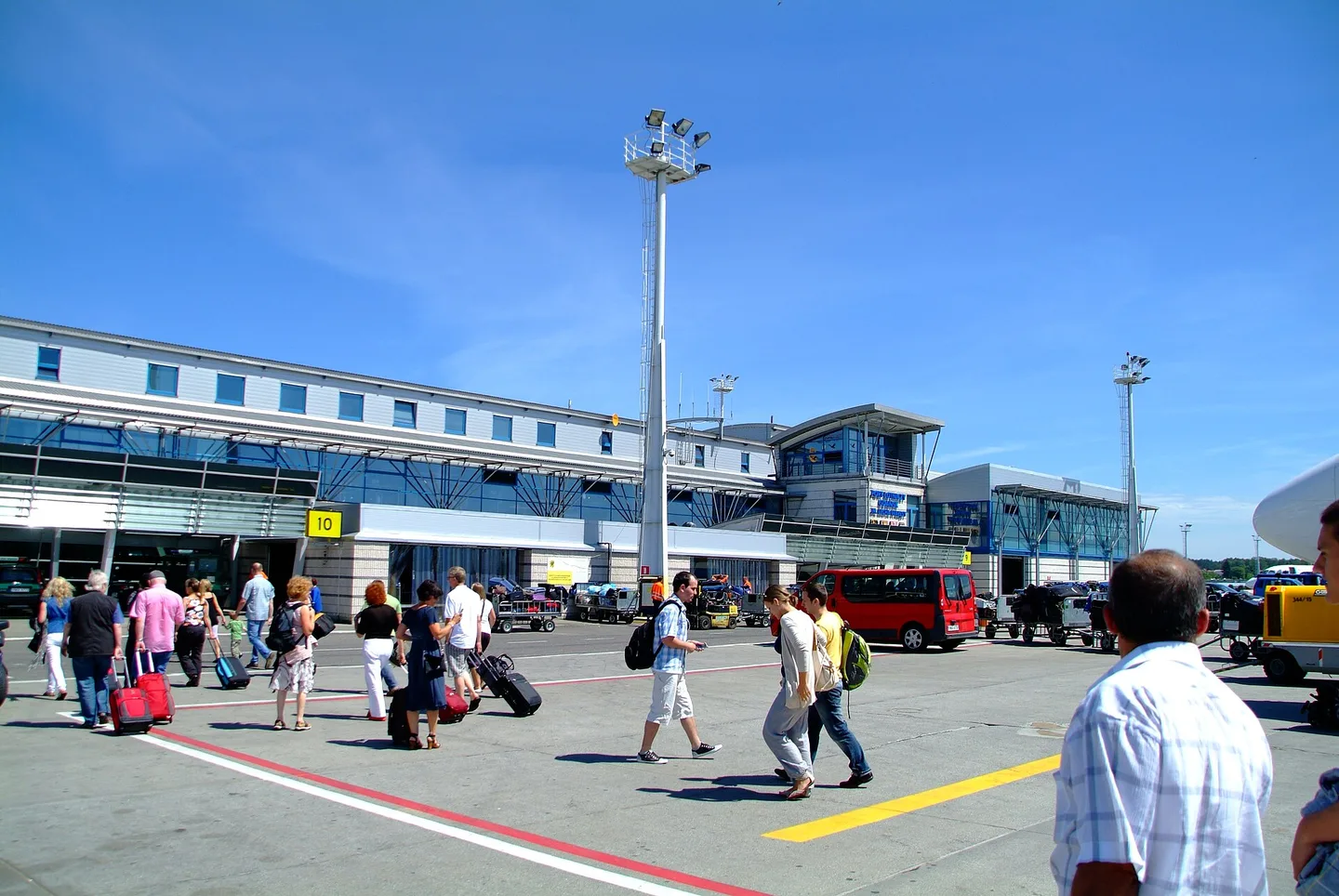
For visitors intending to settle in before wandering through coastal sights, checking recommended places to stay in Gdańsk helps coordinate transit stops with luggage drop-offs. The ticketing machines standing inside the arrivals hall accept bank cards, dispensing single-journey paper slips that require immediate stamping upon boarding the carriages.
Connecting the Coastline via the SKM Commuter Railway
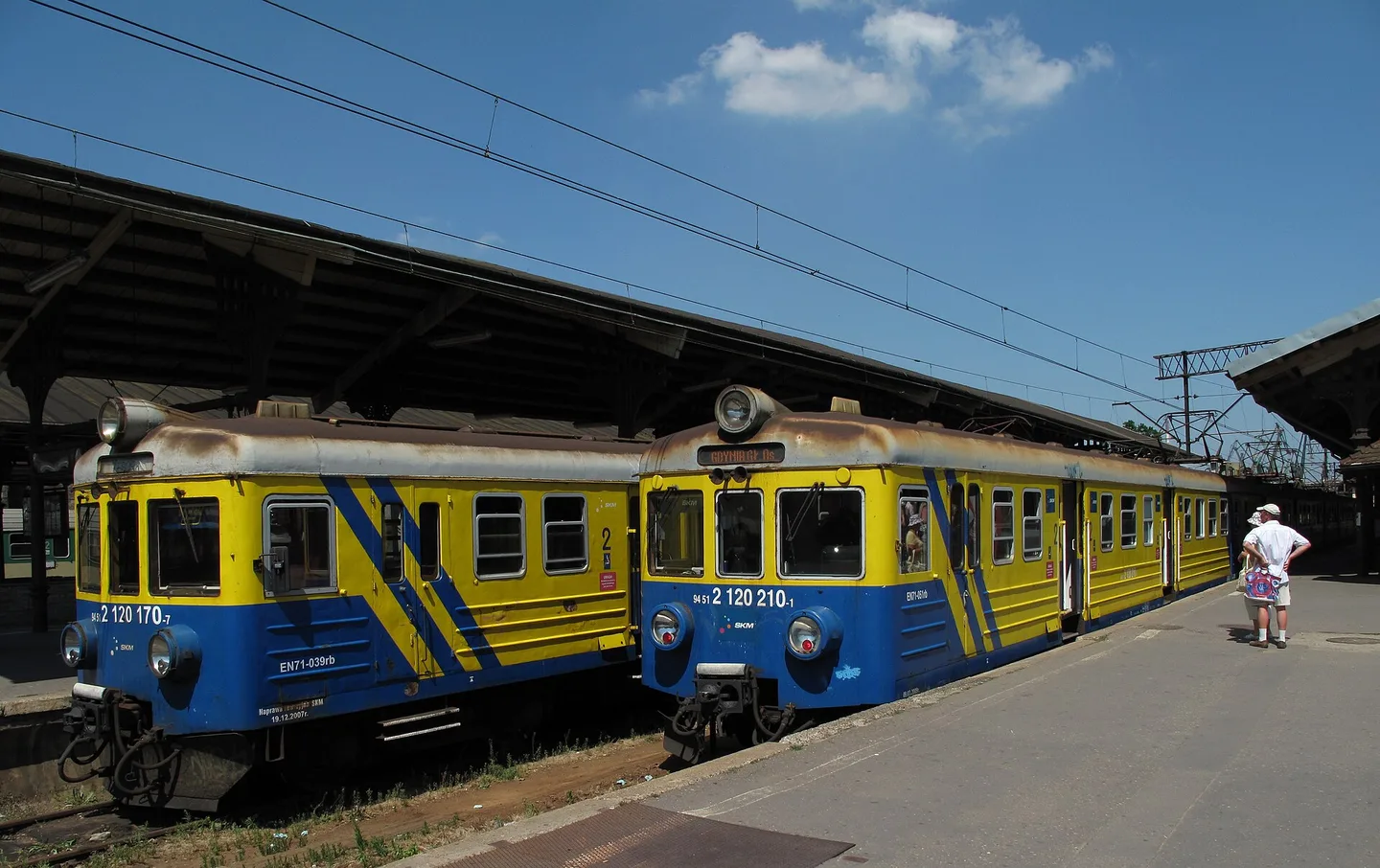
The urban backbone of northern Poland is the SKM urban railway, linking Gdańsk, Sopot, and Gdynia into one continuous metropolitan ribbon. Yellow-and-blue suburban trains run along dedicated tracks parallel to the mainline, stopping at local halts every few minutes throughout the day. This suburban rail network lets you swap between medieval lanes and Baltic beaches in a single afternoon.
Boarding the carriages at Gdańsk Główny station places you directly on the coastal route heading northwest towards the seaside resort of Sopot. Passengers should note that SKM journeys require dedicated rail tickets bought from station kiosks or platform vending machines, distinct from municipal tram passes. Boarding without a pre-validated ticket can lead to penalties from onboard conductors who check compartments regularly.
- Gdańsk Główny serves as the primary gateway for both long-distance PKP expresses and suburban commuter lines.
- Gdańsk Wrzeszcz gives simple cross-platform transfers between airfield rail shuttles and the main coastal line.
- Gdańsk Oliwa offers direct station access to historical parklands, ancient cathedrals, and northern bus links.
- Sopot station drops travellers within comfortable walking distance of the central wooden pier and sandy coastline.
Planning day excursions along the bay becomes remarkably simple once you master the commuter lines. Travellers spending several days discovering coastal sights can check cultural activities around Gdańsk to arrange rail stops around museum visits and maritime promenades.
Navigating Central Quarters by Tram and on Foot
Within the city boundaries, the tram network operated by ZTM provides the most dependable method for moving between distant neighbourhoods. Modern low-floor trams glide along grassy central reservations, linking the primary rail terminal with outlying docks, working-class districts, and riverside paths. Overhead route displays at major stops indicate real-time waiting estimates for incoming services.
The historical core itself remains overwhelmingly pedestrian, best traversed on foot over smooth flagstones and traditional granite paving stones. Cobbled side streets such as Mariacka or Piwna forbid through traffic, giving walkers freedom to roam among rebuilt merchants tenements. Good walking shoes prove invaluable when spending long hours surveying brick Gothic churches and canal embankments.
| Transit Mode | Primary Focus | Ticketing Method |
|---|---|---|
| SKM Suburban Rail | Linear coastal links connecting Gdańsk, Sopot, and Gdynia | Platform ticket machines or station booking windows |
| Municipal Trams | Inner-city links between railway hubs and outer quarters | Onboard card readers or street-corner electronic kiosks |
| City Buses | Aviation hub journeys, western suburban links, and night corridors | Contactless card terminals inside bus saloons |
| Harbour Ferries | Scenic Motława water crossings between historic quays | Boarding gate kiosks along the riverbank quays |
Validating transit tickets is compulsory across all municipal trams and city buses. Paper tickets purchased from street kiosks must be inserted into the mechanical validation punches immediately after stepping aboard the carriage. Travellers can also tap contactless bank cards directly against onboard card terminals to pay for individual legs of their journey.
Intercity Rail Connections and Seasonal Water Trams
Gdańsk Główny serves as the northern terminus for high-speed PKP Intercity trains arriving from Warsaw, Kraków, and Poznań. The restored red-brick station hall features clear bilingual overhead boards directing arriving passengers towards underground pedestrian tunnels. These subterranean walkways lead directly to adjacent tram stops, long-distance bus platforms, and the western taxi stands.
During warmer months, seasonal water trams set sail along the Motława river, connecting the central waterfront to maritime monuments downriver. These passenger ferries offer scenic views of commercial shipyards, industrial grain cranes, and defensive bastions guarding the river mouth. They present a relaxing travel alternative to road transport when heading towards the harbour peninsula.
Before exploring the docklands or heading out across Pomerania, consulting the Gdańsk city orientation overview helps clarify connections between rail corridors and ferry departures. Carrying small denomination Polish currency or contactless cards makes ticketing straightforward across every leg of your northern Polish journey.
Official prices and opening hours
- European Solidarity Centre (ECS)Official site ↗
- Museum of the Second World WarOfficial site ↗
Where it is
- 1Gdańsk
- Gdańsk Lech Wałęsa Airport (GDN) · about 12 km from Gdańsk in a straight line
- Directions in Google Maps
Stations and taxi ranks: OpenStreetMap. Airports: OurAirports. Distances are in a straight line.
Traveller tips
Real advice from people who have been to Gdańsk. Every tip is read by our team before it goes live.
No tips yet. Been here? Yours could be the first.
Thank you! Your tip will appear here after a quick review.
More in Gdańsk
Continue exploring Gdańsk with related neighbourhood, food, and planning guides