Photo: Barbara Maliszewska · CC BY-SA 3.0 pl
Riverside Bridges, Market Vaults and Old Town Walks
Discover medieval riverside paths, vaulted market halls, and cobblestone quarters across Wrocław with this practical self-guided walking route.
Market Square and the Medieval Heart
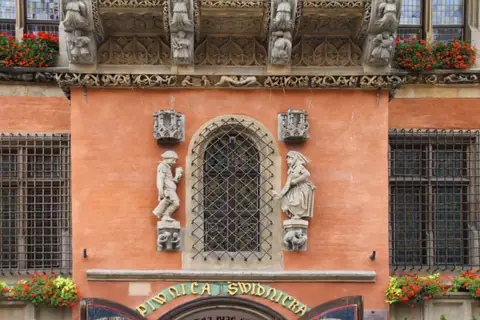
Wrocław spreads outwards from one of central Europe's grandest town squares, paved in cobblestones and framed by ornate merchant gables. The Gothic Old Town Hall dominates the south-eastern quadrant with intricate stone tracery. Pointed gables survived intense wartime destruction across the district. Narrow pedestrian lanes loop outwards from the central block, revealing hidden courtyards where small cafés and independent bookshops thrive. Taking time to trace these perimeter passages gives an immediate sense of the original medieval grid plan.
As you stroll along the stone lanes, small bronze figures appear on street corners, window ledges, and doorstep footings. These whimsical dwarf sculptures began as subtle anti-authoritarian political expressions during the late twentieth century. Today hundreds of distinct figures populate the pavements. They depict local bakers, scholars, firemen, and musicians engaged in quirky tasks. Spotting these miniature residents provides an entertaining thread connecting quiet residential courtyards to lively restaurant terraces across the core.
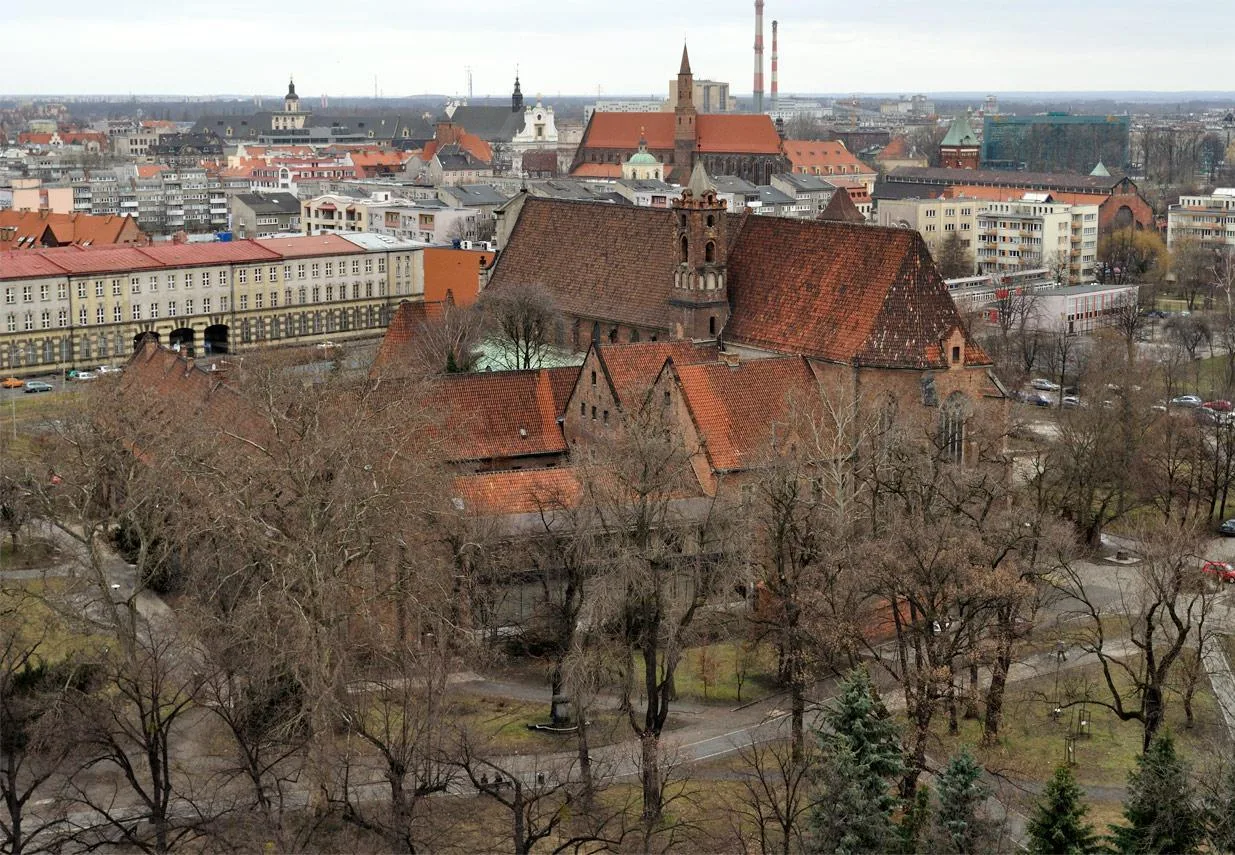
South of the main square, the streets soften into quiet lanes lined with former guildhouses and small parish churches. Saint Elizabeth Church rises directly north-west of the square. Its towering brick walls offer an austere counterpoint to colourful facade paintwork. Cobblestone walking remains comfortable throughout the central pedestrian zone, though sturdy footwear prevents fatigue across uneven historic stones. Moving between quiet side streets reveals bakeries serving fresh poppyseed pastries and rich sourdough loaves.
Odra Crossings and Cathedral Island
Leaving the commercial hub behind, our walk proceeds north towards the broad channels of the River Odra. Historic bridges tie together a chain of river islands that buffered early settlements against invasion and seasonal flooding. Walking northwards reveals broad river panoramas where rowers glide past weathered stone embankments and overhanging willows. You can cross cast-iron structures into tranquil green spaces that offer calm respite from urban road traffic.
Cathedral Island, known locally as Ostrów Tumski, forms the ancient spiritual cradle of the city beside the river channel. Gas street lamps line the quiet streets leading to the twin towers of the Cathedral of Saint John the Baptist. In the dusk hours, a traditional lamplighter in historic dress walks these stone alleys to light the glowing lanterns by hand. This deliberate ritual preserves an unhurried, quiet riverside ambience that contrasts with the brisk pace of modern shopping streets.
- Follow the pedestrian promenade beside the northern riverbank for uninterrupted views of church spires.
- Cross the iron spans into tranquil public gardens tucked quietly behind venerable monastery brick walls.
- Observe the evening lighting of heritage gas lamps along the cobbled lanes of Cathedral Island.
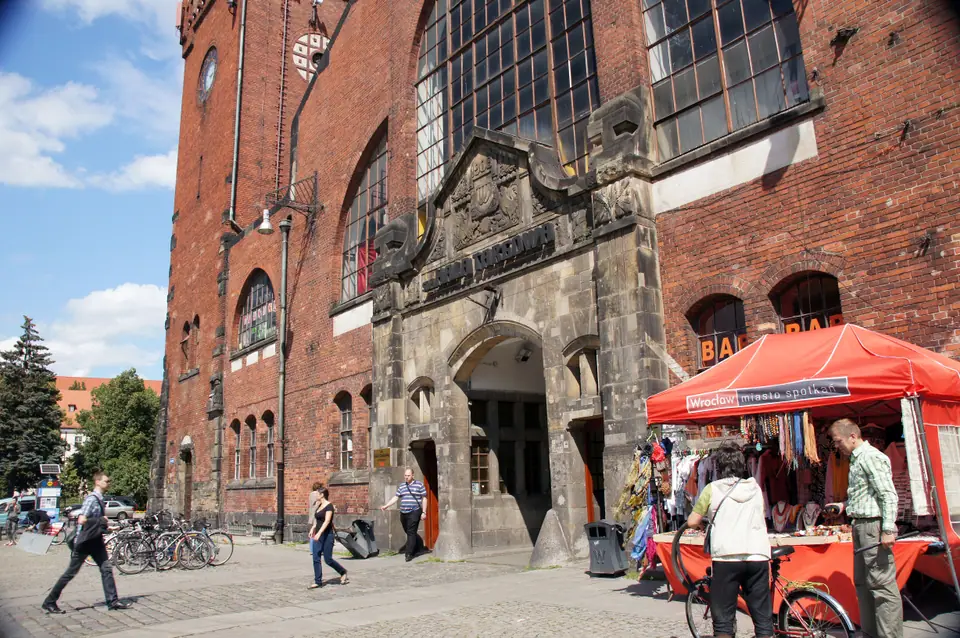
The nearby covered market hall stands as a bridge between active local trade and dramatic early twentieth-century engineering. Inside, massive parabolic concrete arches sweep upwards above traditional fruit stalls, butcher counters, and specialist flower vendors. Locals gather here every morning to purchase regional cheeses, pickled vegetables, and warm yeast pastries. The atmosphere inside the hall remains unhurried, offering authentic insight into daily Silesian food traditions and community life.
University Quarters and Baroque Splendour
West of the market hall, the magnificent main building of Wrocław University stretches along the southern embankment of the river. Founded in the eighteenth century, this grand educational complex reflects exquisite Habsburg baroque architecture with heavy stone portals and decorative cornices. The river promenade outside offers a lovely vantage point to view passing river barges against the university backdrop. Students sit along stone steps during sunny afternoons, discussing seminars while watching the gentle current flow past.
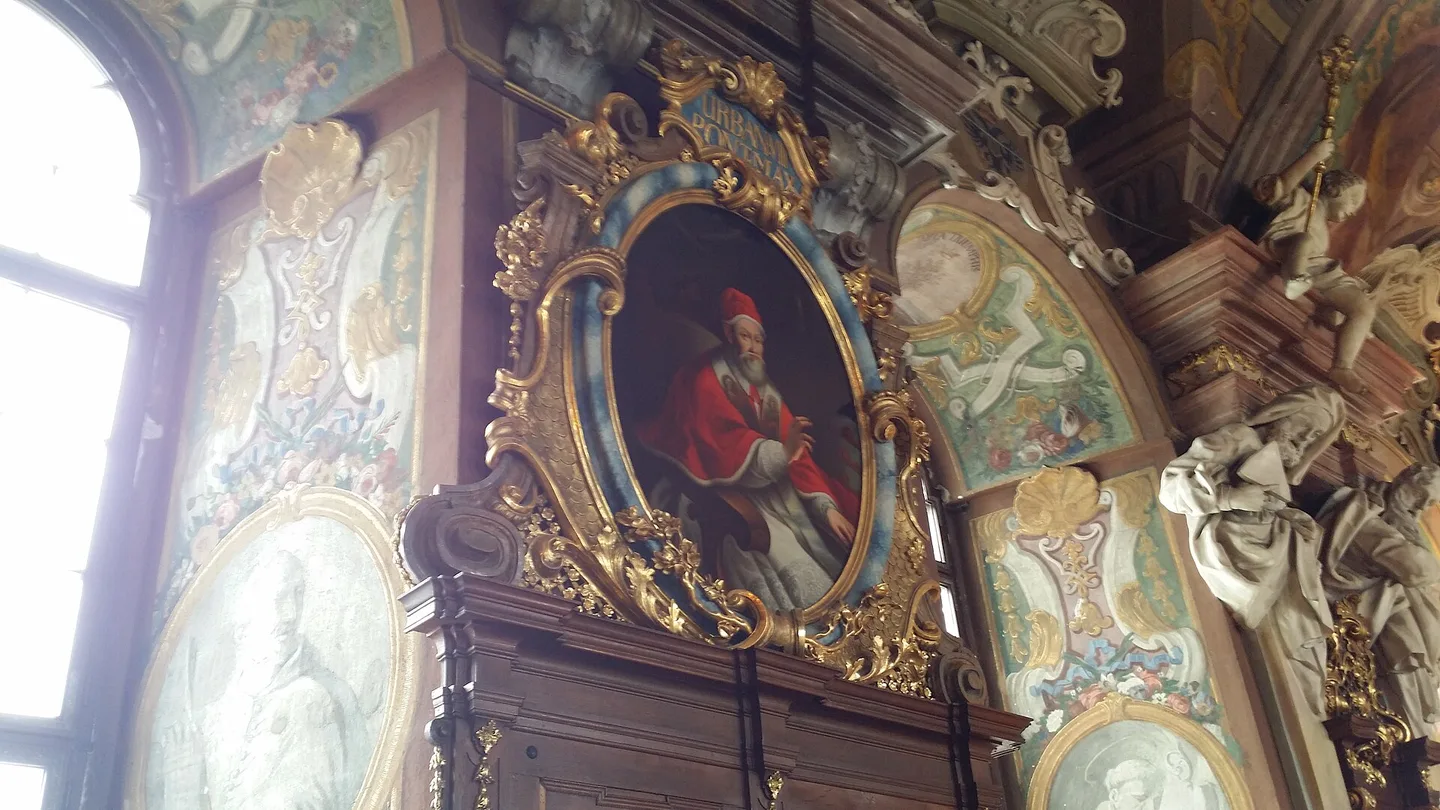
Inside the university complex, grand halls showcase elaborate ceiling frescoes, gilded plasterwork, and carved wooden benches crafted by master artisans. The grand ceremonial hall presents an astonishing display of imperial Austrian baroque styling, designed to project cultural authority and prestige. Stepping inside reveals dramatic acoustic qualities and light bouncing across polished parquet flooring and marble statuary. The surrounding academic quarter features second-hand bookshops, student diners, and quiet riverside beer gardens tucked beneath leafy chestnut trees.
| District Focus | Dominant Feature | Walking Character |
|---|---|---|
| Main Square | Old Town Hall and Gabled Facades | Lively pedestrianised stone alleys |
| Ostrów Tumski | Gothic Cathedral and Gas Lanterns | Tranquil riverside heritage quarter |
| University Enclave | Baroque Waterfront and Embankments | Leafy academic promenade with cafés |
| City Moat Belt | Park Promenades and Bastion Paths | Shaded tree-lined walking circuits |
Exploring these scholarly streets reveals charming lanes such as Ulica Więzienna, named after a former medieval municipal lockup. Today the old prison courtyard serves as a peaceful open-air restaurant courtyard sheltered from gusty river winds. Selecting suitable Wrocław central hotels nearby allows you to walk back easily after dining in these quiet courtyards. The combination of dynamic student energy and historic brick masonry gives the university quarter an inviting character.
Green Promenades and Heritage Enclaves
Circling the southern boundary of the Old Town, the leafy park promenade follows the historic trace of the city moat. This green belt replaced obsolete defensive ramparts with weeping willows, broad lawns, and shaded walking paths beside slow-moving water. Swans and mallards gather near pedestrian footbridges, while runners and families enjoy the traffic-free corridor away from vehicle noise. The paths give an effortless walking connection between western tram interchanges and eastern cultural venues.
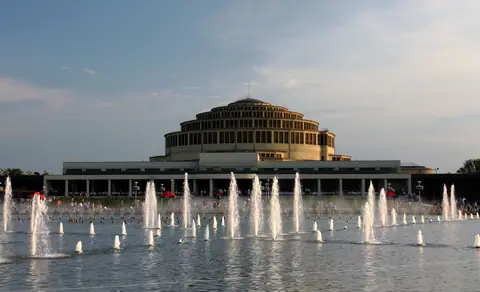
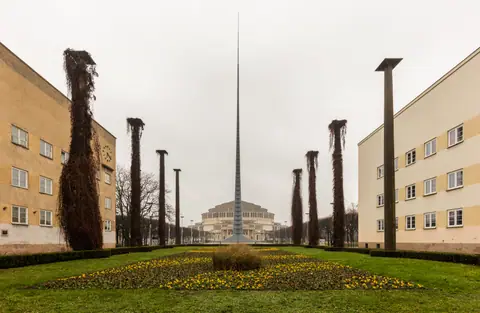
Major public monuments sit gracefully within this green ring, including grand opera theatres, historic bastions, and contemporary concert spaces. Checking practical Wrocław urban transport advice helps connect outer highlights like the monumental Hala Stulecia to your city centre walk. Nearby, the famous panorama rotunda houses an enormous circular canvas depicting national military heroism, surrounded by artificial terrain. The visual blend of painted sky and real soil creates a striking illusion of three-dimensional open countryside.
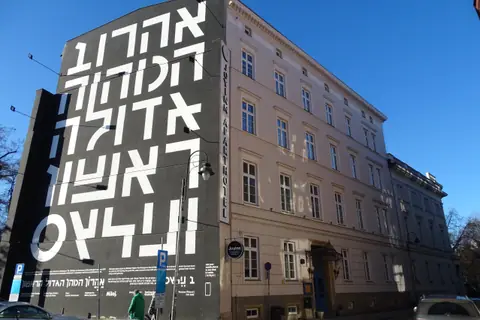
South-west of the centre, the Four Denominations District showcases historic coexistence between Catholic, Protestant, Orthodox, and Jewish communities within close quarters. Narrow passages link historic synagogues and churches to creative café courtyards filled with gallery spaces and music clubs. Pavement surfaces alternate between rustic cobblestones and smooth stone slabs, making evening walking an easy delight through illuminated passages. Visiting this district completes a rich journey through centuries of layered culture, architectural triumph, and resilient urban community life.
Official prices and opening hours
- Centennial Hall (Hala Stulecia) & Pergola FountainsOfficial site ↗
- Racławice Panorama (Panorama Racławicka)Official site ↗
Where it is
- 1Wrocław
- Copernicus Wrocław Airport (WRO) · about 11 km from Wrocław in a straight line
- Directions in Google Maps
Stations and taxi ranks: OpenStreetMap. Airports: OurAirports. Distances are in a straight line.
Traveller tips
Real advice from people who have been to Wrocław. Every tip is read by our team before it goes live.
No tips yet. Been here? Yours could be the first.
Thank you! Your tip will appear here after a quick review.
More in Wrocław
Continue exploring Wrocław with related neighbourhood, food, and planning guides