






Bosphorus Guide: Ferries, Cruises, and Views
The Bosphorus is a working strait rather than a decorative backdrop, and seeing Istanbul from the water gives a genuinely different sense of the city than any amount of walking on land.
Public ferries versus tourist cruises
Regular public ferries cross the Bosphorus constantly at a fraction of the cost of a dedicated tourist cruise, and riding one between the European and Asian sides covers the same water without the commentary and higher price of a organized tour.
The full Bosphorus tour
Longer sightseeing cruises run up the strait past waterfront palaces and fortresses, typically taking a couple of hours round trip — a reasonable option if you want the full route explained rather than figuring it out yourself from a public ferry schedule.
Sunset timing
Evening cruises timed around sunset are popular enough to book ahead in peak season, given how dramatically the light changes over the water.
A cheaper alternative
Simply riding the commuter ferry between Eminönü and Kadıköy costs very little and covers a solid stretch of the same water — a good option if the sightseeing cruise price doesn't fit your budget.
What you'll see along the way
Ottoman-era waterfront mansions (yalıs), the Rumeli and Anadolu fortresses, and the two suspension bridges connecting Europe and Asia all appear along a full-length cruise route.
Dolmabahçe Palace from the water
The 19th-century Ottoman palace along the European shore is one of the most impressive sights from any Bosphorus cruise, its baroque façade running directly along the waterline.
The two bridges
The Bosphorus and Fatih Sultan Mehmet bridges both connect Europe and Asia, and passing beneath either on a boat gives a genuine sense of scale that photos from land don't capture.
Choosing a cruise operator
Prices and quality vary considerably between operators — comparing a couple of options rather than booking the first one you see near the pier tends to pay off.
Photography from the water
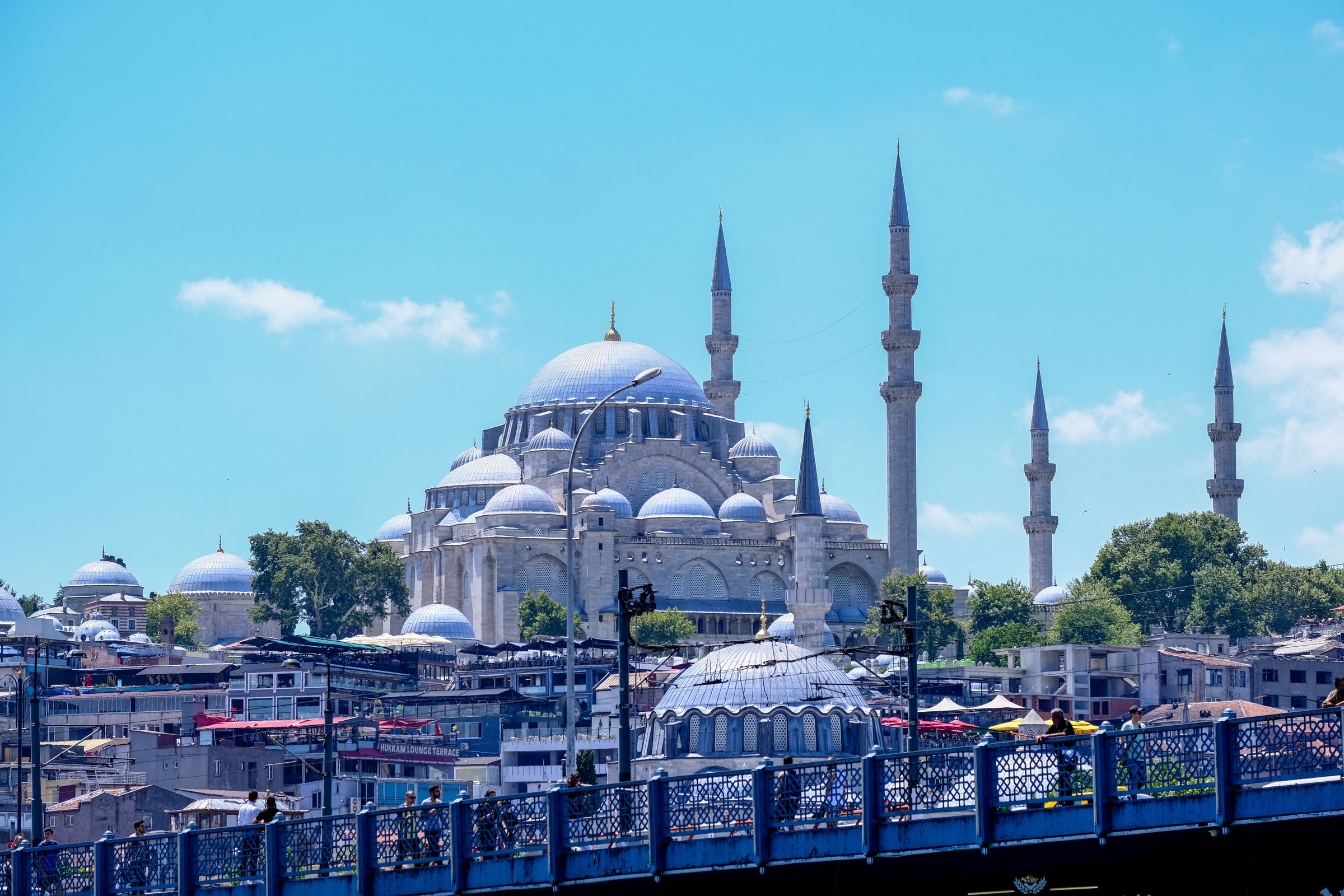
Late afternoon light tends to flatter the waterfront palaces and mosques best, particularly heading toward sunset on a westbound route.
Rush hour on the water
Commuter ferries get genuinely crowded during weekday rush hours — a midday or weekend crossing offers a calmer experience if the crowds themselves aren't part of what you want to see.
Which side to sit on
Northbound, the European (left) side generally offers better views of the palaces and fortresses; ask staff or check the route map before boarding if seating matters to you.
Whichever option you choose, keep a camera or phone charged — the light on the water changes constantly, and the best shot rarely comes when you expect it.