




Hagia Sophia Guide: Tickets, Hours, and What to Know
Hagia Sophia has served as a Byzantine cathedral, an Ottoman mosque, a secular museum, and — since July 2020 — a working mosque again, and its current visiting rules reflect that latest change directly.
Tickets and what they cover
Foreign visitors pay a separate entrance fee, generally around €25, for access to the upper gallery and its Byzantine mosaics, through a dedicated tourist entrance apart from the mosque's prayer entrance. This fee dates from 2024 and prices do shift, so check the official source before your visit. Istanbul's museum pass is not valid here.
Prayer-time closures
The tourist route closes briefly around Friday midday prayers and may adjust on other prayer times as well — worth building flexibility into your schedule if Hagia Sophia is a fixed stop on a tight day.
Dress code
As a working mosque, covered shoulders and knees apply, with women also covering their hair in the prayer areas — see our what-to-wear guide for details.
Best time to visit
Early morning or later in the evening avoids the heaviest tour group traffic, which builds noticeably through the middle of the day.
Photography rules
General photography is permitted in the visiting areas, though flash and tripods are generally discouraged given the setting and other visitors.
The building's layered history in more detail
Built in 537 AD as a Byzantine cathedral, converted to a mosque after the Ottoman conquest in 1453, secularized as a museum in 1935, and returned to mosque status in 2020 — each transition left physical traces still visible today, including Christian mosaics displayed alongside Islamic calligraphy.
What you'll actually see
The upper gallery route takes visitors past some of the best-preserved Byzantine mosaics, including the Deësis mosaic, while the building's massive dome remains one of the most significant achievements of Byzantine engineering.
Comparing it to the Blue Mosque nearby
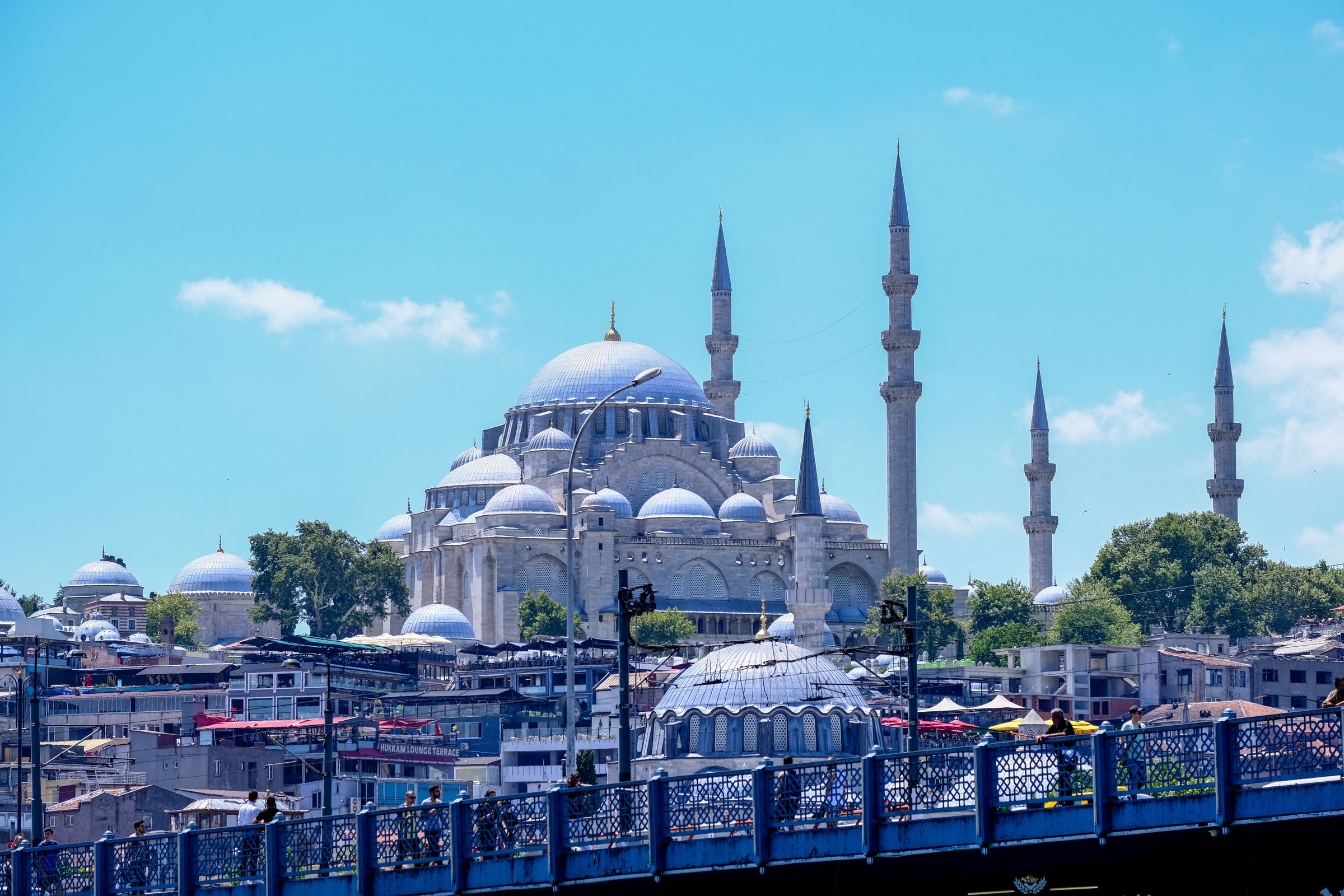
Visitors often tackle both on the same morning given their proximity — Hagia Sophia rewards more time given its layered history, while the Blue Mosque, still free, offers a quicker but equally striking stop.
Accessibility
Ramps and lifts have improved access in recent years, though the building's age means some sections remain harder to navigate for visitors with mobility limitations — worth checking current accessibility details if this affects your visit.
Visiting alongside the Blue Mosque and Topkapı
All three sit within a few minutes' walk of each other in Sultanahmet Square, making a single loop between them a practical way to structure a morning.
Guided versus self-guided visits
A guide can add meaningful context given the building's genuinely complex layered history, though the mosaics and architecture are also striking without one.