







Grand Bazaar Guide: How to Actually Shop There
The Grand Bazaar has operated continuously since the 1450s, and its scale — thousands of shops under one covered roof — can overwhelm first-time visitors who arrive without any sense of what they're looking for.
Bargaining is expected
Prices are rarely fixed, and negotiating is a normal, expected part of buying anything from carpets to jewelry — starting well below the asking price and meeting somewhere in the middle is standard practice, not rude.
What's actually worth buying
Turkish carpets and kilims, ceramics, jewelry, and Turkish delight are the classic purchases, though quality varies enormously between shops — a bit of comparison shopping before committing to a bigger purchase pays off.
Getting oriented
The bazaar's layout groups similar goods into sections, which helps once you recognize the pattern, though getting lost at least once is close to inevitable on a first visit.
Nearby: the Spice Bazaar
A smaller, separate market focused on spices, tea, and Turkish delight, worth combining with the Grand Bazaar on the same day given how close they sit to each other.
Opening hours
The bazaar closes on Sundays and typically shuts by early evening on other days — plan a morning or early afternoon visit rather than assuming it stays open into the evening.
A brief history
Built shortly after the Ottoman conquest of Constantinople in 1453, the bazaar grew into one of the largest covered markets in the world, and much of its core structure and layout survives from that original construction.
Avoiding common tourist traps
Aggressive touts near the entrances are common and best handled with a polite but firm decline — genuine shopkeepers deeper in the market tend to be considerably more relaxed about a browsing customer.
Payment and currency
Both card and cash are accepted in most shops, though cash sometimes strengthens your negotiating position — carrying some lira alongside a card gives flexibility either way.
Combining with nearby sights
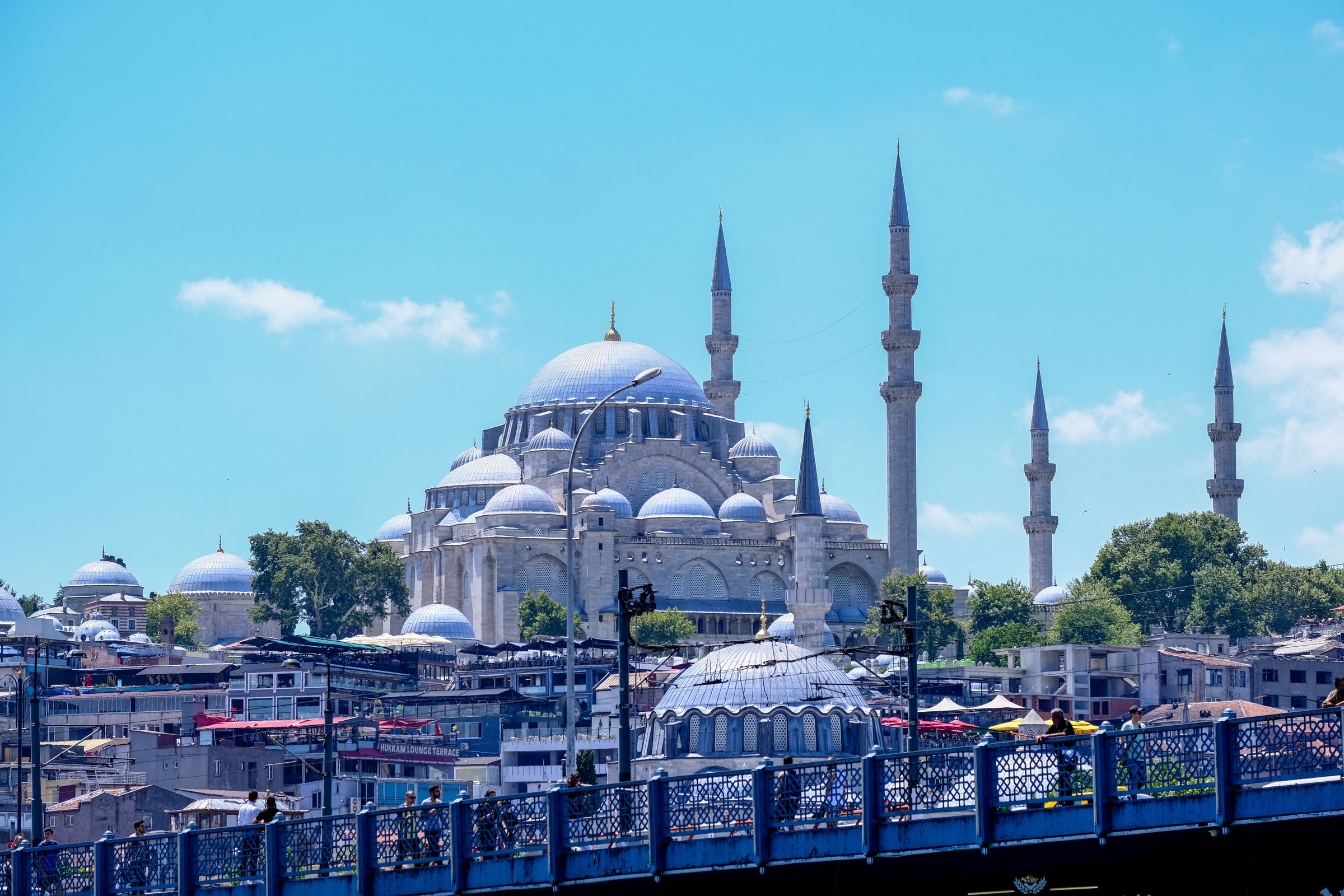
Süleymaniye Mosque and the Spice Bazaar both sit within easy walking distance, making a single extended outing from the Grand Bazaar through both a practical way to cover this part of the city.
The Egyptian Bazaar's origins
Also called the Spice Bazaar, this smaller neighboring market was originally funded by taxes on Egyptian trade goods, giving it its alternate name.
Carpet buying specifically
If a carpet purchase is a real goal, spending time comparing quality and construction across several shops before committing helps avoid overpaying for a lower-grade piece dressed up as premium.
Whatever you buy or don't, simply walking through slowly, without an agenda, is arguably the most authentic way to experience a market this old.