




Istanbul Travel Guide: What to Know Before You Go
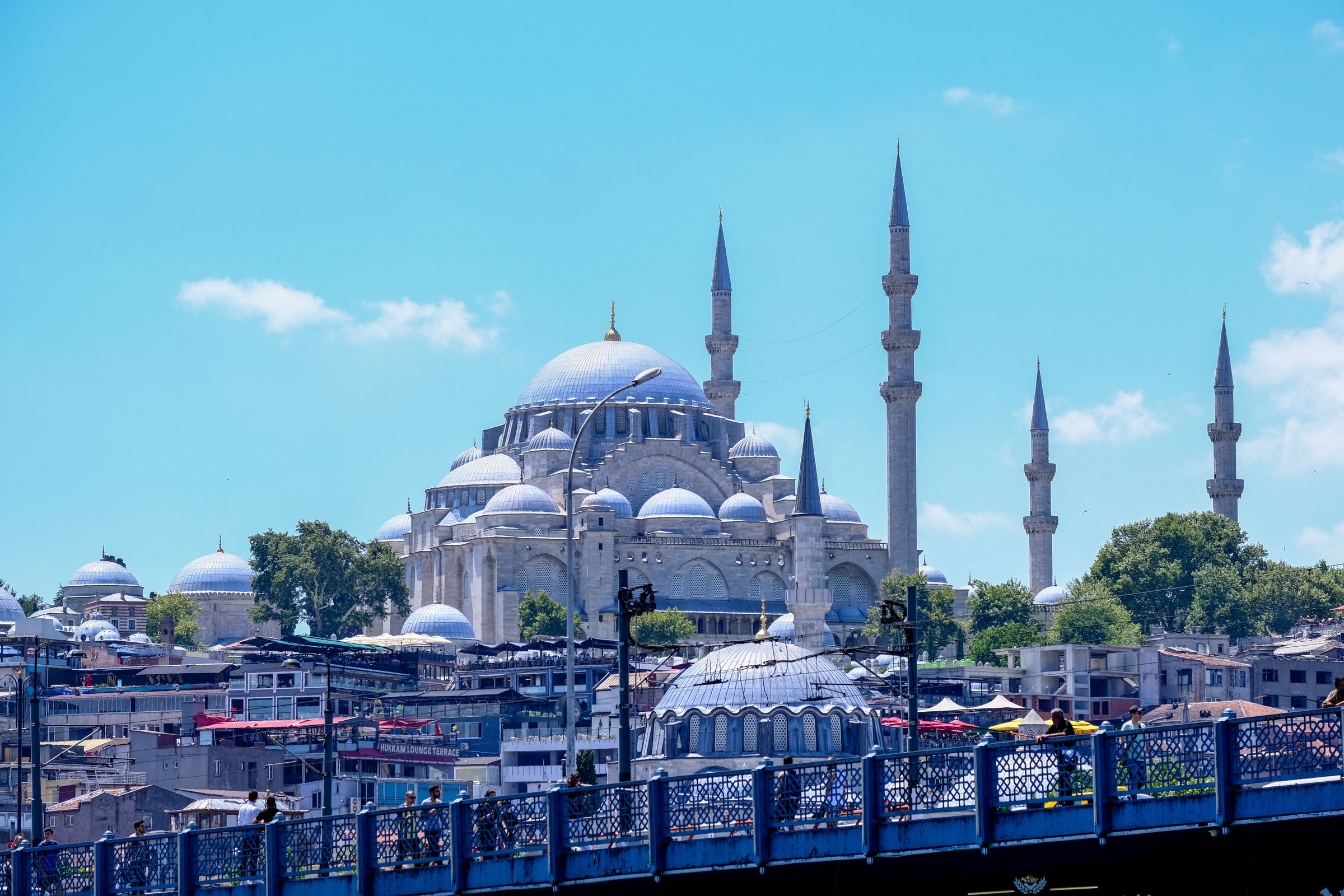
Istanbul is genuinely two cities in one, split by the Bosphorus into a European and an Asian side, and most visitors spend the bulk of their time on the European side without ever noticing what they're missing across the water.
How the city is laid out
Sultanahmet holds the historic core — Hagia Sophia, the Blue Mosque, Topkapı Palace — all within walking distance. Beyoğlu, across the Golden Horn, is the modern center for restaurants and nightlife. Kadıköy, on the Asian side, offers a more local, less touristed version of the same city.
Is Istanbul walkable?
Within Sultanahmet, yes. Between neighborhoods, the metro, tram, and ferry network does most of the work — a ferry across the Bosphorus is worth taking for the views alone, not just as transport.
Booking ahead matters here too
Hagia Sophia's tourist entrance and Topkapı Palace both get long queues in peak season — arriving early or booking a skip-the-line option saves real time.
How much does a trip to Istanbul cost?
Istanbul runs affordable by European capital standards, though currency fluctuations mean it's worth checking current exchange rates close to your trip rather than assuming last year's prices.
Language and money
English is common in tourist areas and major hotels, less so in local neighborhoods. Turkey uses the lira, and card payment is widely accepted, though carrying some cash helps for the Grand Bazaar and smaller vendors.
Given how much ground the historic core alone covers, resist the urge to add a fourth or fifth neighborhood to a short trip — depth over breadth tends to work better here.
A note on tipping
Rounding up or leaving 5-10% is customary at restaurants, though not strictly obligatory — service charges aren't automatically added the way they might be elsewhere.
Currency and cash
The Turkish lira has seen significant fluctuation in recent years, which actually works in most foreign visitors' favor for day-to-day costs — checking a current exchange rate close to your trip is worth doing regardless.
Language basics
A few Turkish words — merhaba (hello), teşekkürler (thank you), lütfen (please) — go a long way and are genuinely appreciated, even though English covers most tourist interactions in the historic center.
Connectivity
Istanbul runs on 230V with the standard European two-pin plug, and tap water is generally treated as safe in the city center, though many visitors and locals alike stick to bottled water out of habit.
Time zone and daylight
Istanbul runs on a single national time zone across the whole country, and summer days offer noticeably longer daylight for sightseeing than winter's shorter afternoons.