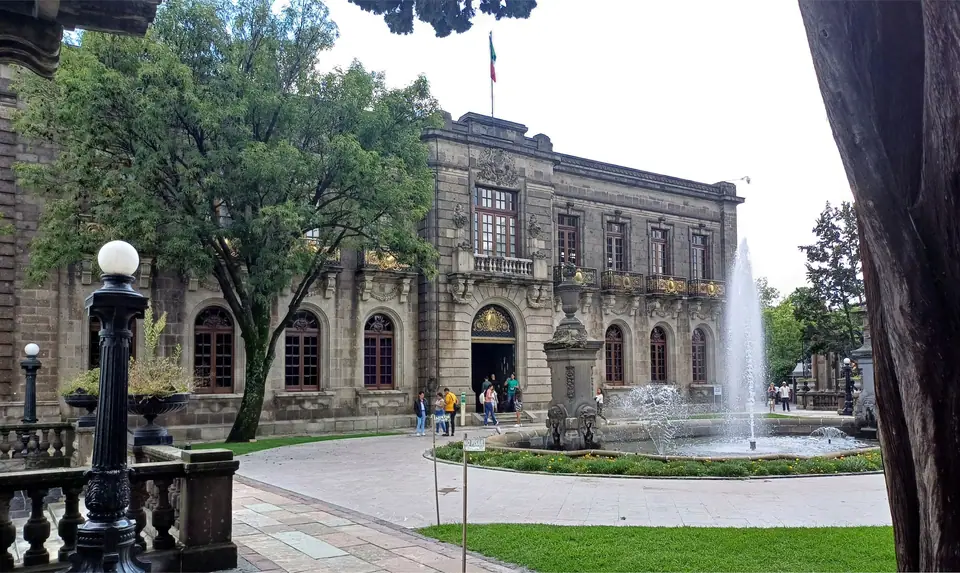
Photo: José Luiz · CC BY-SA 4.0
Chapultepec Park, Chapultepec Castle and the National Museum of Anthropology
We explore Chapultepec Park, Chapultepec Castle, and the National Museum of Anthropology through practical route sequences and urban walking connections.
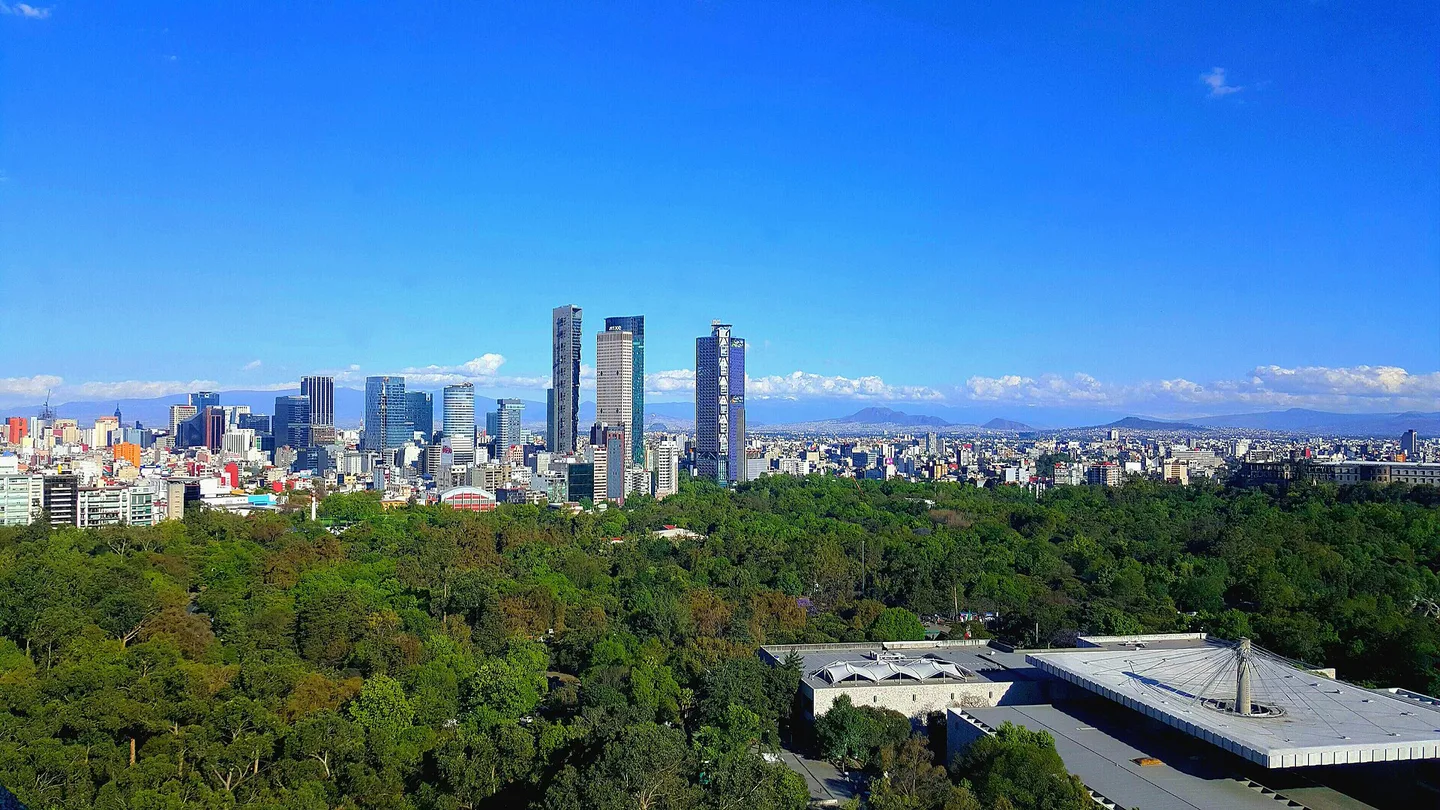
Chapultepec Park forms the central green sanctuary of the capital. It spreads across multiple sections that blend deep national history with leafy recreational grounds. Walking into the first section from Paseo de la Reforma brings an immediate shift in pace away from heavy boulevard traffic. Shaded avenues lined with mature ahuehuete trees lead walkers towards the prominent volcanic rise crowned by Chapultepec Castle. Cobbled pedestrian paths slope gently upwards, offering elevated outlooks across the surrounding tree canopy and the modern towers of the western districts. Starting an exploration here in the early morning offers cool woodland air and calm stone terraces before regional school groups arrive.
Navigating the First Section and Castle Ascents
The winding ascent to Chapultepec Castle follows broad paved curves. Engineers designed these slopes to handle steady foot traffic without steep steps. As you climb, open clearings reveal broad views over the lower ornamental lakes. Local families hire rowboats on these calm waters during sunny weekends. At the hilltop, the historic fortress houses the National Museum of History. The former imperial residence retains gilded reception salons, stained-glass galleries overlooking the valley, and clipped formal terrace gardens. Standing along the balustrades, we can observe the dramatic contrast between manicured nineteenth-century European architecture and modern high-rises along Paseo de la Reforma. The gentle downward stroll returns visitors to the main forest avenues without physical strain.
Leaving the castle base, the path leads northwards across the park towards the wide cultural corridor that borders Polanco. Street vendors line designated forest paths, piling clear cups with sliced mango and papaya tossed in lime juice and ground chilli. Passing through the shaded groves allows travellers to pause away from the midday sun before entering the larger museum complexes. These central walking arteries maintain clear signposts pointing towards major cultural monuments, lakeside cafes, and botanical displays. Careful walkers keep to paved trails to protect the delicate root networks of centuries-old trees.
The park also contains several historic monuments dedicated to national heroes and pivotal events. Small stone fountains and quiet glades sit tucked behind the main thoroughfares, giving visitors tranquil spots to sit beneath the dense tree canopy. Birdwatchers frequently spot local hummingbirds and songbirds among the flowering shrubs that line the pedestrian trails. Keeping a steady pace along these paths makes it easy to transition between historical monuments and natural groves without feeling rushed.
Curating Time Across the Anthropology Galleries
Directly across the boulevard sits the National Museum of Anthropology. It stands as one of the most remarkable architectural and cultural complexes in the Americas. Entering through the monumental stone vestibule reveals the vast interior courtyard. A massive single-column fountain structure supports an immense concrete umbrella canopy. Water cascades down the carved bronze column into a sunken stone pond. This waterfall creates a refreshing acoustic buffer that shields visitors from city noise. Ground-floor halls encircle this courtyard in chronological order. They document pre-Columbian civilisations from early Mesoamerican settlements through the rise of major highland empires.
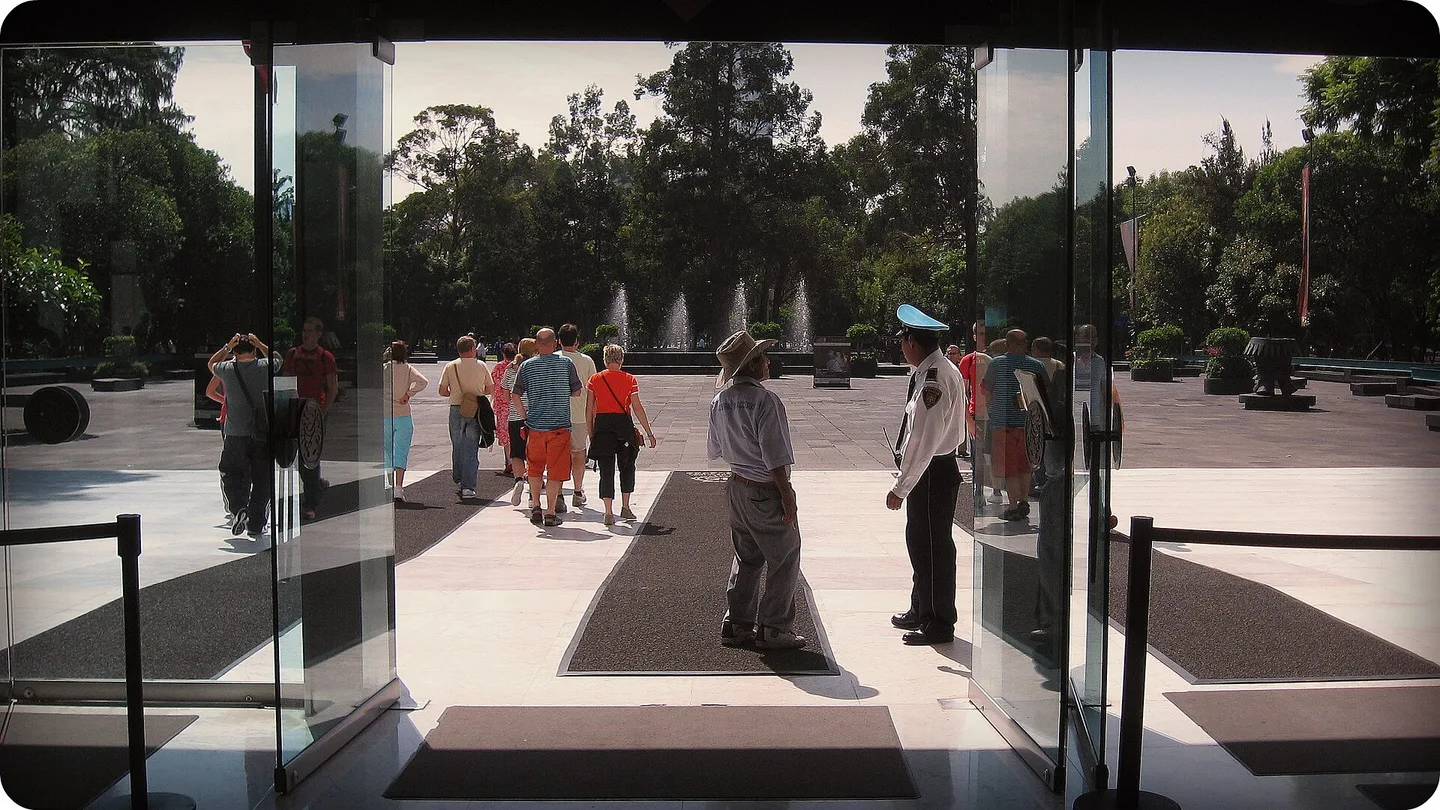
Exploring every hall in a single visit easily leads to sensory fatigue. Selecting focused wings creates a far more rewarding experience for curious travellers. The central Mexica hall commands the western end of the courtyard. It houses monumental stone carvings, sacrificial altars, and intricate scale models of ancient island cities. Flanking galleries showcase Maya ceremonial stele, delicate jade funeral masks, and towering basalt heads sculpted by Olmec artisans along the Gulf Coast. Upper-level exhibitions present ethnographic insight into surviving indigenous communities across modern Mexico. These galleries feature traditional handwoven textiles, wooden looms, and ceremonial instruments. Courtyard benches offer peaceful spots to rest weary legs between gallery visits.
The outdoor sculpture gardens adjacent to the ground-floor galleries showcase reconstructed temple platforms and native flora. Stepping out into these garden extensions allows fresh air to break up long periods of indoor museum walking. Information plaques describe the architectural context of the stone monuments in clear detail. Visitors interested in pre-Columbian engineering can observe how ancient builders integrated carved stone drainpipes and plaster floors into their ceremonial plazas.
Key Sites and Recommended Sequence
Balancing these vast cultural institutions requires a structured approach to walking distances and daylight hours. We recommend pairing the morning castle climb with a relaxed afternoon among the museum halls, stopping for lunch along the park perimeter.
| Site | Primary Focus | Walking Terrain |
|---|---|---|
| Chapultepec Castle | Historic imperial residence and panoramic city terraces | Paved upward hill path and flat stone courtyards |
| Anthropology Courtyard | Central umbrella fountain and monumental architecture | Flat polished stone walkways and outdoor open plazas |
| Mexica & Maya Halls | Pre-Columbian stone monuments and ceremonial artifacts | Indoor level museum galleries with timber and stone floors |
| Park Forest Avenues | Century-old ahuehuete trees and shaded pedestrian paths | Gently undulating asphalt and packed dirt avenues |
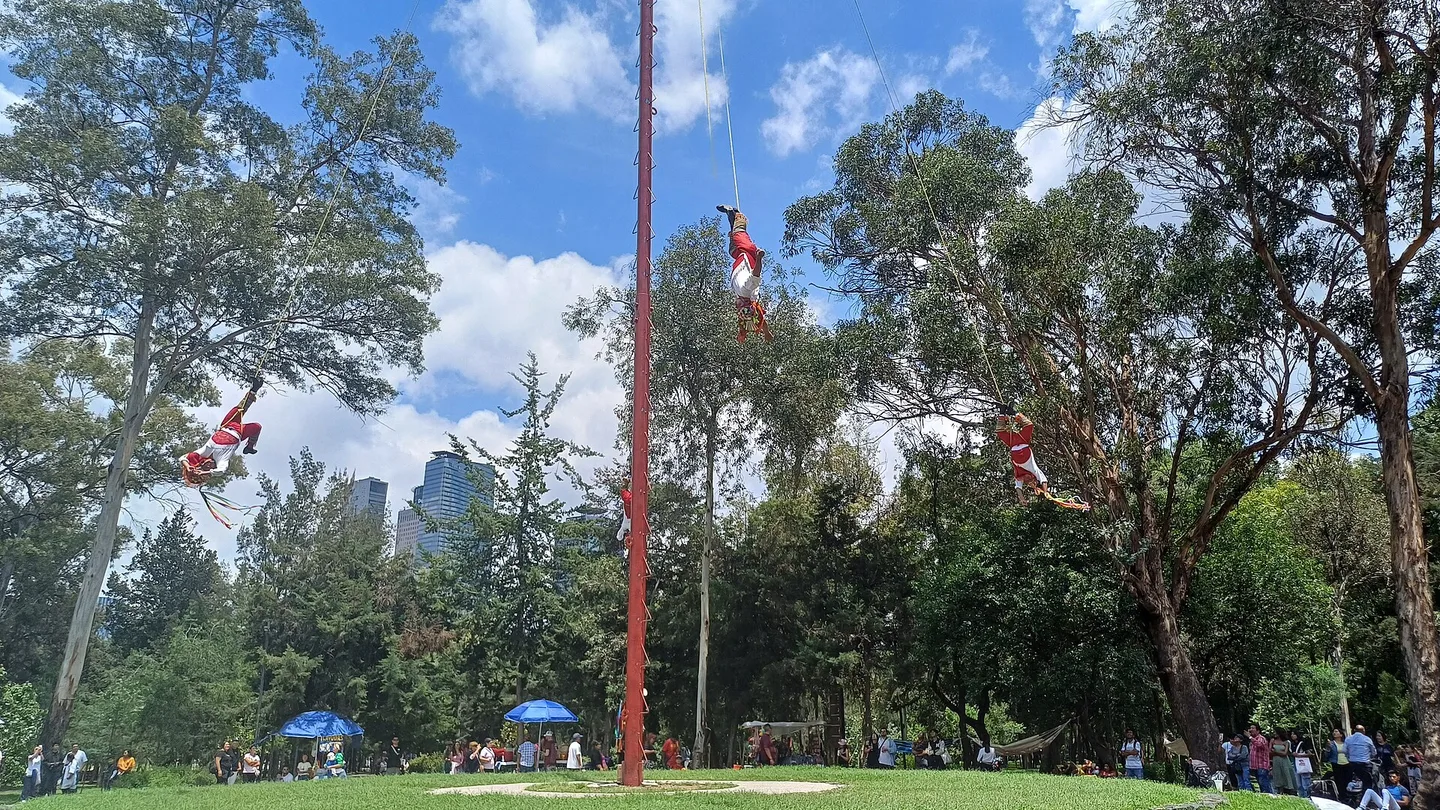
Outside the museum gates, visitors often gather around the tall ceremonial pole to observe the traditional Totonac aerial performance known as the Voladores. Four flyers descend smoothly by coiled ropes from the summit while a central musician plays an ancient tune on a wooden pipe and drum. This ritual display offers a vivid sensory connection between the preserved archaeological treasures inside the halls and the living traditions of regional communities. Observers can pause along the stone benches under the trees to watch the full performance before walking on.
Woodland Pathways and Transit Connections
Connecting between the park landmarks and wider urban districts proves simple thanks to straightforward pedestrian underpasses and broad pavements. Following the northern perimeter gates brings you directly into the quiet residential streets of Polanco, known for shady cafes and celebrated dining rooms. Airport coach connections and metro feeder buses sit under Mexico City airport and intercity rail links for onward urban routes. Walking along Paseo de la Reforma leads towards cultural monuments and open plazas that define the character of central Mexico City neighbourhoods. Combining woodland relaxation with museum study creates a clear introduction to the heritage of the capital.
Official prices and opening hours
- Museo Nacional de Antropología (Chapultepec)Official site ↗
- Museo Frida Kahlo (Casa Azul, Coyoacán)Official site ↗
Where it is
- 1Chapultepec Park, Chapultepec Castle and the National Museum of Anthropology
- Mexico City Benito Juárez International Airport (MEX) · about 12 km from here in a straight line
- Directions in Google Maps
Stations and taxi ranks: OpenStreetMap. Airports: OurAirports. Distances are in a straight line.
Traveller tips
Real advice from people who have been to Mexico City. Every tip is read by our team before it goes live.
No tips yet. Been here? Yours could be the first.
Thank you! Your tip will appear here after a quick review.
More in Mexico City
Continue exploring Mexico City with related neighbourhood, food, and planning guides
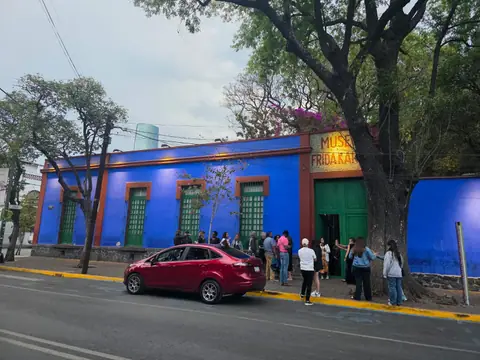
Coyoacán, Frida Kahlo Museum and San Ángel Guide
Mexico City, Mexico
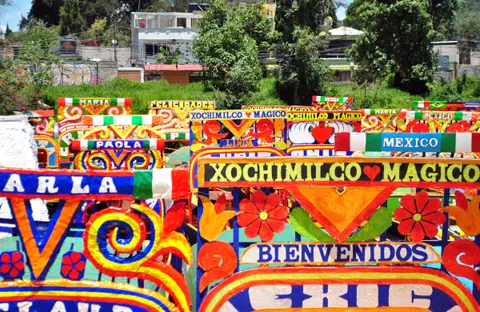
Xochimilco Canals and Chinampas: A Practical Guide to Mexico City's Waterways
Mexico City, Mexico
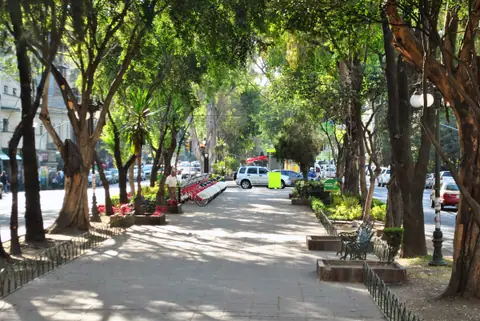
Roma Norte and Condesa Guide: Art Deco Parks, Porfirian Plazas and Café Streets
Mexico City, Mexico
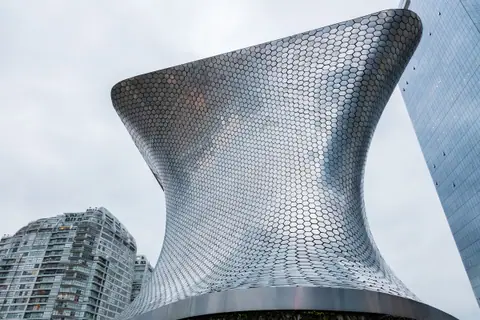
Polanco, Museo Soumaya and Museo Jumex: Modern Art and Tree-Lined Avenues
Mexico City, Mexico
