Photo: ProtoplasmaKid · CC BY-SA 4.0
Top Sights Across Mexico City: Ancient Ruins, Murals and Canals
Ancient temple foundations, landmark public murals, sprawling urban parks, and southern floating gardens fill the Mexican capital.
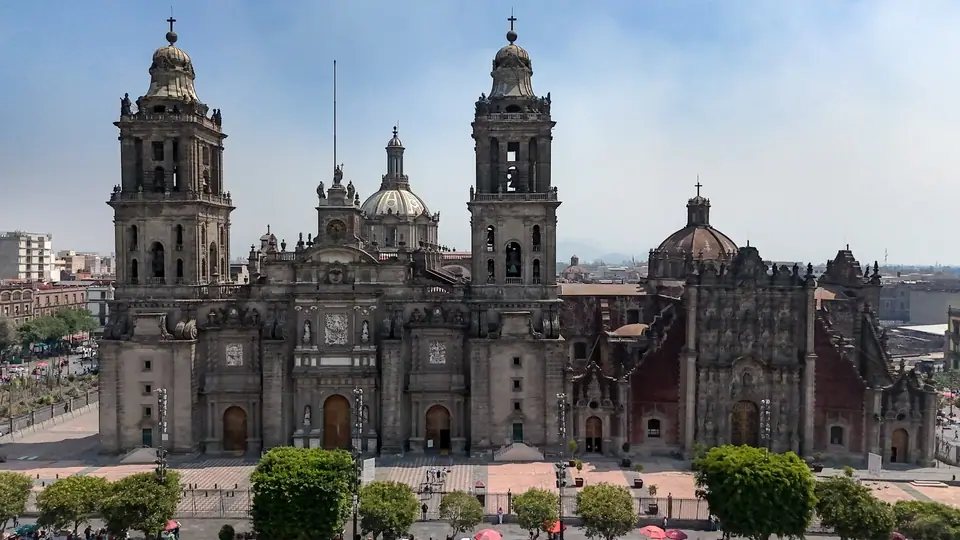
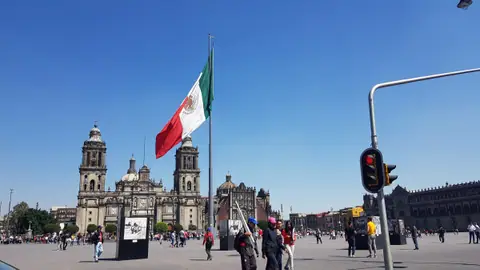
Standing in the grand central square of the Zócalo, we encounter layers of imperial and modern heritage. The vast plaza borders the twin bell towers of the Metropolitan Cathedral, resting on uneven ground that shifts gradually above ancient lakebed clays. Beside the cathedral steps, archaeologists uncovered the stone layers of the Aztec Templo Mayor, revealing carved serpent heads, stone brazier altars, and stepped stucco pyramid facades. Walk slowly through the elevated boardwalks above these excavated stone walls early in the morning when mountain sunshine illuminates the carved reliefs.
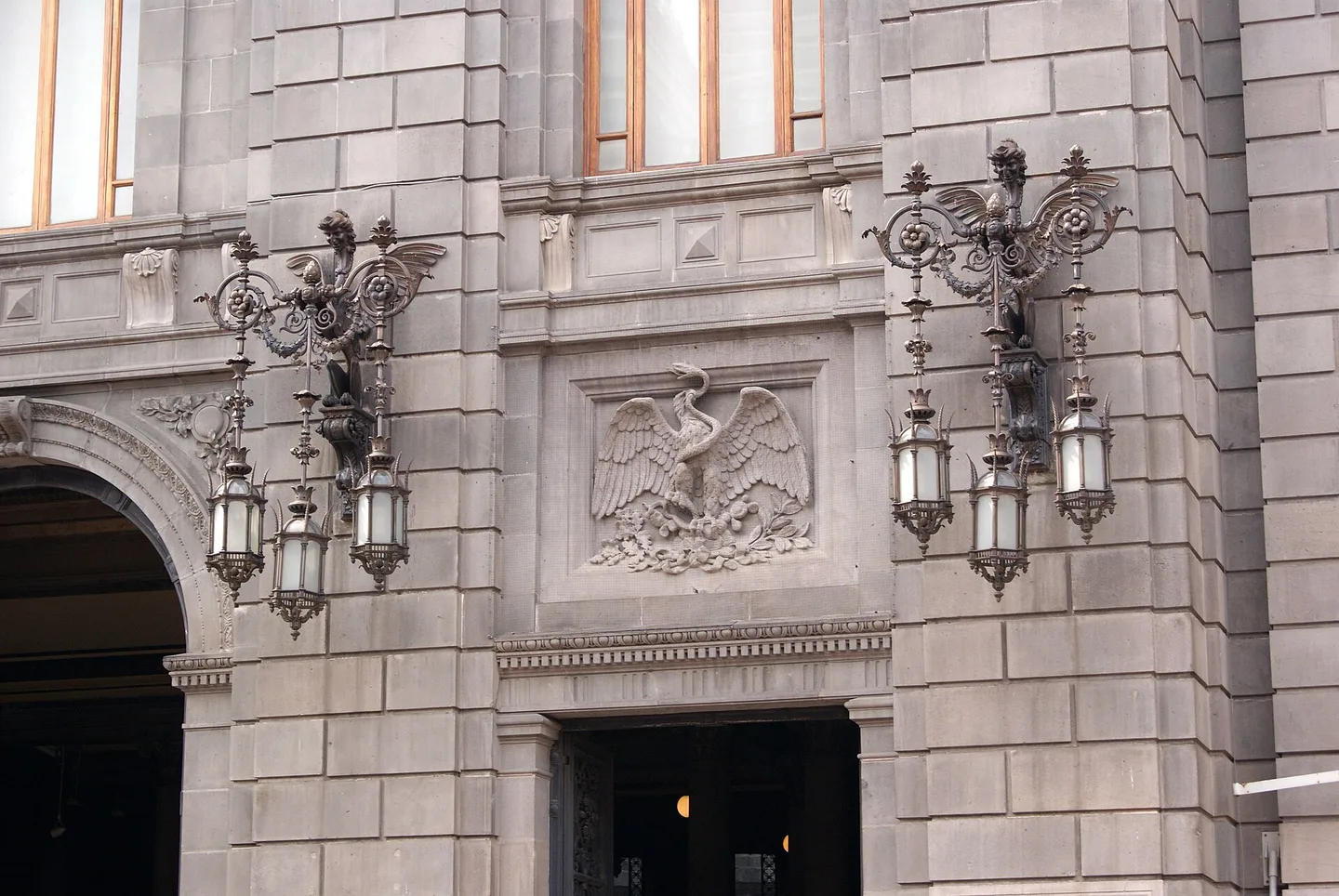
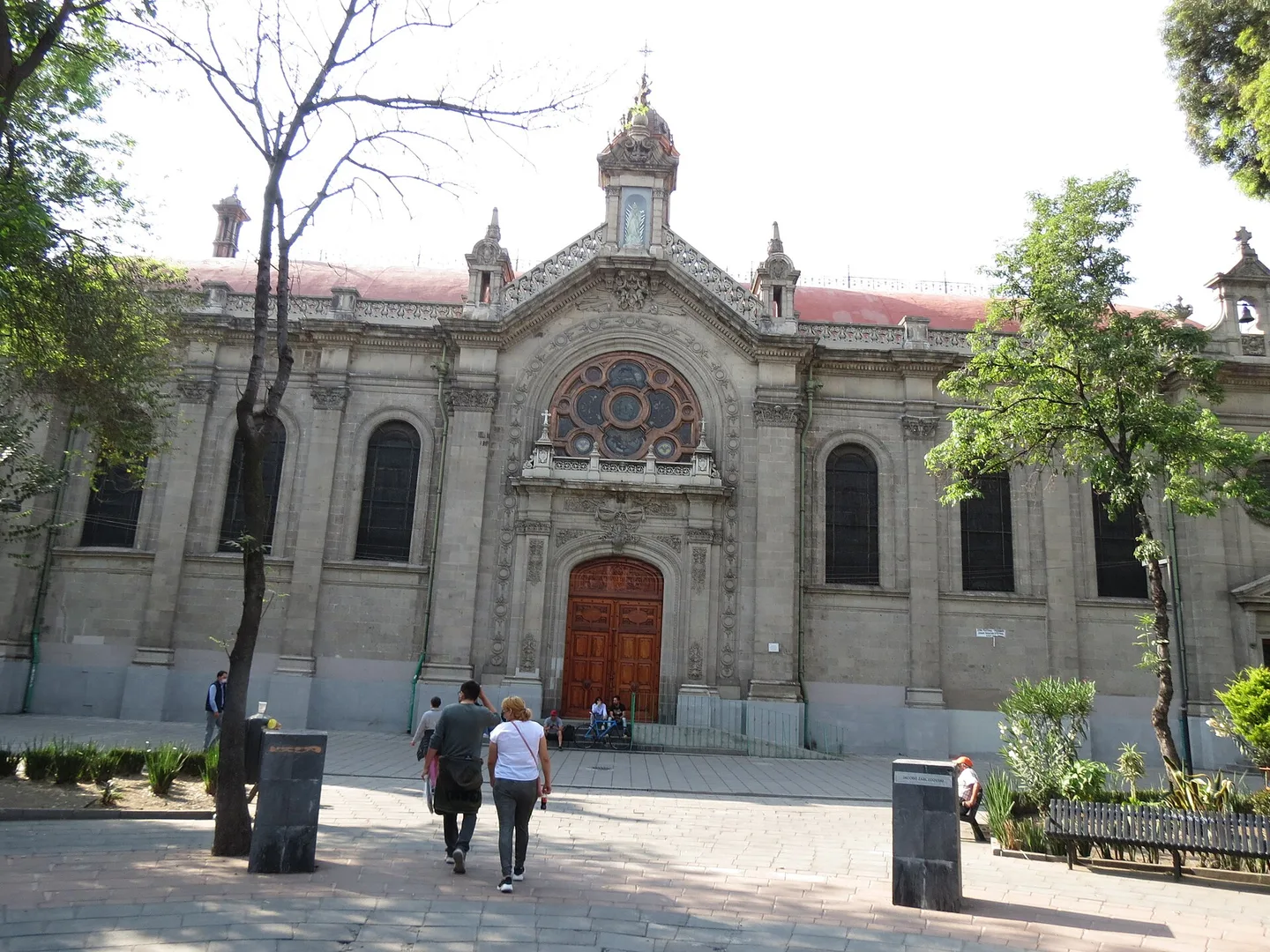
A short walk east leads past arcaded colonial courtyards and government halls lined with sweeping historical frescos painted by twentieth-century muralists. Carved volcanic stone archways shield quiet courtyard fountains from street traffic outside. Selecting comfortable lodging through neighbourhoods for every travel style helps position you within walking distance of these central lanes before traffic peaks. Metro stations Zócalo and Allende give immediate access to these pedestrian corridors, allowing straightforward transfers across lines. Stepping into the shaded naves of local churches reveals gilded woodwork surviving from earlier centuries of civic expansion.
Palaces and Landmark Art Around the Alameda
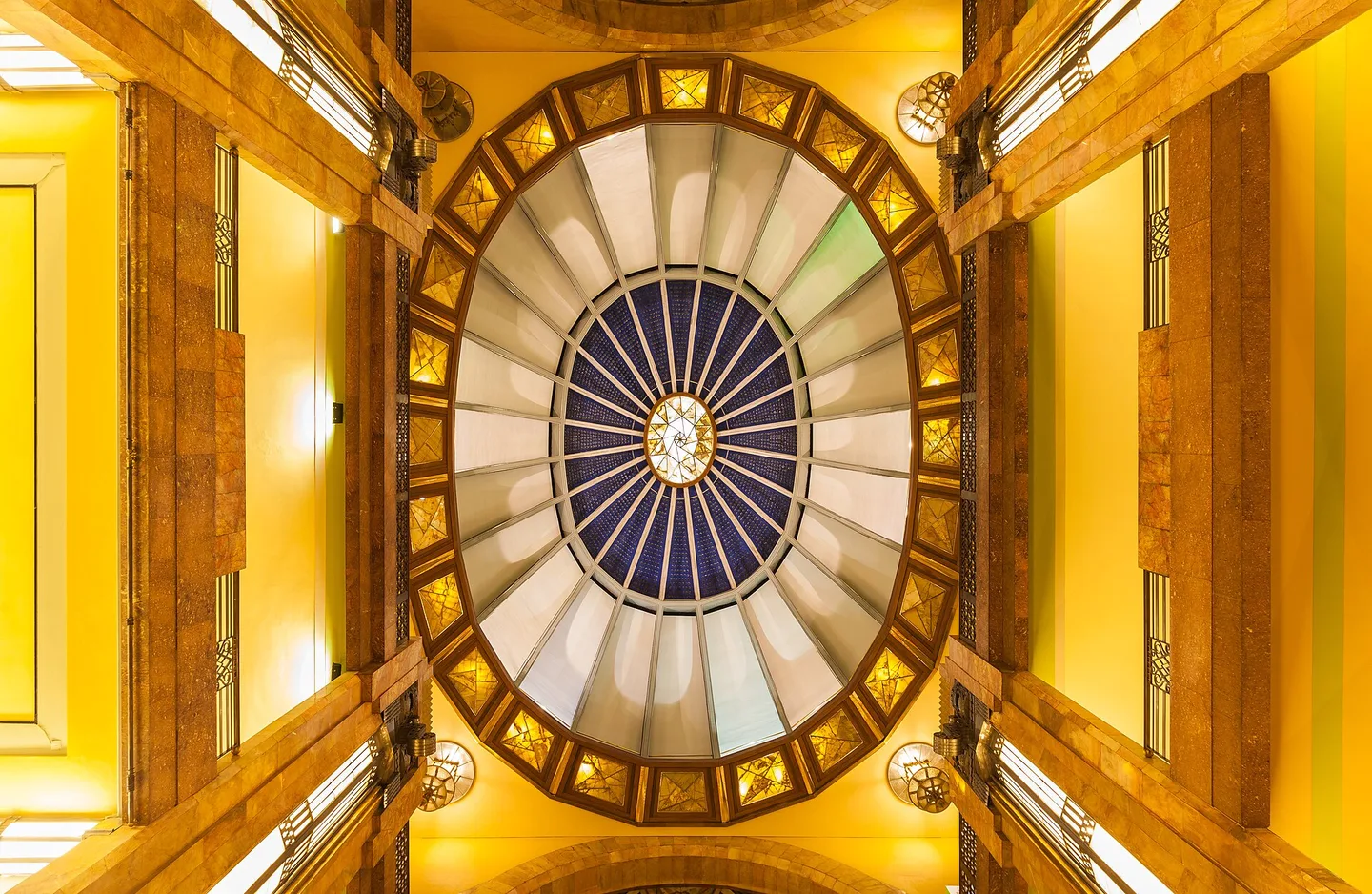
Walking west along Calle Madero, pedestrian lanes flow directly toward the leafy canopy of Alameda Central. The white marble facade of the Palacio de Bellas Artes rises at the park edge, crowned by its yellow and orange glazed ceramic dome. Inside, visitors encounter dramatic multi-storey murals created by Diego Rivera, José Clemente Orozco, and David Alfaro Siqueiros alongside monumental concert staircases. The building interior features soaring Art Deco arches, bronze light fixtures, and stylised Mayan motifs embedded cleanly into polished stone balustrades.
Across the surrounding streets, glazed blue-and-white tile facades and historic trade arcades reveal quiet courtyards steps off busy retail lanes. Orient your walk cleanly around downtown districts and metro interchanges before crossing the main street markets. Across the intersection, the Postal Palace houses gleaming Italianate marble halls and bronze staircases built during early twentieth-century civic works. Paved paths through Alameda Central offer shaded benches beneath mature ash and jacaranda trees between museum visits.
Green Sanctuaries and Anthropology in Chapultepec
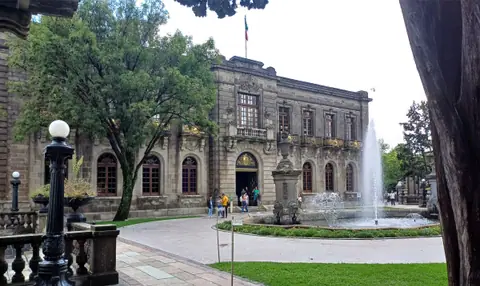
The expansive urban forest of Bosque de Chapultepec spans wooded hills, quiet botanical trails, and boating lakes west of Paseo de la Reforma. Winding stone footpaths ascend to Chapultepec Castle, whose stone terraces overlook tree canopies and long city avenues stretching south. Lower woodland avenues hold celebrated cultural institutions, anchored by the vast National Museum of Anthropology and modern art wings. Shaded lawns nearby fill with families, weekend musicians, and runners enjoying clean morning mountain air.
Inside the anthropology museum, spacious galleries surround an open courtyard anchored by a monumental carved stone column pouring a bright curtain of falling rain water across the central stone basin. Focusing on four core rooms keeps a half-day museum circuit fresh without exhausting your legs on long marble staircases:
- The central Mexica Hall displaying the monumental Sun Stone and basalt serpent sculptures
- The Maya Hall showcasing intricate stucco funerary masks and reconstructed jade burial offerings
- The upper ethnography galleries exhibiting regional woven textiles, ceremonial masks, and rural craft traditions
- The outdoor garden walkways containing full-scale stone replicas of ancient jungle temples and stelae
Southern Waterways and Bohemian Quarters
Further south, the cobblestone alleys of Coyoacán feel far removed from the wide commercial avenues downtown. Centred on twin tree-lined plazas framed by colonial arcades, this southern quarter keeps the unhurried rhythm of an old village. Behind vivid cobalt walls on quiet Londres Street, the Museo Frida Kahlo preserves the artist's sunlit painting studio, folk pottery shelves, and leafy courtyard gardens. Nearby cafes along Centenario Plaza roast regional coffee beans and fry crisp cinnamon-dusted churros throughout warm afternoons.
Continuing south toward the canal network of Xochimilco reaches the last surviving waterways of the pre-Hispanic lake basin. Brightly painted flat-bottomed wooden trajineras pole passengers past working chinampas, raised agricultural plots framed by tall ahuejote willows. Floating kitchen boats glide alongside to hand across warm maize quesadillas and grilled ears of corn while brass trios tune guitars on nearby punts. Boarding directly at official public embarcaderos opens a direct view into irrigated farming systems that sustained the ancient valley for centuries.
Official prices and opening hours
- Museo Nacional de Antropología (Chapultepec)Official site ↗
- Museo Frida Kahlo (Casa Azul, Coyoacán)Official site ↗
Where it is
- 1Mexico City
- Mexico City Benito Juárez International Airport (MEX) · about 7 km from Mexico City in a straight line
- Directions in Google Maps
Stations and taxi ranks: OpenStreetMap. Airports: OurAirports. Distances are in a straight line.
Traveller tips
Real advice from people who have been to Mexico City. Every tip is read by our team before it goes live.
No tips yet. Been here? Yours could be the first.
Thank you! Your tip will appear here after a quick review.
More in Mexico City
Continue exploring Mexico City with related neighbourhood, food, and planning guides

What to Eat in Mexico City: Essential Dishes and Street Feasts
Mexico City, Mexico
Getting Around Mexico City by Metro, Metrobús, and Cablebús
Mexico City, Mexico
Zócalo and Centro Histórico: Aztec Foundations and Colonial Grandeur
Mexico City, Mexico
Chapultepec Park, Chapultepec Castle and the National Museum of Anthropology
Mexico City, Mexico
