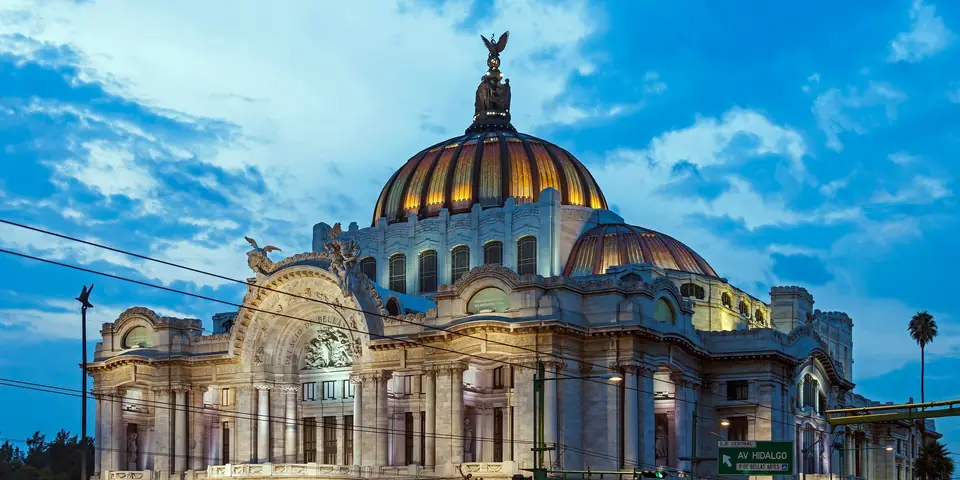
Photo: Daniel Case · CC BY-SA 4.0
Mexico City
Mexico City pairs ancient Aztec foundations with famous art museums, leafy residential avenues, efficient metro transit, and exceptional street food culture.
Quick decisions
How many days?
Plan at least four full days to balance central historical sites with leafy southern quarters without rushing across long transit lines.
Where should I stay?
Choose leafy Roma Norte or Condesa for walkable parks and quiet cafes, or base yourself in Polanco for upscale dining.
Do I need a car?
Never rent a private car for central travel, because dense road traffic and complex one-way systems make local driving exceptionally stressful.
Best for
Independent travellers focused on pre-Columbian archaeology, modernist architecture, famous muralist art, and diverse culinary traditions across historic districts.
Before you go
Secure advance online entry for high-demand museum venues and carry small paper cash denominations for public transport cards and market stalls.
Getting around
Use the integrated contactless travel card across the extensive underground metro and Metrobús transit corridors to bypass congested road corridors.
Continue your trip
Extend your Mexican journey southward towards regional heritage capitals, checking domestic intercity coach connections or scheduled domestic flights.
Overview
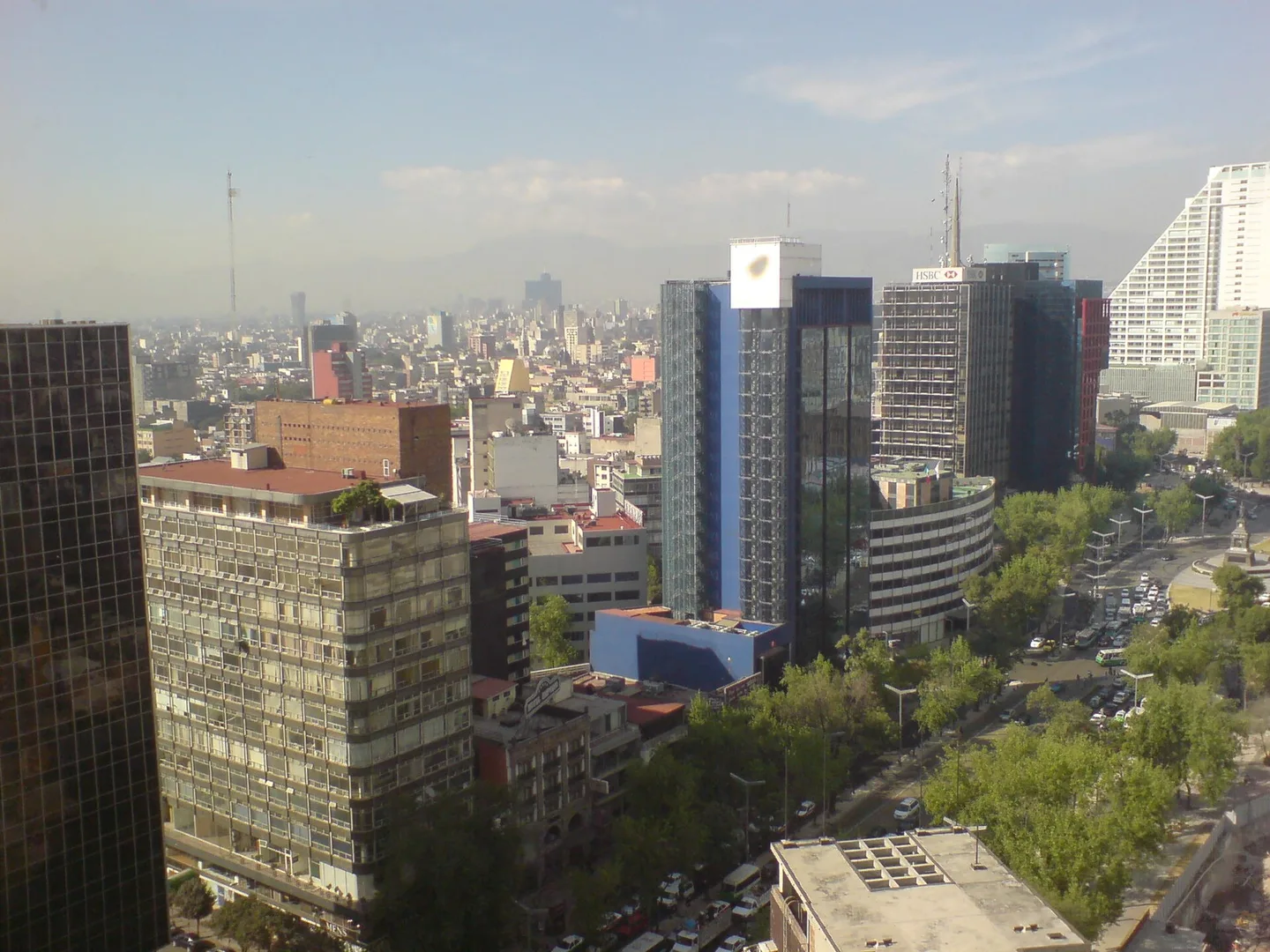
Mexico City sits across a vast high-altitude valley basin framed by volcanic peaks, where ancient Aztec canal engineering underlies contemporary avenues. Built over the island core of historic Tenochtitlan, the urban fabric marries carved volcanic stone churches, broad ceremonial plazas, modernist towers, and leafy neighbourhoods. Each barrio runs on a distinct daytime rhythm, shifting cleanly from morning espresso counters under jacaranda canopies to lively street markets by noon.
High elevation around 2,240 metres tempers latitude heat across the basin, keeping mornings crisp and afternoons mild for long urban walks. Spring turns dry and bright between March and May. Summer afternoons bring regular passing rain showers that clear distant volcanic mountain vistas by morning. Winter brings dry sunny days paired with cool evenings requiring light wool layers.
Getting there
Long-haul flights arrive primarily at Benito Juárez International just east of Centro Histórico. Authorised taxi booths inside baggage halls quote fixed zone fares before stepping outside. Domestic and regional flights also use northern Felipe Ángeles, connected back downtown by scheduled express coaches. Overland travellers arrive from every corner of Mexico via four cardinal long-distance bus stations linked directly onto underground metro platforms.
Once settled inside town, buying a rechargeable contactless mobility card opens twelve metro lines, dedicated Metrobús rapid lanes, and electric trolleybuses at modest single-trip fares. Underground stations bypass heavy surface road traffic effortlessly outside morning and evening commuter peaks. Coordinate cross-town transfers, station interchanges, and surface bus stops through urban rail and bus transit across Mexico City before heading out across outer districts.
Where to stay
Picking your neighbourhood base shapes daily energy and commute times, because cross-city traffic slows evening cabs across arterial avenues. Leafy Roma Norte and adjacent Colonia Condesa remain firm favourites for independent travellers seeking quiet sidewalks and restored Art Deco townhouses. Corner bakeries and calm evening restaurants sit within short walks of Metrobús Line 1 stops.
Western Polanco suits families and gallery regulars after manicured avenues, quiet residential nights, and direct walks toward Chapultepec Park museums. Sleeping near Paseo de la Reforma puts major tower hotels directly beside express bus corridors. Meanwhile, Centro Histórico places monumental palaces, baroque churches, and historic cafes outside your front door despite thinner late-night dining. Compare tree-shaded parks, transit links, and architectural styles across Condesa, Roma Norte, Polanco, and Centro accommodation districts before reserving rooms.
Things to do
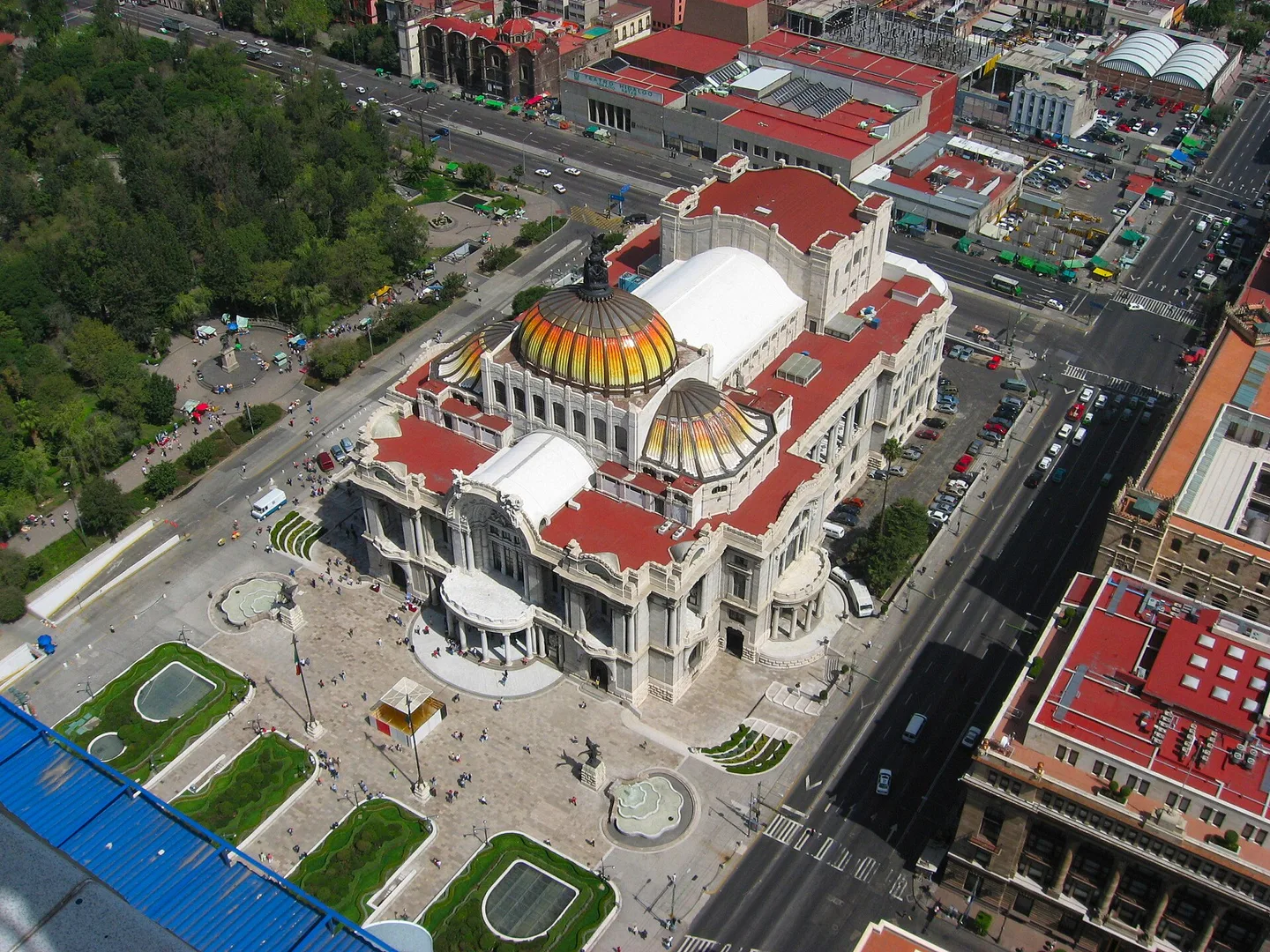
Begin in the vast open paving of the Zócalo, where the twin stone towers of the Metropolitan Cathedral stand right beside the excavated basalt foundations of the Aztec Templo Mayor. West along pedestrian Calle Madero rises the gleaming marble dome of Palacio de Bellas Artes. Inside sit soaring twentieth-century murals by Diego Rivera alongside concert stages and quiet lawns inside Alameda Central.
A quick westward hop leads into Bosque de Chapultepec, where winding hillside trails climb to Chapultepec Castle above the colossal stone halls of the National Museum of Anthropology. South of downtown, cobbled Coyoacán leads toward cobalt museum courtyards and the willow-lined canals of Xochimilco. Sequence monuments cleanly across major plazas, murals, and ancient canals or build structured daily loops using a paced three-day capital itinerary.
Food and drink
Eating well across this capital moves comfortably between sizzling street-corner grills and historic sit-down neighbourhood kitchens. Start busy mornings beside steaming copper pots selling banana-leaf or corn-husk tamales paired with thick warm atole. Neighbourhood fondas also fry crisp salsa-simmered chilaquiles served with refried beans and spiced pot coffee.
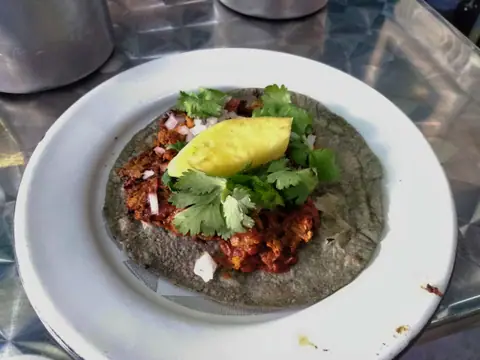
By afternoon, carved vertical spits serve smoky pineapple-topped tacos al pastor on soft heirloom corn tortillas with lime, onion, and bright coriander. Municipal food markets dish up hearty bowls of red and white hominy pozole alongside crisp tostadas. After dark, historic downtown cafes fry crisp cinnamon churros served beside dense hot drinking chocolate, while modern Roma dining rooms highlight heritage maize and complex mole sauces. Track morning market snacks and regional specialities across traditional street stalls and neighbourhood dishes as you walk.
Culture
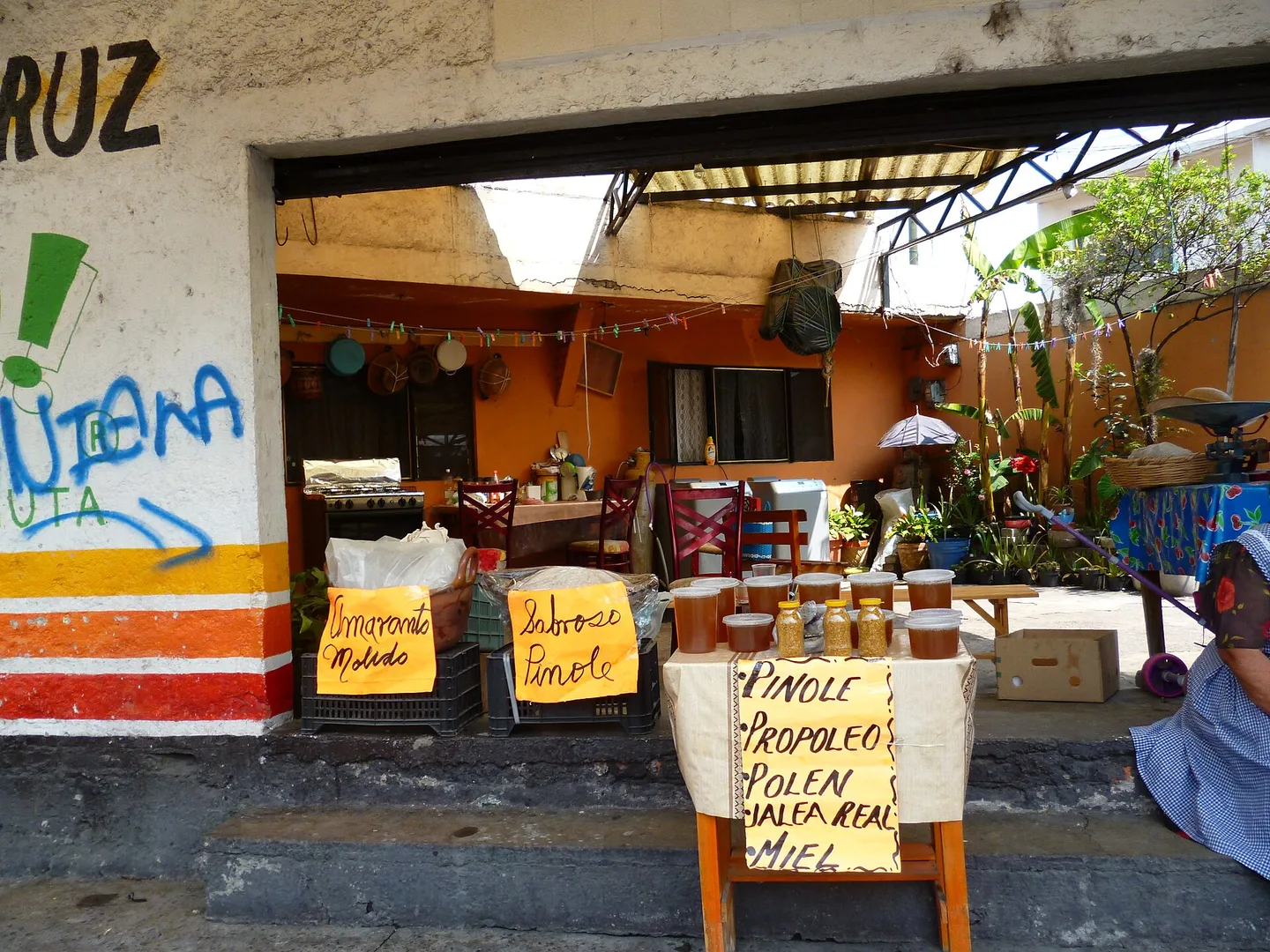
Civic life across the capital centres on deep community attachment to shared public squares, weekend brass music, family picnics in shaded parks, and proud preservation of pre-Hispanic and colonial craft. Major headline attractions including Chapultepec museums and Coyoacán houses rely on strict timed entry quotas, making early online reservations essential well before busy weekends.
Greet market vendors and shopkeepers politely when stepping up to stalls, and carry modest Mexican peso banknotes for transit cards and corner eateries. Allow calm unhurried spacing when boarding packed rush-hour rail carriages. Keeping bags zipped cleanly to your front in crowded plazas lets you move comfortably between monumental architecture, woodland trails, and lively neighbourhood kitchens.
Official prices and opening hours
- Museo Nacional de Antropología (Chapultepec)Official site ↗
- Museo Frida Kahlo (Casa Azul, Coyoacán)Official site ↗
- Mexico City Metro & Metrobús (Tarjeta MI)Official site ↗
Weather by month
Mexico City is warmest in April, with average highs around 28°C, and coldest in January, when nights drop to about 9°C. August is the wettest month by rainfall (176 mm), with rain on about 21 days. For mild weather with fewer rainy days, aim for January, February, March, November and December.
| Month | Low | Range | High | Rain | Rainy days |
|---|---|---|---|---|---|
| Jan | 9°C | 22°C | 12 mm | 3 d | |
| Feb | 10°C | 24°C | 6 mm | 2 d | |
| Mar | 11°C | 26°C | 12 mm | 4 d | |
| Apr | 13°C | 28°C | 24 mm | 7 d | |
| May | 14°C | 27°C | 59 mm | 11 d | |
| Jun | 14°C | 26°C | 133 mm | 16 d | |
| Jul | 13°C | 25°C | 174 mm | 22 d | |
| Aug | 13°C | 25°C | 176 mm | 21 d | |
| Sep | 13°C | 24°C | 158 mm | 18 d | |
| Oct | 12°C | 24°C | 71 mm | 10 d | |
| Nov | 10°C | 23°C | 17 mm | 4 d | |
| Dec | 9°C | 22°C | 5 mm | 1 d |
Averages of daily values from 2015 to 2024. Rainy days are days with at least 1 mm of rain. Source: Open-Meteo · Compare destinations by month.
Mexico City on the map
Every place we cover in Mexico City. Tap a category or pin to explore.
In-depth Mexico City guides
Browse the guides grouped by topic: sights, neighbourhoods, food, transport, day trips and trip planning.
Sights, Landmarks & Parks
Key monuments, viewpoints, museums and nature trails.
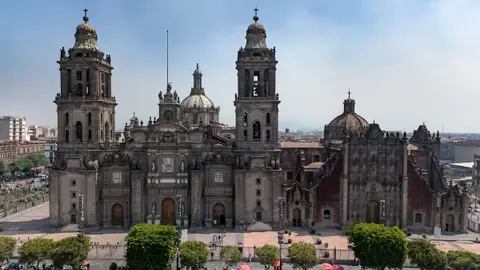 Top Sights Across Mexico City: Ancient Ruins, Murals and CanalsAncient temple foundations, landmark public murals, sprawling urban parks, and southern floating gardens fill the Mexican capital.
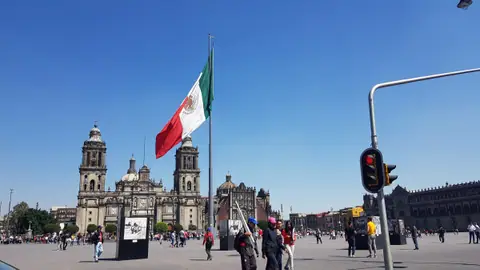 Zócalo and Centro Histórico: Aztec Foundations and Colonial GrandeurMexico City's central square combines ancient Aztec foundations, imposing colonial stone facades, and broad pedestrian avenues across an extraordinary urban core.
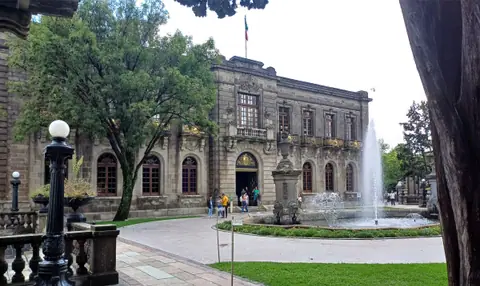 Chapultepec Park, Chapultepec Castle and the National Museum of AnthropologyWe explore Chapultepec Park, Chapultepec Castle, and the National Museum of Anthropology through practical route sequences and urban walking connections.
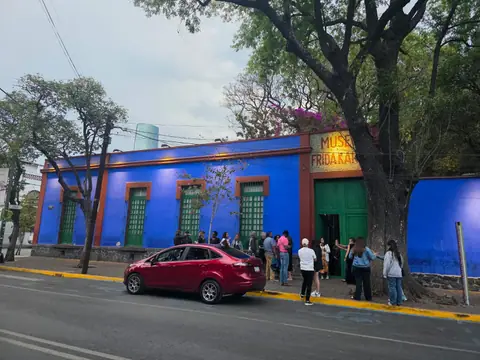 Coyoacán, Frida Kahlo Museum and San Ángel GuideCobalt courtyards of La Casa Azul, tranquil plazas, and cobbled colonial avenues shape southern Mexico City.
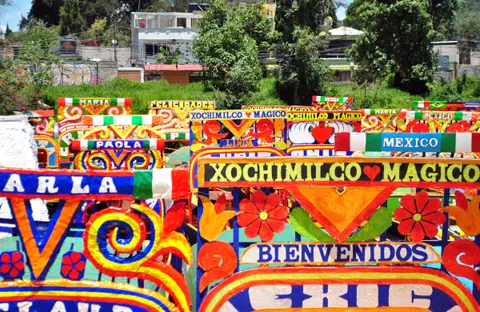 Xochimilco Canals and Chinampas: A Practical Guide to Mexico City's WaterwaysXochimilco preserves pre-Hispanic canal networks, agricultural chinampa plots, and traditional wooden passenger boats across the Valley of Mexico.
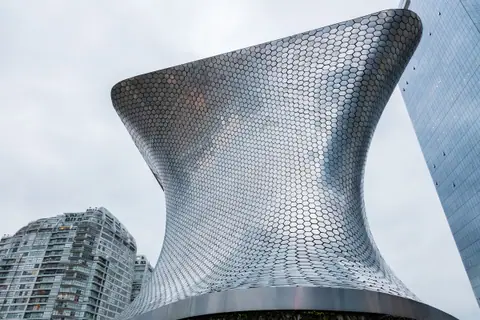 Polanco, Museo Soumaya and Museo Jumex: Modern Art and Tree-Lined AvenuesPolanco blends modernist architecture, contemporary gallery spaces, and quiet tree-lined avenues across one of Mexico City's most distinguished cultural quarters.
Neighbourhoods & Where to Stay
Districts, historic quarters and the best bases for your stay.
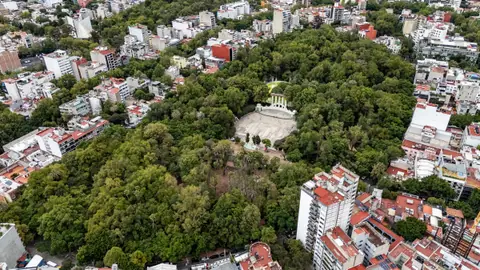 Where to Stay in Mexico City: Neighbourhood GuideSelecting the right base in Mexico City shapes daily walking sequences, evening meals, and straightforward transit connections across varied districts.
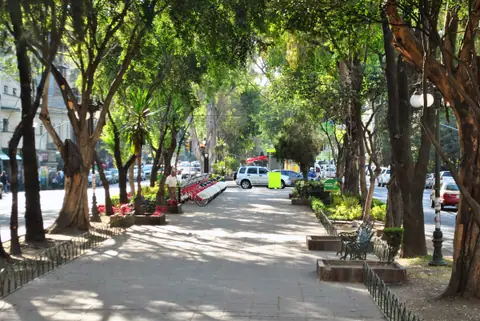 Roma Norte and Condesa Guide: Art Deco Parks, Porfirian Plazas and Café StreetsRoma Norte and Condesa present leafy residential boulevards, Art Deco facades, and tranquil public squares across central Mexico City.
Food & Drink
Local dishes, markets, cafés and dining districts.
Getting Around & Arrival
Airport transfers, public transit, passes and driving rules.
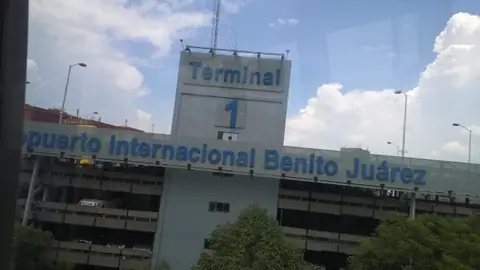 Arriving in Mexico City: Airports, Metro Connections, and Long-Distance Bus HubsArriving in Mexico City requires navigating major aviation gateways or four regional coach hubs that connect directly into urban rail networks.
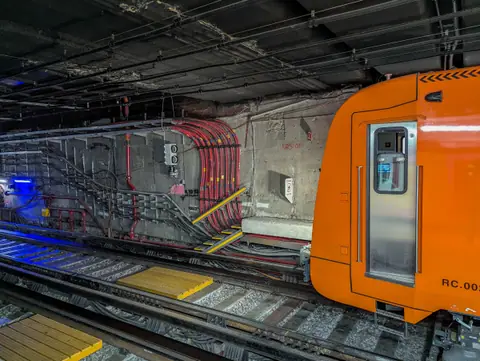 Getting Around Mexico City by Metro, Metrobús, and CablebúsNavigating Mexico City relies on an interconnected network of rubber-tyred underground trains, dedicated busways, cable cars, and shared cycles across varied neighbourhoods.
Day Trips & Excursions
Easy half-day and full-day trips from the city.
Trip Planning & Itineraries
When to visit, what to pack and day-by-day routes.
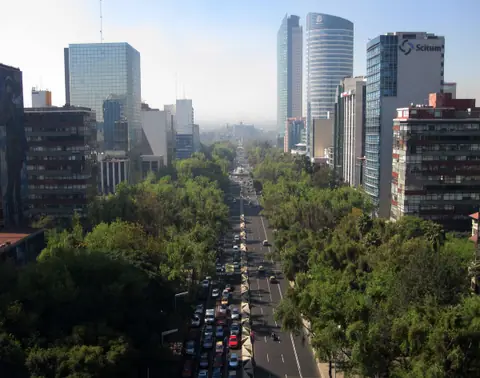 Mexico City Field Guide: Valley Geography, Barrios, and Transit NetworksThis field guide traces high-altitude valley geography, central historic quarters, distinct residential barrios, and integrated public transport systems across Mexico City.
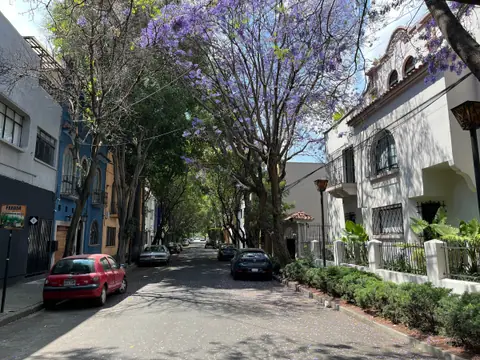 When to Experience Mexico City: Highland Seasons, Jacaranda Canopy and Autumn FiestasUnderstanding the high-altitude seasons helps you plan around spring jacaranda blooms, summer rains, and crisp autumn cultural festivities across the valley.
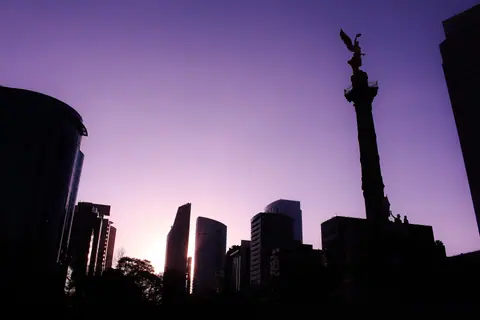 3 Days in Mexico City: Centro, Chapultepec, Roma, Coyoacán and XochimilcoWe navigate three concentrated days across Mexico City, linking ancient Aztec foundations to leafy southern canals and tranquil cultural avenues.
Upcoming events in and near Mexico City
Concerts, festivals and tours with their own guide on JourneyCities. Check dates with the organiser before you book.
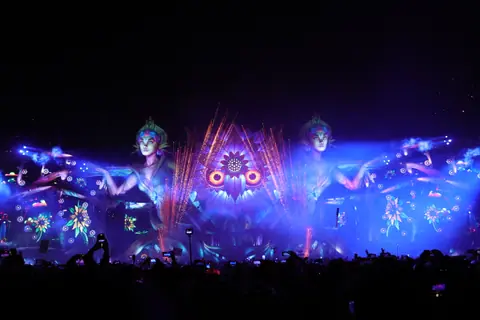 EDC Mexico 2027: Dates, Lineup and Circuit Access19 to 21 February 2027 · Autódromo Hermanos Rodríguez, Mexico City
 Ye at Estadio Banorte in Mexico CityFriday 19 March 2027 · Estadio Banorte, CDMX
 David Guetta at Estadio GNP Seguros, Mexico CitySaturday, 8 May 2027 · Estadio GNP Seguros, Mexico City
 Pitbull at Palacio de los Deportes17 February 2027 · Palacio de los Deportes, Mexico City
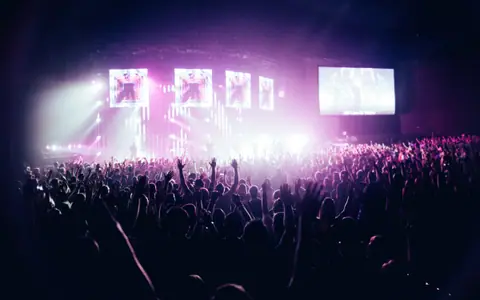 U2: The Greatest Show On Earth 2027 World Tour23 Feb to 25 Mar 2027 (9 stadium shows in Mexico City, São Paulo and Buenos Aires) · Estadio GNP Seguros, Mexico City
Need your embassy or consulate in Mexico? See embassies and consulates in Mexico.
Reviews
Log in to write a review.
No reviews yet.