Photo: GaylaLin · CC BY-SA 4.0
Oaxaca
Oaxaca pairs ancient Zapotec mountain architecture with green quarry stone streets, artisan valleys, complex culinary traditions, and mild highland valley weather.
Quick decisions
How many days?
Plan at least four full days to balance city sights with day excursions into surrounding valleys, ruins, and craft hamlets.
Where should I stay?
Select quiet lanes in Jalatlaco or Xochimilco for restful sleep, or book neighbourhood boutique lodgings in Centro for flat strolls.
Do I need a car?
Avoid driving in central streets. Shared colectivos, metered yellow taxis, and public buses link valley communities far more simply.
Best for
Independent travellers who cherish indigenous textile heritage, complex culinary traditions, pre-Hispanic archaeology, and highland walking routes.
Before you go
Carry Mexican peso cash for small market stalls, and review our packing and clothing recommendations for shifting highland temperatures.
Getting around
Walk across the pedestrianised central core, and hail regulated street taxis from official ranks for evening journeys.
Continue your trip
Take direct first-class express coaches northward into the capital basin when connecting towards Mexico City.
Overview
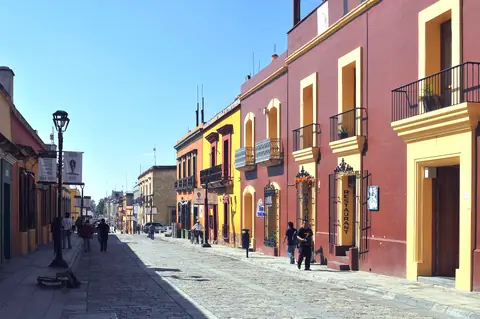
Oaxaca de Juárez sits within an elevated mountain basin where three river valleys converge. Pale green cantera limestone shapes colonial churches, former convents, and shaded arcades framing the central plaza. Life unfolds at an unhurried highland pace, grounded in indigenous heritage woven into daily routines.
High elevation brings crisp morning air and warm afternoons. Spring highs reach 30.8°C in April before summer rains cool afternoons to between 24.7°C and 26.1°C. September marks the wettest month, bringing 174 mm across twenty rainy days.
Dry winter months from December through February stay sunny and clear. Daytime highs average 25.5°C to 27.6°C, while cool nights settle near 10.5°C and monthly rain stays near 2 mm to 3 mm. Autumn tapers to 93 mm in October and just 8 mm in November.
Getting there
Oaxaca International Airport receives domestic flights from major hubs alongside select international connections, with official minivans running prepaid transfers into central hotels. Overland express coaches pull into the main first-class terminal northeast of the centre, where regulated taxi ranks offer fixed fares into town.
Walking covers the flat stone centre effortlessly across wide colonial blocks. When travelling east into Tlacolula or south to craft villages, collective maroon-and-white taxis depart from stands near central markets. Check our transit routing advice before heading toward mountain trailheads, as private car rentals remain unnecessary here.
Regional passenger vans run frequent daily departures to southern sierra communities and weekly rural markets. Local urban buses follow perimeter loops around the centre, collecting coin fares upon boarding for simple cross-town trips.
Where to stay
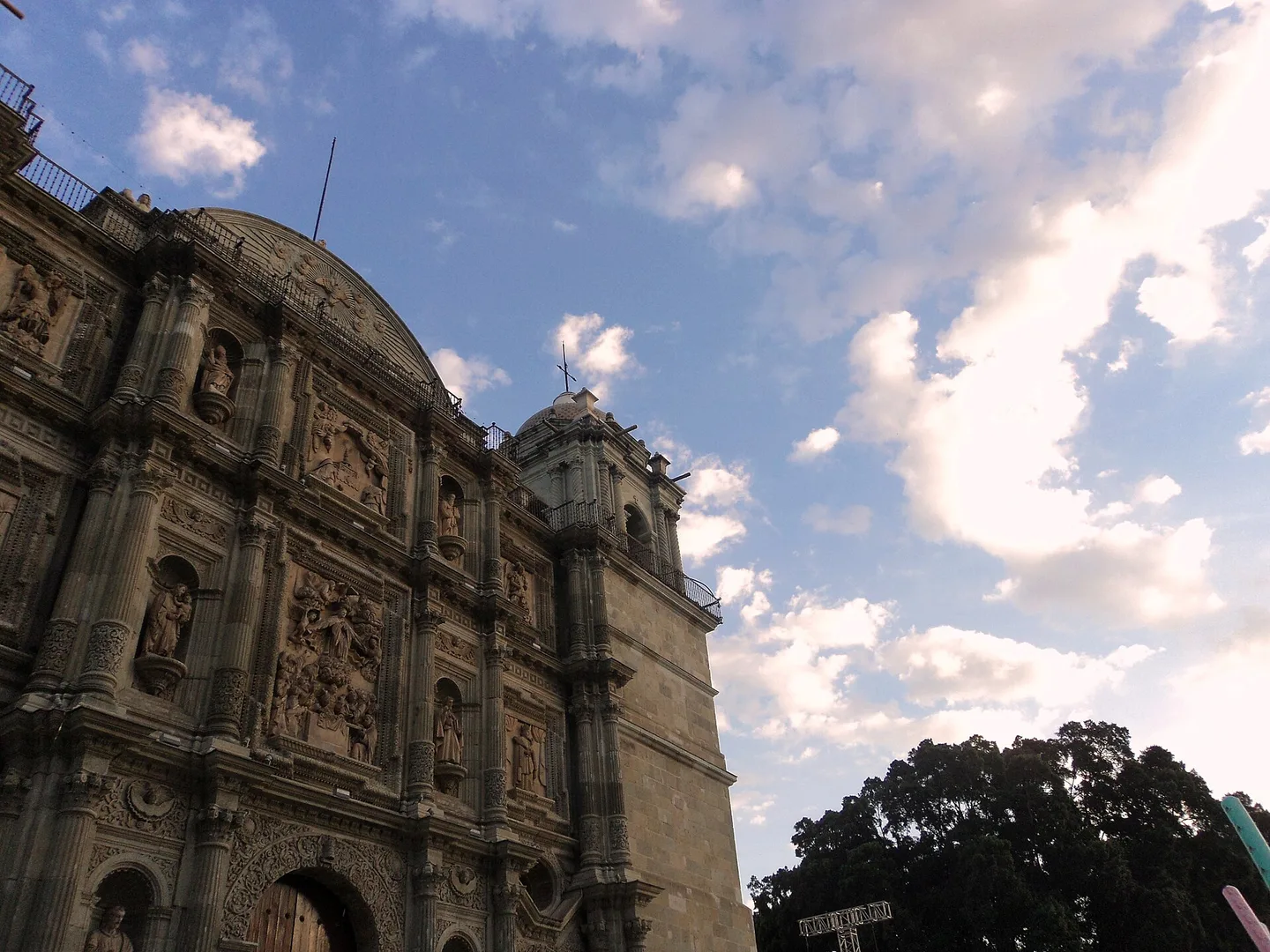
Centro Histórico keeps visitors steps from museums, stone churches, and produce halls, though streets right beside the zócalo stay lively late into the evening. Streets surrounding Santo Domingo offer restored colonial courtyards, tall carved timber doors, and calmer stone pavements.
For peaceful residential character, consider cobbled Jalatlaco to the east or historic Xochimilco beside the old stone aqueduct to the north. Both quarters lie within a flat fifteen-minute stroll of central squares, offering converted family guesthouses with quiet interior patios and planted roof terraces. Compare terrain gradients and street noise across districts in our curated neighbourhood accommodation guide.
Things to do
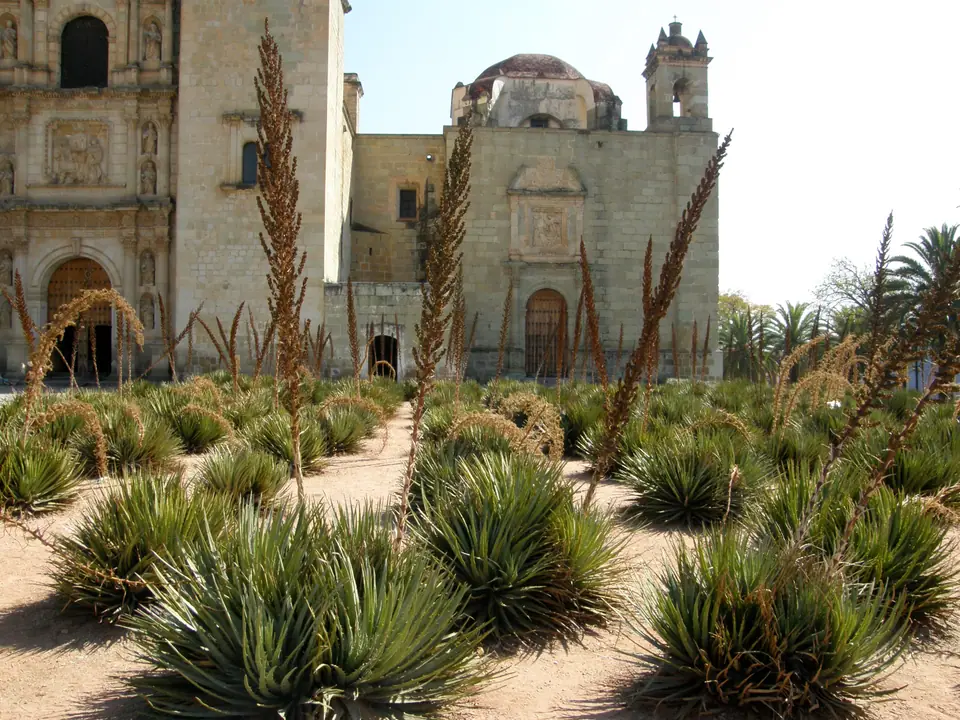
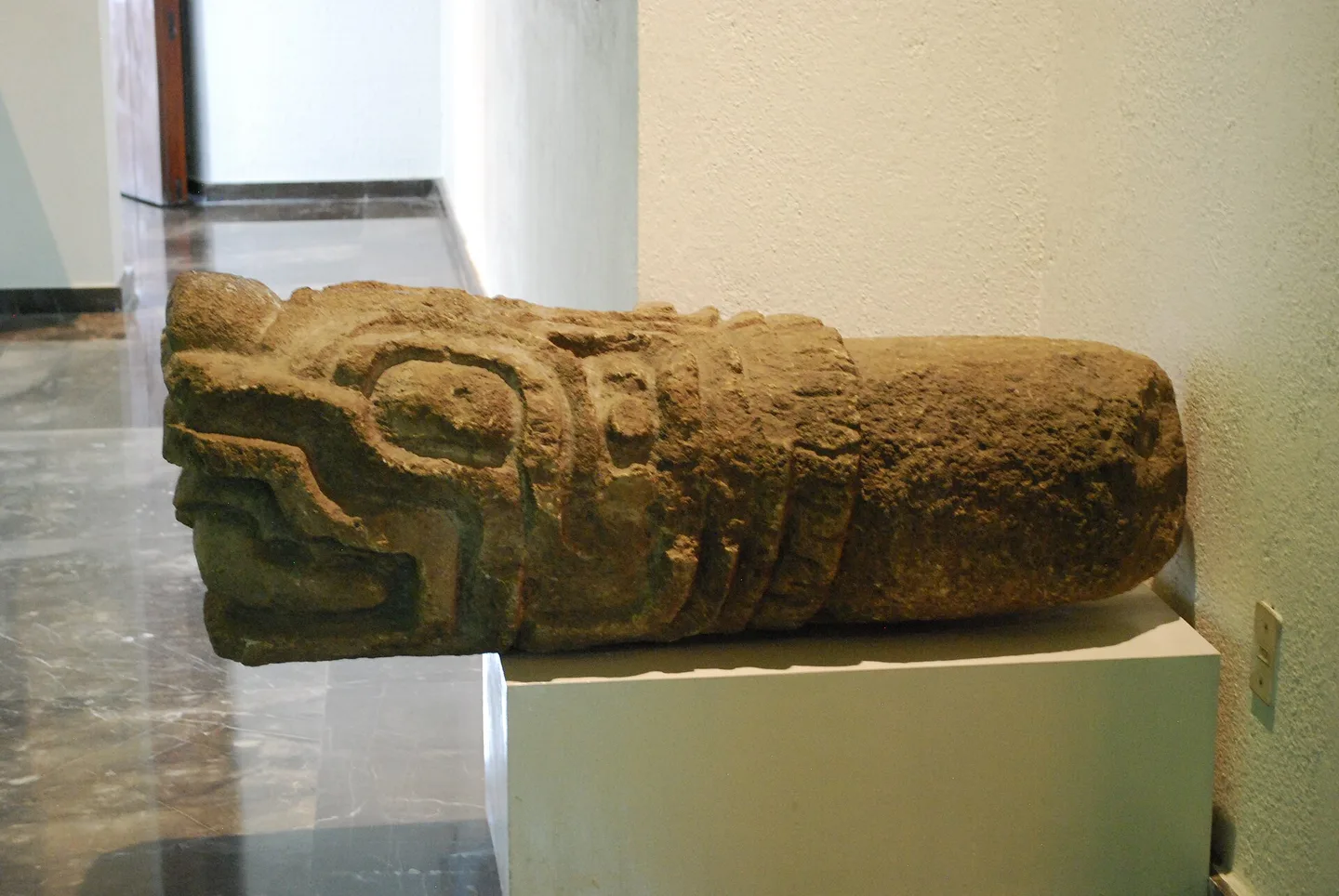
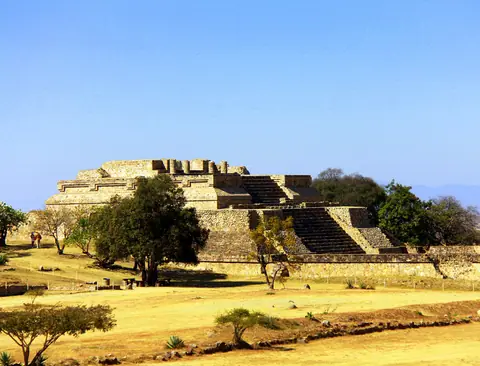
The monumental Santo Domingo de Guzmán complex anchors the historic centre, housing sacred baroque plasterwork, gold treasures from Tomb 7, and an adjacent ethnobotanical garden. Along the pedestrianised Macedonio Alcalá corridor, restored mansions contain public libraries, printmaking workshops, and contemporary textile showrooms. West of town, the flattened mountain ridge of Monte Albán preserves Zapotec pyramids, ball courts, and wide views across three valley arms.
Eastward along the valley floor lie the geometric stone fretwork palaces of Mitla and the calcified mineral shelves of Hierve el Agua. Southern craft settlements including San Bartolo Coyotepec maintain wood-fired subterranean kilns for burnished black earthenware pottery, while hillside weavers work backstrap looms nearby. Plan your sightseeing order in our detailed sights guide, leaving peak afternoon heat for sheltered indoor galleries.
Food and drink
Oaxacan cooking stands out across Mexico for diverse regional chillies, toasted cacao, wild herbs, and heirloom maize. Sample distinct mole varieties from dark chocolate-infused negro to tart herbaceous verde, or order crisp street tlayudas topped with black bean paste, quesillo cheese, and grilled meat.
Inside Mercado 20 de Noviembre, smoke-filled grilling corridors let diners pick fresh beef tasajo or spiced sausages cooked straight over open charcoal braziers. Rural palenques across surrounding hills distil artisanal mezcal in small copper stills from pit-roasted agave hearts, poured alongside sliced oranges and ground chilli salt.
Early breakfast stalls whisk freshly ground cinnamon chocolate with hot water or milk into clay bowls alongside sweet pan de yema rolls. Neighbourhood corner bakeries also pull crusty wood-fired bread from brick ovens at sunrise. Later in the day, courtyard kitchens steam tender corn tamales wrapped in banana leaves and filled with pumpkin blossoms, black beans, or spiced chicken.
Culture
Community traditions govern village governance across the valley through communal work rotas alongside rotating weekly market days. Sunday traders in Tlacolula gather with woven palm baskets, raw copal resin, terracotta pots, and dried mountain herbs. Ask politely before photographing weavers, stallholders, or religious processions.
Summer afternoon showers peak from June through September, so plan open-air ruins early and pack a compact folding umbrella for dusk. Map clear outdoor circuits using our suggested three-day itinerary for comfortable daily pacing across nearby craft valleys.
Folk dance gatherings and seasonal processions fill public amphitheatres throughout the year. Performers showcase embroidered floral tunics, woven wool shawls, carved wooden masks, and bright silk ribbons preserved across Zapotec and Mixtec mountain communities.
Official prices and opening hours
- Zona Arqueológica de Monte Albán (INAH)Official site ↗
Weather by month
Oaxaca is warmest in April, with average highs around 31°C, and coldest in January, when nights drop to about 11°C. September is the wettest month by rainfall (174 mm), with rain on about 21 days. For mild weather with fewer rainy days, aim for January, November and December.
| Month | Low | Range | High | Rain | Rainy days |
|---|---|---|---|---|---|
| Jan | 11°C | 26°C | 3 mm | 1 d | |
| Feb | 11°C | 28°C | 2 mm | 0 d | |
| Mar | 13°C | 29°C | 17 mm | 3 d | |
| Apr | 15°C | 31°C | 19 mm | 5 d | |
| May | 16°C | 30°C | 57 mm | 9 d | |
| Jun | 16°C | 26°C | 168 mm | 20 d | |
| Jul | 14°C | 26°C | 114 mm | 18 d | |
| Aug | 15°C | 26°C | 145 mm | 20 d | |
| Sep | 15°C | 25°C | 174 mm | 21 d | |
| Oct | 14°C | 25°C | 93 mm | 11 d | |
| Nov | 12°C | 26°C | 8 mm | 3 d | |
| Dec | 11°C | 26°C | 2 mm | 1 d |
Averages of daily values from 2015 to 2024. Rainy days are days with at least 1 mm of rain. Source: Open-Meteo · Compare destinations by month.
Oaxaca on the map
Every place we cover in Oaxaca. Tap a category or pin to explore.
In-depth Oaxaca guides
Browse the guides grouped by topic: sights, neighbourhoods, food, transport, day trips and trip planning.
Sights, Landmarks & Parks
Key monuments, viewpoints, museums and nature trails.
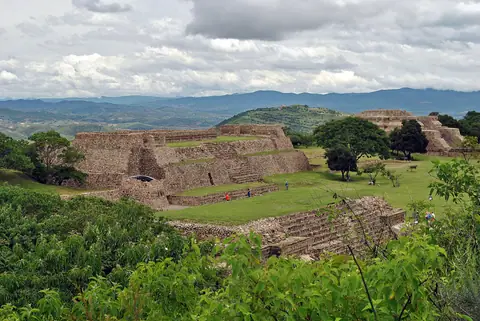 Best Things to Do in Oaxaca: Monte Albán, Santo Domingo and Local MarketsFrom pre-Hispanic ridge temples to grand baroque facades and fragrant market halls, Oaxaca rewards unhurried footwork across valley settlements.
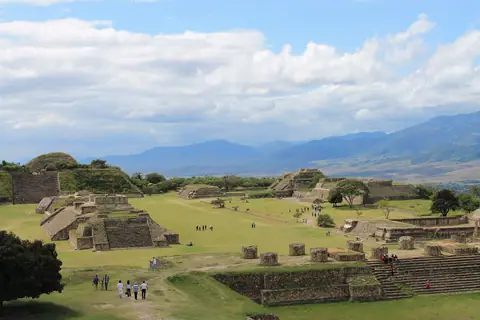 Monte Albán Visitor Guide: Ridge Pyramids, Danzantes and TransportPerched across an engineered ridge overlooking the central valleys, Monte Albán reveals ancient Zapotec ceremonial plazas, stone monuments, and panoramic terraces.
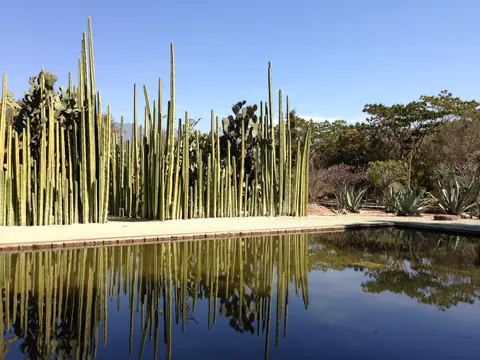 Santo Domingo Church, Ethnobotanical Garden and Calle Alcalá WalkHistoric stone corridors line Calle Macedonio Alcalá toward Santo Domingo and its neighbouring botanical grounds in central Oaxaca.
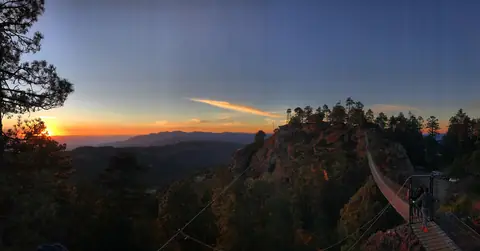 Sierra Norte Hiking Guide: Pueblos Mancomunados Paths and Cloud ForestsHigh above the Central Valleys, community-run footpaths link quiet Zapotec settlements across misty pine forests and dramatic limestone canyons.
Neighbourhoods & Where to Stay
Districts, historic quarters and the best bases for your stay.
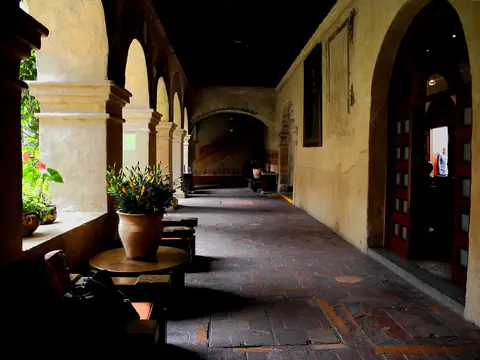 Where to Stay in Oaxaca: Best Quarters and BasesChoosing where to sleep in Oaxaca shapes your journey through quiet paved alleys, stone courtyards, and local neighbourhood markets.
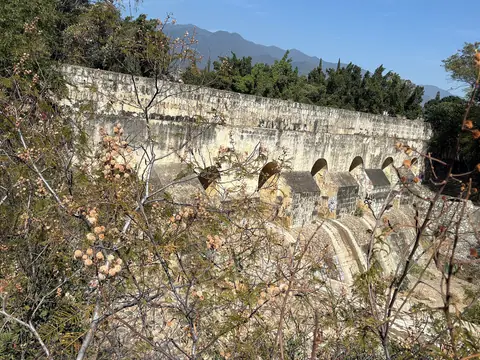 Barrio de Jalatlaco, Xochimilco Aqueduct and Historic Oaxaca Walking GuideWe explore quiet cobblestone lanes, stone arches, and colourful artisan courtyards across historic eastern and northern Oaxaca quarters.
Food & Drink
Local dishes, markets, cafés and dining districts.
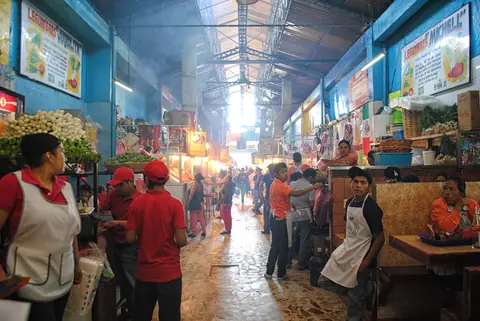 Oaxaca Markets Guide: Benito Juárez, Pasillo de Humo & TlacolulaCentral Oaxaca food halls and regional valley trading plazas offer sensory encounters with indigenous culinary craft, woven textiles, and aromatic mesquite grills.
 What to Eat in Oaxaca: Traditional Moles, Tlayudas and Market FoodTraditional Oaxacan cuisine highlights complex moles, crisp tlayudas, and market specialities across the historical dining districts of the city.
Getting Around & Arrival
Airport transfers, public transit, passes and driving rules.
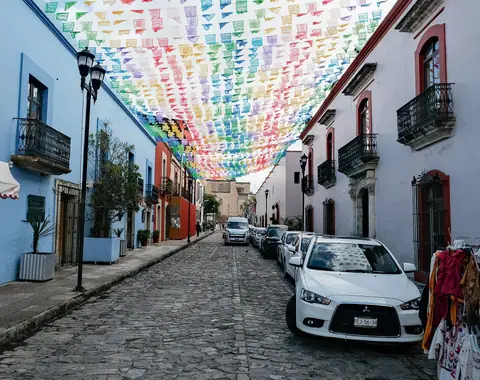
Day Trips & Excursions
Easy half-day and full-day trips from the city.
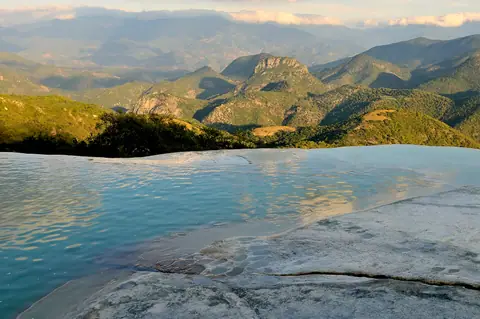 Hierve el Agua, Mitla and the Tule Tree: Tlacolula Valley GuideOur field route guides travellers across the eastern valley corridor past the ancient cypress of Tule towards Mitla and Hierve el Agua.
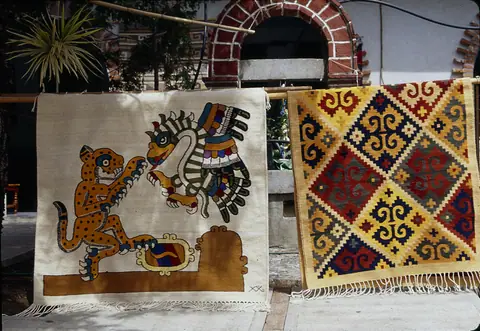 Oaxaca Mezcal Distilleries, Teotitlán Weavers and Artisan Craft VillagesWe explore traditional mezcal palenques, Zapotec wool rug workshops, and burnished black clay studios across Oaxaca's central valleys.
Trip Planning & Itineraries
When to visit, what to pack and day-by-day routes.
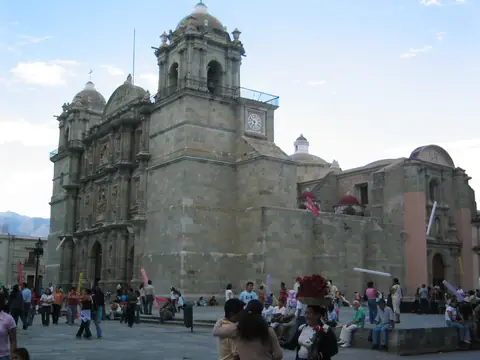 Oaxaca: Valleys, Heritage Streets and Local LogisticsOaxaca pairs grand colonial stone architecture and ancient indigenous landscapes with quiet neighbourhood lanes and traditional market halls across sunny highland terrain.
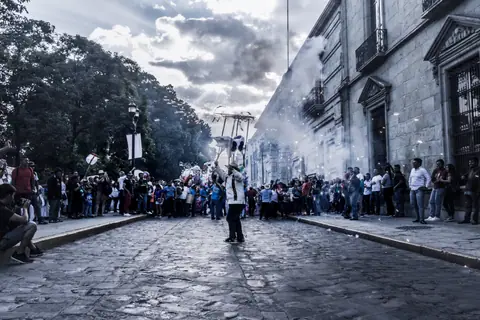 When to Experience Oaxaca: Festivals, Seasons, and Valley ClimatesChoosing the ideal season for visiting the central valleys shapes festival encounters, market exploration, and comfortable valley journeys.
 What to Wear in Oaxaca: Altitude Layers, Monte Albán Sun and CobblestonesPack versatile cotton garments, sturdy walking shoes, and evening knitwear to handle the bright highland sunshine and cool valley nights.
 3 Days in Oaxaca: Centro, Monte Albán, and Mitla Valley RouteOur three-day Oaxaca route links the stone courtyards of Centro Histórico, the hilltop plazas of Monte Albán, and Mitla's intricate Zapotec palace fretwork.
Need your embassy or consulate in Mexico? See embassies and consulates in Mexico.
Reviews
Log in to write a review.
No reviews yet.