Photo: Cuche biflora · CC BY-SA 4.0
Barrio de Jalatlaco, Xochimilco Aqueduct and Historic Oaxaca Walking Guide
We explore quiet cobblestone lanes, stone arches, and colourful artisan courtyards across historic eastern and northern Oaxaca quarters.
Barrio de Jalatlaco sits quietly just east of the core district, separated by leafy avenues and gentle slopes. Cobblestone lanes wind past low adobe facades painted in deep terracotta, cobalt blue, and sunburnt ochre tones. Callejón de San Matías and the surrounding residential streets keep a calm, domestic rhythm where locals sweep stone doorsteps each morning. Pair this morning walk with central museums and hilltop ruins to link residential lanes seamlessly with historic landmarks.
Small courtyards behind thick wooden doors reveal family bakeries, modest printmaking studios, and sheltered coffee spots beneath climbing bougainvillea vines. Strolling these narrow lanes rewards sturdy walking shoes because rounded river cobbles and raised kerbs sit unevenly underfoot. Colourful cut-paper papel picado banners stretch across street corners, swaying gently above calm pedestrian crossings. Jalatlaco retains an unhurried neighbourhood tempo distinct from commercial traffic near main squares.
Following the Stone Arches of the Xochimilco Aqueduct
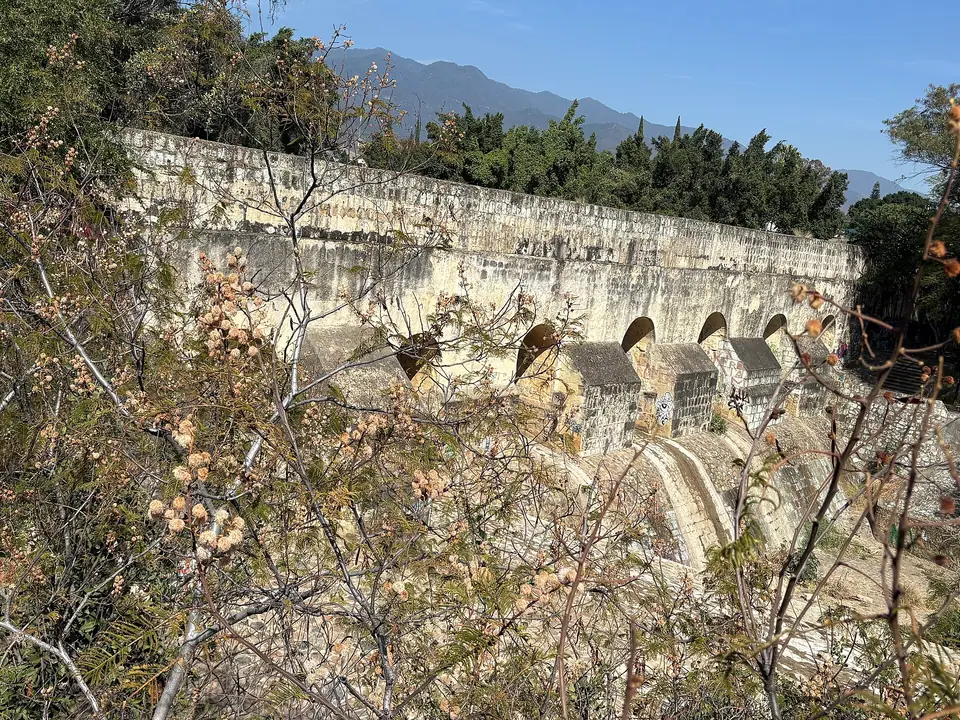
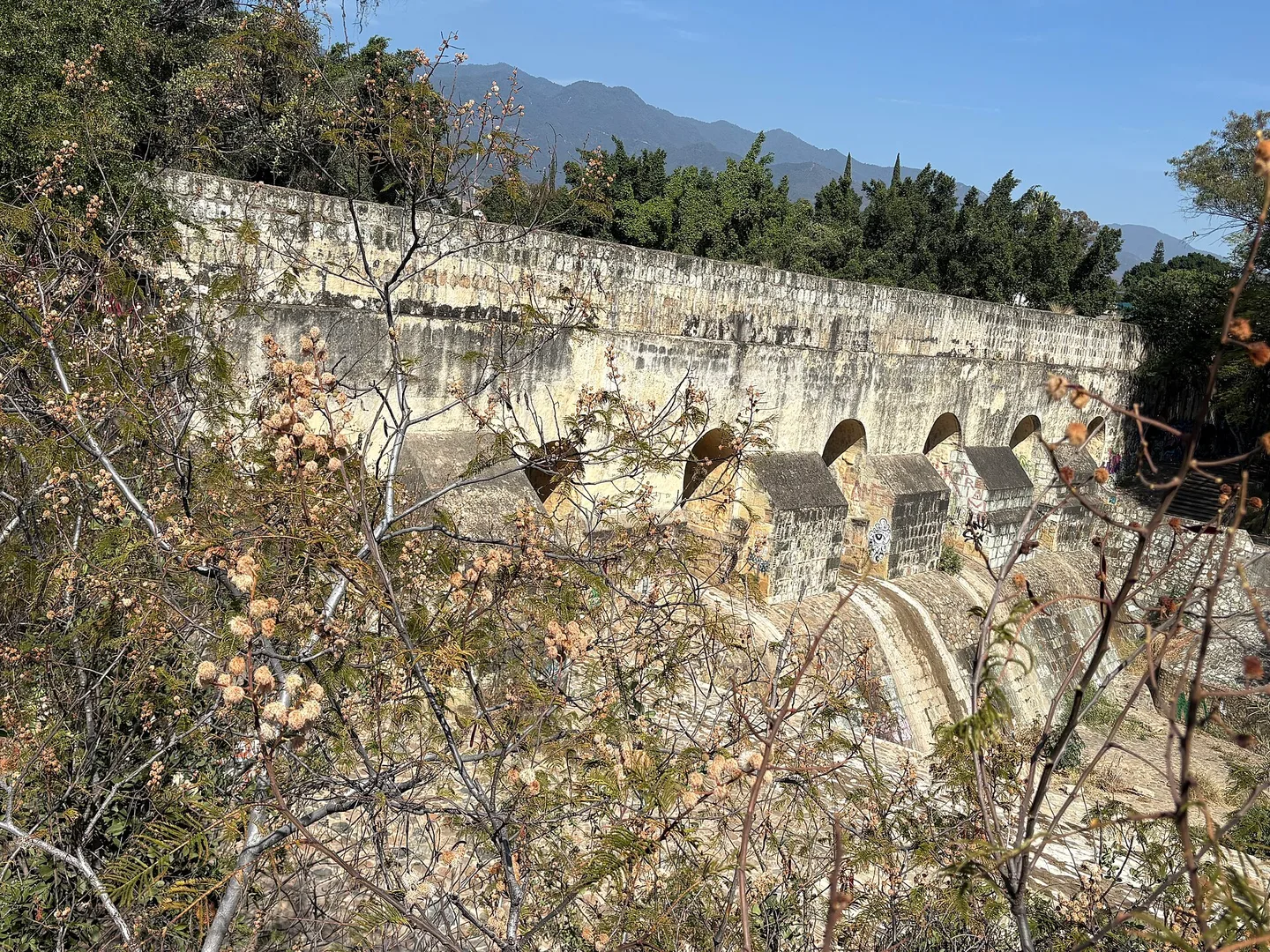
Barrio de Xochimilco lies directly north of Centro, recognised as one of the oldest artisan settlements inside the central valley. Its defining structure is the colonial aqueduct whose tall green cantera stone arches once fed highland spring water straight into central fountains. Today, surviving sections stand integrated directly alongside whitewashed adobe cottages along Calle Rufino Tamayo. Walking beside these hefty pillars shows centuries of everyday building adaptations where private doorways open under stone arches.
Following the stone alignment northward along Calzada de la República leads gently up to the quiet public fountain at Plaza Cruz de Piedra. Traditional tin artisans, leather stitchers, and backstrap loom weavers keep active workshops tucked inside shaded stone courtyards along adjacent lanes. Water trickling beside public stone basins adds cool shade during warm uphill stretches. Scheduling morning circuits around cool highland months and dry mornings keeps uphill pavement comfortable under clear sunlight.
Historic Street Connections and Foothill Perspectives
Connecting Jalatlaco and Xochimilco on foot lets walkers read architectural changes across distinct neighbourhood eras. Paving stones rise gently toward northern foothills, opening wide views across red clay roof tiles toward dusty mountain ridges. Old stone washbasins, arched timber portals, and shaded brick walls offer natural stopping benches along narrow sidewalks. Crossing broader connecting avenues needs quick care for passing city traffic before interior alleys narrow again to quiet footpaths.
Both residential districts offer a restful contrast to crowded markets downtown, foregrounding community scale and weathered stone walls. Mature jacaranda canopies and blooming cacti soften sunny corners along sleepy residential dead-ends. Early daylight casts clean geometric shadows through stone aqueduct arches, suiting unhurried architectural photography. Neighbourhood chapels stand beside shaded benches where residents gather quietly under stone belfries after afternoon errands finish. Follow street layouts from our downtown orientation overview so walks connect cleanly without looping back over steep avenues.
Comparing the Historic Quarters on Foot
Each historic barrio carries distinct character shaped by craft trades, traditional stone walls, and quiet alley proportions. Whereas Jalatlaco shines through painted adobe lanes and festive paper banners, Xochimilco stands out for sturdy stone arches and hillside workshops. Small corner bakeries bake sweet cinnamon loaves early while outdoor espresso stands open onto sunlit cobblestones across both quarters. Summary highlights below outline key walking traits across adjacent quarters:
| Barrio Zone | Signature Streetscape | Craft & Daily Rhythm | Walking Character |
|---|---|---|---|
| Jalatlaco | Cobbles, adobe walls, street murals | Independent cafes and print studios | Flat eastern residential alleys |
| Xochimilco | Green cantera aqueduct arches | Tin craftwork and cotton weaving | Gentle northern incline |
| Centro Edge | Broad stone sidewalks and churches | Historic bakeries and market traffic | Brisk urban blocks |
- Wear gripped trainers across uneven river cobbles and high stone kerbs linking both quarters.
- Visit neighbourhood cafes mid-morning before warm afternoon sunshine hits shaded adobe pavements.
- Allow unhurried pauses beneath courtyard trees to watch local weavers and tin painters inside open doorways.
Tracing these connected stone lanes reveals how Oaxaca grew organically out of Zapotec artisan settlements into a unified stone valley city. Bright painted doorways, stone benches, and courtyard craft studios make both northern barrios rewarding morning walking territory. Stepping beyond central tourist thoroughfares rewards attentive walkers with shaded courtyards, regional textile heritage, quiet bakeries, and clear city bus and taxi terminal access nearby.
Official prices and opening hours
- Zona Arqueológica de Monte Albán (INAH)Official site ↗
Where it is
- 1Barrio de Jalatlaco, Xochimilco Aqueduct and Historic Oaxaca Walking
- Xoxocotlán International Airport (OAX) · about 8 km from here in a straight line
- Directions in Google Maps
Stations and taxi ranks: OpenStreetMap. Airports: OurAirports. Distances are in a straight line.
Traveller tips
Real advice from people who have been to Oaxaca. Every tip is read by our team before it goes live.
No tips yet. Been here? Yours could be the first.
Thank you! Your tip will appear here after a quick review.
More in Oaxaca
Continue exploring Oaxaca with related neighbourhood, food, and planning guides
Santo Domingo Church, Ethnobotanical Garden and Calle Alcalá Walk
Oaxaca, Mexico

Hierve el Agua, Mitla and the Tule Tree: Tlacolula Valley Guide
Oaxaca, Mexico
Oaxaca Markets Guide: Benito Juárez, Pasillo de Humo & Tlacolula
Oaxaca, Mexico
Oaxaca Mezcal Distilleries, Teotitlán Weavers and Artisan Craft Villages
Oaxaca, Mexico
