Photo: LBM1948 · CC BY-SA 4.0
What to Wear in Oaxaca: Altitude Layers, Monte Albán Sun and Cobblestones
Pack versatile cotton garments, sturdy walking shoes, and evening knitwear to handle the bright highland sunshine and cool valley nights.
Packing for Oaxaca requires careful attention to shifting daily temperatures and strong mountain sunshine. The central valley sits at an elevation that produces radiant, dry warmth under direct sun, followed by swift cooling once daylight fades. Natural, breathable fabrics such as unbleached cotton, linen, and hemp allow air to circulate freely during the warmest afternoon hours. A light scarf or linen overshirt acts as convenient barrier against the midday heat without trapping humidity. When you wander between artisan studios or stop for coffee, having easily removable layers prevents uncomfortable temperature swings.
As shadows lengthen across the colonial plazas, a substantial shift takes place across the valley floor. The drop in temperature happens quickly, making light knits, merino wool jumpers, or denim jackets essential companions for evening outings. Carrying a compact daypack gives you space to store extra layers while walking in daylight. Checking the regional orientation handbook makes it clear how mountain elevation shapes daily routines across the state. Lightweight base garments paired with adaptable outer layers keep you comfortable across full days of sightseeing.
Navigating Cobblestones and Historic Streets
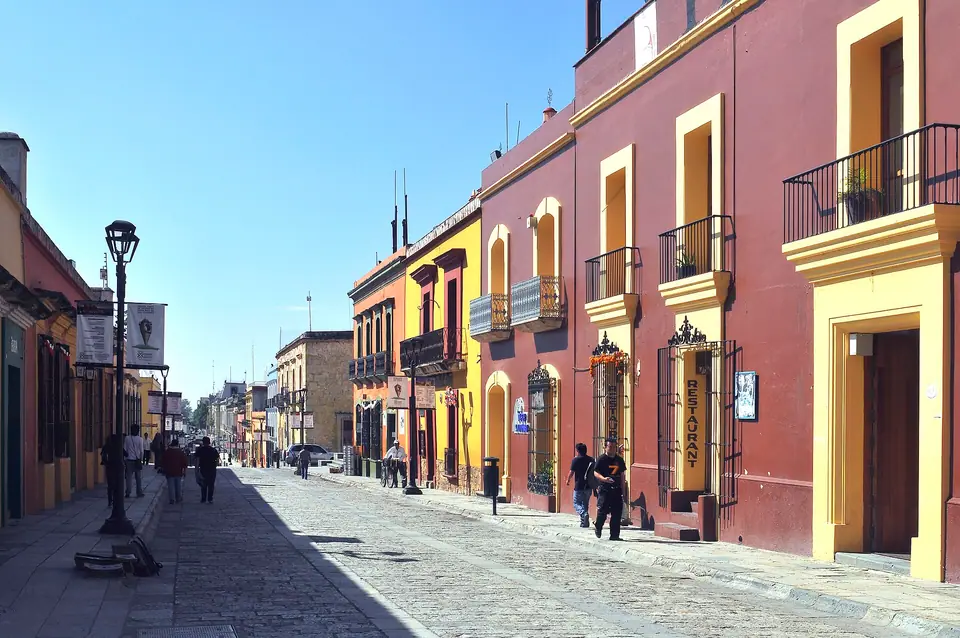
Footwear represents the single most critical packing decision for exploring the historic centre and its adjoining barrios. Pavements across areas like Jalatlaco feature rounded river stones, polished flagstones, and uneven stone curbs that challenge balance. Thin-soled flat shoes or open sandals transmit every bump directly into joints, leading quickly to foot fatigue. We advise sturdy walking trainers or supportive leather shoes featuring cushioned midsoles and grippy rubber tread. These shoes cushion constant contact with hard stone surfaces and help prevent slips on polished street corners.
Sidewalks in the central district often narrow sharply or feature steep step-downs into road gutters. Choosing durable footwear protects toes from accidental strikes against raised stone blocks. Long walking days linked to baroque courtyards and valley sites call for cushioned soles that save joint fatigue. Breathable socks made of merino wool or anti-blister synthetic blends cushion pressure points during long days on foot. Avoid packing rigid brand-new footwear that has not been thoroughly broken in prior to your arrival.
- Select closed-toe walking trainers with deep rubber grip for slick colonial stone flags.
- Pack cushioned wool socks to prevent friction blisters during lengthy street walks.
- Choose flat, well-anchored sandals with thick arch support rather than flimsy flip-flops.
- Bring water-resistant leather loafers or clean sneakers suitable for polished stone steps.
Sun Exposure and Terrain at Monte Albán
Ascending to the archaeological complex of Monte Albán introduces visitors to intense ultraviolet exposure on an open mountain ridge. The ancient Zapotec ceremonial centre features wide grass plazas, exposed limestone staircases, and very little overhead shade. Broad-brimmed hats made of woven straw or treated canvas offer crucial shade for ears, forehead, and neck. High-grade sunglasses with ultraviolet protection shield eyes from harsh reflection off pale stone monuments. Generous applications of broad-spectrum sun cream complete essential daytime protection against high-altitude rays.
Footwear for archaeological excursions must handle loose gravel, uneven stone stairs, and steep grassy slopes. Flat-soled fashion trainers can easily lose traction on weathered stone steps leading up pyramidal platforms. Lightweight trail walking shoes or hiking trainers with contoured treads give secure footing on dusty paths. Loose, airy trousers crafted from durable cotton or ripstop fabric shield legs from thorny scrub and sharp rocks. Check opening guidelines and transport arrangements before setting out towards the ruins.
| Setting | Recommended Footwear | Primary Clothing Focus |
|---|---|---|
| Historic Centre | Cushioned walking trainers | Breathable cottons and a light daypack |
| Monte Albán | Grippy trail shoes or hikers | Sun hat, UV glasses, and long trousers |
| Evening Dining | Clean leather shoes or flats | Light jumper, warm scarf, or knit jacket |
Evening Dining and Cultural Etiquette
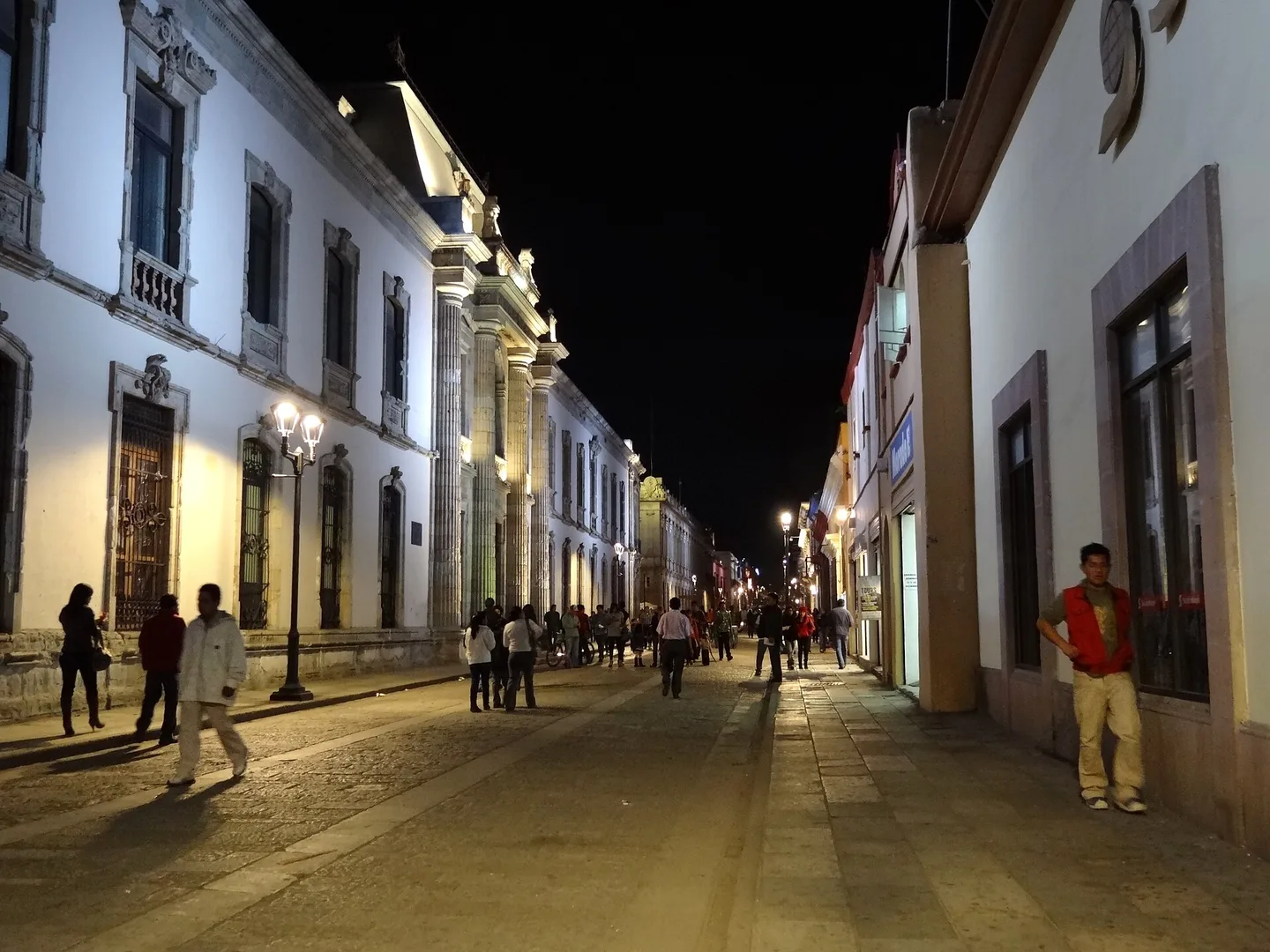
Social life in Oaxaca centres around evening meals, open-air courtyards, and relaxed mezcal tastings. Dress codes across neighbourhood cantinas, contemporary dining rooms, and rooftop terraces remain largely smart-casual. Crisp linen shirts, dark denim, casual dresses, and neat cotton trousers fit comfortably into both traditional and upscale settings. Since open-air courtyards can turn quite chilly late in the evening, packing a tailored cardigan or structured wool overshirt proves invaluable. Layering allows you to transition smoothly from an outdoor cocktail into an indoor dining room.
Respectful dress is also customary when stepping inside historic churches such as Santo Domingo. Covering bare shoulders and avoiding brief shorts reflects local cultural norms within active places of worship. A light pashmina or cotton wrap folded in your bag quickly covers shoulders whenever you enter sacred spaces. By blending respectful modesty with functional layering, you maintain comfort throughout every cultural encounter. Sensible planning keeps your luggage light while meeting the practical demands of highland weather.
Weather by month
Oaxaca is warmest in April, with average highs around 31°C, and coldest in January, when nights drop to about 11°C. September is the wettest month by rainfall (174 mm), with rain on about 21 days. For mild weather with fewer rainy days, aim for January, November and December.
| Month | Low | Range | High | Rain | Rainy days |
|---|---|---|---|---|---|
| Jan | 11°C | 26°C | 3 mm | 1 d | |
| Feb | 11°C | 28°C | 2 mm | 0 d | |
| Mar | 13°C | 29°C | 17 mm | 3 d | |
| Apr | 15°C | 31°C | 19 mm | 5 d | |
| May | 16°C | 30°C | 57 mm | 9 d | |
| Jun | 16°C | 26°C | 168 mm | 20 d | |
| Jul | 14°C | 26°C | 114 mm | 18 d | |
| Aug | 15°C | 26°C | 145 mm | 20 d | |
| Sep | 15°C | 25°C | 174 mm | 21 d | |
| Oct | 14°C | 25°C | 93 mm | 11 d | |
| Nov | 12°C | 26°C | 8 mm | 3 d | |
| Dec | 11°C | 26°C | 2 mm | 1 d |
Averages of daily values from 2015 to 2024. Rainy days are days with at least 1 mm of rain. Source: Open-Meteo · Compare destinations by month.
Official prices and opening hours
- Zona Arqueológica de Monte Albán (INAH)Official site ↗
Where it is
- 1Oaxaca
- Xoxocotlán International Airport (OAX) · about 7 km from Oaxaca in a straight line
- Directions in Google Maps
Stations and taxi ranks: OpenStreetMap. Airports: OurAirports. Distances are in a straight line.
Traveller tips
Real advice from people who have been to Oaxaca. Every tip is read by our team before it goes live.
No tips yet. Been here? Yours could be the first.
Thank you! Your tip will appear here after a quick review.
More in Oaxaca
Continue exploring Oaxaca with related neighbourhood, food, and planning guides
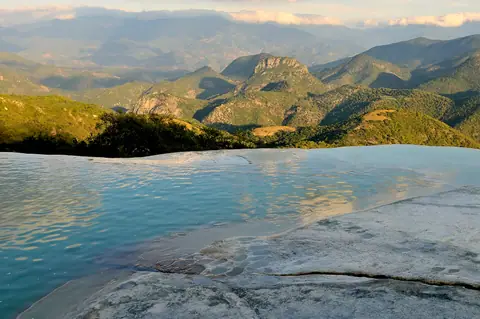
Hierve el Agua, Mitla and the Tule Tree: Tlacolula Valley Guide
Oaxaca, Mexico
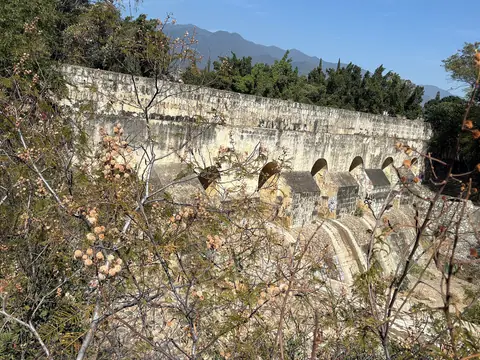
Barrio de Jalatlaco, Xochimilco Aqueduct and Historic Oaxaca Walking Guide
Oaxaca, Mexico
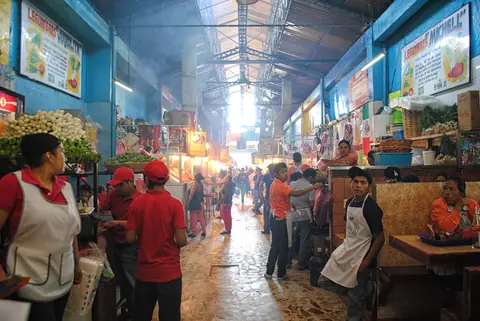
Oaxaca Markets Guide: Benito Juárez, Pasillo de Humo & Tlacolula
Oaxaca, Mexico
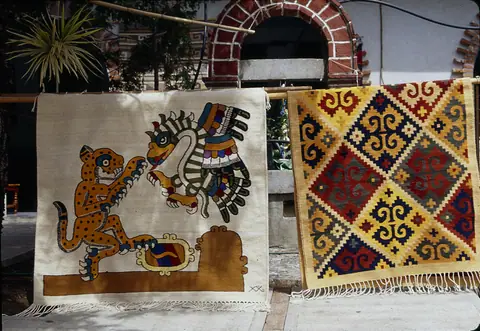
Oaxaca Mezcal Distilleries, Teotitlán Weavers and Artisan Craft Villages
Oaxaca, Mexico
