Photo: Moody 75 from Phoenix, AZ (currently) · CC BY-SA 4.0
Oaxaca: Valleys, Heritage Streets and Local Logistics
Oaxaca pairs grand colonial stone architecture and ancient indigenous landscapes with quiet neighbourhood lanes and traditional market halls across sunny highland terrain.
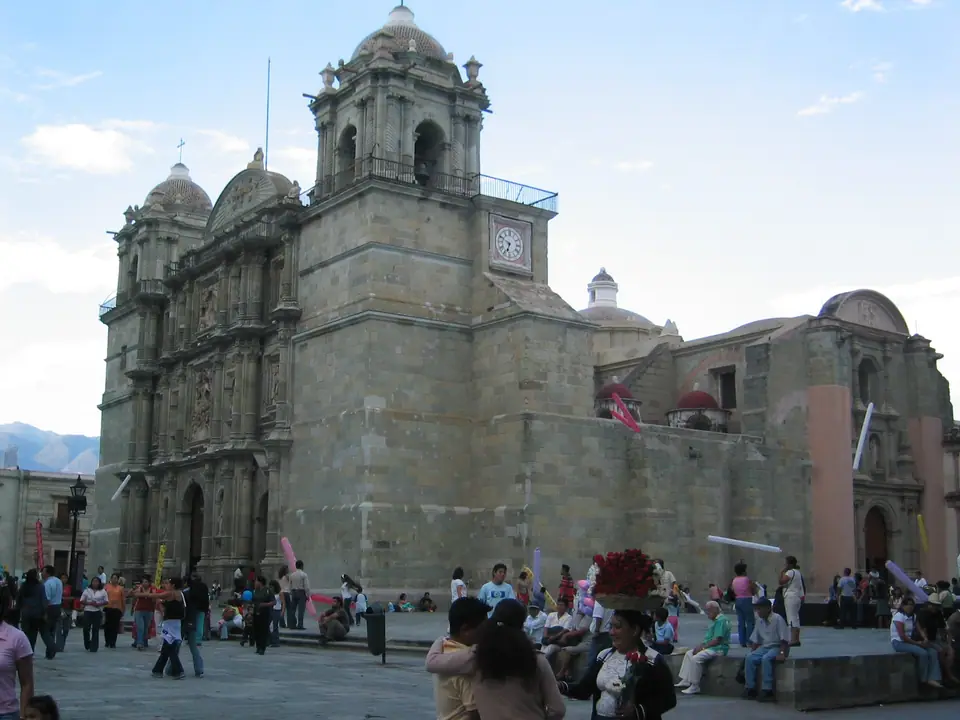
Oaxaca sits framed by high southern ridges, where colonial streets cross ancient indigenous routes. We begin our journeys around the green cantera stone facades of Santo Domingo de Guzmán before following stone-paved lanes towards the Zócalo.
Walking remains the simplest way to absorb the city, as central blocks run on a neat grid that rewards early risers. Sunlight hits pale masonry softly, bringing warmth to courtyard cafés and quiet plazas before traffic builds up around arterial avenues. Planning a sensible route means pacing ourselves through shaded alleys and avoiding midday heat on exposed stone avenues.
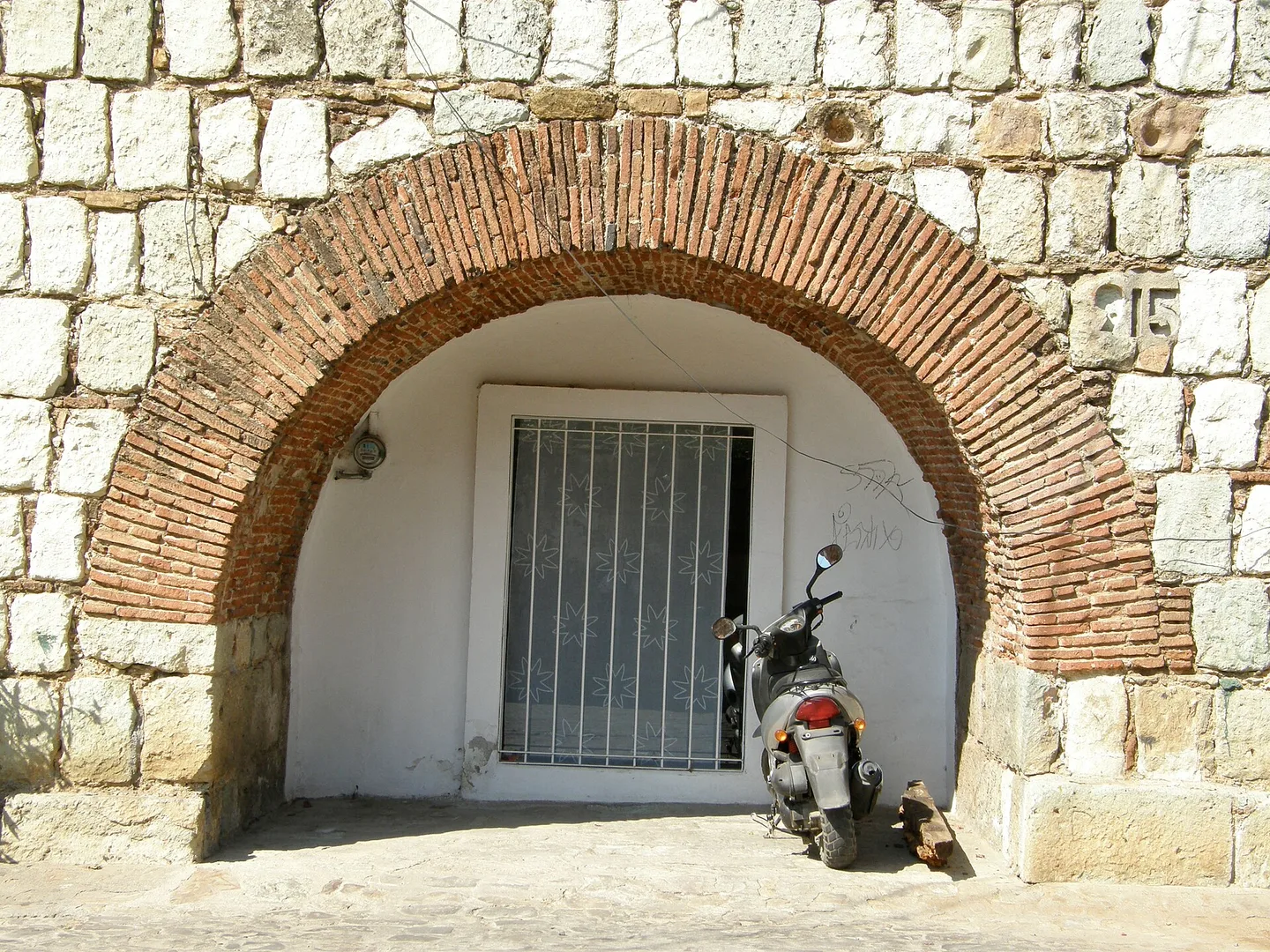
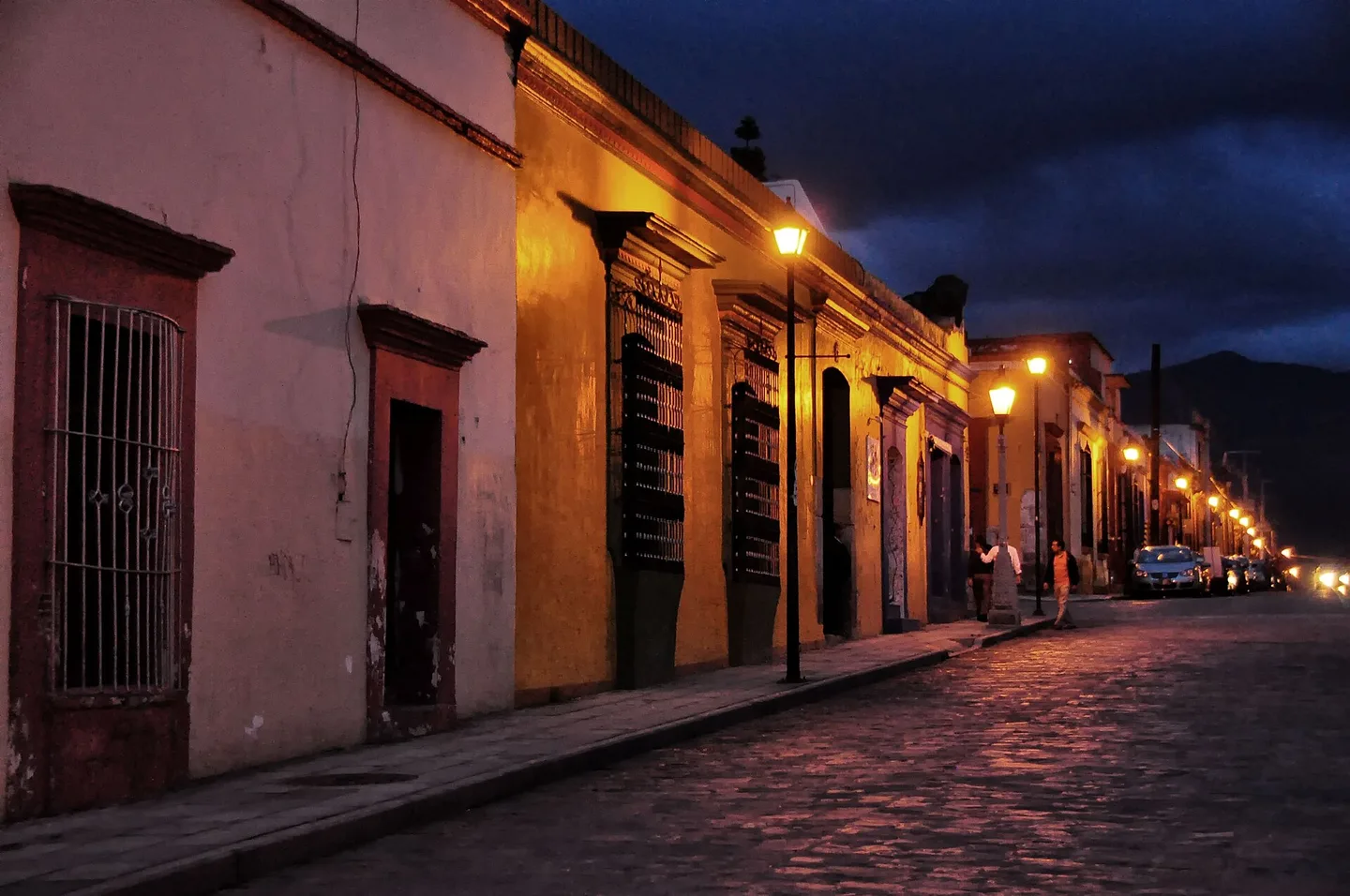
East of the main axis, Barrio de Jalatlaco presents cobbled lanes lined with low adobe houses and bright murals. Further north, Barrio de Xochimilco preserves older brickwork where an ancient aqueduct still traces quiet boundary walls.
We can wander between these peaceful residential zones and central cultural houses without taking taxis, as long as we pack comfortable footwear. Organise clothing choices around light highland layers and evening jackets to handle cool dawns and sunny valley afternoons.
The central grid features wide stone pavements that allow unhurried pedestrian exploration. Local morning markets awaken early, filling surrounding streets with aromas of fresh bread, roasted coffee, and ground cacao. Taking time to pause in small family bakeries gives visitors a grounding look into everyday neighbourhood life.
Highland Archaeology and the Three Valleys
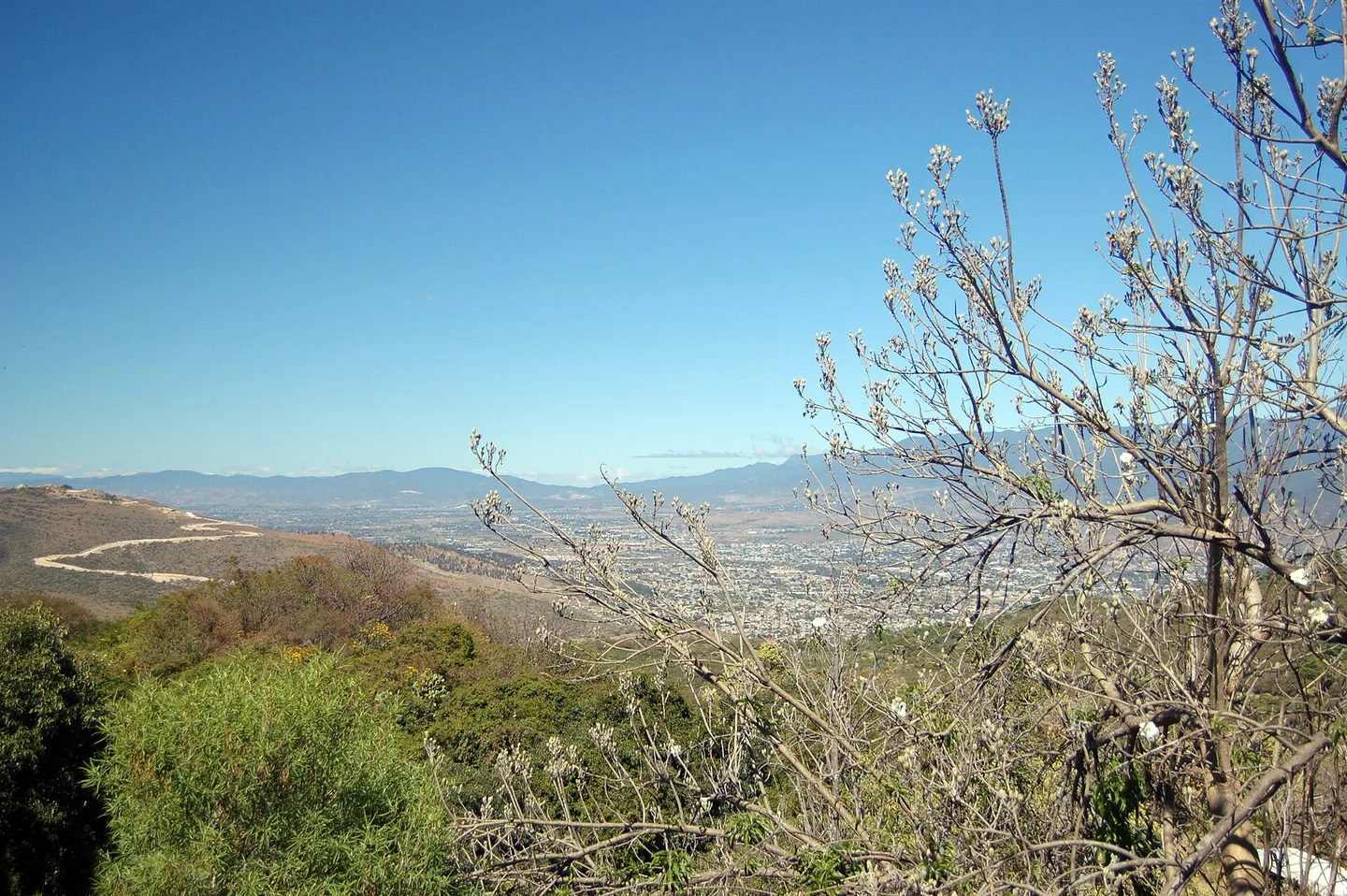
Beyond the urban core, the Central Valleys spread outwards into distinct craft districts and archaeological plateaus. High above the valley floor sits the mountain complex of Monte Albán, where ancient flattened summits reveal broad ceremonial plazas, stone ball courts, and carved stelae.
Check current entry hours and ticket rules in the practical details box before setting out. Morning breezes keep the open ridge comfortable, though shade disappears quickly around noon on the wide temple platforms.
Descending into the eastern and southern branches of the valleys reveals dedicated artisan communities. Villages specialise in distinctive heritage trades, from hand-loomed wool textiles to burnished black pottery and carved wooden figures.
Collective shared taxis and local buses depart frequently from stations near the central market belt, offering inexpensive connections to regional hamlets. Map out regional flight hubs and bus terminals early so rural road connections run smoothly.
Visiting these outlying craft settlements gives depth to the regional narrative. Weavers work traditional wooden frame looms using natural plant and insect dyes. Meanwhile, master potters shape unglazed clay jars using techniques passed through countless family generations across the valley.
Cash Customs, Market Etiquette and Evening Safety
Daily trade in Oaxaca relies heavily on physical notes, especially once you step inside covered municipal halls or buy produce from street vendors. While established restaurants and boutique hotels process major credit cards, family stalls, regional bus drivers, and textile workshops require local currency.
We recommend withdrawing funds from bank branches near the Zócalo during morning business hours rather than relying on unmonitored standalone cash dispensers at night. Bank vestibules offer secure conditions and consistent power supplies.
Carrying small denominations prevents awkward exchanges, as stallholders frequently lack change for larger banknotes. Keep smaller notes separated into accessible pockets so you never display full wallets in crowded market aisles.
Street safety across the central tourist zone remains reliable, though standard urban vigilance is prudent along unlit outskirts after midnight. Keeping phones discrete and walking along well-illuminated thoroughfares makes evening strolls between mezcal bars and open plazas worry-free.
When purchasing artisanal goods, gentle bargaining is customary in open markets, yet respectful buyers honour the skilled handcrafting involved. Smiling and asking permission before photographing stall displays fosters warm interactions across all vendor halls.
Quarter Distinctions and Urban Sequence
Structuring your days by sector prevents backtracking across busy crossing points and crowded avenues. The central historic district clusters major museums, leafy church courtyards, and lively brass band performances around public benches. Meanwhile, outer quarters offer contemplative escapes where local families gather outside corner bakeries and neighbourhood chapels.
| Quarter | Character | Notable Feature | Recommended Pace |
|---|---|---|---|
| Centro Histórico | Colonial architecture and civic life | Santo Domingo de Guzmán and Zócalo | Brisk morning walks and relaxed evenings |
| Barrio de Jalatlaco | Cobbled lanes, bright murals, quiet cafés | Calm residential lanes and timber gates | Unhurried afternoon explorations |
| Barrio de Xochimilco | Traditional stonework and historic aqueduct | Colonial aqueduct arches and artisan studios | Quiet early morning strolls |
| Central Valleys | Wide agricultural plains and mountain ruins | Archaeological complexes and craft villages | Dedicated full-day valley excursions |
Combining morning ruin explorations with late afternoon museum stops allows you to rest during peak heat. Oaxaca rewards patient travellers who balance busy sightseeing lists with quiet bench pauses under leafy ficus trees.
Whether browsing regional ceramic galleries or listening to evening marimba concerts, staying central simplifies everyday exploration. Gentle foot travel remains the finest way to connect with the timeless highland rhythm of this historic valley capital.
Official prices and opening hours
- Zona Arqueológica de Monte Albán (INAH)Official site ↗
Where it is
- 1Oaxaca
- Xoxocotlán International Airport (OAX) · about 7 km from Oaxaca in a straight line
- Directions in Google Maps
Stations and taxi ranks: OpenStreetMap. Airports: OurAirports. Distances are in a straight line.
Traveller tips
Real advice from people who have been to Oaxaca. Every tip is read by our team before it goes live.
No tips yet. Been here? Yours could be the first.
Thank you! Your tip will appear here after a quick review.
More in Oaxaca
Continue exploring Oaxaca with related neighbourhood, food, and planning guides
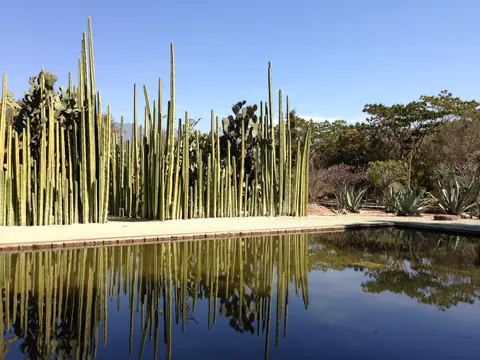
Santo Domingo Church, Ethnobotanical Garden and Calle Alcalá Walk
Oaxaca, Mexico
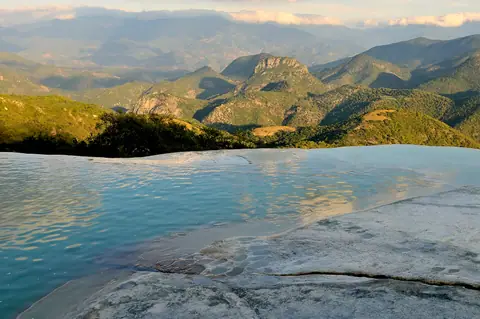
Hierve el Agua, Mitla and the Tule Tree: Tlacolula Valley Guide
Oaxaca, Mexico
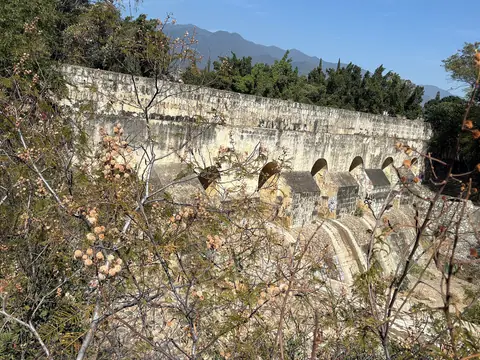
Barrio de Jalatlaco, Xochimilco Aqueduct and Historic Oaxaca Walking Guide
Oaxaca, Mexico
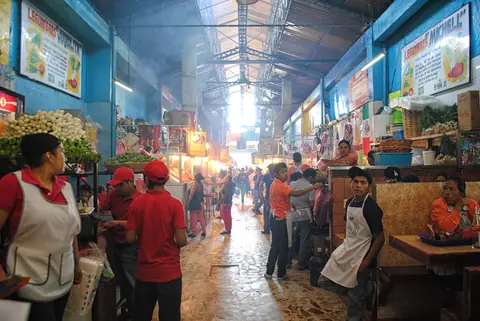
Oaxaca Markets Guide: Benito Juárez, Pasillo de Humo & Tlacolula
Oaxaca, Mexico
