Photo: Eljaivan · CC BY-SA 4.0
Best Things to Do in Oaxaca: Monte Albán, Santo Domingo and Local Markets
From pre-Hispanic ridge temples to grand baroque facades and fragrant market halls, Oaxaca rewards unhurried footwork across valley settlements.
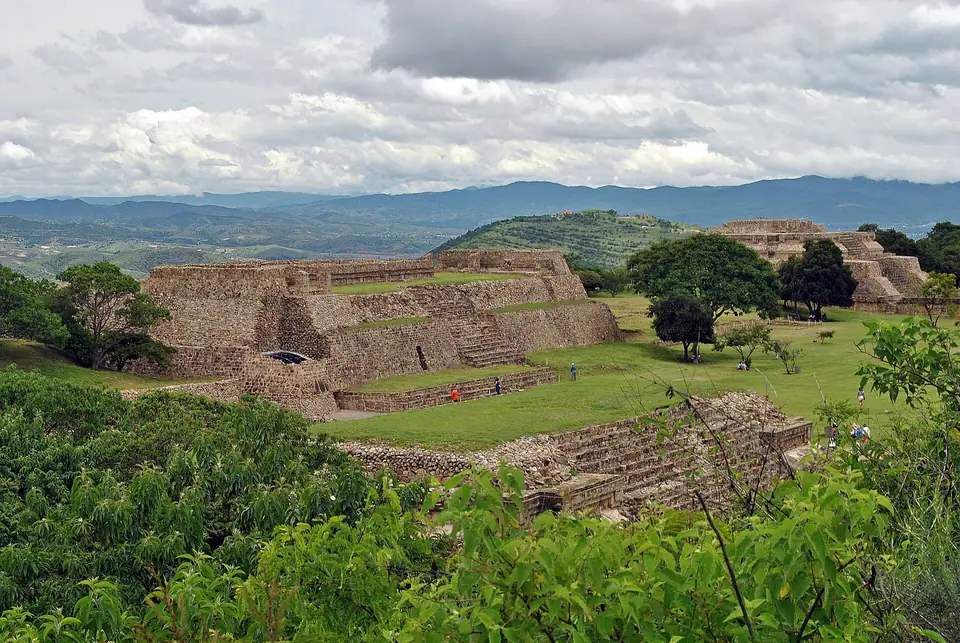
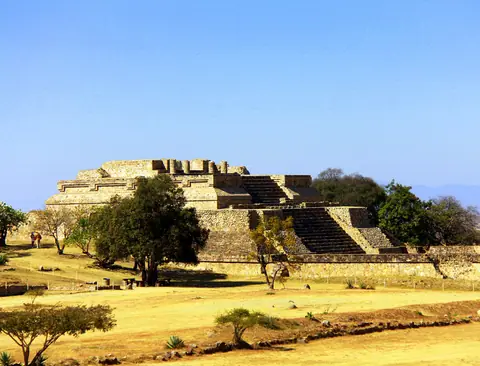
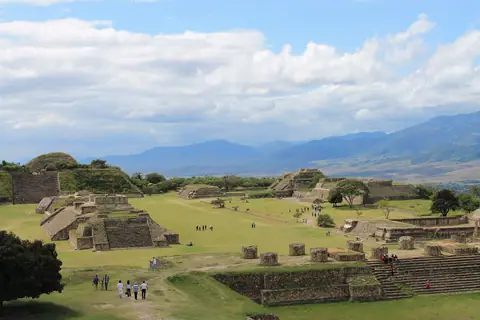
Rising high above the broad valley floor, the ancient Zapotec ceremonial centre of Monte Albán commands sweeping views across the surrounding mountain ridges. Terraced limestone foundations support monumental platforms, ball courts, and stone stelae carved with early hieroglyphic figures. We recommend arriving in the morning before heat reflects off open plazas, after reviewing admission times and rules in the practical details box. The vast layout requires steady walking over uneven stone steps, so sturdy footwear proves invaluable when climbing the southern platform.
Standing atop the northern mounds, travellers can trace how indigenous engineers flattened the limestone ridge to shape a communal sanctuary. Low-slung stone temples frame expansive skies, revealing the scale of urban planning achieved long before the arrival of Spanish colonists. Shaded areas across the summit remain sparse, meaning that broad sun hats and plenty of water are vital accessories during any extended tour.
You can also study carved stelae depicting dancers and ancient leaders around the central plaza. These monoliths record significant military victories and celestial observations made by Zapotec astronomers. Taking time to walk the perimeter offers a deep perspective on valley history before you descend toward the colonial centre.
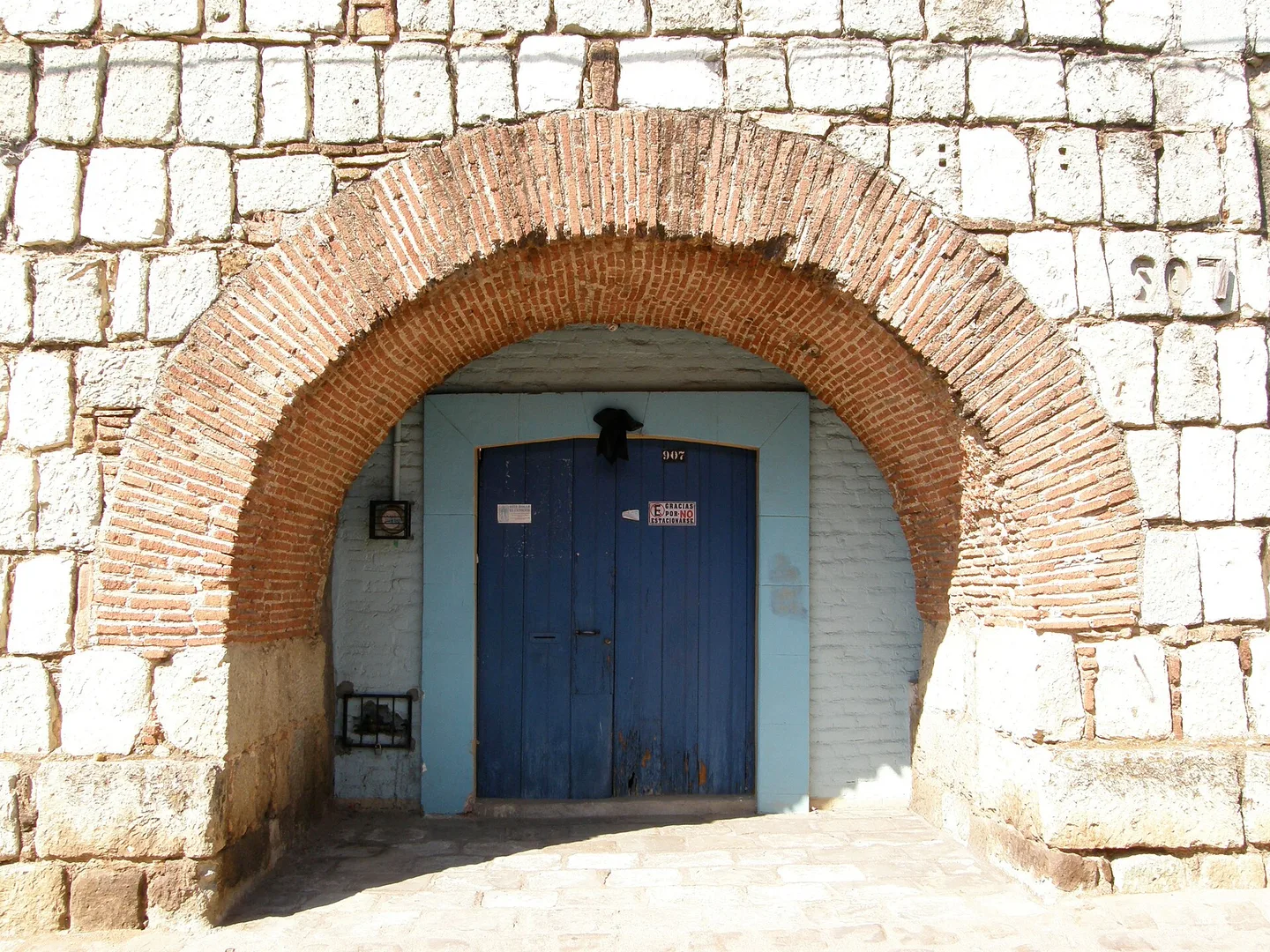
Back within the historic core, the monumental church and former monastery of Santo Domingo de Guzmán presents a magnificent example of New World baroque design. Gilded plasterwork and intricate family trees cover the high barrel vault, catching the soft afternoon light that filters through high stone windows. Adjacent cloister corridors now house regional museum collections, where gold jewellery recovered from Tomb 7 at Monte Albán rests in quiet display cases.
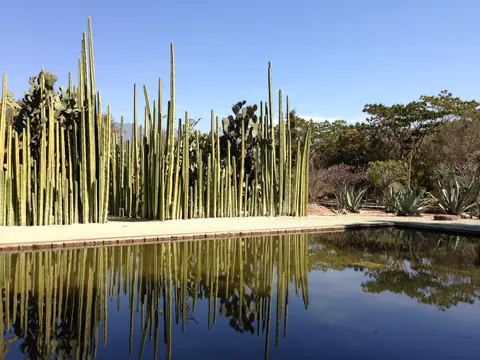
Surrounding the convent walls, the Ethnobotanical Garden showcases hundreds of plant species native to the state, arranged along gravel paths and stone water canals. Walking down the stone-paved Calle Macedonio Alcalá brings you past cultural institutes, printmaking workshops, and quiet courtyards filled with flowering bougainvillea. Pack breathable daytime cottons and warm evening layers suited to sunny highland afternoons and chilly nights.
The pedestrian corridor along Calle Macedonio Alcalá remains lined with restored colonial mansions and independent galleries. Many courtyards house community libraries, artisan textile showrooms, and small cafes serving regional coffee varieties. Strolling along this stone street allows travellers to appreciate the architectural balance between sixteenth-century stonework and contemporary creative life.
No exploration of the city feels complete without immersing yourself in the central market halls south of the main plaza. Stalls inside Mercado 20 de Noviembre brim with roasting meats, fresh quesillo cheese ribbons, and massive clay pots bubbling with rich moles. We suggest sampling a variety of regional flavours, from deep, smoky mole negro to brighter herbal preparations seasoned with epazote and local chillies.
- Mercado Benito Juárez: best for fragrant dried chillies, woven baskets, and hand-carved wooden spoons.
- Mercado 20 de Noviembre: renowned for smoky meat alleys and rich breakfast chocolate bowls.
- Central de Abastos: an enormous trading exchange suitable for experienced walkers seeking raw textiles and seasonal produce.
Roasting cacao beans fill the surrounding side streets with sweet, earthy aromas where traditional mills grind chocolate with cinnamon and almonds. Sipping a frothy cup of stone-ground chocolate alongside sweet egg bread offers a welcome rest after navigating the lively lanes. Align your culinary walks with harvest fairs and dry winter sunshine or autumn festival weeks across the valley.
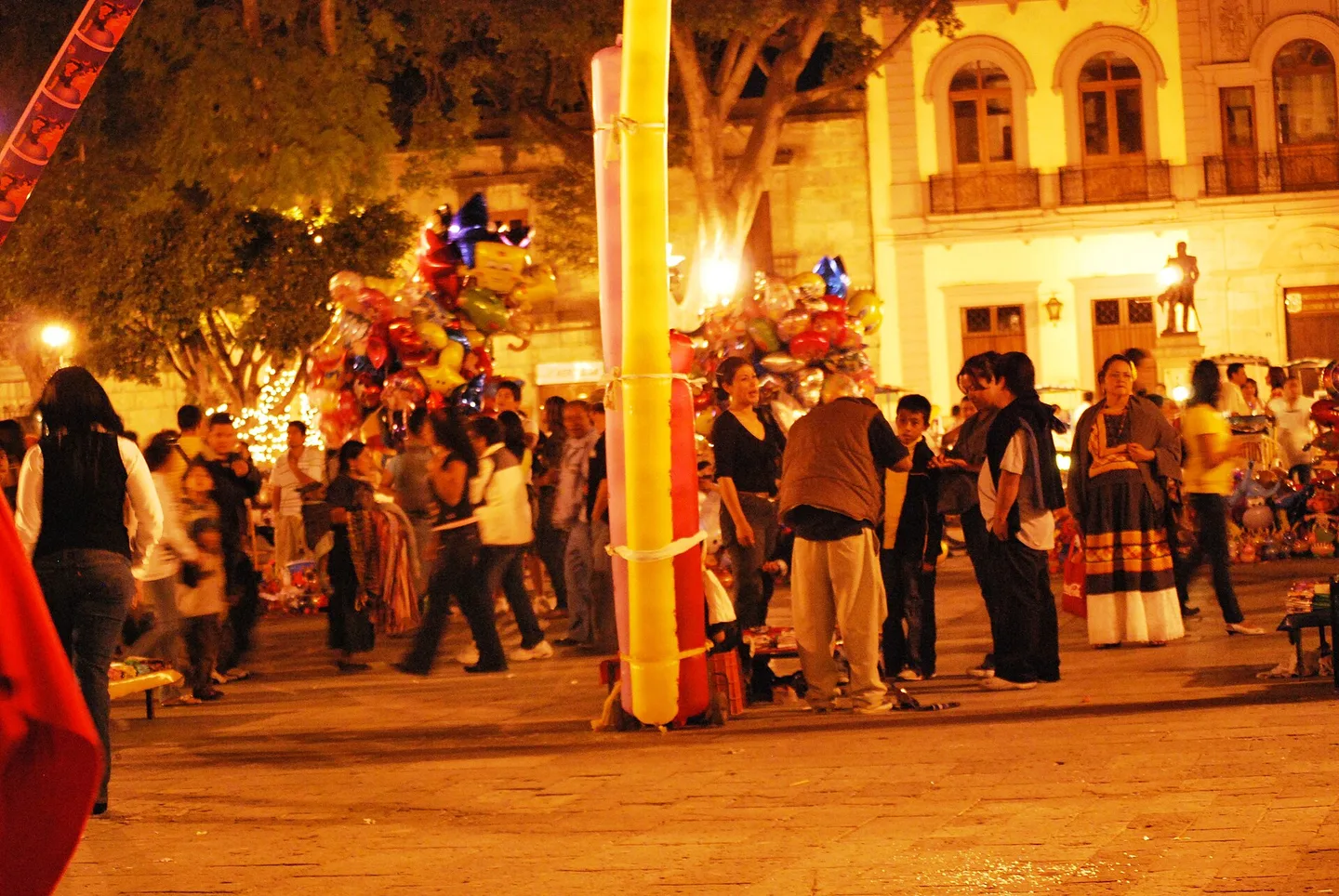
In the evening, the central zócalo becomes a social gathering point for musicians, street vendors, and local families. Brass bands frequently perform traditional waltzes under the central gazebo while diners occupy outdoor terrace tables under the stone portales. Stopping here at dusk gives an authentic glimpse into the daily social rhythm of the regional capital.
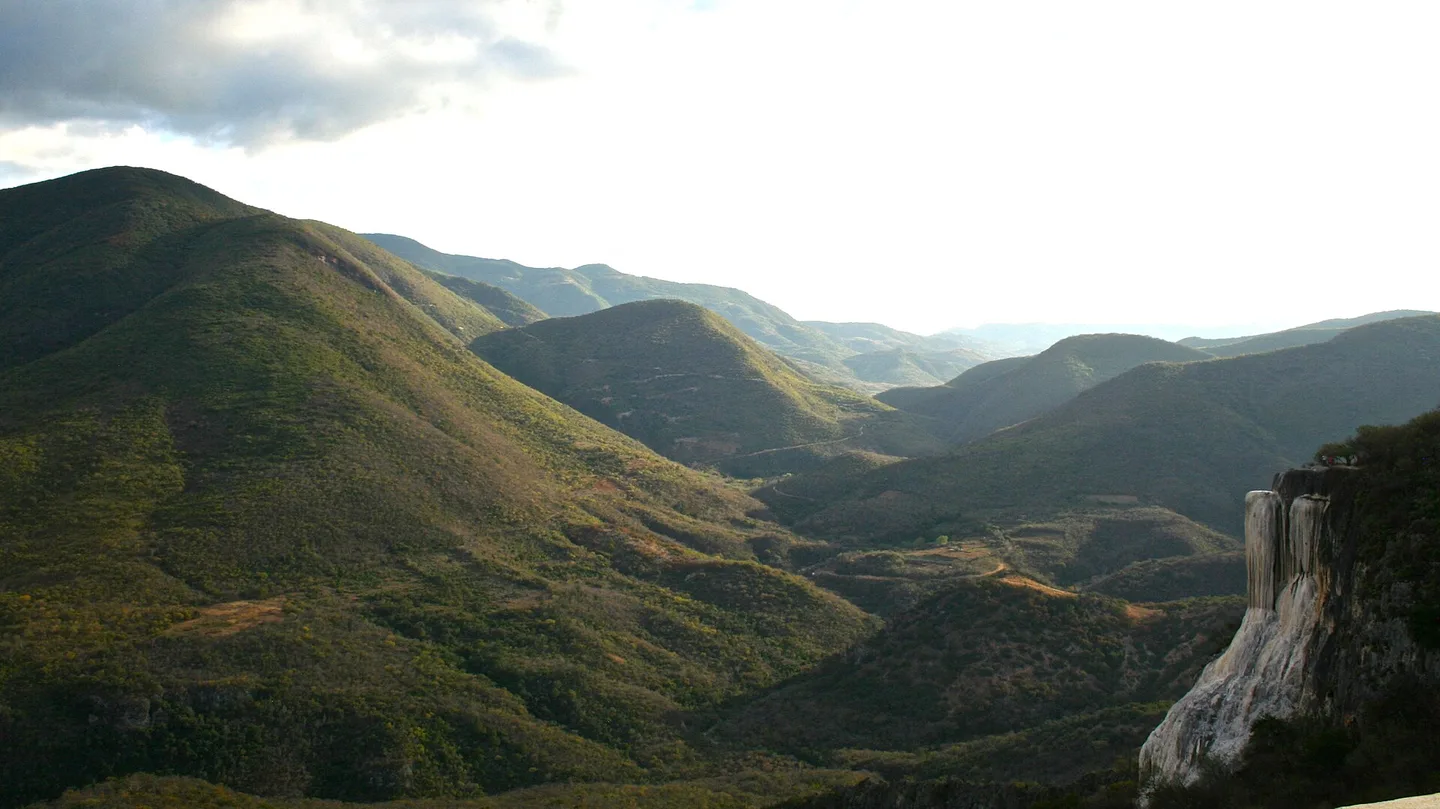
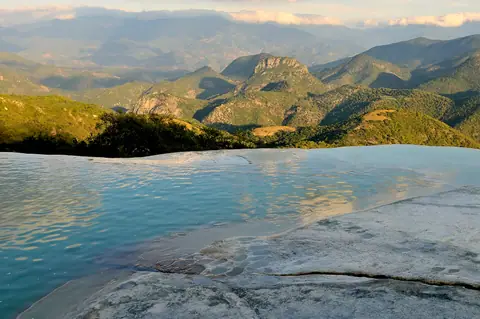
Beyond the municipal perimeter, the eastern arm of the valley leads to remarkable natural monuments and specialised artisan communities. Mineral-rich thermal springs at Hierve el Agua have deposited pale carbonate terraces over thousands of years, forming sheer petrified falls above deep gorges. Natural infinity pools at the clifftop permit a cooling dip, set against arid ridges dotted with columnar cacti.
Nearby rural settlements preserve distinct craft disciplines, from pedal-loom wool weaving in Teotitlán del Valle to black clay pottery in San Bartolo Coyotepec. Local cooperative workshops welcome observers, demonstrating how natural cochineal insects and indigo plants produce luminous textile dyes. Exploring these quiet valley outposts creates a rich counterpoint to the energetic tempo of city squares, deepening your appreciation for Oaxacan heritage.
Visiting these artisan villages also supports family-run studios that have passed technical methods down through multiple generations. Whether watching a potter burnish dark clay using a smooth river stone or observing carded wool spun onto wooden spindles, the process reflects enduring cultural resilience. Planning a full excursion through the Tlacolula valley rewards visitors with an indelible understanding of southern Mexican craftsmanship.
Official prices and opening hours
- Zona Arqueológica de Monte Albán (INAH)Official site ↗
Where it is
- 1Oaxaca
- Xoxocotlán International Airport (OAX) · about 7 km from Oaxaca in a straight line
- Directions in Google Maps
Stations and taxi ranks: OpenStreetMap. Airports: OurAirports. Distances are in a straight line.
Traveller tips
Real advice from people who have been to Oaxaca. Every tip is read by our team before it goes live.
No tips yet. Been here? Yours could be the first.
Thank you! Your tip will appear here after a quick review.
More in Oaxaca
Continue exploring Oaxaca with related neighbourhood, food, and planning guides
3 Days in Oaxaca: Centro, Monte Albán, and Mitla Valley Route
Oaxaca, Mexico
Monte Albán Visitor Guide: Ridge Pyramids, Danzantes and Transport
Oaxaca, Mexico
Santo Domingo Church, Ethnobotanical Garden and Calle Alcalá Walk
Oaxaca, Mexico
Hierve el Agua, Mitla and the Tule Tree: Tlacolula Valley Guide
Oaxaca, Mexico
