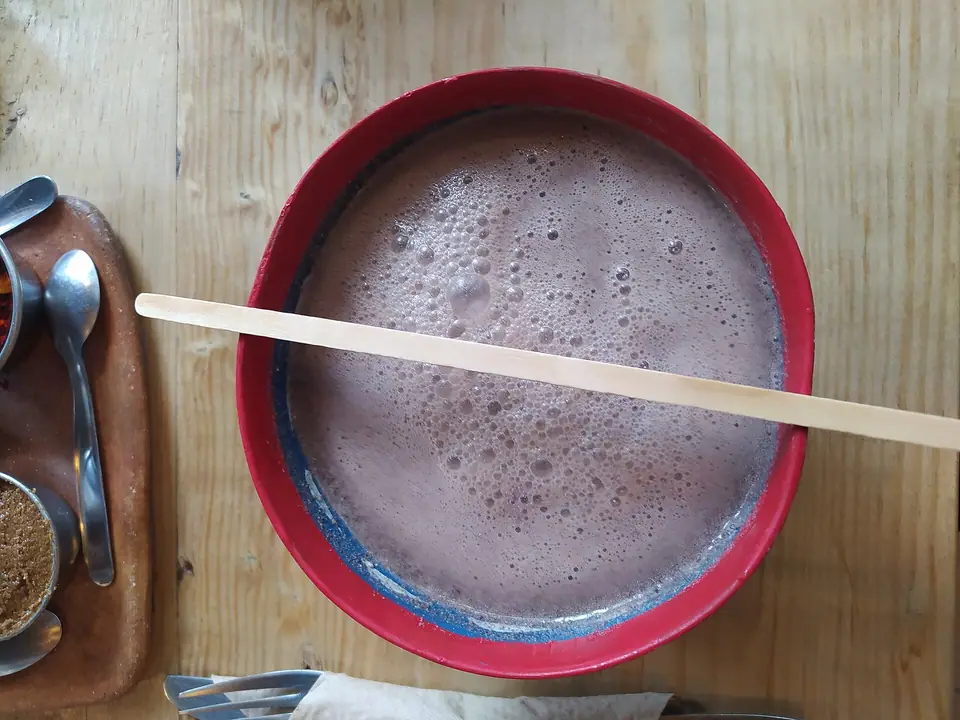
Photo: Pequeño mar · CC BY-SA 4.0
What to Eat in Oaxaca: Traditional Moles, Tlayudas and Market Food
Traditional Oaxacan cuisine highlights complex moles, crisp tlayudas, and market specialities across the historical dining districts of the city.
The Heritage of Oaxacan Moles
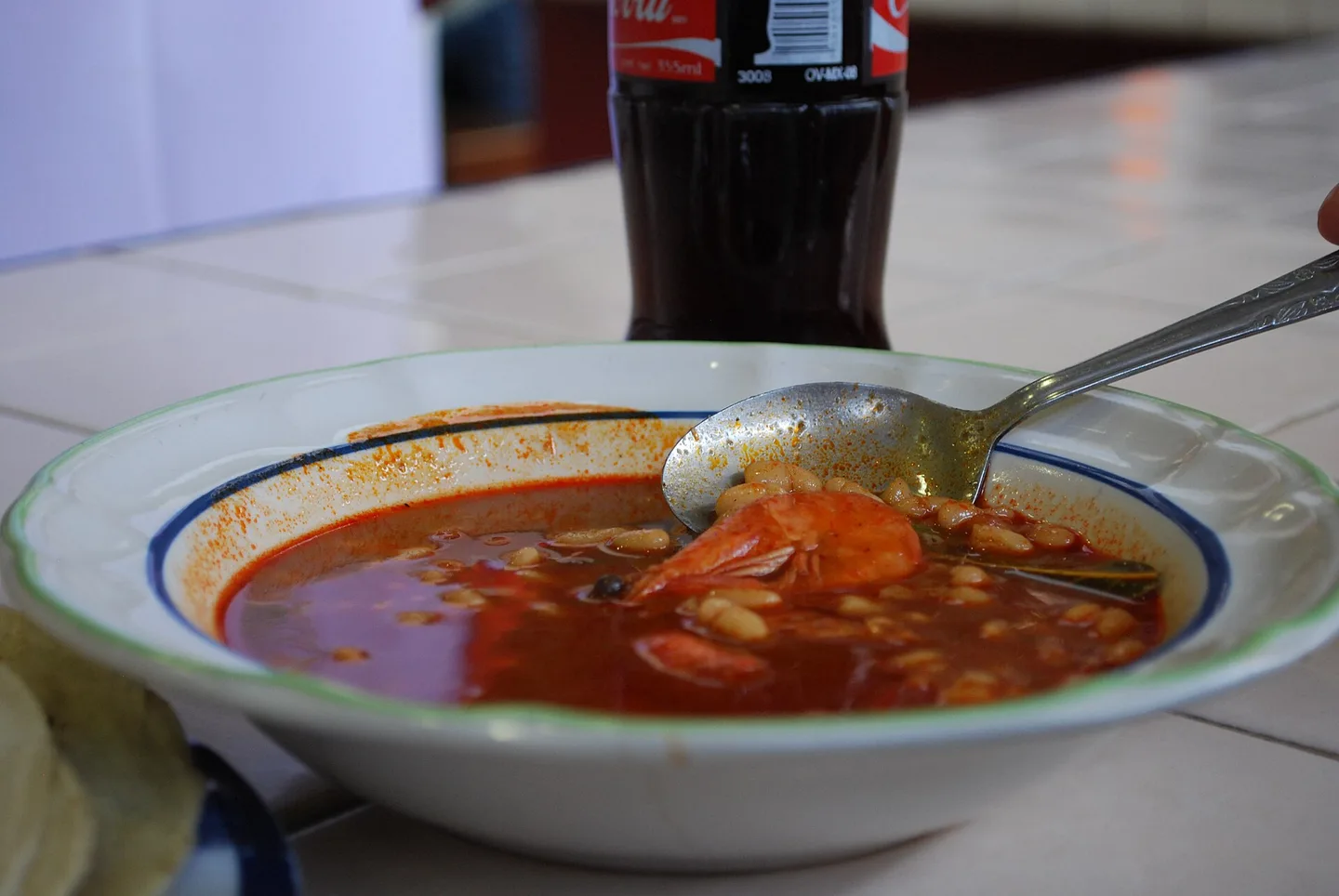
Oaxaca stands as Mexico's primary culinary capital, celebrated worldwide for sauces that demand hours of patient roasting and grinding. Seven classic variations anchor the regional canon, each balancing dried chillies, seeds, nuts, and indigenous herbs. Mole negro represents the most complex preparation, using charred chilli seeds and dark chocolate to produce an earthy, savoury depth. Mole coloradito offers a milder profile with ripe plantain, while mole verde incorporates fresh coriander and epazote.
Cooks across the valley prepare these sauces for festive banquets as well as weekday family lunches. Traditional recipes rely on comales to toast ingredients evenly without burning delicate skins. Smooth stone metates traditionally ground the toasted paste, though small neighbourhood mills now assist with the heavier labour. Steamed chicken, turkey, or pork shoulder form the usual base for these opulent gravies. Freshly pressed corn tortillas accompany every bowl so that no glossy drop remains behind.
You can trace the history of these dishes through local convent kitchens where indigenous produce met Spanish lard and spices. While fitting slow lunches around monuments and artisan hubs in town, allow unhurried midday breaks for multi-course tastings. Sitting down for a full menu lets you compare the tart acidity of mole manchamanteles against the fragrant anise notes of mole chichilo.
Street Food Staples and Market Halls
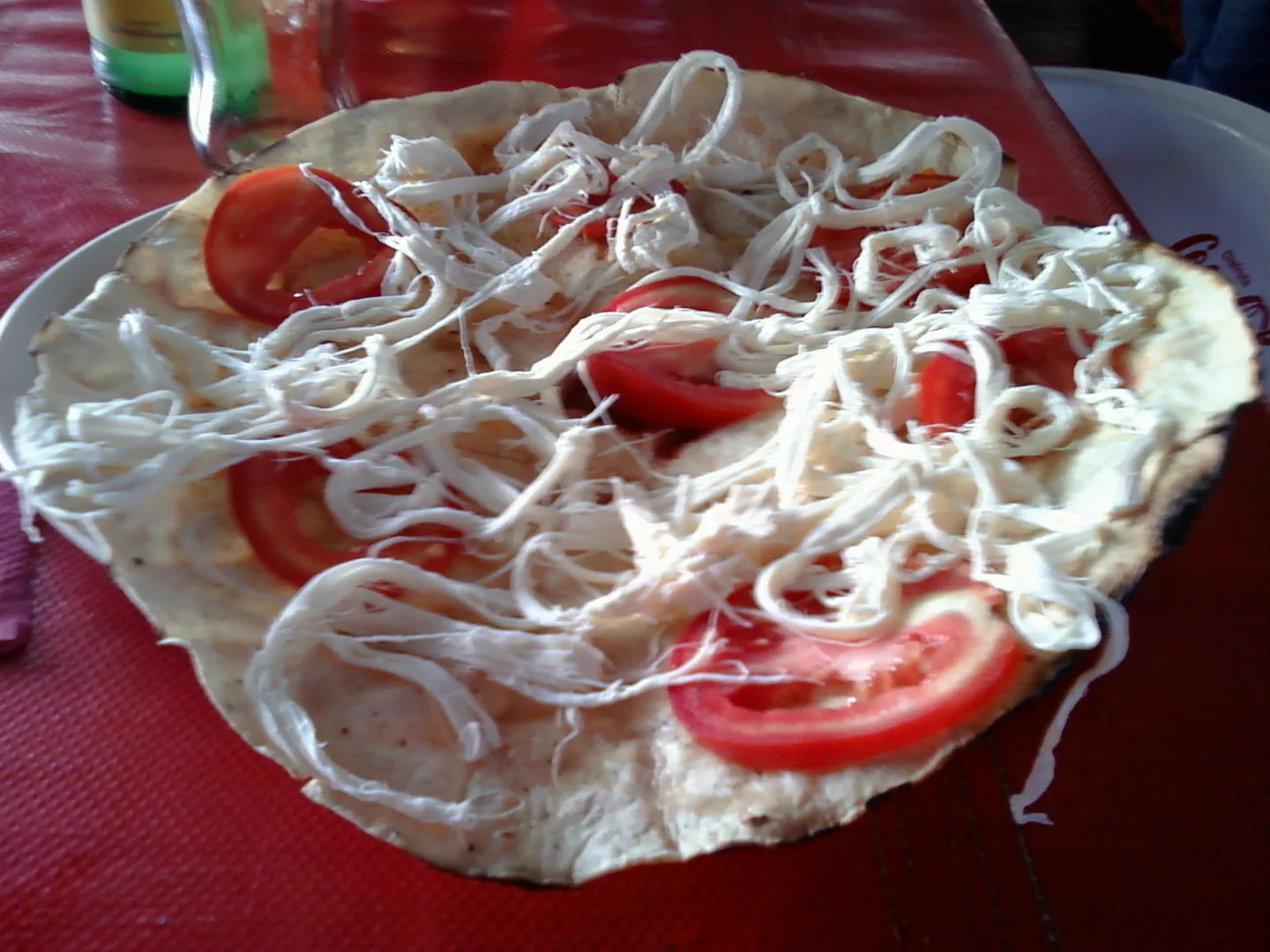
Evening dining in Oaxaca revolves around the tlayuda, often called the regional flatbread. Vendors spread unrefined pork lard, known locally as asiento, across a large toasted corn tortilla before adding refried black beans. Shredded quesillo covers the beans, melting slowly as the disc rests over glowing charcoal grates. Crisp cabbage or lettuce, ripe avocado, and grilled tasajo or spiced cecina finish the generous assembly.
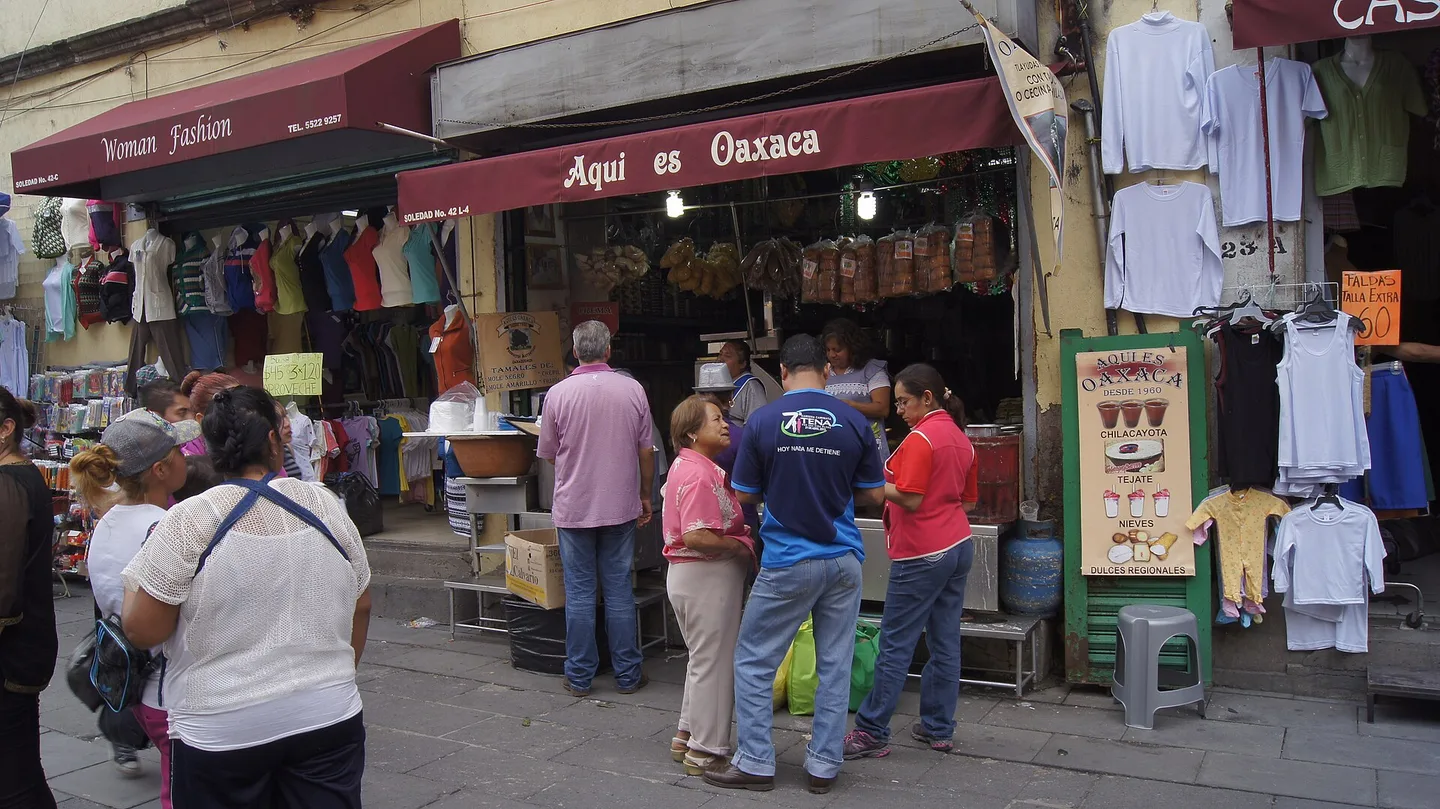
Market halls form the social and gastronomic heart of daily neighbourhood life. Aisles inside central food halls divide into dedicated lanes for baked goods, fresh cheeses, and hot soups. Smoke drifts constantly from meat corridors where butchers cook thin beef ribbons and pork chorizos over live embers. Diners sit shoulder to shoulder on long wooden benches, sharing warm tortillas and fresh radishes.
Beyond substantial evening plates, vendors supply smaller daytime snacks called antojitos across quiet plazas. Fried memelas arrive topped with fresh salsa, crumbly cheese, and savoury bean purée straight from clay griddles. Triangular tetelas fold savoury black bean paste inside thin masa pockets for a convenient handheld bite. These rapid snacks sustain residents throughout busy market mornings.
Regional Ingredients and Earthy Flavours
Distinctive indigenous staples elevate Oaxacan cooking far beyond standard national fare. Quesillo, the famous string cheese formed into wound balls, melts with a mild tang that defines local appetisers. Toasted chapulines, small grasshoppers seasoned with garlic, lime, and salt, give a crunchy bar snack packed with protein. The rich mineral notes of these insects pair naturally with cold drinks or folded quesadillas.
Wild greens gathered from surrounding valley slopes introduce sharp herbal accents to broths and stews. Hierba de conejo and wild epazote perfume pots of simmering beans, while avocado leaves lend subtle liquorice aromas to slow-cooked meats. Red and yellow chillies grown in regional microclimates give balanced heat without masking delicate spices. Fresh cacao remains equally vital, ground with almonds and cinnamon for morning foamed drinks.
| Dish or Ingredient | Key Components | Typical Serving Time |
|---|---|---|
| Mole Negro | Toasted chillies, seeds, cacao, chicken | Midday banquet meal |
| Tlayuda | Toasted corn tortilla, quesillo, tasajo | Evening street meal |
| Memela | Thick masa disc, refried beans, cheese | Morning market breakfast |
| Chapulines | Toasted grasshoppers, garlic, lime | Snack or appetiser |
Exploring our downtown and valley orientation notes reveals how rural growers supply these regional kitchens. Farmers transport seasonal squash blossoms, fresh limes, and prickly pear fruit into town at dawn. Tasting these ingredients in their purest form shows why local cooks guard their culinary heritage so carefully.
Culinary Walking Sequences and Dining Strategy
Approaching Oaxacan food demands a sensible schedule that respects local dining rhythms. Begin early at a neighbourhood market stall with hot chocolate served alongside sweet pan de yema. Late afternoon serves as the prime window for elaborate multi-course meals featuring rich moles and slow-braised meats. Save your appetite after dusk for informal street stalls that light their charcoal stoves only when the sun sets.
- Start your morning with freshly pressed corn memelas and aromatic café de olla.
- Select a traditional fonda inside a municipal market hall for midday family-style moles.
- Sample toasted chapulines with fresh lime slices while resting in tree-shaded squares.
- Finish late in the evening around outdoor charcoal braziers serving folded tlayudas.
Hydration remains essential as rich spices and roasted chillies stimulate the palate throughout warm days. Local street carts pour fresh aguas frescas flavoured with horchata, prickly pear, or lime with chia seeds. Alternatively, tejate offers a frothy traditional cold beverage made from roasted corn, fermented cacao, and mamey sapote seeds. Pacing yourself guarantees that you enjoy every distinct taste across this remarkable southern valley.
Official prices and opening hours
- Zona Arqueológica de Monte Albán (INAH)Official site ↗
Where it is
- 1Oaxaca
- Xoxocotlán International Airport (OAX) · about 7 km from Oaxaca in a straight line
- Directions in Google Maps
Stations and taxi ranks: OpenStreetMap. Airports: OurAirports. Distances are in a straight line.
Traveller tips
Real advice from people who have been to Oaxaca. Every tip is read by our team before it goes live.
No tips yet. Been here? Yours could be the first.
Thank you! Your tip will appear here after a quick review.
More in Oaxaca
Continue exploring Oaxaca with related neighbourhood, food, and planning guides
When to Experience Oaxaca: Festivals, Seasons, and Valley Climates
Oaxaca, Mexico
What to Wear in Oaxaca: Altitude Layers, Monte Albán Sun and Cobblestones
Oaxaca, Mexico
Where to Stay in Oaxaca: Best Quarters and Bases
Oaxaca, Mexico
3 Days in Oaxaca: Centro, Monte Albán, and Mitla Valley Route
Oaxaca, Mexico
