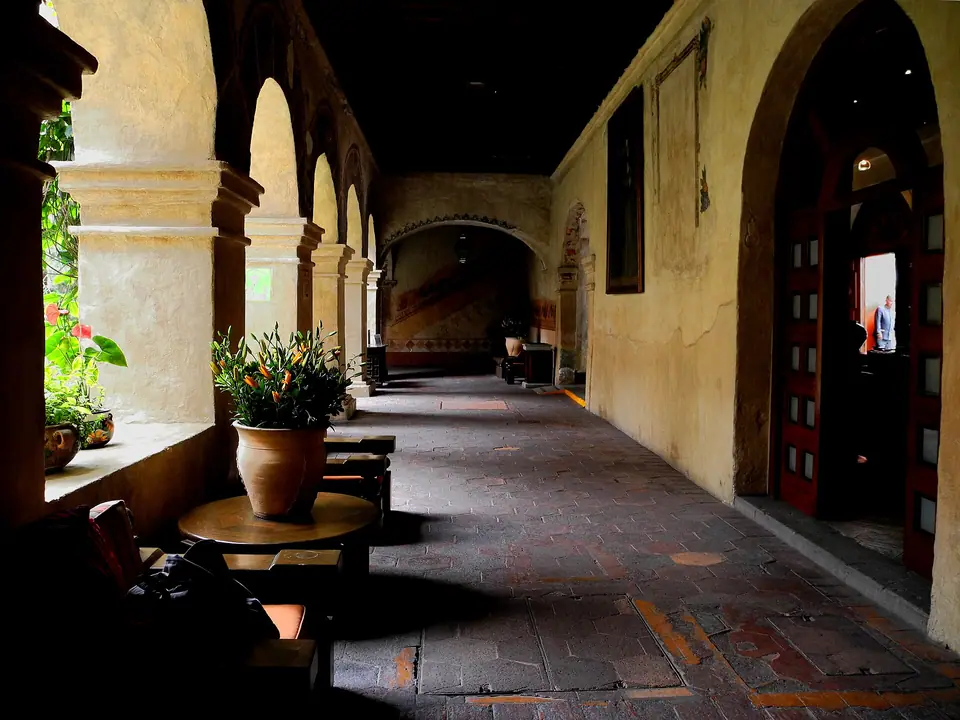
Photo: LBM1948 · CC BY-SA 4.0
Where to Stay in Oaxaca: Best Quarters and Bases
Choosing where to sleep in Oaxaca shapes your journey through quiet paved alleys, stone courtyards, and local neighbourhood markets.
Historic Centre and Santo Domingo Courtyards
Setting up your base in the heart of town places you within steps of stone churches, open plazas, and shaded green benches. Converted colonial mansions here feature central courtyards filled with leafy palms and stone fountains, offering cool respite from the midday sun. You can easily stroll out each morning towards regional bakeries and street stalls serving rich hot chocolate.
The northern edge of the central grid sits close to the monumental stone facade of the local Dominican monastery complex. Staying along these pedestrianised stone lanes keeps vehicle traffic low and allows quiet evening walks back to your room. For morning excursions heading out toward historic valley ruins and artisan studios across the plain, local taxis wait continuously beside public squares.
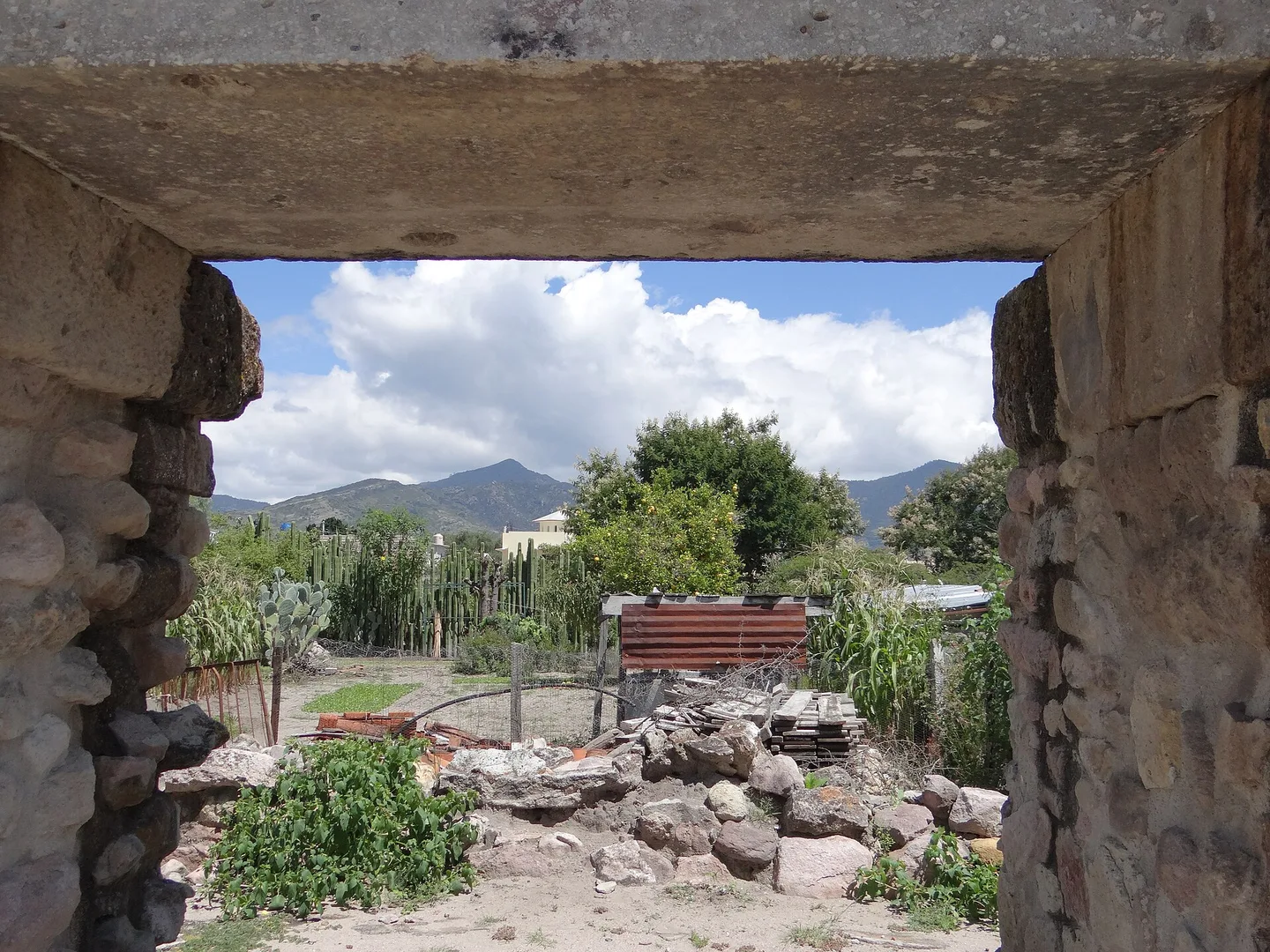
Light sleepers should choose rooms with interior windows facing the central patio rather than outward street-facing balconies. The central avenues host lively brass bands and spontaneous festival parades that frequently march past late into the night. Many local hotels offer heavy wooden shutters, which help block out early street sweepers and morning market deliveries.
Artisan Laneways of Colourful Jalatlaco
East across the main avenue lies the compact quarter of Jalatlaco, defined by bright painted stucco walls and quiet cobblestones. The district holds a calm village character while sitting only a short walk from the central plazas. Travellers seeking family-run guesthouses and converted townhouses often prefer this relaxed residential pocket.
Morning coffee culture thrives throughout the neighbourhood, with independent roasters pouring regional beans beside sunlit street corners. Wandering along the narrow streets reveals creative murals depicting local traditions, textile patterns, and indigenous celebrations. The practical city handbook outlines ways to balance quiet neighbourhood downtime with busy sightseeing itineraries.
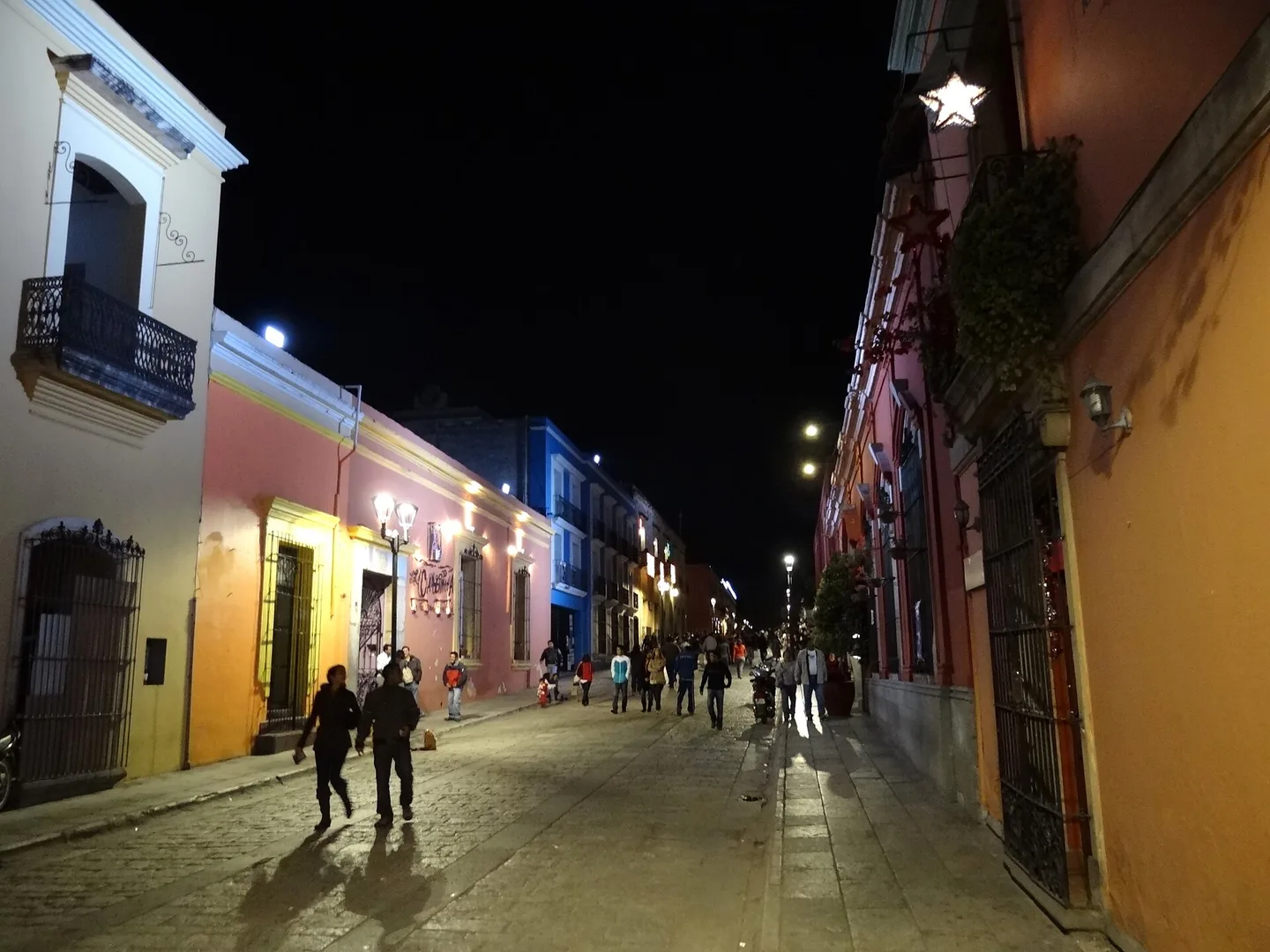
Because the cobblestones here are uneven and steep in spots, walking requires comfortable flat footwear at all times. Taxis drop passengers directly at small hotel gates, though larger transport vans occasionally struggle with the tightest street turnings. It remains one of the safest and most pleasant areas for late evening walks after dining out.
Quiet Living in Traditional Xochimilco
North of the centre, the ancient neighbourhood of Xochimilco offers an even calmer setting, rooted in old textile weaving heritage. Arched stone aqueducts still run through the quarter, framing peaceful residential lanes where elderly residents chat on doorsteps. Hotels here tend to be intimate, often featuring rooftop terraces that overlook terracotta roof tiles and surrounding mountain ridges.
Staying here means enjoying peaceful nights away from nightlife crowds and bar music. The walk down towards central sights takes roughly fifteen minutes along gently sloping sidewalks, making it an easy daily journey on foot. Connecting early out to regional highway stops works cleanly alongside public bus and regional transit notes tailored for valley day trips.
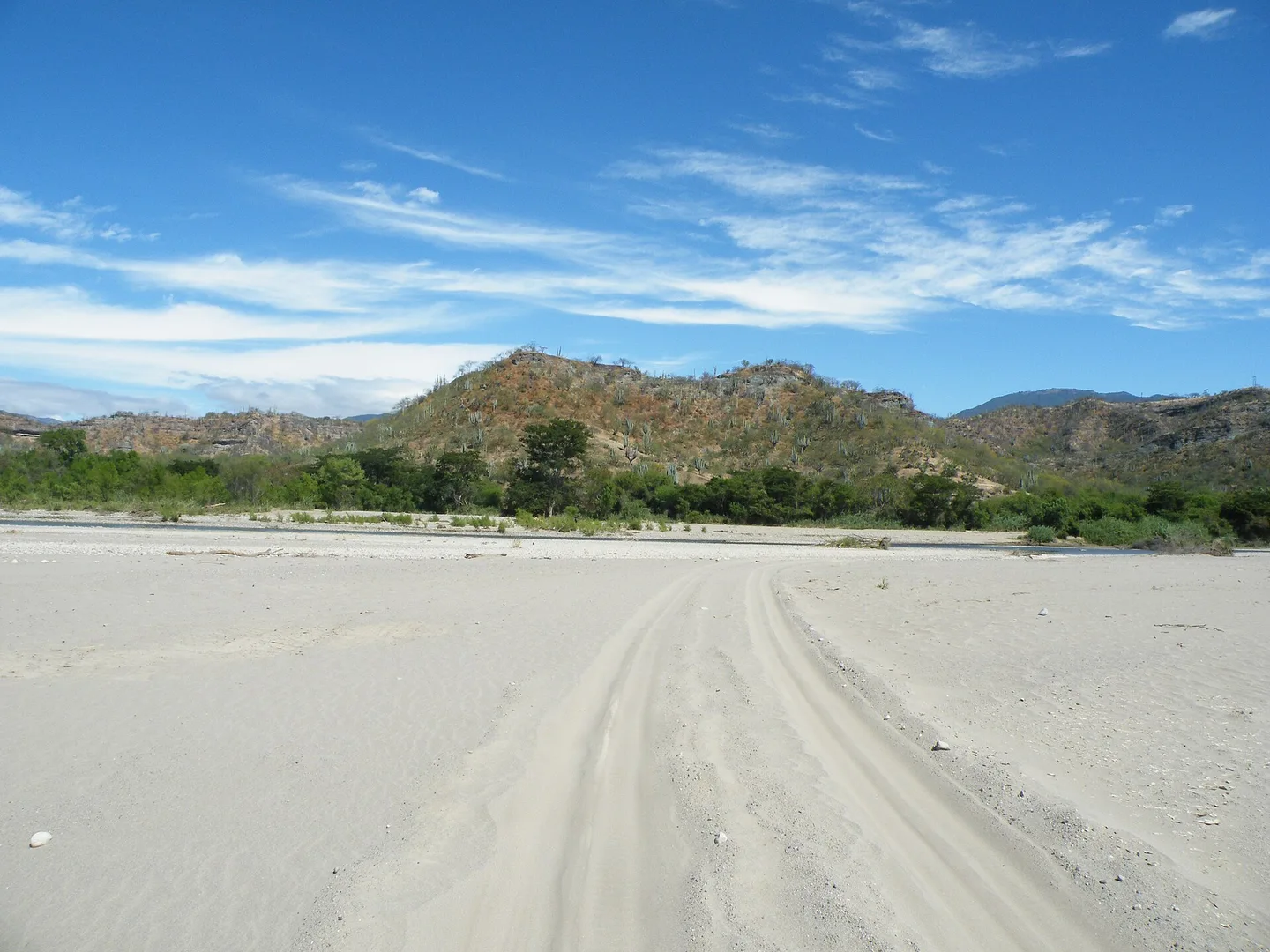
Dining choices directly inside Xochimilco consist mostly of quiet family eateries, traditional bakeries, and neighbourhood lunch counters. You will find fewer late-night dining spots here than in the centre, so most evenings involve strolling south for dinner. Returning by local street cab at night is quick and inexpensive from any central plaza.
Selecting Your Base and Moving Between Quarters
Matching your accommodation choice to your daily rhythm will make your time in the city far smoother and more rewarding. Centro Histórico works best for travellers who want immediate access to key landmarks, colourful markets, and evening mezcal bars without needing transport. Jalatlaco suits those wanting artisan charm and boutique comfort, while Xochimilco offers complete peace and village heritage.
| Quarter | Atmosphere | Walking Distance to Centre | Best Suited For |
|---|---|---|---|
| Centro Histórico | Lively and central | Immediate access | First-time visitors and market walkers |
| Jalatlaco | Artistic and relaxed | Ten to fifteen minutes | Coffee lovers and boutique inn seekers |
| Xochimilco | Quiet and traditional | Fifteen to twenty minutes | Tranquil stays and extended visits |
Keep these distinct neighbourhood traits in mind when booking your room:
- Central hotels offer instant doorstep access to major monuments but produce more night noise from church bells and festive parades.
- Jalatlaco offers quiet cobbled alleys, lovely independent cafes, and simple walking access to the eastern regional bus connections.
- Xochimilco guarantees undisturbed sleep and authentic local residential rhythm along charming ancient stone aqueduct arches.
Wherever you base yourself, moving between these three districts is straightforward on foot during daylight hours. Local collective taxis and private cabs circulate continuously along the main avenues, offering simple transfers if you carry heavy market purchases. Reserve well ahead of time during regional holiday weeks when boutique rooms across all three neighbourhoods fill up rapidly.
Official prices and opening hours
- Zona Arqueológica de Monte Albán (INAH)Official site ↗
Where it is
- 1Oaxaca
- Xoxocotlán International Airport (OAX) · about 7 km from Oaxaca in a straight line
- Directions in Google Maps
Stations and taxi ranks: OpenStreetMap. Airports: OurAirports. Distances are in a straight line.
Traveller tips
Real advice from people who have been to Oaxaca. Every tip is read by our team before it goes live.
No tips yet. Been here? Yours could be the first.
Thank you! Your tip will appear here after a quick review.
More in Oaxaca
Continue exploring Oaxaca with related neighbourhood, food, and planning guides
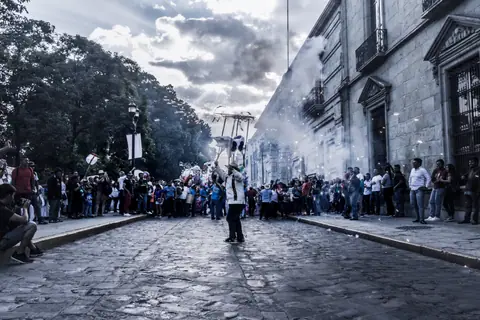
When to Experience Oaxaca: Festivals, Seasons, and Valley Climates
Oaxaca, Mexico
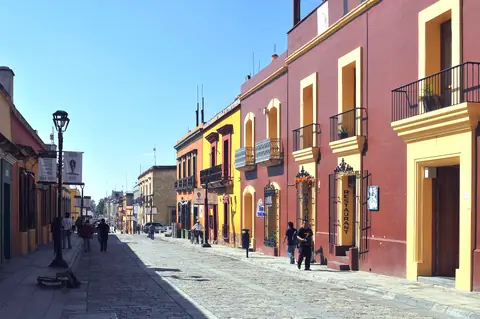
What to Wear in Oaxaca: Altitude Layers, Monte Albán Sun and Cobblestones
Oaxaca, Mexico
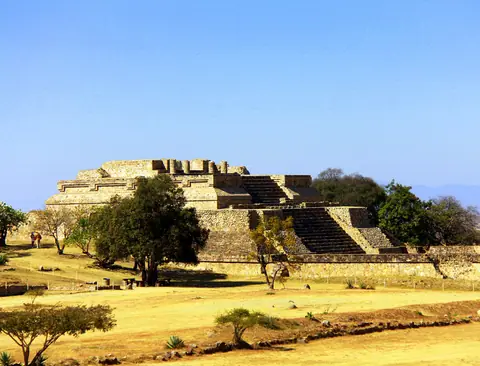
3 Days in Oaxaca: Centro, Monte Albán, and Mitla Valley Route
Oaxaca, Mexico
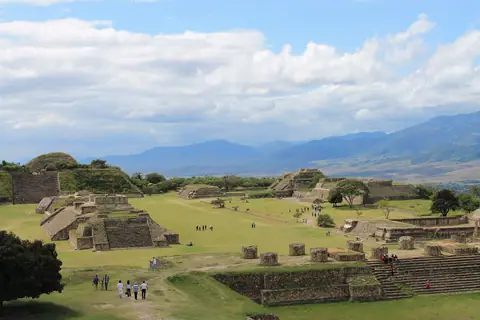
Monte Albán Visitor Guide: Ridge Pyramids, Danzantes and Transport
Oaxaca, Mexico
