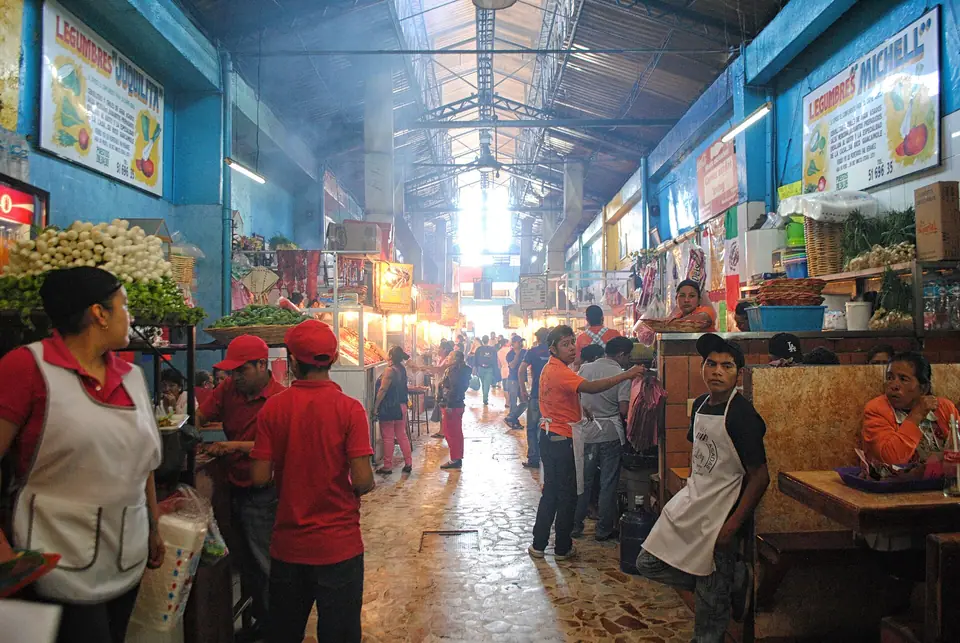
Photo: ProtoplasmaKid · CC BY-SA 4.0
Oaxaca Markets Guide: Benito Juárez, Pasillo de Humo & Tlacolula
Central Oaxaca food halls and regional valley trading plazas offer sensory encounters with indigenous culinary craft, woven textiles, and aromatic mesquite grills.
Mercado Benito Juárez occupies an entire central block just south of the main plaza, serving as the city pantry and commercial heart. Its covered passageways present tall baskets of dried chillies, mountain herbs, wooden molinillos, and stacked pottery rounds. Artisans travel from surrounding valley settlements to arrange unpasteurised cheeses, roasted grasshoppers seasoned with lime, and hand-woven woollen textiles along tidy vendor booths.
Entering through the western gates reveals cool stone walkways shaded from intense highland sunlight. Vendors display piles of green tomatillos, wild avocados, and dark cacao beans ground with cinnamon on stone slabs. Stalls selling leather huarache sandals and palm baskets sit alongside sellers offering fresh hibiscus flowers and medicinal herbs gathered from the high ridges.
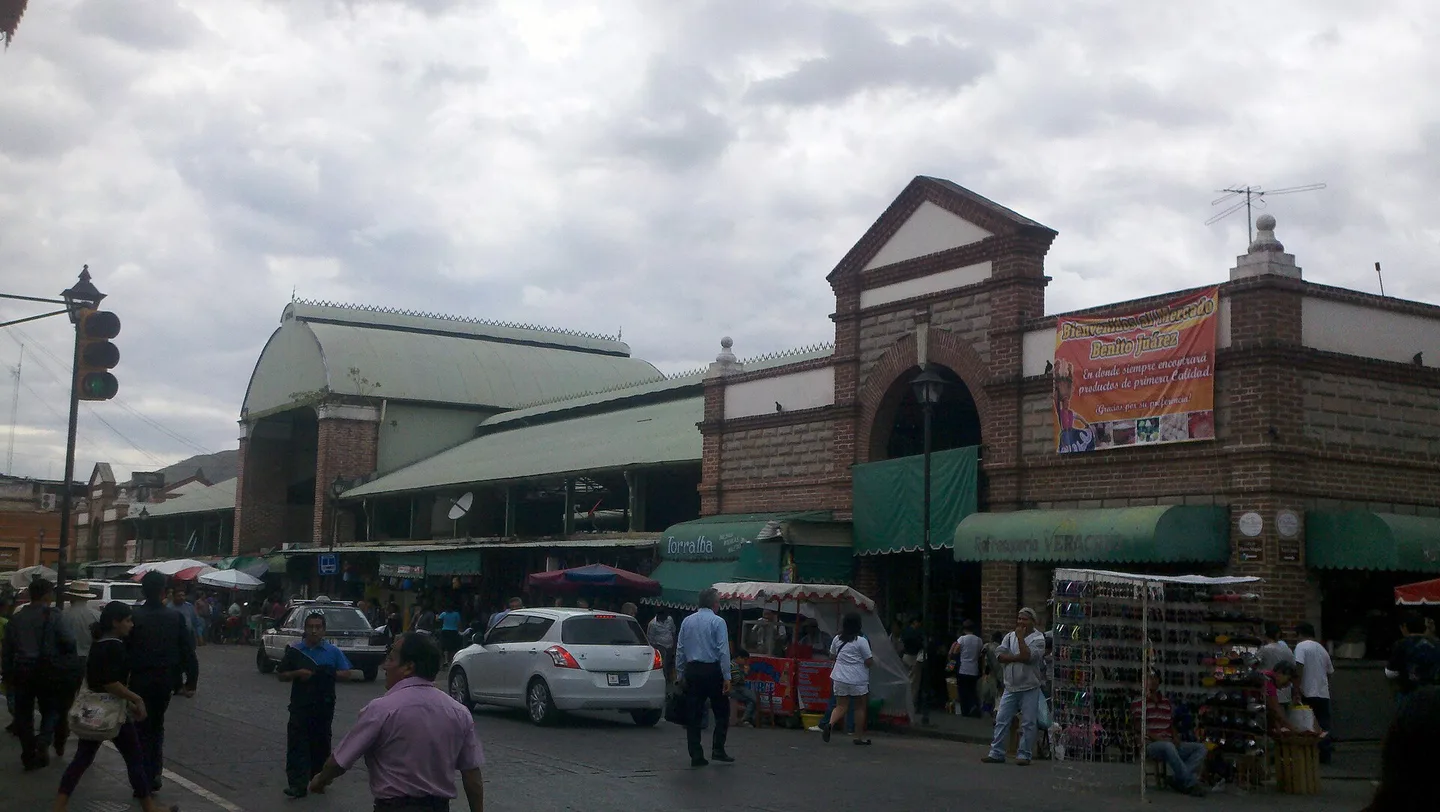
Mercado 20 de Noviembre and the Smoke Hall
Cross the narrow street southwards to reach Mercado 20 de Noviembre, celebrated throughout southern Mexico for its bakery sections and prepared food stalls. Large glass cases display round loaves of pan de yema, a rich egg bread traditionally dipped into hot chocolate beaten to a frothy head. Stew pots bubble with dark mole negro, yellow mole scented with wild coriander, and tender shredded chicken.
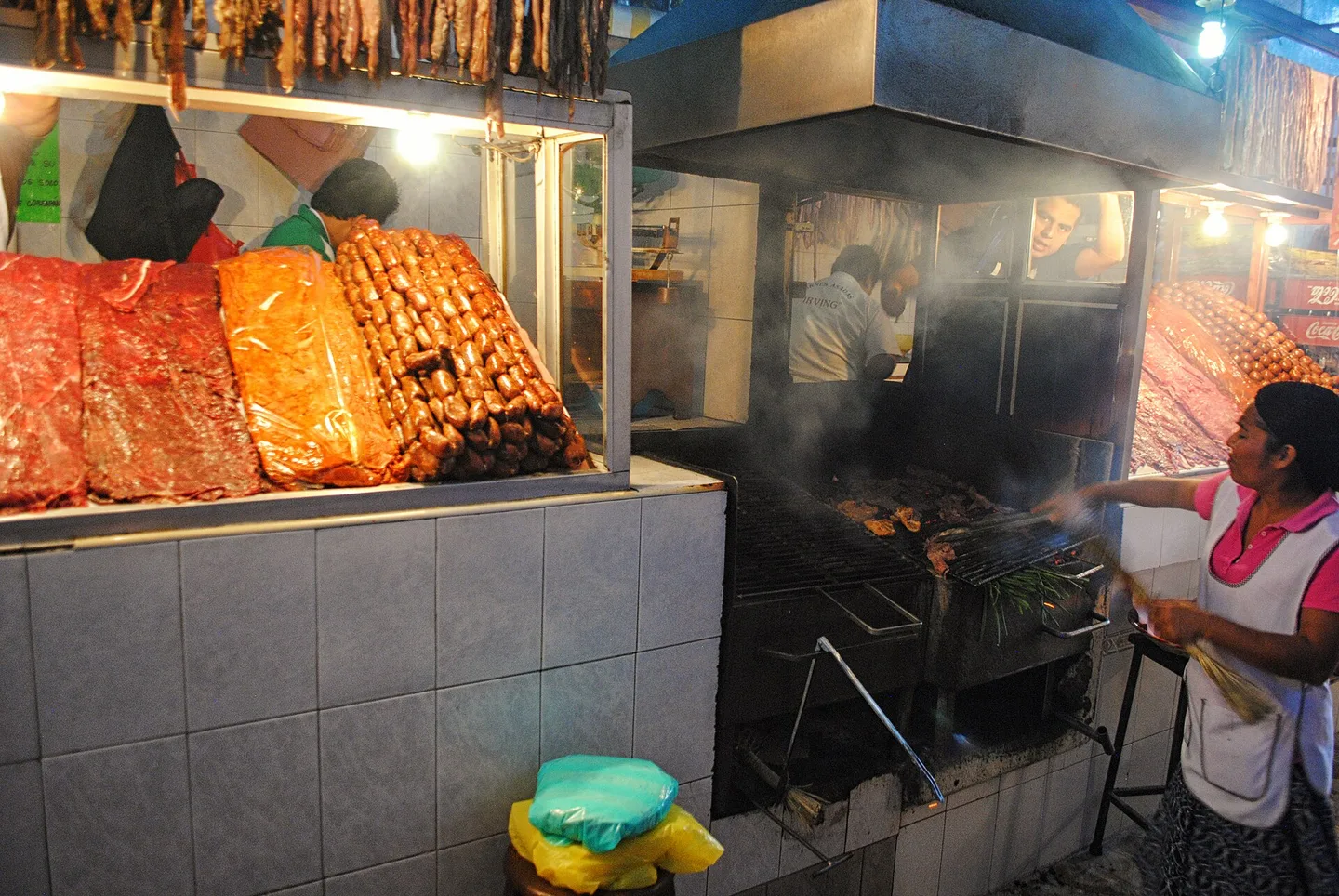
The eastern wing houses the famed Pasillo de Humo, where charcoal braziers line a long, aromatic corridor filled with rising grill smoke. Diners select raw strips of seasoned beef cecina, paper-thin pork tasajo, and spiced chorizo links straight from glass butcher counters. Attendants throw the selected meats onto glowing embers, fanning the coals until edges turn crisp and tender.
| Market Quarter | Primary Offerings | Key Preparations |
|---|---|---|
| Benito Juárez North | Spices, chillies, and woven crafts | Stone-ground cacao and mountain honey |
| Benito Juárez South | Artisanal leather and string cheese | Quesillo ribbons coiled by hand |
| 20 de Noviembre East | Pasillo de Humo meat hall | Charcoal-grilled tasajo, cecina, and chorizo |
| 20 de Noviembre West | Bakery counters and fondas | Pan de yema and rich mole platters |
Servers bring your grilled meats piled on wooden trays alongside warm corn tortillas kept inside woven baskets. You can complete the spread with sliced avocado, grilled spring onions, radishes, and fiery molcajete salsas brought by roving side-dish sellers. Pair your lunch with refreshing horchata or tart tuna cactus fruit water poured from broad clay vessels.
Valley Traditions at Tlacolula Sunday Gathering
Beyond the urban core, rural open-air markets called tianguis rotate among indigenous settlements according to pre-Hispanic trading calendars. The Sunday market in Tlacolula de Matamoros represents one of the oldest gatherings in Mesoamerica, drawing Zapotec villagers wearing embroidered aprons and hand-tied rebozo shawls. Shared taxis and local buses leave frequently from central terminals to carry shoppers east into the valley basin.
Tlacolula streets fill with livestock corrals, clay cooking utensils, hand-forged machetes, and rows of open-fire comal griddles baking enormous tlayudas. The central parish church features intricate baroque plasterwork, contrasting sharply with the outdoor trading square where village women weigh red beans and barter freshly harvested squash blossoms. Our downtown orientation handbook introduces neighbouring eastern valley settlements and regional culinary stops.
Visiting Tlacolula gives direct perspective on regional barter practices and seasonal valley produce. Plan transport early in the morning when rural microbuses fill quickly with community traders bringing poultry and vegetables to market. Checking arrival routes and highway bus links helps map regional colectivos and valley departure hubs.
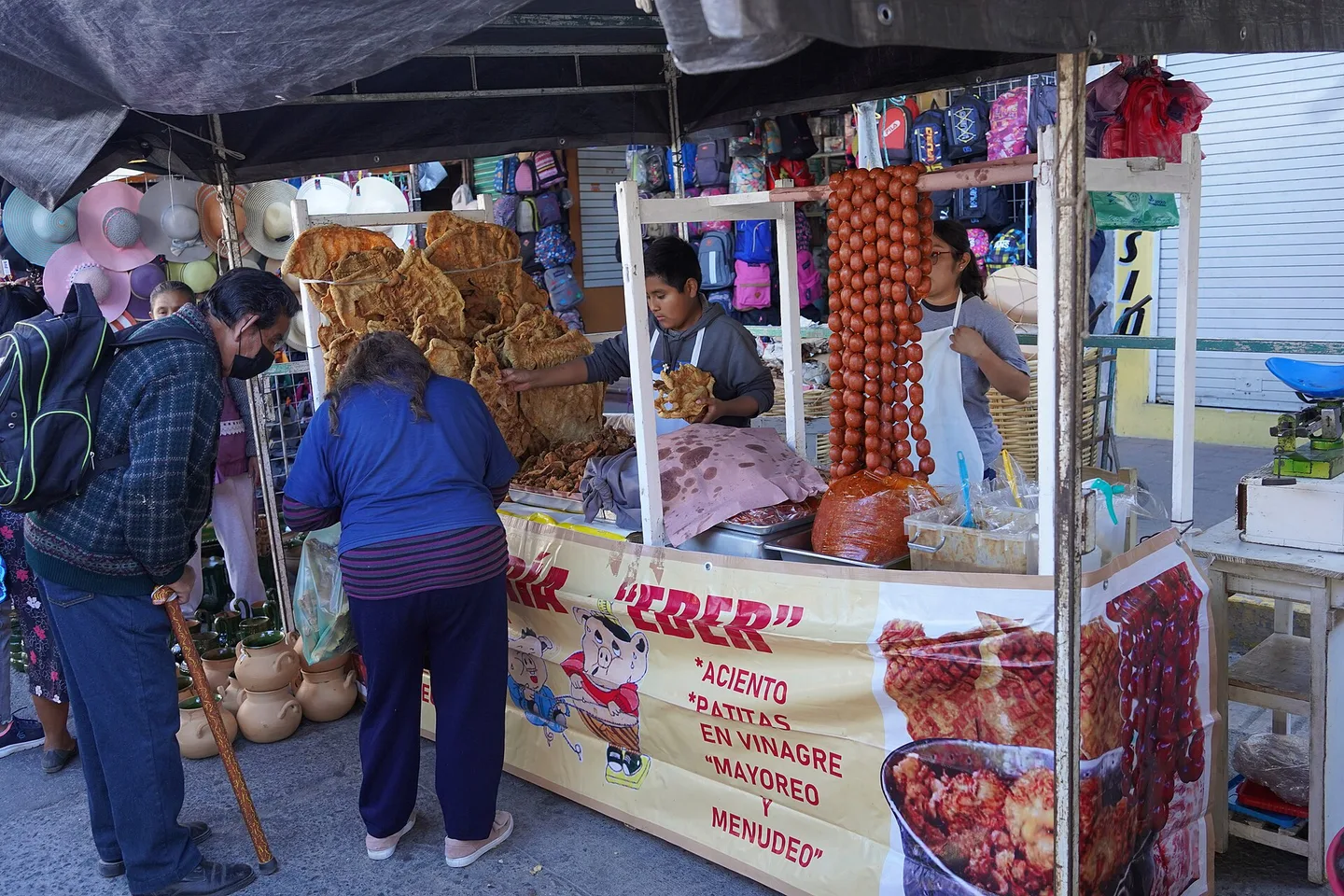
Navigating Market Etiquette and Ingredient Choices
Walking through crowded valley markets requires a considerate tempo and polite manners towards indigenous merchants. Always ask permission before photographing stallholders, and accept small tasting samples of string quesillo or toasted pumpkin seeds with appreciation. Sellers value polite Zapotec greetings, and carrying small peso denominations avoids the difficulty of breaking large banknotes for modest produce purchases.
The culinary landscape shifts subtly across seasons, displaying wild mushrooms during the rainy summer months and sweet yellow sapote during winter. Selecting ripe fruit or roasted peppers directly from the growers supports village farming families who cultivate heirloom varieties without industrial processing. Taking time to savour market meals connects travellers directly to ancient regional cooking rituals.
- Carry small Mexican peso coins and paper notes to pay market vendors without requiring substantial change.
- Politely greet shopkeepers with a customary Buenos días before requesting samples or entering small stalls.
- Walk slowly through the smoke hall to avoid brushing against hot brazier edges and active cooking fires.
- Sample fresh drinks made from seasonal fruits like zapote, horchata, or wild red prickly pear.
Official prices and opening hours
- Zona Arqueológica de Monte Albán (INAH)Official site ↗
Where it is
- 1Oaxaca
- Xoxocotlán International Airport (OAX) · about 7 km from Oaxaca in a straight line
- Directions in Google Maps
Stations and taxi ranks: OpenStreetMap. Airports: OurAirports. Distances are in a straight line.
Traveller tips
Real advice from people who have been to Oaxaca. Every tip is read by our team before it goes live.
No tips yet. Been here? Yours could be the first.
Thank you! Your tip will appear here after a quick review.
More in Oaxaca
Continue exploring Oaxaca with related neighbourhood, food, and planning guides
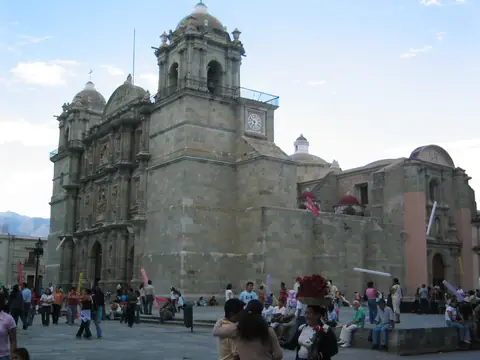
Oaxaca: Valleys, Heritage Streets and Local Logistics
Oaxaca, Mexico
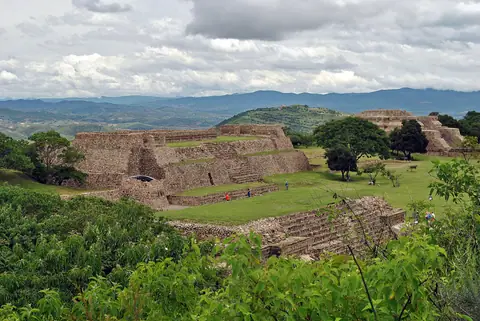
Best Things to Do in Oaxaca: Monte Albán, Santo Domingo and Local Markets
Oaxaca, Mexico
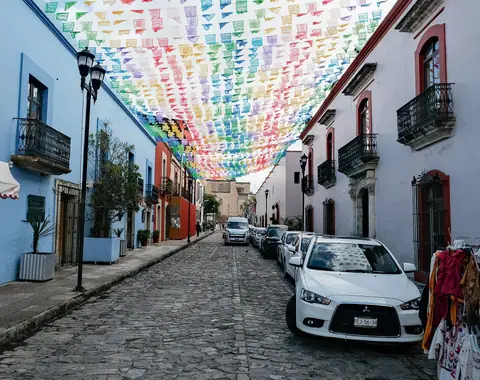
Travelling to Oaxaca: Flight Routes, Coach Lines and Mountain Corridors
Oaxaca, Mexico
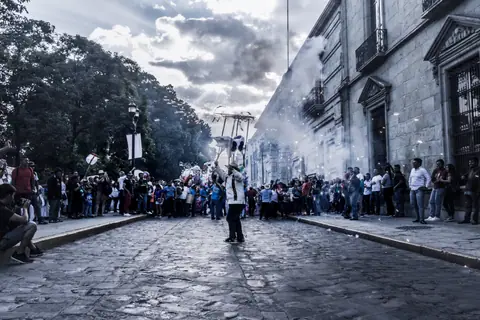
When to Experience Oaxaca: Festivals, Seasons, and Valley Climates
Oaxaca, Mexico
