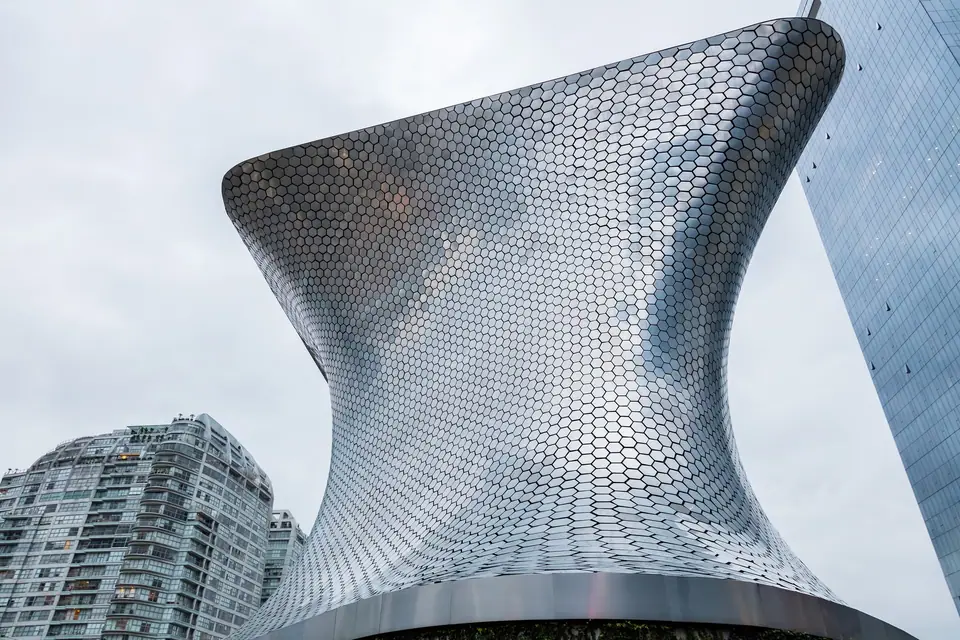
Photo: Diego Delso · CC BY-SA 4.0
Polanco, Museo Soumaya and Museo Jumex: Modern Art and Tree-Lined Avenues
Polanco blends modernist architecture, contemporary gallery spaces, and quiet tree-lined avenues across one of Mexico City's most distinguished cultural quarters.
Polanco presents a distinct urban character defined by broad pavements, quiet residential streets, and forward-thinking cultural spaces. At its northern edge, Plaza Carso forms an architectural ensemble anchored by the sculptural curves of Museo Soumaya and the clean lines of Museo Jumex. Among cultural stops across Zócalo ruins, Alameda murals, and urban galleries, this northern quarter stands apart for its crisp contemporary geometry. Wide stone esplanades link both museum entrances seamlessly across car-free terraces lined with shady benches. The neighbourhood contrasts sharply with the colonial cores found elsewhere across the federal capital.
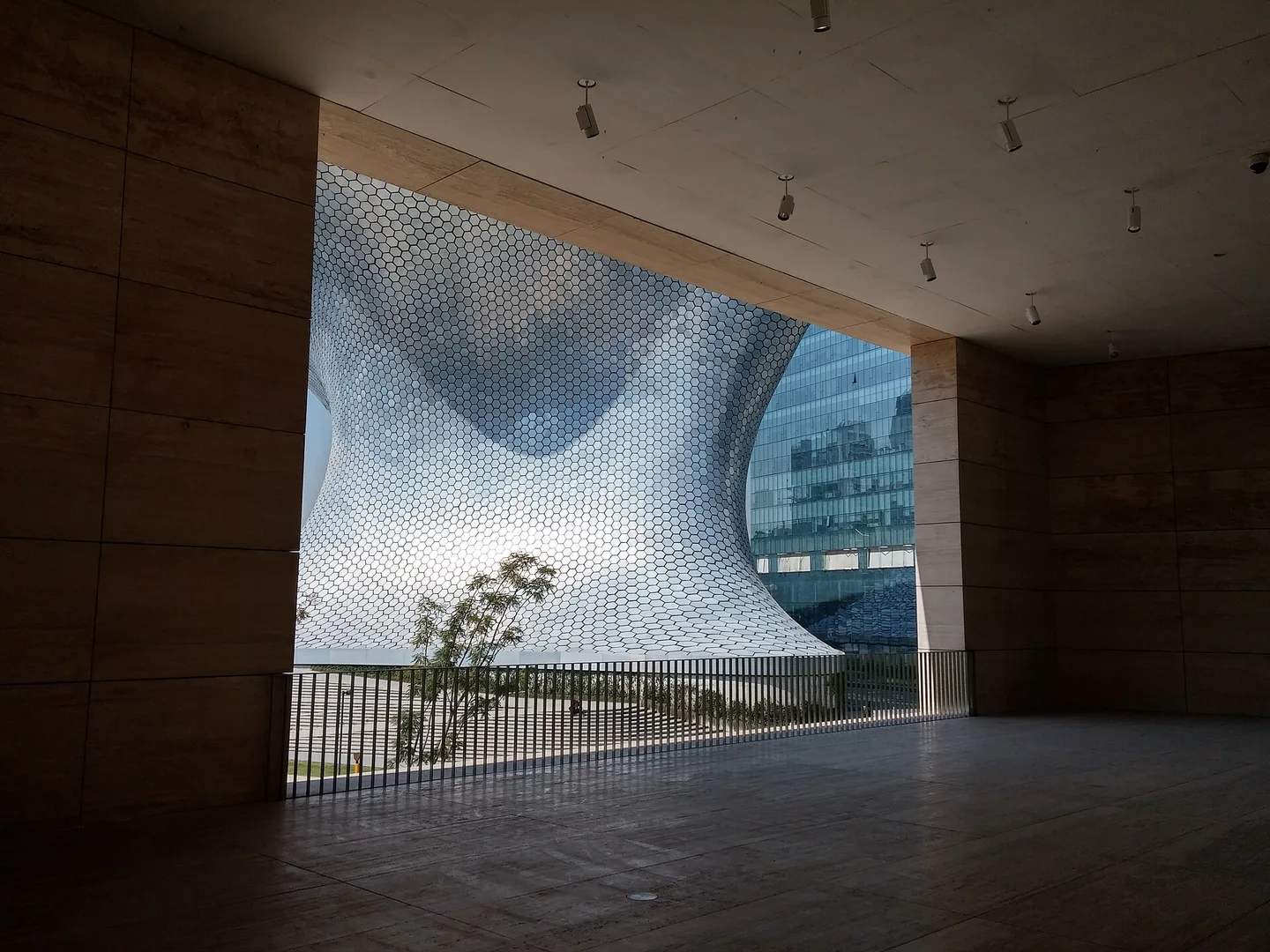
Museo Soumaya commands attention immediately through its sweeping exterior clad in thousands of reflective aluminium hexagons. Rising in a fluid silhouette, the building rotates subtly as it climbs away from street level. Inside, visitors move along an ascending spiral ramp that connects several open exhibition floors. This design creates an uninterrupted journey through classic sculpture, European paintings, and Mexican masterworks. Natural light washes down from the top skylight, illuminating the vast central atrium without overwhelming the delicate displays arranged along the perimeter.
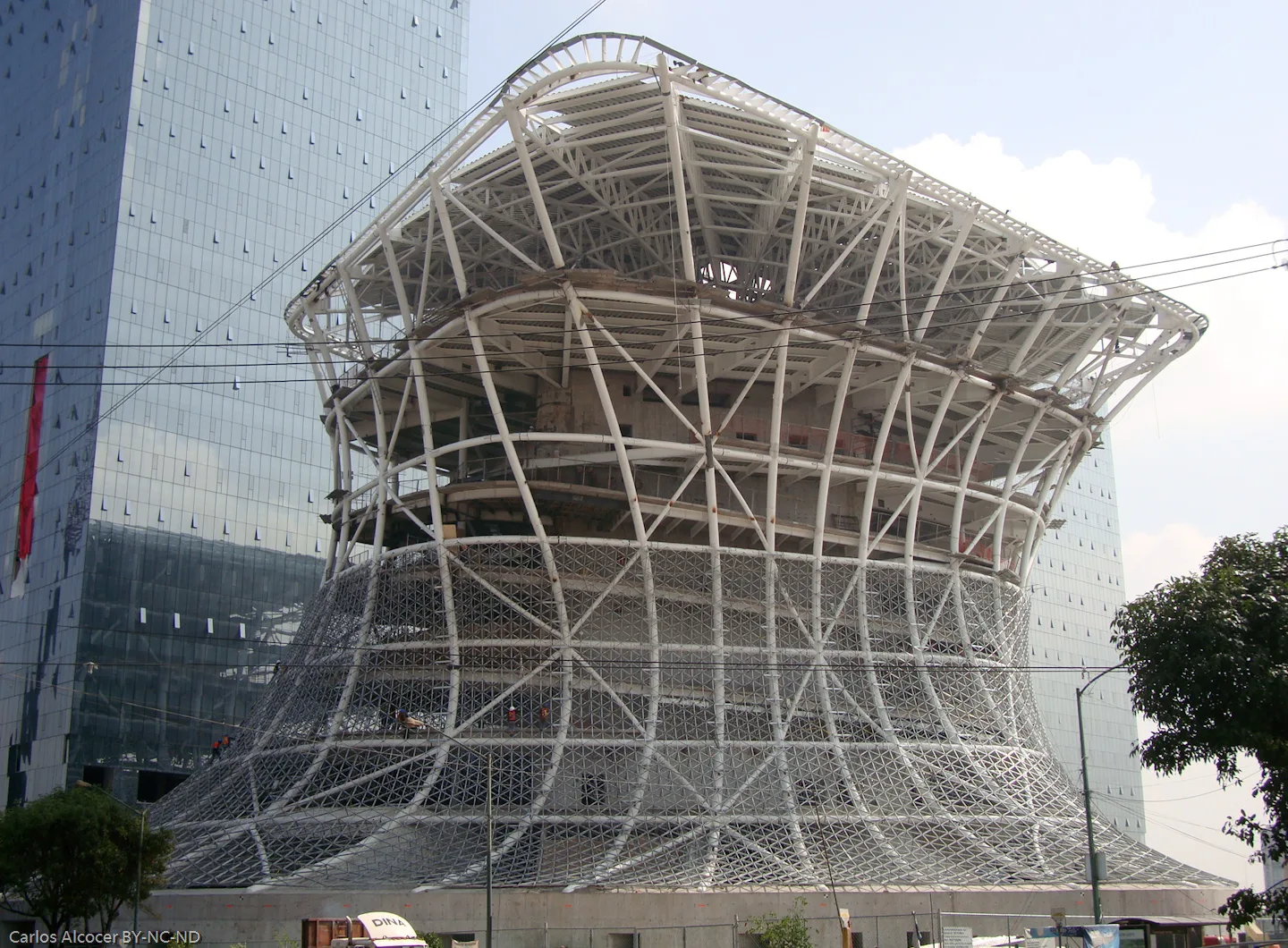
Directly across the open plaza sits Museo Jumex, designed by British architect David Chipperfield. In deliberate contrast to the curving metallic skin of its neighbour, this pavilion features an angular profile faced with pale travertine limestone and topped by a distinctive sawtooth roof. The galleries within focus on progressive contemporary art, rotating conceptual installations, and international loan retrospectives. Generous ground-level glass panels dissolve the boundary between the internal lobby and the pedestrian square, inviting visitors inside.
Contemporary Galleries and Modern Collections
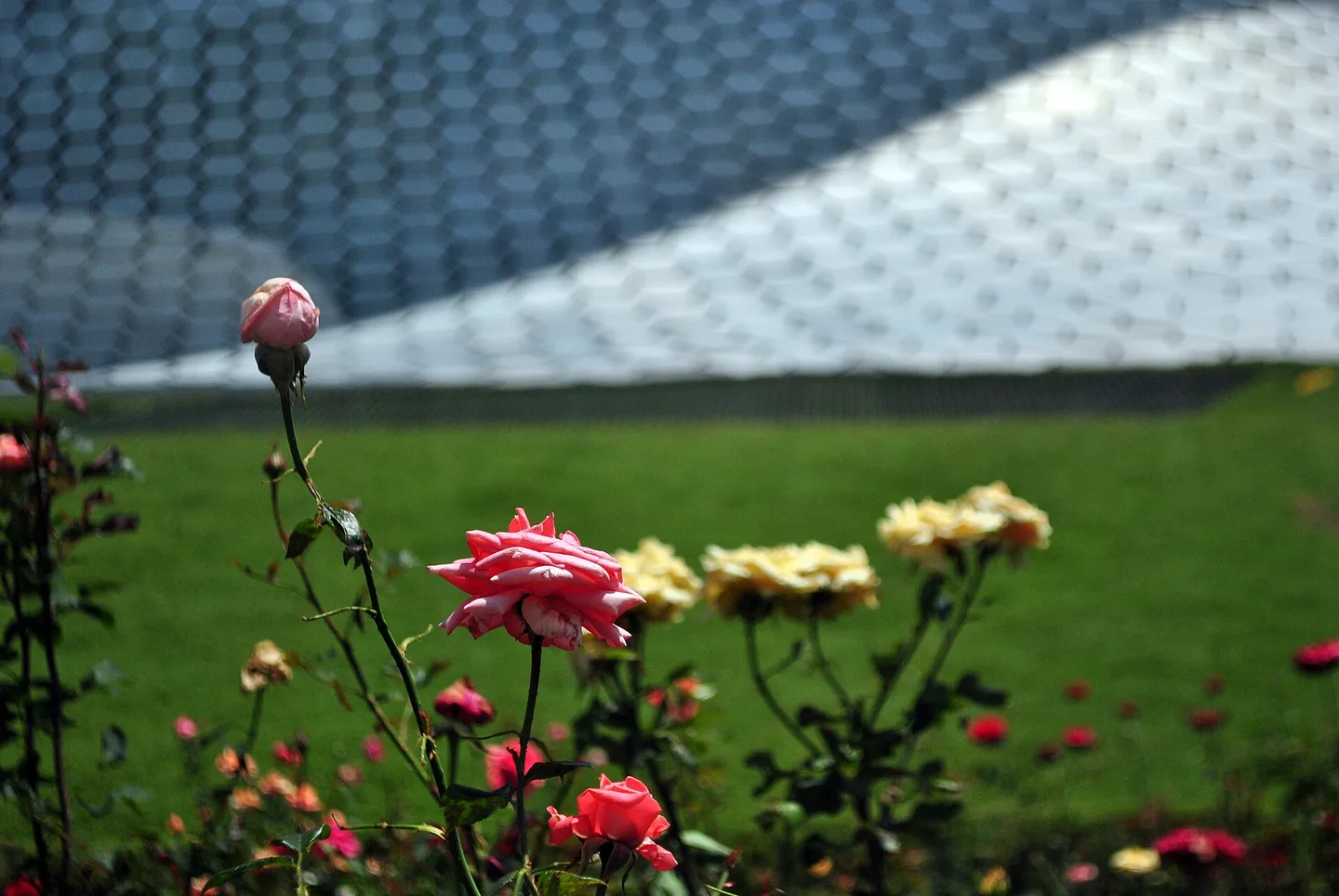
Together, these two institutions create an internationally renowned artistic hub within a single compact pedestrian precinct. Visitors can step from classical bronze figures directly into experimental contemporary media within minutes. Outside the primary exhibition halls, manicured flowerbeds and stone benches supply restful pauses between gallery visits. The adjacent rose garden features shaded seating where walkers can observe the surrounding architectural forms before continuing their route.
Polanco also sustains a flourishing private gallery network tucked into renovated mid-century modernist residences. Quiet side lanes host independent spaces showing cutting-edge prints, Latin American photography, and studio ceramics. Walking between these discreet venues allows travellers to appreciate the neighbourhood's calm domestic architecture, where Californian colonial revivals sit beside geometric stone villas. Link these modern galleries smoothly with downtown avenues and neighbourhood metro corridors to balance western suburbs against historic central plazas.
Walking Routes Through Shaded Residential Streets
Leaving the northern commercial precinct behind leads into the tranquil residential heart of Polanco. Tree-lined boulevards such as Avenida Horacio and Avenida Masaryk present generous shade under mature jacaranda and ficus canopies. Broad central medians function as linear parkways, giving walkers quiet stone paths away from vehicular traffic. Sculpted benches, neighbourhood fountains, and local bakeries punctuate these green strips, encouraging an unhurried urban pace.
Parque Lincoln forms the social anchor of the district, featuring twin reflective pools where model boat clubs gather. Walking through this green enclave reveals shaded aviaries, open-air clock towers, and outdoor performance spaces framed by lush foliage. The perimeter streets host numerous pavement cafes and independent bookshops where visitors can pause for coffee. Continuing south brings walkers toward Paseo de la Reforma and the western fringes of Bosque de Chapultepec.
Neighbourhood Navigation and Gallery Comparison
Navigating between these varied urban quarters is straightforward on foot or by local metro lines. Underground stops at Polanco and Auditorio sit minutes south, letting visitors bypass surface traffic easily. Airport shuttles and regional rail hubs align under Mexico City arrivals and bus station connections before crossing town. Four key landmarks anchor this western circuit:
- Museo Soumaya: Features dramatic hexagonal aluminium architecture, an internal spiral walkway, and classic masterworks.
- Museo Jumex: Highlights travertine stone construction, an angular sawtooth roof, and international contemporary art exhibitions.
- Parque Lincoln: Offers linear walking paths, quiet reflective pools, and shaded garden aviaries.
- Avenida Masaryk: Known for wide stone pavements, designer boutiques, and celebrated local restaurants.
Spending a half-day moving between modern sculpture halls and quiet jacaranda-shaded avenues shows how twenty-first-century architecture sits beside calm residential squares in western Polanco. Early mornings bring clear reflection photographs across Plaza Carso before weekend museum crowds fill the spiral gallery ramps.
Official prices and opening hours
- Museo Nacional de Antropología (Chapultepec)Official site ↗
- Museo Frida Kahlo (Casa Azul, Coyoacán)Official site ↗
Where it is
- 1Polanco, Museo Soumaya and Museo Jumex
- Mexico City Benito Juárez International Airport (MEX) · about 14 km from here in a straight line
- Directions in Google Maps
Stations and taxi ranks: OpenStreetMap. Airports: OurAirports. Distances are in a straight line.
Traveller tips
Real advice from people who have been to Mexico City. Every tip is read by our team before it goes live.
No tips yet. Been here? Yours could be the first.
Thank you! Your tip will appear here after a quick review.
More in Mexico City
Continue exploring Mexico City with related neighbourhood, food, and planning guides
Where to Stay in Mexico City: Neighbourhood Guide
Mexico City, Mexico
3 Days in Mexico City: Centro, Chapultepec, Roma, Coyoacán and Xochimilco
Mexico City, Mexico
What to Eat in Mexico City: Essential Dishes and Street Feasts
Mexico City, Mexico
Getting Around Mexico City by Metro, Metrobús, and Cablebús
Mexico City, Mexico
