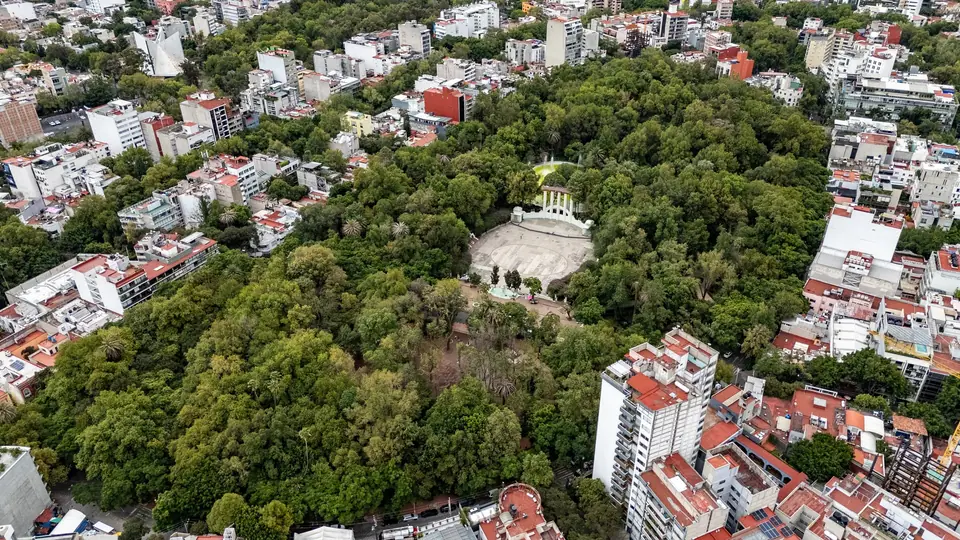
Photo: ProtoplasmaKid · CC BY-SA 4.0
Where to Stay in Mexico City: Neighbourhood Guide
Selecting the right base in Mexico City shapes daily walking sequences, evening meals, and straightforward transit connections across varied districts.
Choosing where to sleep in this expansive capital determines how smoothly each morning begins. The valley spreads across dozens of distinct colonias, yet central transport corridors connect the most rewarding pockets directly. Selecting a district with direct pedestrian routes to Metrobús corridors or underground lines spares you long journeys across urban traffic. Balance district locations against central sightseeing routes in the Mexico City visitor overview before booking rooms.
Comparing Central Bases and Transit Lines
Every major residential area presents a distinct trade-off between evening quiet, historic sights, and underground connections. The central colonias south of the grand avenue offer shaded pavements, independent cafes, and calmer evenings. By contrast, staying near the oldest squares places centuries of layered architecture directly outside your hotel lobby.
| Neighbourhood | General Character | Primary Transport | Best Suited For |
|---|---|---|---|
| Condesa | Green park rings, Art Deco apartments, sidewalk terraces | Metrobús Line 1, Metro Line 9 | Walkable evenings, quiet mornings, relaxed dining |
| Roma Norte | Restored mansions, galleries, contemporary culinary spots | Metro Line 1, Insurgentes corridor | Design lovers, food explorers, active cafe culture |
| Paseo de la Reforma | Wide boulevards, tower hotels, museum proximity | Metrobús Line 7, Metro Line 1 | First-time arrivals, business hubs, easy navigation |
| Polanco | Quiet residential blocks, luxury retail, embassies | Metro Line 7, Chapultepec walks | Upscale dining, families, peaceful evening retreats |
| Centro Histórico | Colonial palaces, busy trade streets, ancient ruins | Metro Line 2, Zócalo access | Sightseeing convenience, colonial history, early starts |
We often advise newcomers to establish a base along the central transit corridor to keep airport transfers simple. Match terminal transfers to your chosen district using airport rail and prepaid taxi links before arrival. Each district holds its own daily pace, so picking early aligns transport cleanly with sightseeing.
Colonia Condesa and Roma Norte
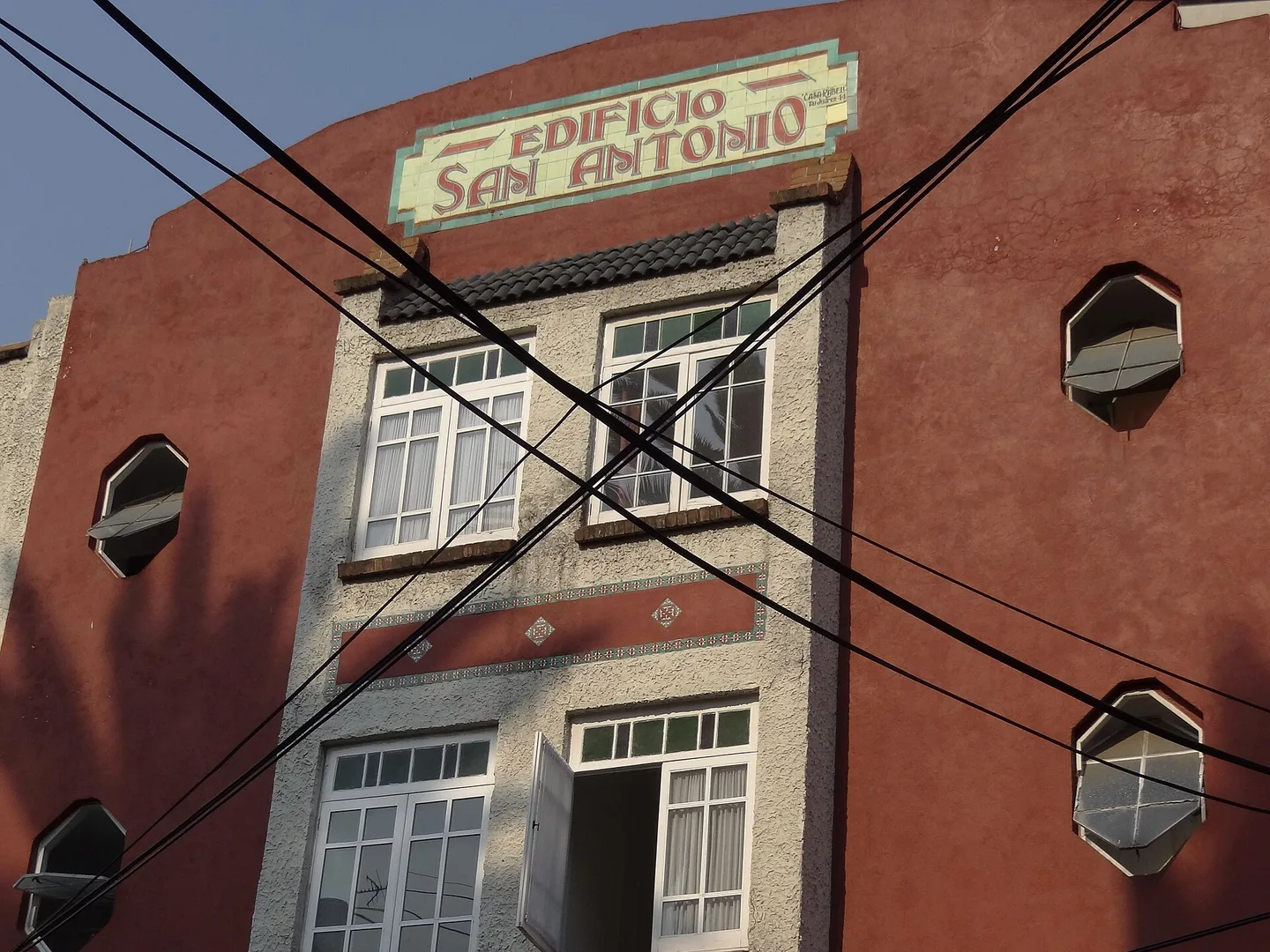
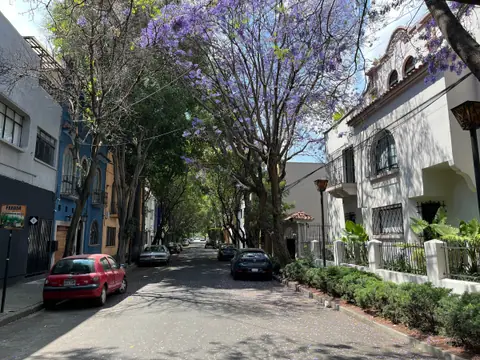
Colonia Condesa wraps around tranquil public parks filled with ash and jacaranda trees. The neighbourhood developed in the early twentieth century, leaving curved Art Deco facades along circular roads and calm residential streets. Staying here allows you to begin mornings with quiet walks around shaded footpaths before metropolitan traffic picks up. Sidewalk bakeries and corner juice stands make light breakfasts effortless near your front door.
Parque Mexico and Parque España form the green lungs of Condesa. Runners, dog walkers, and book readers fill the benches throughout temperate mornings. Boutique hotels and guest apartments here often occupy restored residential townhouses. These conversions preserve vintage iron railings, high ceilings, and interior courtyards that buffer street sounds.
Directly east across Avenida Insurgentes lies Roma Norte, widely celebrated for its Porfirian architecture and creative energy. Here, turn-of-the-century townhouses host independent design boutiques, contemporary bookshops, and innovative dining rooms. Nights around Plaza Río de Janeiro remain lively without the thumping volume found along central nightlife strips. Travellers who enjoy stepping outside directly into morning coffee counters and evening wine bars tend to favour these blocks.
Roma Norte also borders Roma Sur and Juárez, expanding your dining choices within easy walking distance. Tree canopies along Álvaro Obregón shelter wide central promenades with public benches and bronze sculptures. The district caters exceptionally well to visitors who plan to explore primarily on foot.
Paseo de la Reforma and Polanco
Paseo de la Reforma offers a grand, formal alternative along one of the capital's widest avenues. International hotel chains and boutique towers line the promenade between the historical core and the edge of Bosque de Chapultepec. Double-decker buses on Metrobús Line 7 run straight along the avenue, connecting your doorstep to the cultural grounds of Chapultepec. Selecting this avenue gives you reliable taxis, wide pedestrian boulevards, and predictable security day and night.
Staying along Reforma suits travellers who want sweeping skyline views and predictable international amenities. Corporate towers house modern properties with gym facilities, rooftop terraces, and English-speaking concierge desks. Crossing the avenue brings you directly into the historic Zona Rosa, known for its antique markets and pedestrian plazas.
Continuing west past the green expanses of the park leads into Polanco, an affluent and peaceful enclave. The area features manicured streets, private art institutions, luxury retail flagships, and celebrated culinary landmarks. It offers an exceptionally calm retreat after long days spent wandering busy markets and central plazas. While Polanco sits slightly further from eastern districts, its leafy blocks suit families seeking quiet residential streets. Match museum openings across park grounds with monumental squares, Chapultepec galleries, and southern canals before booking day trips.
Polanco divides naturally into residential sections north of Avenida Masaryk and livelier commercial blocks closer to Parque Lincoln. Parque Lincoln features tranquil reflecting pools, weekend bird markets, and outdoor cafes. Accommodations here range from exclusive boutique hotels on quiet cul-de-sacs to full-service luxury properties facing the park.
Centro Histórico and Practical Selection
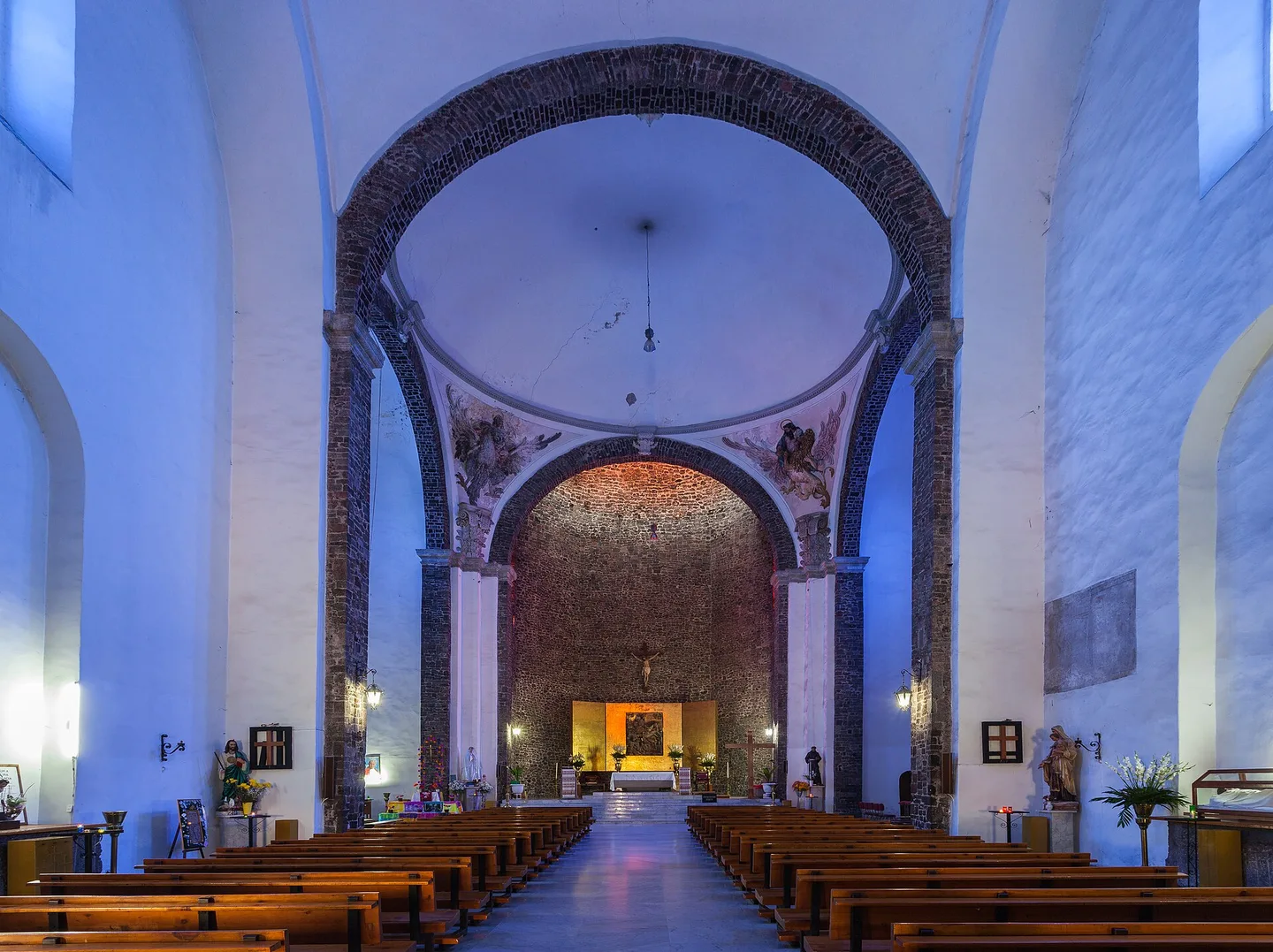
Centro Histórico immerses you in the deepest layers of the city from the moment you wake up. Converted colonial mansions and classic hotels cluster within walking distance of the massive Zócalo and ancient Aztec foundations. Daytime brings immense energy, street vendors, and trade guilds occupying entire specialised blocks. However, foot traffic thins noticeably after dusk, meaning evening dining options are more limited than in Condesa or Roma.
Morning walks in Centro reward early risers with quiet views of monumental colonial facades and volcanic stone portals. Major cultural venues and murals sit right on your doorstep, reducing your reliance on rush-hour transit. Hotels facing the main square frequently offer rooftop dining terraces overlooking the national cathedral.
- Condesa and Roma Norte suit walkers looking for shaded morning bakeries, Art Deco balconies, and relaxed evening dining.
- Paseo de la Reforma gives first-time visitors direct express buses, wide pavements, and brisk links toward major museums.
- Polanco appeals to families valuing calm residential evenings and easy walks into Chapultepec green lawns.
- Centro Histórico puts colonial facades, cathedral spires, and lively morning craft markets right outside your street door.
Aligning your base with your preferred evening pace keeps late returns calm. Check seasonal rain peaks under highland dry and wet months before confirming dates. Picking between park avenues, grand boulevards, and colonial squares lets you match daily walking stamina with easy metro access.
Official prices and opening hours
- Museo Nacional de Antropología (Chapultepec)Official site ↗
- Museo Frida Kahlo (Casa Azul, Coyoacán)Official site ↗
Where it is
- 1Mexico City
- Mexico City Benito Juárez International Airport (MEX) · about 7 km from Mexico City in a straight line
- Directions in Google Maps
Stations and taxi ranks: OpenStreetMap. Airports: OurAirports. Distances are in a straight line.
Traveller tips
Real advice from people who have been to Mexico City. Every tip is read by our team before it goes live.
No tips yet. Been here? Yours could be the first.
Thank you! Your tip will appear here after a quick review.
More in Mexico City
Continue exploring Mexico City with related neighbourhood, food, and planning guides
When to Experience Mexico City: Highland Seasons, Jacaranda Canopy and Autumn Fiestas
Mexico City, Mexico
3 Days in Mexico City: Centro, Chapultepec, Roma, Coyoacán and Xochimilco
Mexico City, Mexico
What to Eat in Mexico City: Essential Dishes and Street Feasts
Mexico City, Mexico
Getting Around Mexico City by Metro, Metrobús, and Cablebús
Mexico City, Mexico
