3-Day Montevideo Itinerary: Ciudad Vieja, Rambla Coastline and Day Trips
Three-day Montevideo itinerary covering Ciudad Vieja landmarks, wood-fired parrillas, Estadio Centenario, coastal Rambla walks, and rural vineyards or Colonia.
Three days in Montevideo allow you to experience the historic peninsula, the capital's football legacy, and the wide coastal curve of the Rio de la Plata at a measured pace. The urban layout rewards walking through tree-shaded squares and along open waterfronts. Keep our Montevideo dining guide close at hand for regional specialities and seasonal grill recommendations.
Day 1: Plaza Independencia, Historic Peninsula and Mercado del Puerto
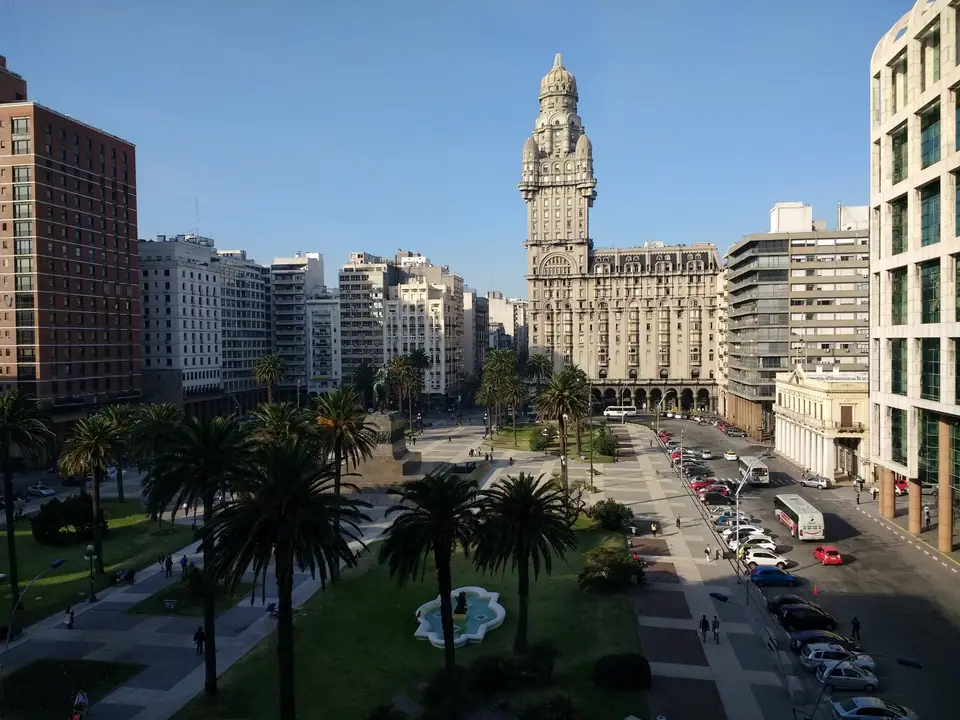
Begin your morning at Plaza Independencia, the symbolic hinge between old and modern Montevideo. Descend into the underground Mausoleum of Jose Gervasio Artigas beneath the central equestrian monument. Above ground, examine the eclectic 1928 Palacio Salvo tower, standing on the site of Confiteria La Giralda where Gerardo Matos Rodriguez premiered La Cumparsita in 1917. Pass through the 1741 stone arch of the Puerta de la Ciudadela and take an organised tour of the 1856 neoclassical Teatro Solis.
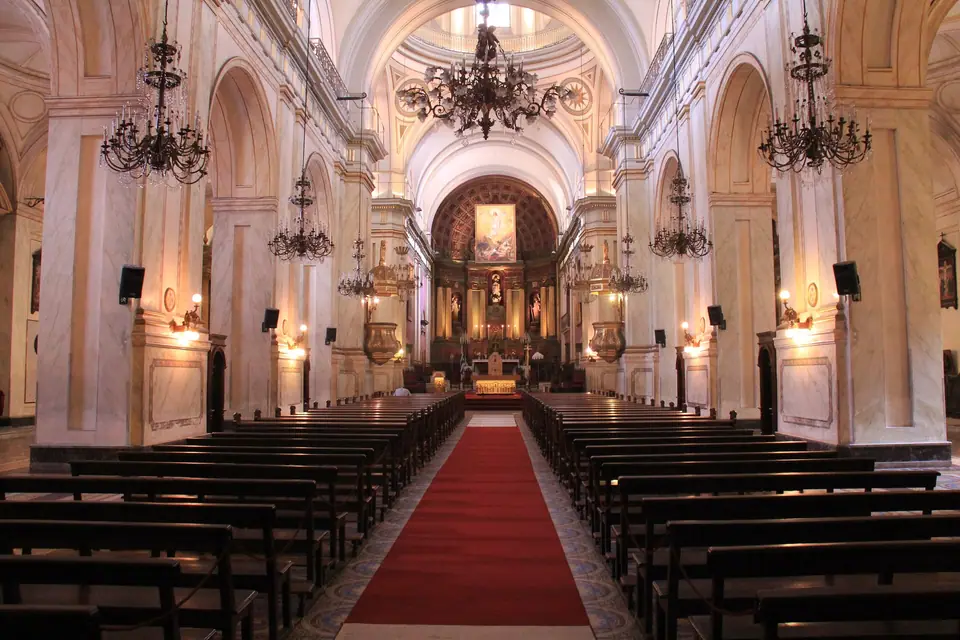
Walk west along pedestrianised Calle Sarandi into Ciudad Vieja. Stop at the Museo Torres Garcia to inspect universal constructivist art before reaching Plaza Matriz. Step inside the 1804 Metropolitan Cathedral and the 1812 Colonial Cabildo opposite. Continue past the Belle Epoque Palacio Taranco on Plaza Zabala down to the harbour edge.
Arrive at the Mercado del Puerto for lunch. Built as a prefabricated cast-iron hall in 1868, this lively market fills with smoke from wood-fired grills laden with cuts of beef, sweetbreads, and chorizo. Order a refreshing glass of Medio y Medio, a sparkling wine and dry white blend created here. Cross the street afterwards to visit the Museo del Carnaval to view colourful costumes and drums from Uruguayan carnival history.
Day 2: Estadio Centenario, Visual Arts and the Southern Rambla
Dedicate your second morning to Uruguay's deep sporting roots at Estadio Centenario in Parque Batlle. Built for the inaugural 1930 FIFA World Cup, this legendary stadium features the Football Museum under the Olympic Tower, housing historic trophies, vintage match balls, and international tournament artefacts.
Head south towards Parque Rodo in the early afternoon. Visit the National Museum of Visual Arts (MNAV) to explore paintings by Pedro Figari, Rafael Barradas, and Jose Cuneo. The surrounding park offers manicured lawns, stone bridges, and lake paths that lead directly out to the waterfront.
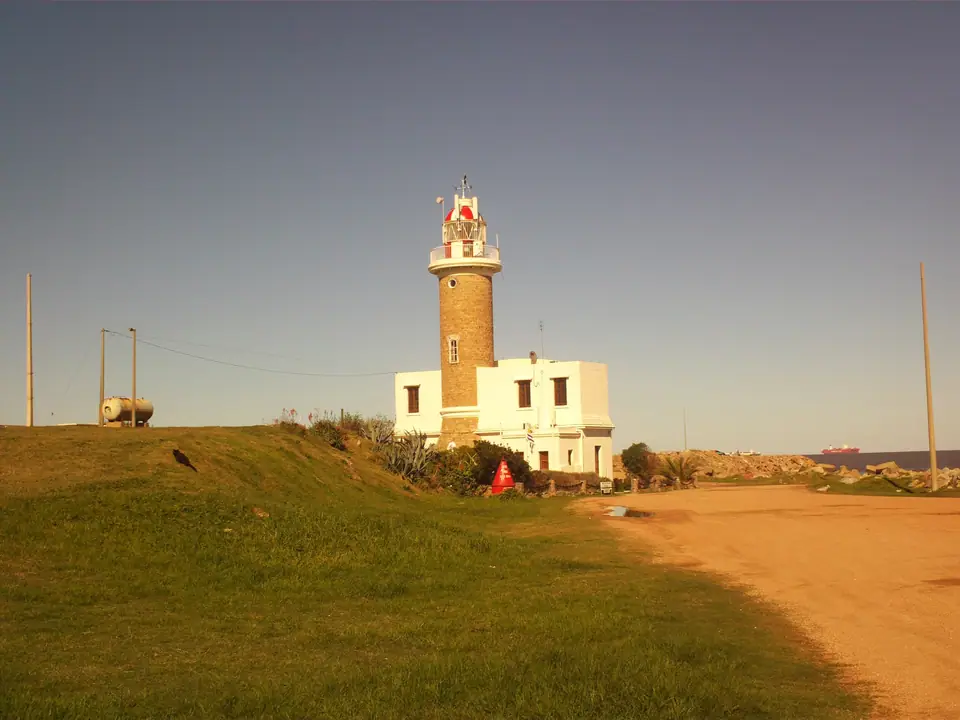
Spend late afternoon walking or cycling along the open promenade of Parque Rodo and Punta Carretas. Trace the sweep of the coastline past the Punta Brava Lighthouse, which marks the southernmost point of the city. Continue along Playa de los Pocitos, watching local residents drink mate from hollowed gourds on the sand as dusk settles over the water.
Day 3: Western Hilltop, Wine Bodegas or Regional Day Excursions
For your third day, select between exploring outer city quarters or travelling beyond municipal borders into the countryside or coastal towns.
- Outer Montevideo and Tannat Bodegas: Head north to the peaceful rose garden (Rosedal) in the Prado district. Continue west to the Fortaleza del Cerro, a stone fortress rising 134 metres above sea level with panoramic views across the bay. Dedicate the afternoon to rural Melilla or the Canelones border, touring family-run bodegas that produce structured red wines from Uruguay's signature Tannat grape.
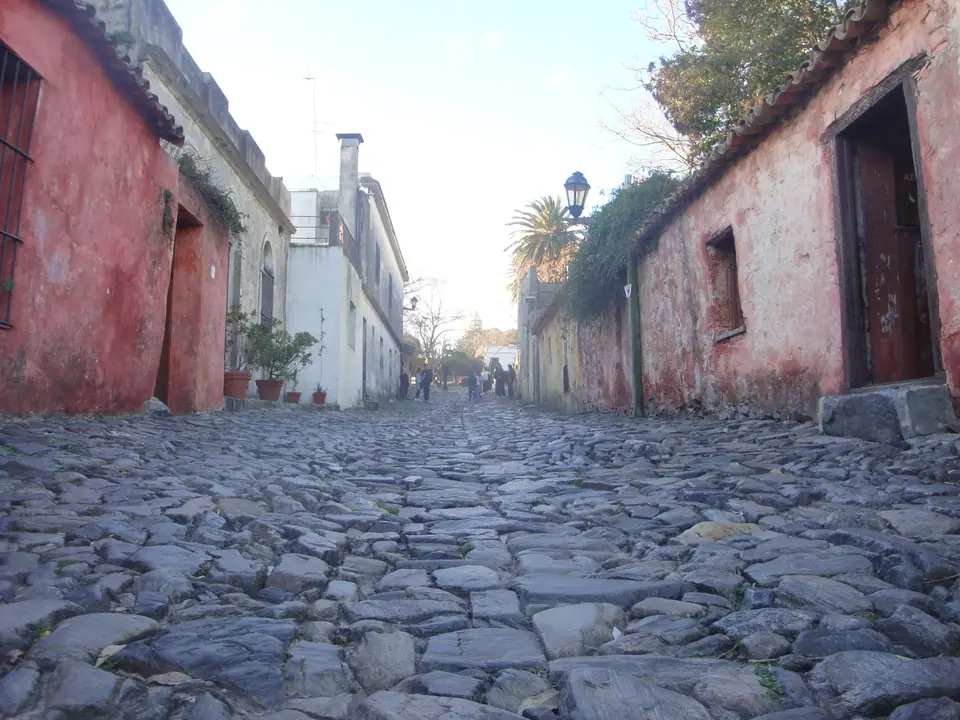
- Colonia del Sacramento: Board an early bus west from Tres Cruces terminal to reach Colonia del Sacramento. Founded by Portuguese forces in 1680, this UNESCO World Heritage town features cobbled streets, stone ramparts, whitewashed cottages, and riverside views across the Rio de la Plata.
- Punta del Este: Travel east along the coast towards Maldonado department to view ocean beaches, contemporary architecture, and the famous hand sculpture on Playa Brava.
Three-Day Strategic Overview
This reference table outlines the logistical focus, neighbourhood base, and travel rhythm for each stage of your three-day journey through the Uruguayan capital.
| Day | Primary Focus | Key Neighbourhoods | Transit Mode |
|---|---|---|---|
| Day 1 | Civic history, colonial architecture, and port grills | Ciudad Vieja, Plaza Independencia, Port | On foot |
| Day 2 | World Cup football heritage, modern art, and coastline | Parque Batlle, Parque Rodo, Punta Carretas, Pocitos | Taxi or bus plus coastal walk |
| Day 3 | Bay fortress, rural bodegas, or colonial history | Prado, Cerro, Canelones, or Colonia del Sacramento | Regional coach, hire car, or taxi |
Seasonal Planning and Daily Weather Patterns
Montevideo enjoys an oceanic climate with moderate rainfall distributed evenly throughout the entire year, typically seeing six to seven wet days per month. High summer in January brings daytime temperatures averaging 27.8°C with evening lows around 18.8°C, creating ideal conditions for coastal walks along the Rambla. Winter weather in July cools down to highs of 14.7°C and lows of 7.3°C, requiring warm layers against humid southwesterly winds off the river.
Autumn (March to May) and spring (October to November) present mild weather suitable for full days on foot. March temperatures reach pleasant highs of 25.3°C, while November climbs to 23.7°C. Keep an umbrella or lightweight waterproof coat handy regardless of season, as maritime showers can develop rapidly along the shoreline.
Practical Execution and Movement
Navigating Montevideo is straightforward. Ciudad Vieja is compact and ideal for pedestrian exploration, though comfortable walking shoes are necessary for traversing historic flagstones and uneven curbs. For transfers between Parque Batlle, Pocitos, and the historic centre, use local municipal buses or licensed street taxis and rideshare applications.
When planning excursions to rural bodegas or neighbouring departmental destinations on Day 3, purchase long-distance coach tickets in advance at Tres Cruces terminal or confirm private driver arrangements. Check official operator websites for opening days and seasonal hours before setting out for individual museums and winery cellars.
Where it is
- 1Montevideo
- Carrasco General Cesáreo L. Berisso International Airport (MVD) · about 17 km from Montevideo in a straight line
- Directions in Google Maps
Stations and taxi ranks: OpenStreetMap. Airports: OurAirports. Distances are in a straight line.
Traveller tips
Real advice from people who have been to Montevideo. Every tip is read by our team before it goes live.
No tips yet. Been here? Yours could be the first.
Thank you! Your tip will appear here after a quick review.
More in Montevideo
Continue exploring Montevideo with related neighbourhood, food, and planning guides
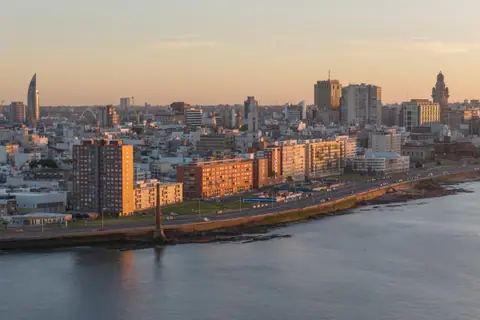
Montevideo: Waterfront Geography and Essential Logistics
Montevideo, Uruguay
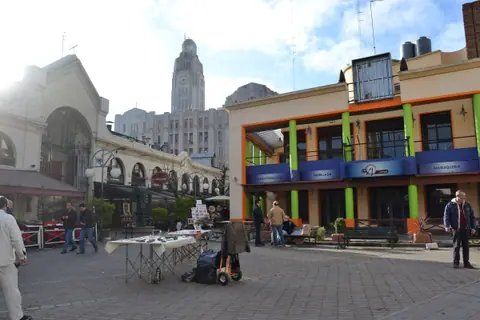
Things to Do in Montevideo: Historic Quarters, Markets and the Rambla
Montevideo, Uruguay
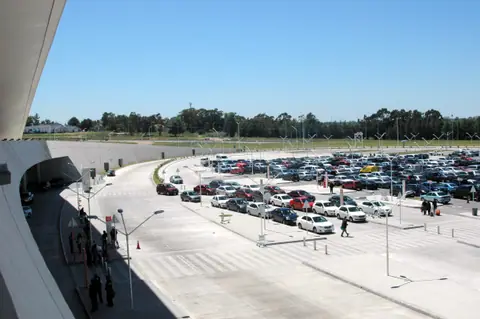
How to Get to Montevideo: Carrasco Airport, River Ferries and Tres Cruces
Montevideo, Uruguay
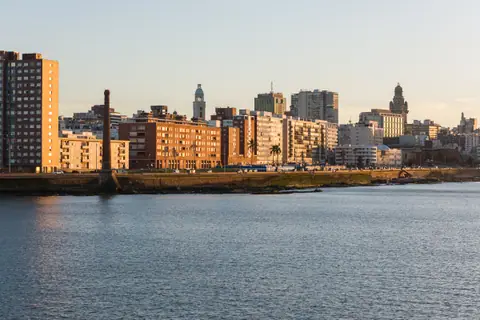
Best Time to Visit Montevideo: Climate Patterns, Carnival and Beach Seasons
Montevideo, Uruguay
