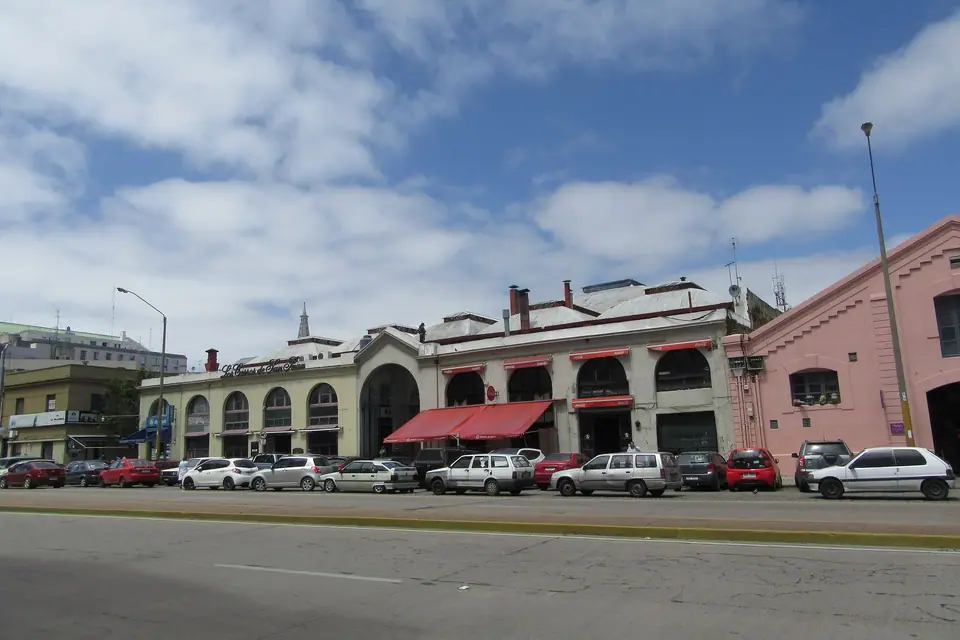
Mercado del Puerto: 1868 Iron Architecture, Wood-Fired Parrillas and Port Waterfront
Discover the 1868 iron architecture of Mercado del Puerto, authentic wood-fired Uruguayan parrillas, Roldos bar, and the port waterfront in Ciudad Vieja.
At the northwestern edge of Ciudad Vieja where pedestrianised Calle Perez Castellano meets Calle Piedras and the Rambla 25 de Agosto, the scent of burning hardwood drifts across the cobbles from the open entrance of the Mercado del Puerto. Positioned directly opposite the harbour basins and customs facilities of the Port of Montevideo, this nineteenth-century market hall has transformed from a general fruit, vegetable, and livestock market into the primary focal point of Uruguayan open-fire cooking. Travellers planning culinary stops across the capital can review our detailed overview of what to eat in Montevideo.
The 1868 Liverpool Iron Structure and 1897 Central Clock
Commissioned in 1865 by Spanish merchant Pedro Saenz de Zumaran, the market hall was designed to provision urban households and ocean vessels docked in the harbour. The structure was engineered by British specialists Rowland Mason Ordish and Edward Woods, using cast and wrought iron components manufactured at the Union Foundry in Liverpool, England. The entire prefabricated building was shipped across the Atlantic Ocean, assembled on site, and formally opened on 10 October 1868 in the presence of President Lorenzo Batlle y Grau.
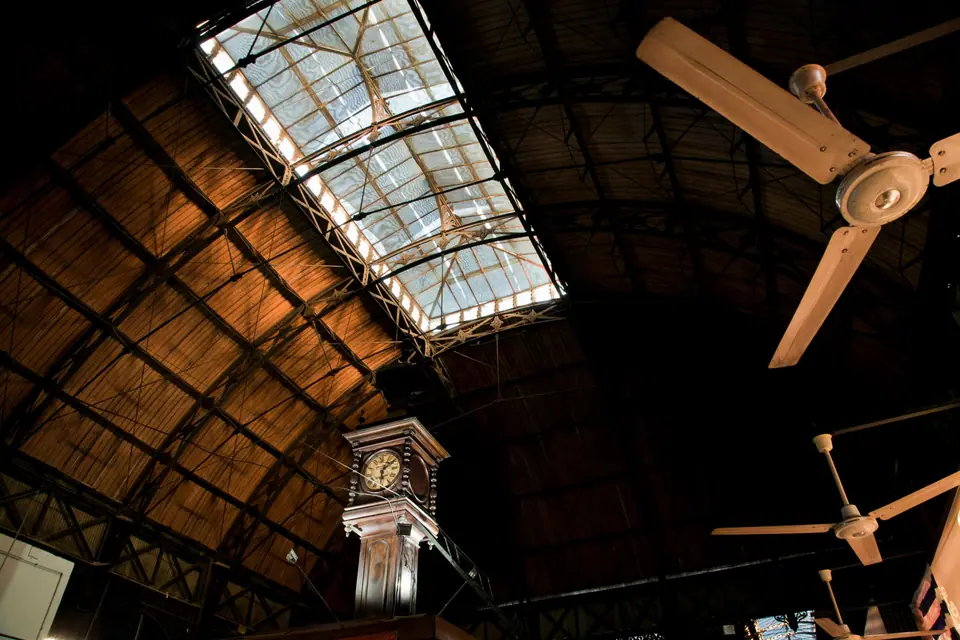
Rising above the stone floor, the single-span vaulted roof displays intricate Victorian iron trusses that permit generous ventilation for rising woodsmoke. At the centre of the hall stands a towering four-faced clock imported from Liverpool in 1897, which replaced an earlier cast-iron fountain. The building was officially designated a National Historic Monument in 1976, ensuring the architectural preservation of its perimeter iron walls and ornamental gate details.
Parrilla Grilling Traditions and Glowing Hardwood Embers
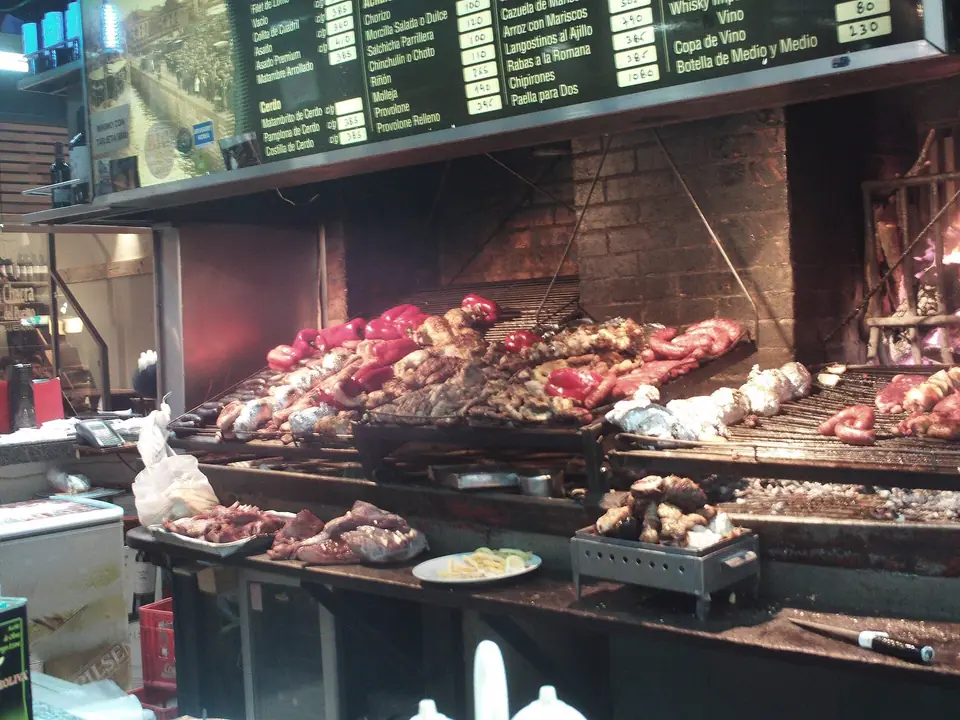
Unlike meat preparation methods that employ charcoal or gas heat, Uruguayan grilling relies entirely on dense firewood known locally as leña. Parrilleros ignite hardwood logs in open iron braziers beside each cooking station. As the wood burns down into glowing red embers, chefs scrape the hot coals directly beneath sloping iron grates where heavy cuts of beef, pork sausages, and offal roast at graduated temperatures.
Counter seats ring every individual restaurant stall inside the hall, allowing visitors to inspect cuts of meat cooking inches away. Spreading across the grates are long beef ribs, thick flank steaks, spiral chorizos, rich morcilla blood sausages, sweetbreads, and thick slabs of seasoned provolone cheese known as provoleta. Diners select their cuts directly from refrigerated glass displays before watching the cooks season them with coarse sea salt and turn them over the fragrant hardwood embers.
Roldos Bar and the Invention of Medio y Medio
No culinary visit to the market hall is complete without stopping at Bar Roldos, an institution founded inside the building during the late nineteenth century. The bar remains famous throughout Uruguay as the birthplace of Medio y Medio, a distinctive beverage blending equal parts dry white wine and sweet sparkling wine. Traditionally poured ice-cold from tap dispensers or chilled green bottles, this sparkling drink offers crisp acidity that cuts through the rich marbling of wood-grilled beef.
Outside the iron doors, the surrounding pedestrian pavements along Calle Perez Castellano and Calle Piedras host street musicians playing Spanish guitar, artisanal leather vendors, and painters displaying port maritime scenes. The relaxed atmosphere makes the market perimeter a logical focal point within a broader 3-day Montevideo itinerary that combines historical walking tours with traditional lunchtime dining.
Museo del Carnaval and the Port Waterfront District
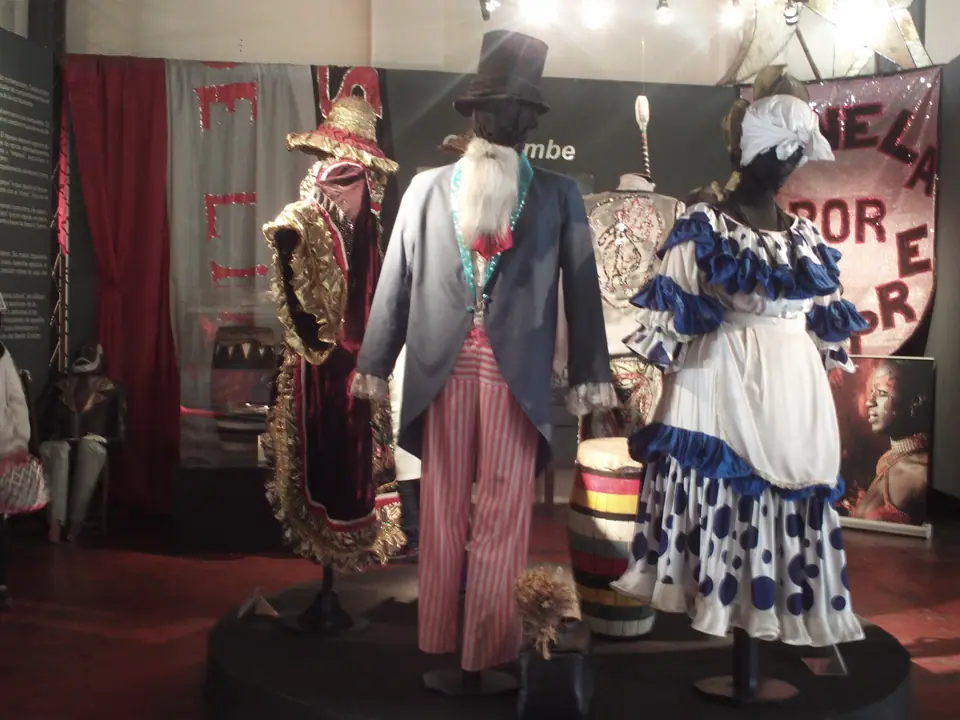
Across Calle Piedras from the market stands the Museo del Carnaval, housed inside restored brick port warehouse premises. This cultural centre preserves the musical and theatrical traditions of Uruguayan carnival, including the driving polyrhythmic drumming of Afro-Uruguayan candombe. Inside the exhibition rooms, visitors encounter elaborately painted stage backdrops, papier-mache giant puppets, sequined costumes, and historical instruments used by celebrated carnival troupes during national competitions.
Beyond the museum entrance, the waterfront road connects directly to the port terminal where international passenger ferries arrive from Buenos Aires. Travellers arriving by river can review our guide on how to get to Montevideo to coordinate smooth transit from the dock to the market hall gates.
Comparing Mercado del Puerto Features
| Attraction Component | Primary Historical Origin | Core Feature to Experience | Operational Setting |
|---|---|---|---|
| Market Central Hall | Liverpool, England (1868) | Vaulted iron roof and 1897 four-faced clock | Covered historic national monument |
| Open Parrilla Stalls | Traditional Uruguayan asado | Hardwood-ember grilling and provoleta | Counter seats around internal braziers |
| Bar Roldos | Late nineteenth-century establishment | Classic chilled Medio y Medio wine blend | Corner beverage bar inside market aisles |
| Museo del Carnaval | Twentieth-century port warehouses | Candombe drum displays and stage costumes | Restored brick exhibition halls across street |
Seasonal Weather and Port Waterfront Conditions
Because the market features soaring ceilings with open iron ventilation and continuous air movement from the port, ambient temperatures inside reflect coastal weather closely. Summers bring warm maritime conditions, with January reaching an average daily high of 27.8°C and a low of 18.8°C across six wet days. February maintains a high of 27°C and a low of 18.6°C, while December experiences a high of 26.4°C and a low of 17.1°C.
Winter months along the harbour bring cool estuary winds off the Rio de la Plata. July posts an average high of 14.7°C and a low of 7.3°C across six wet days, while June records a high of 15.6°C and a low of 8.1°C with seven wet days. August sees a high of 16.7°C and a low of 8.5°C. Spring brings moderate warming, with October reaching 20.7°C and November reaching 23.7°C. Autumn offers pleasant touring, with March registering a high of 25.3°C and April reaching 22°C.
The radiant heat generated by dozens of live hardwood fires keeps the interior dining counters pleasantly warm during chilly winter afternoons. Conversely, summer visitors benefit from breezy sea currents flowing between the open port gates and the shaded vaulted ceiling.
Where it is
- 1Montevideo
- Carrasco General Cesáreo L. Berisso International Airport (MVD) · about 19 km from Montevideo in a straight line
- Directions in Google Maps
Stations and taxi ranks: OpenStreetMap. Airports: OurAirports. Distances are in a straight line.
Traveller tips
Real advice from people who have been to Montevideo. Every tip is read by our team before it goes live.
No tips yet. Been here? Yours could be the first.
Thank you! Your tip will appear here after a quick review.
More in Montevideo
Continue exploring Montevideo with related neighbourhood, food, and planning guides
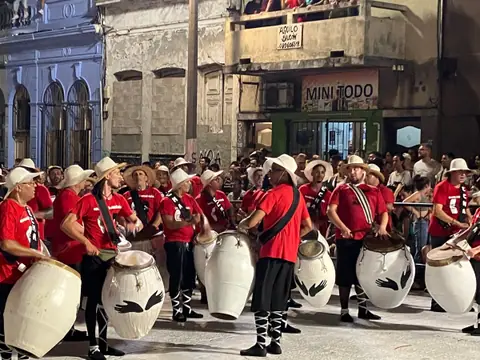
La Rambla, Barrio Sur, Palermo and Afro-Uruguayan Candombe Culture
Montevideo, Uruguay
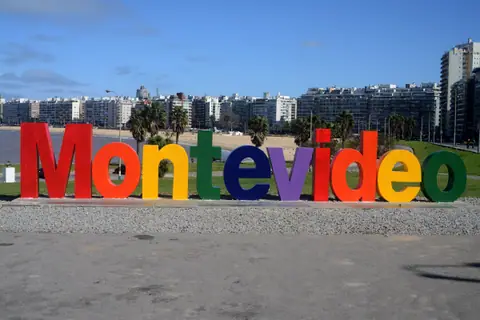
Parque Rodo, Punta Carretas Lighthouse and Playa de los Pocitos
Montevideo, Uruguay
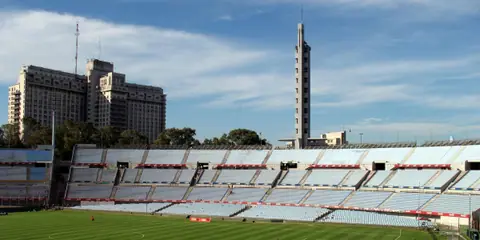
Estadio Centenario, Parque Batlle and the Historic Prado District
Montevideo, Uruguay
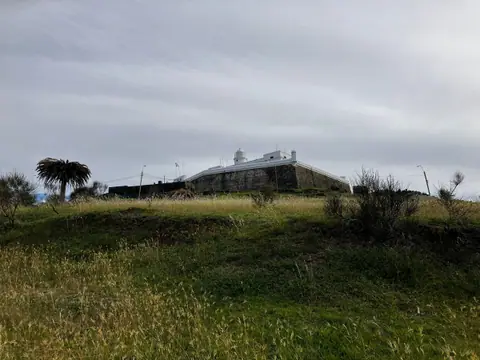
Fortaleza del Cerro (134 m) and Montevideo's Tannat Wine Bodegas
Montevideo, Uruguay
