Things to Do in Montevideo: Historic Quarters, Markets and the Rambla
Plan your Montevideo journey across Ciudad Vieja colonial squares, the 1928 Palacio Salvo, waterfront Mercado del Puerto parrillas and the scenic Rambla.
Montevideo rewards unhurried exploration across three distinct layers of urban heritage. The peninsula displays eighteenth-century colonial bastions and nineteenth-century neoclassical squares. Broader eastern avenues showcase the early twentieth-century boom that yielded monumental towers and world football's first tournament arena. Wrapping the entire southern edge, the expansive riverfront promenade sustains everyday public recreation beside the Rio de la Plata. Travellers can easily combine morning architectural walks with afternoon coastal cycling. You can organise these activities day by day using our 3-day Montevideo itinerary.
Architectural Landmarks of Plaza Independencia and Ciudad Vieja
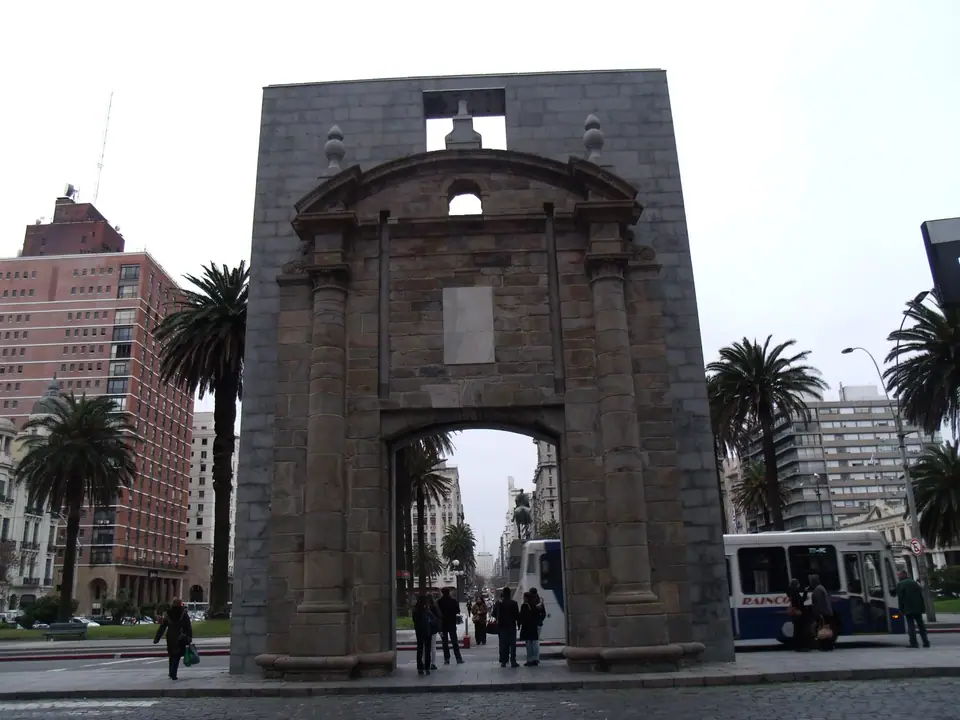
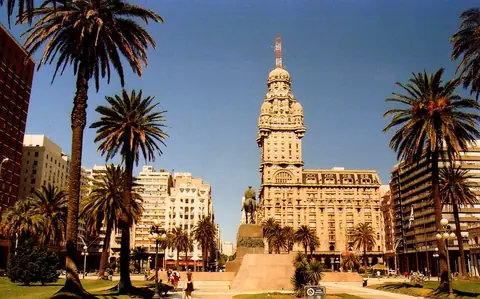
Begin your walking circuit at Plaza Independencia, the transitional civic hub separating the modern downtown from the original colonial city. The western threshold features the stone Puerta de la Ciudadela, built in 1741 as the gateway to the fortified Spanish settlement. Opposite this arch stands the striking tower of Palacio Salvo. Architect Mario Palanti finished this 105-metre, 27-storey monument in 1928, combining eclectic Italian Gothic details with Art Deco massing. The square's centre contains the underground granite mausoleum honouring national hero Jose Gervasio Artigas.
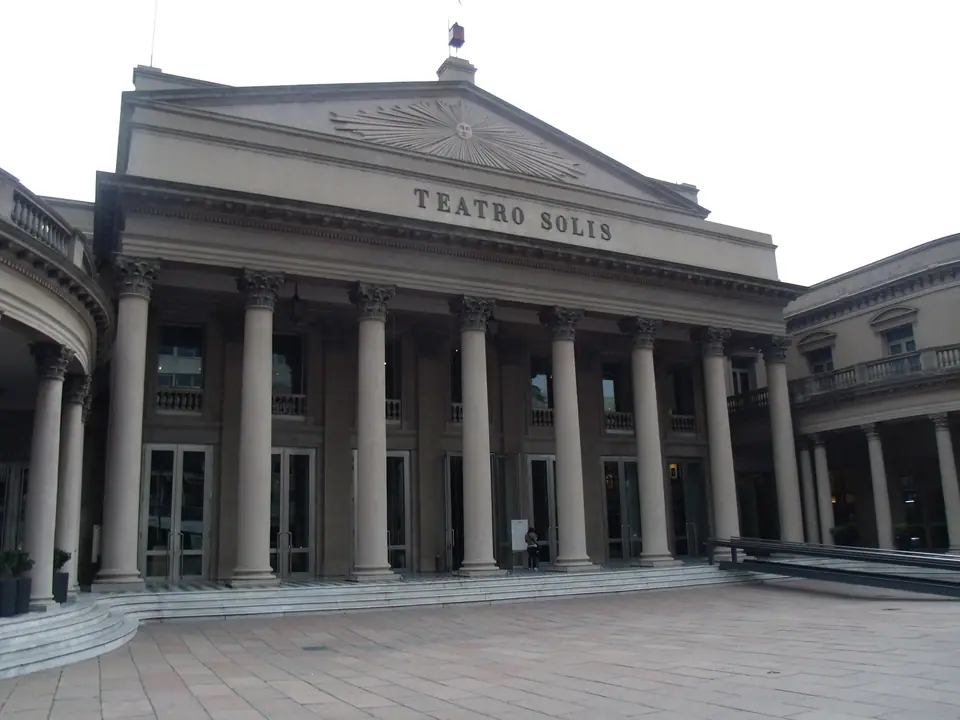
Just southwest of the square stands the neoclassical facade of Teatro Solis, designed by Carlo Zucchi and inaugurated in 1856. Detailed walking notes for these monuments appear in our dedicated guide to Plaza Independencia, Palacio Salvo and Teatro Solis.
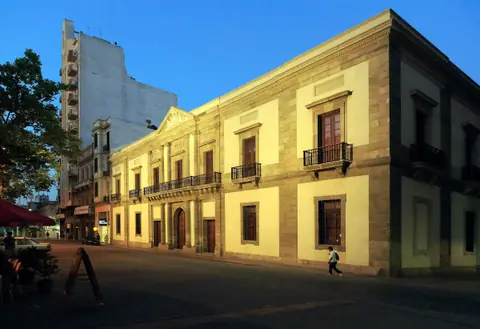
Passing beneath the stone portal of the Puerta de la Ciudadela leads straight onto the pedestrian paving of Calle Sarandi. This street cuts through the core of Ciudad Vieja toward Plaza Matriz, officially named Plaza Constitucion. The square is anchored by the Metropolitan Cathedral, consecrated in 1804, and the Cabildo, erected between 1804 and 1812 to house the colonial administration and city council. Further west, visitors can inspect the constructive universalism works inside the Museo Torres Garcia and explore European decorative art displays within the French-inspired Palacio Taranco. Learn more about navigating these streets in our review of Ciudad Vieja, Calle Sarandi, Plaza Matriz and the Cabildo.
Gastronomy at Mercado del Puerto and Harbour Sights
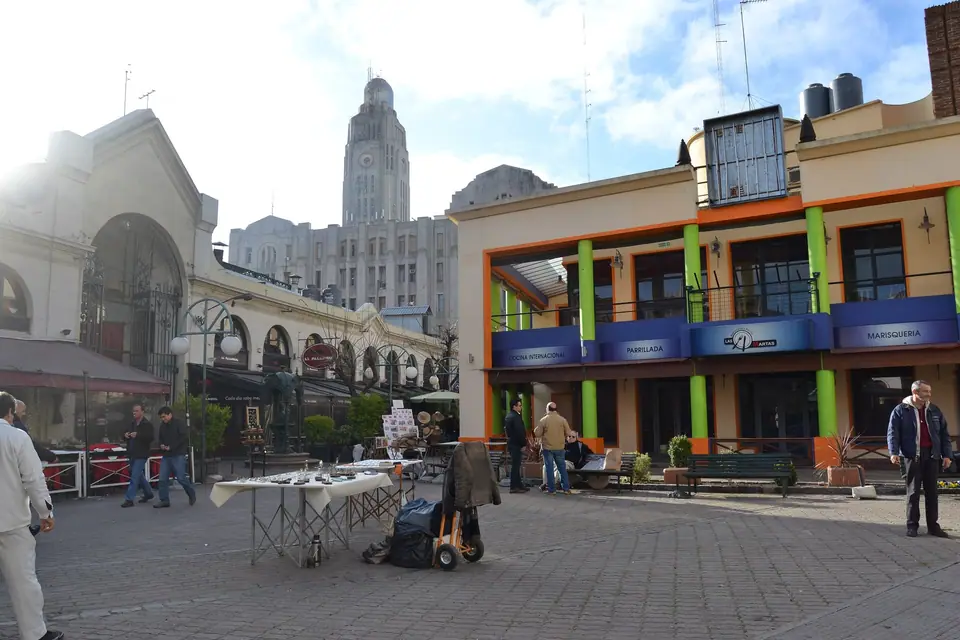
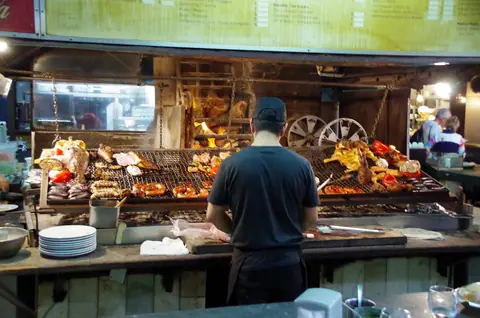
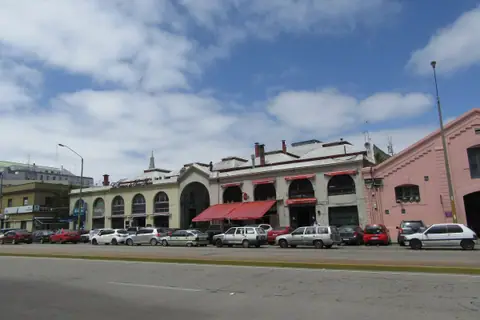
At the northwestern edge of the historic peninsula, the iron pavilion of Mercado del Puerto dominates the port waterfront. Erected in 1868 with structural framework forged in Liverpool, this soaring market now functions as Uruguay's foremost culinary theatre. Hardwood embers of oak and eucalyptus glow inside tilted iron braziers, heating massive grills stacked with beef cuts, chorizo, and sweetbreads. Dining counters ring each stall, allowing patrons to observe the grillmasters while enjoying a glass of medio y medio, the local blend of sparkling and white wine. For in-depth culinary guidance, consult our overview of Mercado del Puerto parrillas and the port waterfront.
Outside the market building, cobblestone streets stretch toward the working harbour basin where naval tugs and international container vessels dock. The adjacent port gates lead toward passenger ferry terminals connecting daily maritime routes to Buenos Aires. Strolling these stone streets reveals maritime workshops, antique shops, and street performers playing acoustic tango on weekends.
Sporting Heritage at Estadio Centenario
Football represents an essential cultural pillar across Uruguay, and no site captures this tradition quite like Estadio Centenario. Located east of the city centre in the green expanse of Parque Batlle, this stadium was completed in 1930 to host the inaugural FIFA World Cup and celebrate the centenary of Uruguay's first constitution. The concrete grandstands encircle the playing pitch beneath the 100-metre constructivist Torre de los Homenajes.
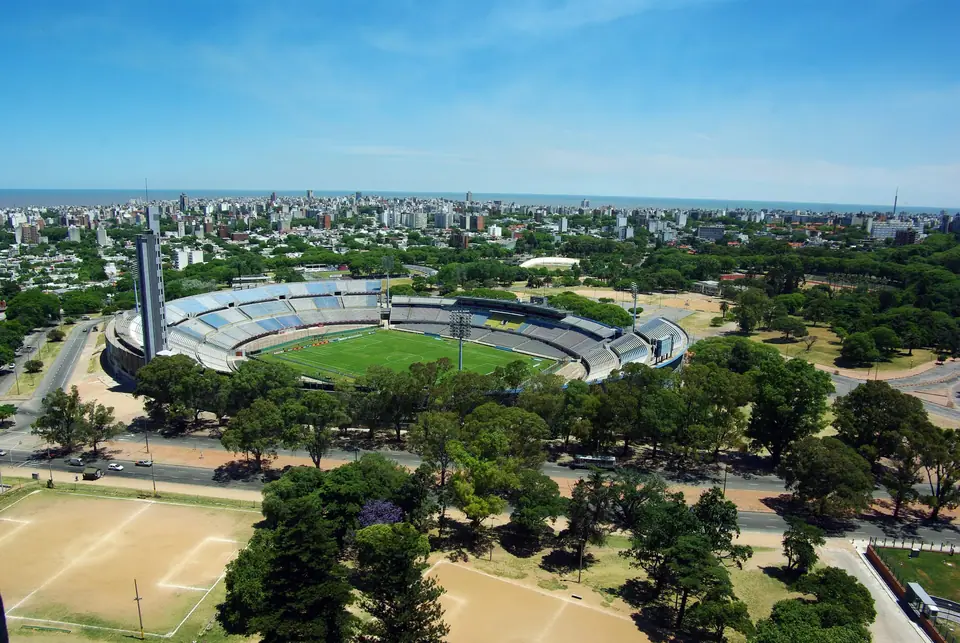
Inside the stadium complex, the official Football Museum preserves an extensive collection of historic trophies, match balls, vintage jerseys, and original photographs documenting Uruguay's Olympic gold medals from 1924 and 1928, together with the victorious 1930 World Cup campaign. Complete logistical details for visiting the ground can be found in our guide to Estadio Centenario, Parque Batlle and the Prado Rose Garden.
Active Recreation on the 22-Kilometre Rambla
Montevideo's defining open space is La Rambla, a continuous 22.2-kilometre waterfront promenade that edges the Rio de la Plata from the port entrance eastwards past Pocitos, Malvin, and Carrasco. The paved strip functions as a democratic social forum where locals walk, run, and rollerblade while carrying vacuum flasks and mate gourds under their arms. Cycling paths offer safe transit beside ocean vistas, with ocean breezes cooling summer afternoons.
Key sections along the western route wind through Barrio Sur and Palermo, the historic cradles of Afro-Uruguayan candombe drum culture. Continuing east brings you past the open lawns of Parque Rodo, out to the rocky headland of the Punta Carretas Lighthouse, and around the sweeping arc of Playa de los Pocitos. You can explore the distinct identity of these neighbourhoods in our dedicated guide to Parque Rodo, Punta Carretas and Pocitos Beach.
| District | Key Sights | Primary Focus | Optimal Transit Method |
|---|---|---|---|
| Ciudad Vieja | Plaza Matriz, Cabildo, Palacio Taranco | Colonial and Belle Epoque architecture | Walking along pedestrian streets |
| Centro | Plaza Independencia, Palacio Salvo, Teatro Solis | Civic monuments and early skyscrapers | Walking from Old Town gateway |
| Port District | Mercado del Puerto, Harbour waterfront | Wood-fired dining and maritime heritage | Walking or short local bus ride |
| Parque Batlle | Estadio Centenario, Football Museum | Sporting history and parkland paths | City bus or taxi from downtown |
| Coastal Strip | Punta Carretas, Pocitos Beach, Rambla | Waterfront recreation and beach walks | Bicycle hire or scenic coastal walk |
Weather Considerations for Outdoor Itineraries
Montevideo experiences a temperate maritime climate governed by its position along the Rio de la Plata estuary. Open-Meteo ten-year averages indicate that summer months offer the warmest outdoor conditions, with January reaching an average daily high of 27.8°C and February recording 27.0°C, both averaging six wet days with 42 millimetres of rainfall. March remains warm with highs of 25.3°C, providing optimal weather for long rambles and coastal cycling.
Winter days between June and August turn significantly cooler, with July highs averaging 14.7°C and overnight lows dipping to 7.3°C across six wet days. Southern winds off the water can make the waterfront promenade feel brisk during these months. Travellers planning seaside cycles or extended walking tours should pack windproof jackets during winter and focus on indoor cultural institutions like Teatro Solis, the Cabildo, and the Football Museum on overcast afternoons.
Where it is
- 1Montevideo
- Carrasco General Cesáreo L. Berisso International Airport (MVD) · about 17 km from Montevideo in a straight line
- Directions in Google Maps
Stations and taxi ranks: OpenStreetMap. Airports: OurAirports. Distances are in a straight line.
Traveller tips
Real advice from people who have been to Montevideo. Every tip is read by our team before it goes live.
No tips yet. Been here? Yours could be the first.
Thank you! Your tip will appear here after a quick review.
More in Montevideo
Continue exploring Montevideo with related neighbourhood, food, and planning guides
What to Eat in Montevideo: Asado, Chivito, Caruso Pasta and Local Pastries
Montevideo, Uruguay
Ciudad Vieja: Calle Sarandi, Plaza Matriz, the Cathedral and Palacio Taranco
Montevideo, Uruguay
Plaza Independencia, Palacio Salvo and Teatro Solis Guide
Montevideo, Uruguay
Mercado del Puerto: 1868 Iron Architecture, Wood-Fired Parrillas and Port Waterfront
Montevideo, Uruguay
