Where to Stay in Montevideo: Ciudad Vieja, Punta Carretas, Pocitos and Carrasco
Navigate the top neighbourhoods in Montevideo, comparing historic Ciudad Vieja, leafy Punta Carretas, beachfront Pocitos and stately Carrasco for your itinerary.
Choosing where to stay in Montevideo shapes your daily rhythm across Uruguay's capital. The primary decision sits between basing yourself in the historic western promontory of Ciudad Vieja and Centro or lodging southeast along the coastal beaches and leafy avenues of Punta Carretas and Pocitos. Because the uninterrupted Rambla connects both sectors cleanly, taxis and city buses link the old core with the eastern coastline in 12 to 20 minutes. This layout allows you to study historic architecture by day and dine near ocean breezes by night. To coordinate your broader route across the city, consult our comprehensive Montevideo travel guide.
Punta Carretas: Leafy Boulevards, Dining and Seaside Parks
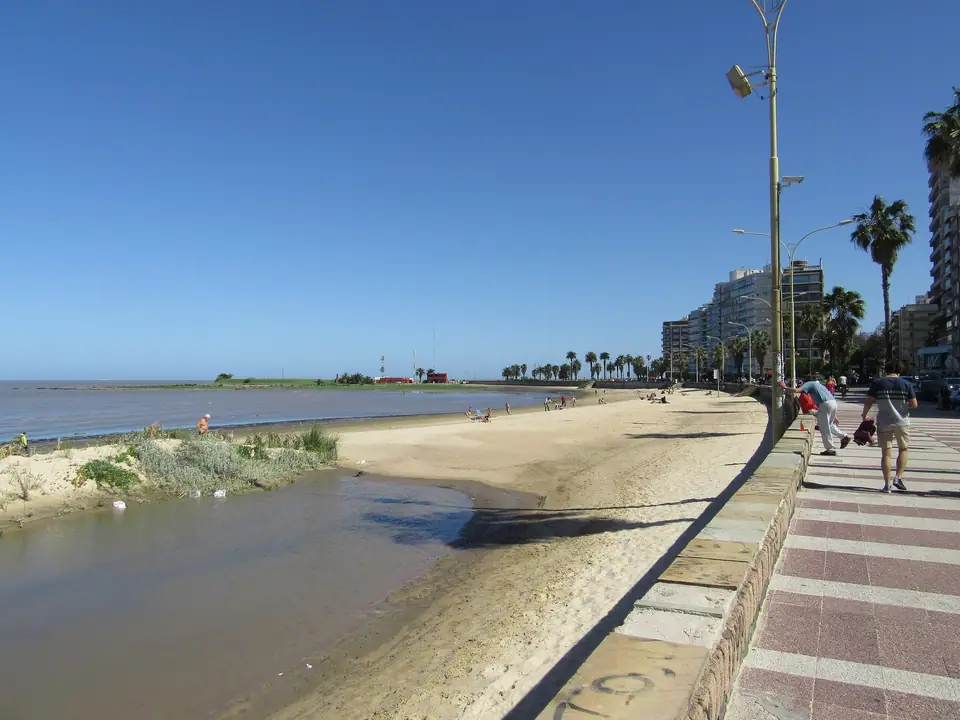
Occupying the southernmost rocky promontory of the city, Punta Carretas offers the most well-rounded base for most visitors. Sycamore-shaded residential streets around Avenida Jose Ellauri and Calle 21 de Septiembre combine modern apartment towers, boutique accommodations, specialty coffee houses and independent wine bistros. The neighbourhood wraps around the Club de Golf del Uruguay, which was founded in 1922, and leads south toward the 1876 Punta Brava Lighthouse. At its centre stands Punta Carretas Shopping, a regional retail destination housed within the remodelled structure of the 1915 penitentiary.
Staying in Punta Carretas keeps you within steps of the waterfront path. The district borders the open green expanses of Parque Rodo to the west and the sands of Pocitos to the east. The broad pavements provide immediate access to morning runs and afternoon strolls along the riverbanks. For deeper details on this coastline, review our dedicated guide to Parque Rodo, Punta Carretas Lighthouse and Playa de los Pocitos.
Pocitos: High-Rise Promenade and Sandy Bay Living
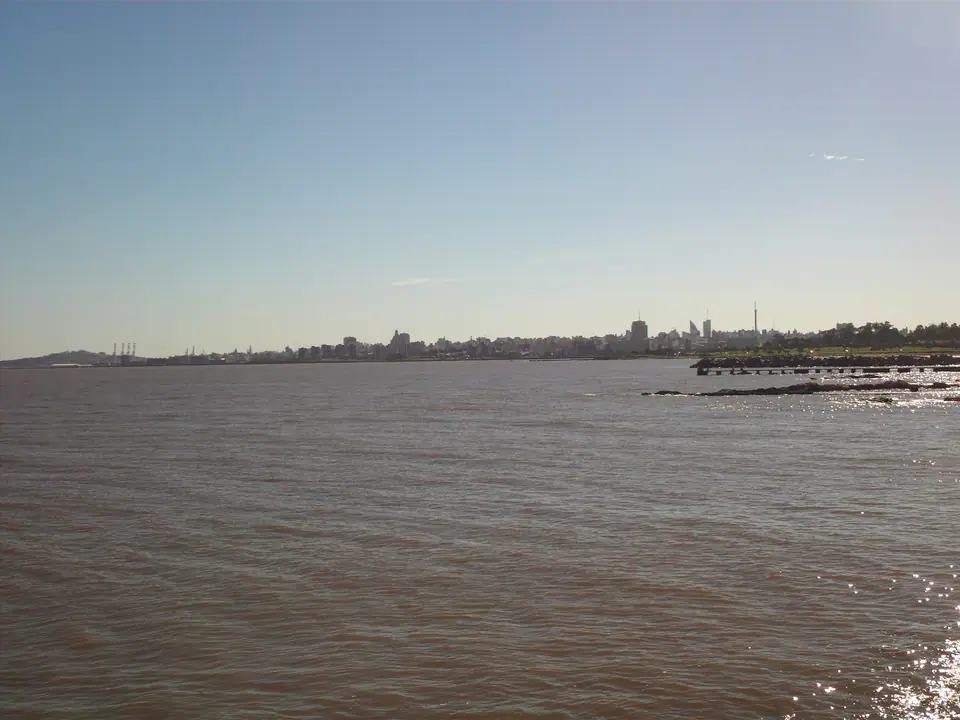
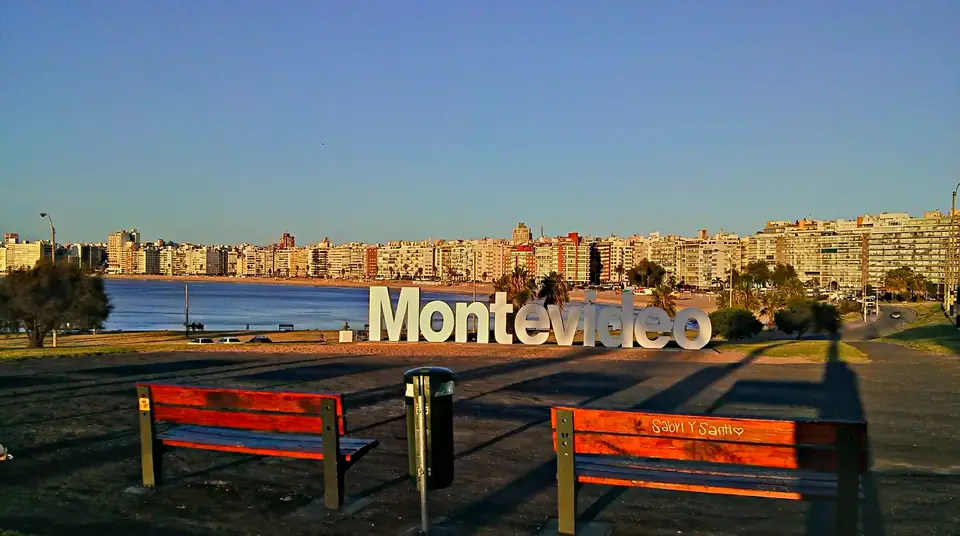
Pocitos curves around a two-kilometre crescent of pale sand at Playa de los Pocitos. Dense rows of modern residential and hotel towers line the seafront promenade, looking out toward the open water of the Rio de la Plata. The barrio delivers an active, outdoor atmosphere from sunrise to dusk. Runners, cyclists and mate drinkers gather along the seawall, while fitness enthusiasts utilise the public exercise stations and beach volleyball courts. The eastern curve concludes near the landmark Montevideo sign at Kibon Point.
Behind the waterfront boulevard, the interior grid of Pocitos houses casual bakeries, grocery markets, craft breweries and neighbourhood parrillas. It is an ideal base for travellers who prefer energetic evening pavements and direct beach access. If you plan your visit during the warmest months of January and February, when daytime highs average 27 to 28°C, Pocitos puts you steps away from the water. For seasonal temperature patterns and festival calendars, read our guide on the best time to visit Montevideo.
Ciudad Vieja and Centro: Historic Architecture and Cultural Landmarks
For travellers prioritising colonial heritage, neoclassical facades and walking access to national institutions, Ciudad Vieja and Centro provide an authentic historic atmosphere. Ciudad Vieja occupies the western peninsula that sheltered the original fortified settlement. Here you can walk directly to the pedestrianised Calle Sarandi, the historic Cabildo, the Metropolitan Cathedral on Plaza Matriz and the 1868 Mercado del Puerto. To understand the architectural fabric of these cobbled blocks, explore our overview of Ciudad Vieja: Calle Sarandi, Plaza Matriz and the Cathedral.
Crossing east beneath the remaining gateway of the Citadel brings you into Plaza Independencia and the broader Centro district. Staying near the plaza places you within short walking distance of the 1856 Teatro Solis and the iconic 1928 Palacio Salvo. Centro carries an administrative, commercial tempo with busy pedestrian shopping streets along Avenida 18 de Julio. The main consideration in Ciudad Vieja is that commercial foot traffic drops significantly after office hours and on Sunday afternoons, giving the streets a very quiet, deserted feel after dark. Travellers who enjoy lively late-night dining outside their hotel lobby often prefer Punta Carretas or Pocitos.
Carrasco: Stately Estates, Tree-Lined Avenues and Coastal Calm
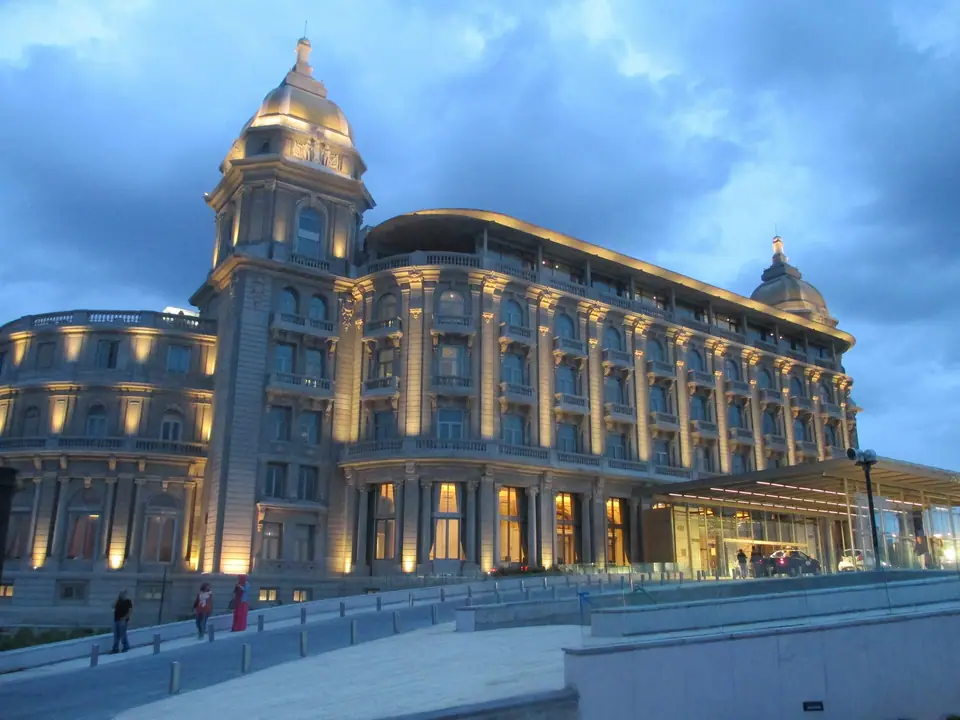
Located roughly fifteen kilometres east of the city centre, Carrasco is Montevideo's premier garden suburb. Developed in the early twentieth century, the neighbourhood features grand detached residences, broad manicured lawns and sycamore-lined residential avenues that terminate at clean coastal dunes. The architectural anchor of the waterfront is the grand 1921 Beaux-Arts building housing the Sofitel Montevideo Casino Carrasco, which dominates the shoreline with its classical French pavilion design.
Carrasco suits travellers seeking quiet nights, refined surroundings and convenient access to Carrasco International Airport (MVD). The peaceful residential layout makes it less practical for first-time visitors who wish to explore historic museums and downtown theatres daily, as urban bus journeys into Ciudad Vieja can take upwards of forty-five minutes. However, the commercial core along Avenida Arocena provides boutique shopping, relaxed cafes and quality dining within easy walking distance of the residential hotels.
Comparative Matrix: Selecting Your Montevideo Neighbourhood Base
To help you evaluate travel logistics, local transit connections and neighbourhood character, review this comparative framework before making your reservation:
| Neighbourhood | Primary Atmosphere | Walking Distance Highlights | Transit Connection to Centro |
|---|---|---|---|
| Punta Carretas | Leafy residential streets, upscale dining and retail | Punta Brava Lighthouse, Club de Golf, Punta Carretas Shopping | 15 to 20 minutes via coastal bus or taxi |
| Pocitos | Seaside high-rises, active promenade and beach sports | Playa de los Pocitos, Kibon Point, Rambla beachfront | 20 minutes via urban bus lines along Avenida Brasil |
| Ciudad Vieja | Historic architecture, museums and port identity | Teatro Solis, Plaza Matriz, Mercado del Puerto, Port terminal | Immediate walking access to historic monuments |
| Carrasco | Quiet garden suburb, private estates and dune beaches | 1921 Hotel Casino Carrasco, Avenida Arocena dining | 35 to 45 minutes via direct suburban buses or express taxi |
Strategic Recommendations for Your Itinerary Planning
When selecting your lodging, align your location with the duration of your stay and your primary travel interests:
- Short Stays (1 to 2 nights): Choose Ciudad Vieja or Plaza Independencia if your priority is touring museums, boarding the Buquebus ferry terminal, or inspecting architectural landmarks on foot. You can seamlessly weave your stay into our structured 3-day Montevideo itinerary.
- Extended City Trips (3 to 6 nights): Book in Punta Carretas. It offers the most comprehensive selection of independent restaurants, quiet tree-lined sidewalks, safe evening walks and easy access to both downtown museums and the eastern beaches.
- Summer Beach Holidays: Select Pocitos between December and March to take full advantage of warm afternoons, beach activities and the animated beachfront Rambla promenade.
- Transit and Flight Connections: Settle in Carrasco if you have early morning departures from Carrasco International Airport or arrive late via international long-haul flights. Details on arriving via flights or river ports are mapped in our guide on how to get to Montevideo.
Where it is
- 1Montevideo
- Carrasco General Cesáreo L. Berisso International Airport (MVD) · about 17 km from Montevideo in a straight line
- Directions in Google Maps
Stations and taxi ranks: OpenStreetMap. Airports: OurAirports. Distances are in a straight line.
Traveller tips
Real advice from people who have been to Montevideo. Every tip is read by our team before it goes live.
No tips yet. Been here? Yours could be the first.
Thank you! Your tip will appear here after a quick review.
More in Montevideo
Continue exploring Montevideo with related neighbourhood, food, and planning guides
Best Time to Visit Montevideo: Climate Patterns, Carnival and Beach Seasons
Montevideo, Uruguay
3-Day Montevideo Itinerary: Ciudad Vieja, Rambla Coastline and Day Trips
Montevideo, Uruguay
What to Eat in Montevideo: Asado, Chivito, Caruso Pasta and Local Pastries
Montevideo, Uruguay
Ciudad Vieja: Calle Sarandi, Plaza Matriz, the Cathedral and Palacio Taranco
Montevideo, Uruguay
