What to Eat in Montevideo: Asado, Chivito, Caruso Pasta and Local Pastries
A complete dining guide to Montevideo, exploring wood-fired asado beef cuts, the iconic chivito sandwich, chickpea fainá, rich Caruso sauce, and classic dulce de leche desserts.
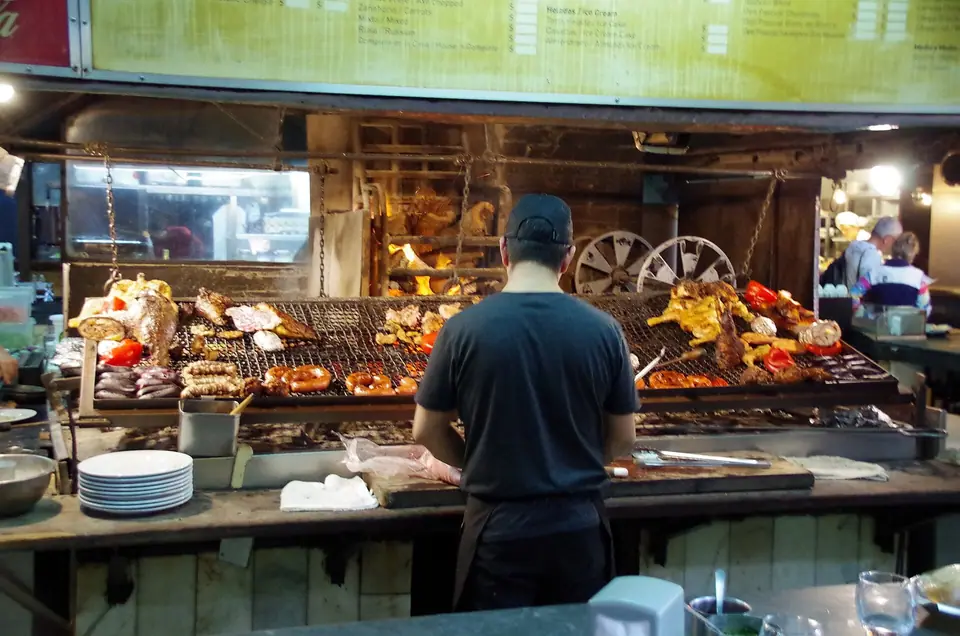
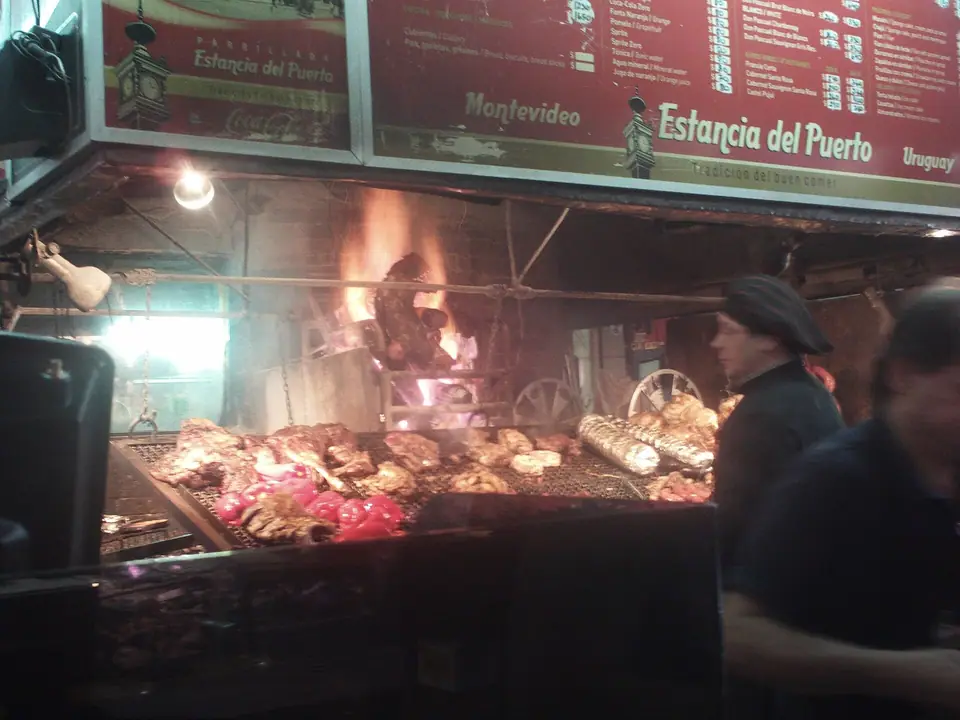
Shaped by waves of Spanish and Italian immigration in the late nineteenth and early twentieth centuries, Uruguayan food in Montevideo reflects both old-world recipes and the cattle-ranching customs of the interior plains. Grass-fed beef, wood-fired hearths, handmade pasta, and dairy sweets define everyday eating across the capital. Unlike neighbours who grill over charcoal, Uruguayan grillmasters burn seasoned native hardwood logs in raised iron fireboxes. Glowing embers are raked beneath sloping iron grates to yield a mellow, aromatic woodsmoke flavour. A meal at the historic counters of Mercado del Puerto introduces diners to these ancestral grilling rituals, which pair naturally with bold red wines produced in local vineyards.
The Wood-Fired Parrilla Tradition and Cuts of Beef
At a traditional parrillada, the cooking surface is treated with architectural care. Meat cuts are cooked slowly over hardwood embers rather than exposed to direct grease flames. The classic selection includes thick cross-cut beef short ribs known as asado de tira, beside juicy flank steak called vacío and tender bottom sirloin known as pulpón. Before the prime steaks finish cooking, grillmasters serve appetisers including savoury pork-and-beef chorizo, blood sausage, and delicate thymus sweetbreads known as mollejas. Blood sausage comes in two distinct varieties: savoury morcilla salada seasoned with herbs, and morcilla dulce enriched with orange peel, raisins, and walnuts.
Cheese lovers should order provoleta, a thick disc of aged provolone cheese melted in an iron skillet until the exterior forms a blistered golden crust dusted with oregano and red pepper flakes. Pair these rich dishes with a glass of Medio y Medio, a refreshing blend of sweet sparkling wine and dry white wine created in the late nineteenth century at the legendary Roldós bar in the port district. To continue the meal with heavier cuts of meat, order a bottle of bold, high-tannin Uruguayan red wine, which you can investigate further through Montevideo's Tannat wine bodegas.
The Chivito: Uruguay's Ultimate Griddled Steak Sandwich
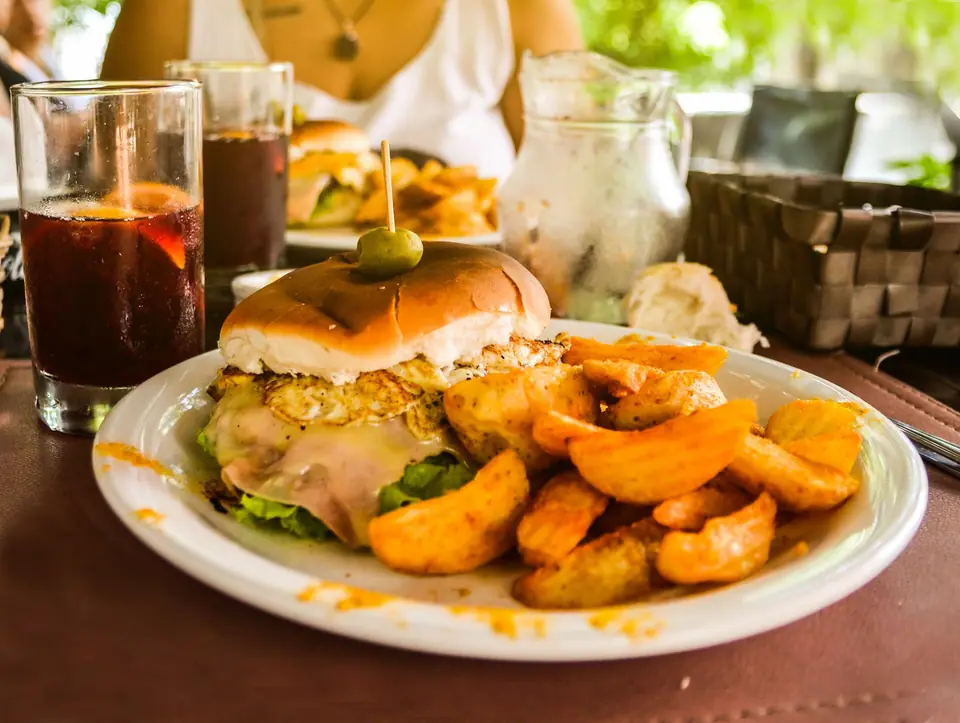
The chivito is Uruguay's quintessential fast-casual dish, created during the mid-twentieth century and celebrated across every neighbourhood diner in the city. Despite the name translating literally to little goat, the sandwich contains tender beef tenderloin pounded thin and flash-griddled on a flat steel plancha. The standard version, known as chivito al pan, stacks the griddled beef tenderloin on a soft round roll with melted mozzarella cheese, thin ham, crispy bacon, tomato slices, lettuce, sliced green olives, and mayonnaise. A fried egg or hard-boiled egg completes the tower, creating a hearty combination of savoury flavours.
Diners seeking a fork-and-knife experience can order the chivito al plato. This version omits the bun, serving the griddled beef and melted toppings spread over a generous bed of hand-cut chips and creamy Russian potato salad. Neighborhood diners in coastal areas like Playa de los Pocitos excel at turning out these oversized platters, which remain a popular late-night meal across the city.
Italian Heritage: Caruso Sauce, Fainá and Stuffed Pastas
Heavy Italian immigration left an indelible stamp on Montevideo's culinary habits, creating traditions that remain vigorous today. Among the most celebrated local inventions is salsa Caruso, created in Montevideo in the 1950s in honour of the legendary Italian tenor Enrico Caruso. This rich pasta sauce blends double cream, concentrated meat extract, sautéed onions, diced cooked ham, and sliced button mushrooms. Locals traditionally serve Caruso sauce over tender, cheese-filled agnolotti or meat-stuffed cappelletti, especially during the customary 29th-of-the-month gnocchi dinners held across neighbourhood trattorias.
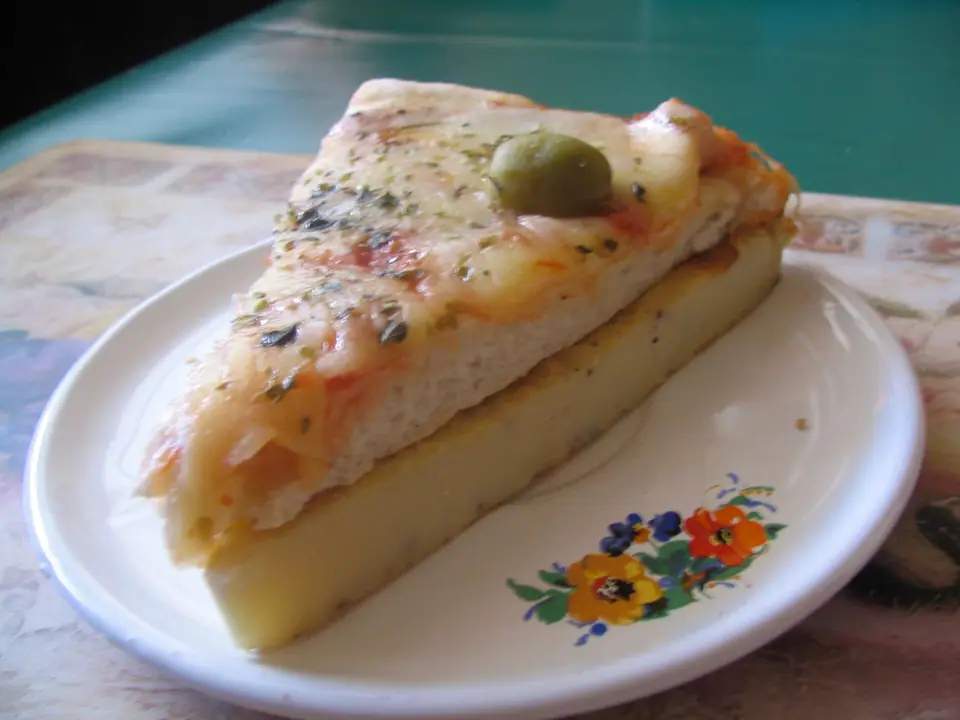
Pizza dining in Montevideo has its own distinct customs, centered on pizza a la pala baked in wood ovens. Locals pair slices with fainá, a dense, savoury flatbread prepared from chickpea flour, water, olive oil, and black pepper. Ordered thin with a crisp base or thick with a creamy interior, fainá is frequently stacked directly on top of a hot cheese pizza slice to create a combination known locally as pizza a caballo. Thin, breaded beef or chicken cutlets known as milanesas also appear on every classic tavern menu, often ordered napolitana style with tomato sauce, ham, and melted cheese.
Street Fritters, Bakery Classics and Sweet Finishes
Street food culture in Montevideo features hot tortas fritas, especially on damp or overcast afternoons. These simple discs of kneaded flour, beef lard, and salt are deep-fried until crisp and blistered, then sprinkled with granulated sugar or eaten plain beside hot yerba mate. Winter months such as June and July, with daytime highs around 15°C and overnight lows around 8°C, make these warm dough discs a reassuring companion along public promenades.
Sweet bakery counters are dominated by dulce de leche, a thick caramelised milk spread made by slowly cooking whole milk with sugar. It fills crumbly cornstarch alfajores, rolled sponge cakes known as piononos, and layered puff pastry slices. For celebrations, families serve chajá cake, an airy layered dessert created in Paysandú that features sponge cake, whipped cream, canned peaches, dulce de leche, and crunchy crumbled meringue.
| Dish or Beverage | Primary Ingredients | Culinary Origin | Typical Dining Setting |
|---|---|---|---|
| Asado a la Leña | Grass-fed beef cuts, chorizo, hardwood embers | Gaucho cattle ranches | Traditional parrilas and port markets |
| Chivito al Pan | Beef tenderloin, bacon, mozzarella, egg, bun | Mid-century Uruguay | Casual bars and neighbourhood diners |
| Pasta con Salsa Caruso | Cream, meat extract, mushrooms, cooked ham | Montevideo Italian community | Neighbourhood pasta houses and cantinas |
| Fainá | Chickpea flour, olive oil, cracked pepper | Ligurian immigration | Pizzerias and historic counter bars |
| Medio y Medio | Sparkling sweet wine, dry white wine | Roldós bar, Ciudad Vieja | Market food counters and aperitif bars |
Dining Timing and Practical Table Etiquette
Montevideo adheres to classic Southern Cone dining rhythms, running significantly later than northern European schedules. Midday lunch is a leisurely affair that generally peaks between early and mid-afternoon. Evening dinners rarely begin before mid-evening, with dining rooms filling up toward late night. Service charges are not automatically included on the final bill, so diners typically leave a discretionary cash tip for friendly counter or table service. When ordering grilled meats at a parrilla, specify your preferred level of cooking, as local default preparation leans toward medium-well unless requested juicy.
Where it is
- 1Montevideo
- Carrasco General Cesáreo L. Berisso International Airport (MVD) · about 17 km from Montevideo in a straight line
- Directions in Google Maps
Stations and taxi ranks: OpenStreetMap. Airports: OurAirports. Distances are in a straight line.
Traveller tips
Real advice from people who have been to Montevideo. Every tip is read by our team before it goes live.
No tips yet. Been here? Yours could be the first.
Thank you! Your tip will appear here after a quick review.
More in Montevideo
Continue exploring Montevideo with related neighbourhood, food, and planning guides

Best Time to Visit Montevideo: Climate Patterns, Carnival and Beach Seasons
Montevideo, Uruguay
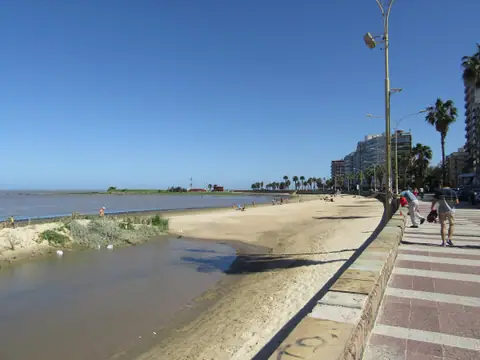
Where to Stay in Montevideo: Ciudad Vieja, Punta Carretas, Pocitos and Carrasco
Montevideo, Uruguay
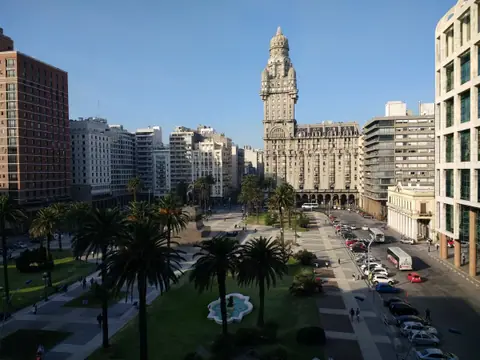
3-Day Montevideo Itinerary: Ciudad Vieja, Rambla Coastline and Day Trips
Montevideo, Uruguay
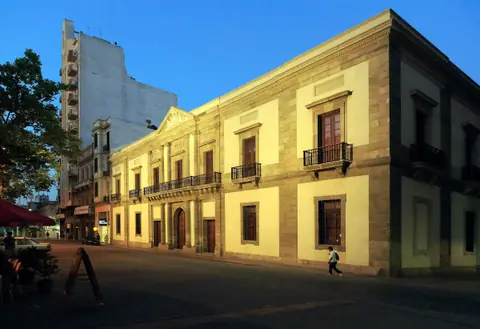
Ciudad Vieja: Calle Sarandi, Plaza Matriz, the Cathedral and Palacio Taranco
Montevideo, Uruguay
