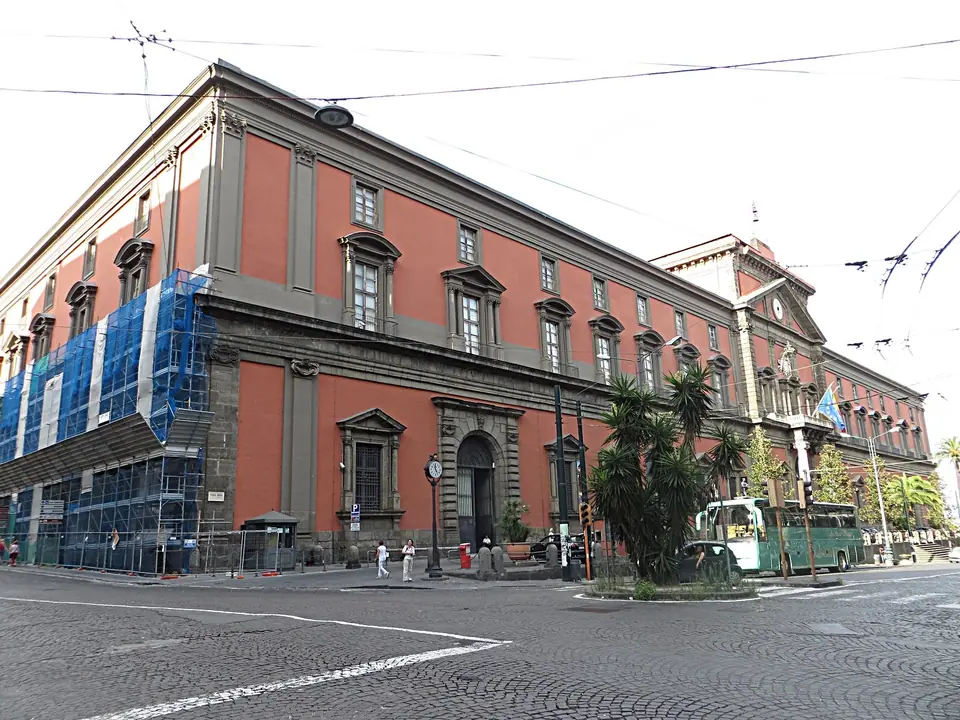
Photo: Mister No · CC BY-SA 4.0
National Archaeological Museum and Capodimonte: Naples Classical Heritage
Classical Farnese sculptures, preserved Campanian wall paintings, and royal galleries anchor the two leading museums in Naples.
Standing at the northern edge of the historic centre, the National Archaeological Museum houses one of the finest classical antiquity collections in Europe. Originally founded inside a former cavalry barrack and university palace, the institution preserves colossal stone sculptures from Roman baths alongside treasures gathered by the Farnese dynasty. We find the ground-floor galleries dominated by heroic mythology, where immense carved figures illustrate the artistic sophistication of early Mediterranean studios. Visitors exploring the city highlights often begin here. The rooms present foundational historical context before day trips toward regional volcanic excavations.
The central halls present monumental works that once decorated private patrician estates and imperial leisure complexes. Walking beneath vaulted ceilings, travellers encounter massive carved tributes to Hercules alongside intricate relief panels salvaged from classical porticoes. Natural light illuminates the polished surfaces of white marble, revealing chisel marks and anatomical details completed centuries ago. The surrounding corridors display refined bronze portraits, ceremonial vessels, and domestic furniture recovered from coastal settlements across the bay. These rooms capture the grandeur of public civic monuments that defined classical Mediterranean urban life.
Pompeian Frescoes, Mosaics, and Everyday Artefacts
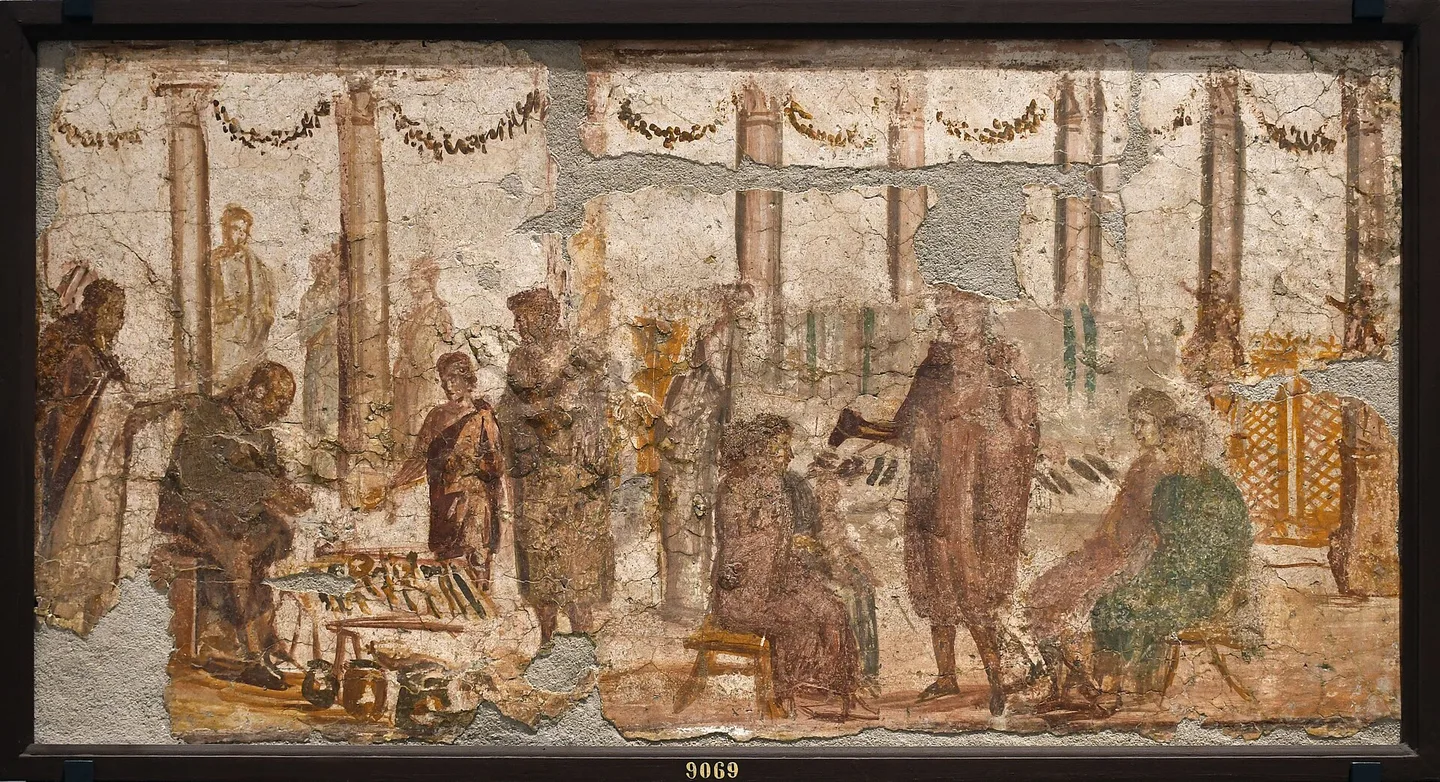
Upstairs, the museum transitions from colossal stone carvings to intimate domestic decor salvaged from villas buried beneath volcanic ash. Delicately painted plaster panels depict mythological scenes, theatrical masks, pastoral landscapes, and market stalls painted with mineral pigments. These wall fragments demonstrate how Roman homeowners decorated dining halls to impress guests and showcase personal prosperity. Looking closely at the preserved brushstrokes, we observe subtle shading on fruit baskets, glassware, and musical instruments. The detailed paintings reveal daily trade, culinary traditions, and religious rites that flourished across coastal Campania.
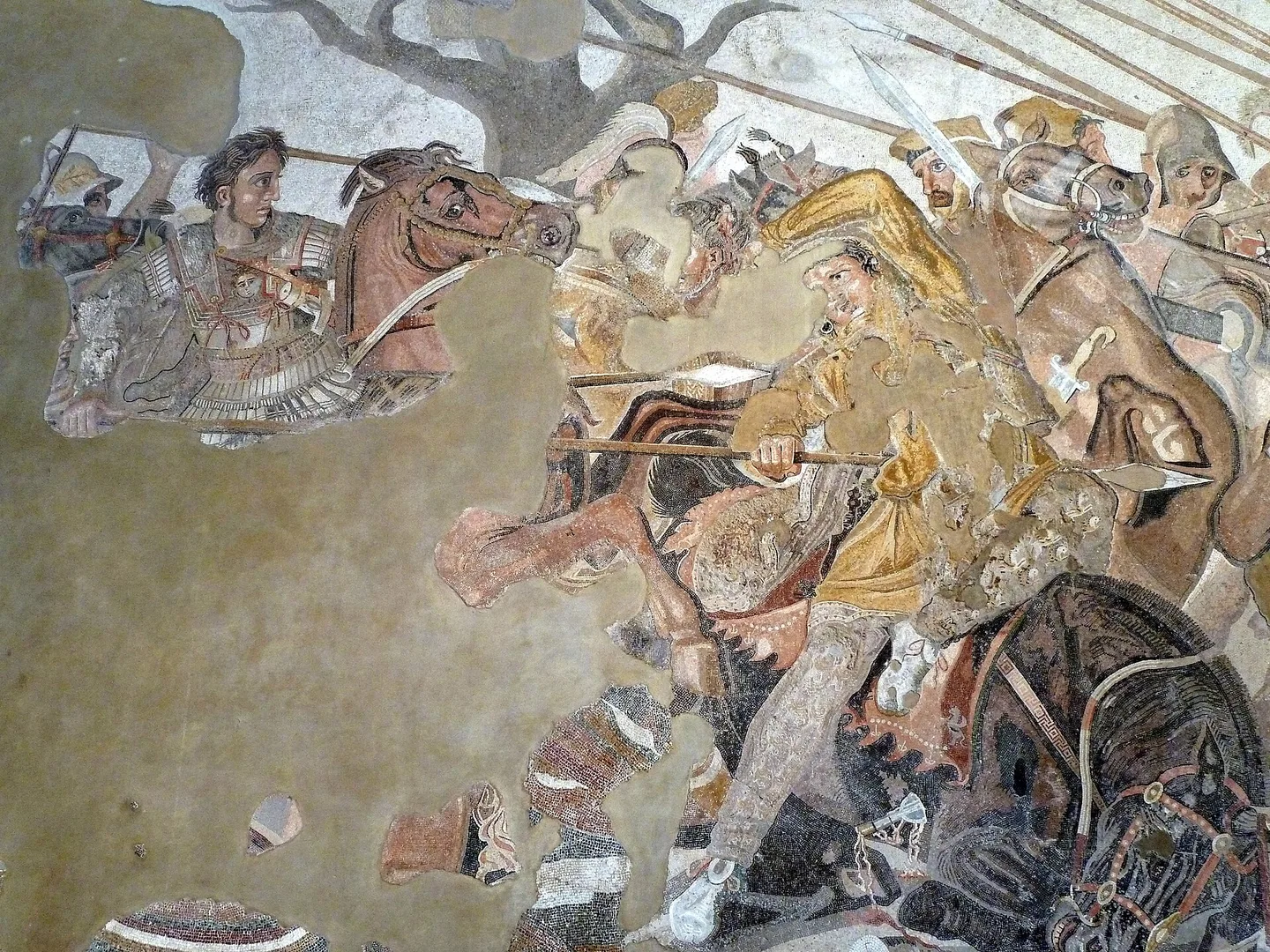
Nearby rooms contain astonishing stone mosaics pieced together using thousands of miniature tesserae cut from natural rock. Complex hunting scenes and naval encounters showcase dramatic narrative skill, featuring expressive portraits and dynamic animal combat. Everyday objects displayed in adjoining glass cabinets complete the picture of private life in Roman times:
- Carbonized loaves of bread, grain samples, and preserved seeds recovered from domestic kitchen storage rooms.
- Bronze kitchen utensils, frying pans, and ornate ladles cast for suburban household banquets.
- Gold jewellery, engraved signet rings, and cosmetic containers carved from bone and imported shells.
- Surgical instruments, balance weights, and writing styluses showing sophisticated domestic professional trades.
Direct metro links stop outside the museum square, making arrival simple during a busy schedule. Consulting an overview of public transport routes helps travellers switch between underground lines and overland connections with ease. The adjacent station platforms feature modern art installations alongside glass display cases exhibiting genuine excavated foundation walls.
Bourbon Splendour and Masterpieces at Capodimonte
Perched high above the city basin on a wooded hilltop, the royal palace at Capodimonte offers a striking visual contrast to downtown antiquities. Commissioned by the Bourbon monarchy as a hunting retreat and grand dynastic showcase, the vast neoclassical residence commands broad southern views. The upper galleries house the Farnese art collection, gathering exquisite Renaissance canvases, religious altarpieces, and mannerist portraits into grand salons. High ceilings, gilded mirrors, and elaborate parquet flooring reflect the opulent lifestyle of European royalty during the eighteenth century.
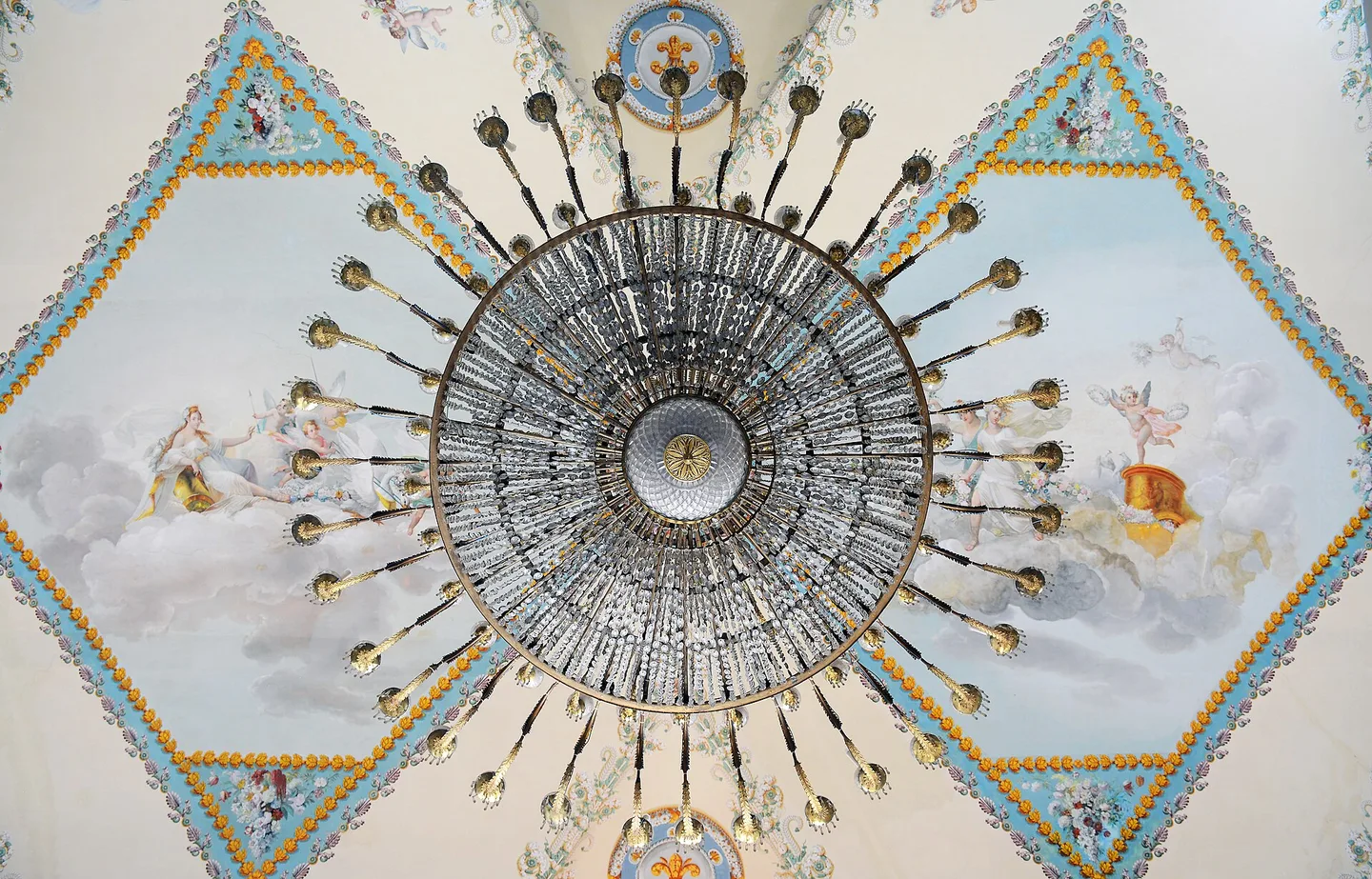
Wandering through the royal apartments, we pass ornate reception halls furnished with crystal chandeliers and porcelain decorative pieces. The palace workshops produced delicate ceramic figurines that earned international prestige, examples of which line dedicated display corridors. Canvases by Italian and northern European masters fill tranquil drawing rooms, tracking stylistic shifts from religious devotion to dramatic baroque chiaroscuro. Because the palace sits within expansive wooded grounds, gallery windows frame sweeping vistas across olive groves towards the distant gulf.
Connecting the Galleries and Practical Gallery Strategy
Combining both cultural landmarks into a single visit requires careful pacing, as each building requires walking through spacious wings. We recommend dedicating fresh morning energy to the archaeological halls before heading uphill towards the peaceful park atmosphere of Capodimonte. Urban buses run directly from the museum piazza towards the palace gates, navigating historic residential quarters along the northern ridge. Checking the factual schedule listings helps clarify entrance requirements and opening hours without guessing about open days.
| Cultural Landmark | Primary Focus | Atmosphere | Surrounding Setting |
|---|---|---|---|
| Archaeological Museum | Classical sculpture, Roman mosaics, Pompeii wall art | Scholarly, monumental, interior | Urban streets near the historic centre |
| Capodimonte Palace | Renaissance paintings, Bourbon porcelain, royal suites | Regal, tranquil, spacious | Extensive wooded hilltop park and scenic lawns |
After touring the palace art galleries, visitors often spend peaceful downtime walking beneath mature oak trees in the surrounding public park. Shaded paths give a cool retreat from city traffic, where sea breezes blow gently across high clifftop viewpoints. Pair hillside rooms directly with downtown alleys and metro corridors across an unhurried afternoon. These two complementary collections showcase the long artistic lineage of southern Italy, linking classical Mediterranean sculpture with royal court paintings.
Official prices and opening hours
- Parco Archeologico di PompeiOfficial site ↗
- Museo Cappella Sansevero (Veiled Christ)Official site ↗
Where it is
- 1National Archaeological Museum and Capodimonte
- Naples International Airport (NAP) · about 5 km from here in a straight line
- Directions in Google Maps
Stations and taxi ranks: OpenStreetMap. Airports: OurAirports. Distances are in a straight line.
Traveller tips
Real advice from people who have been to Naples. Every tip is read by our team before it goes live.
No tips yet. Been here? Yours could be the first.
Thank you! Your tip will appear here after a quick review.
More in Naples
Continue exploring Naples with related neighbourhood, food, and planning guides
Castel dell'Ovo and the Lungomare: Walking Megaride, Borgo Marinari, and Via Partenope
Naples, Italy
Quartieri Spagnoli and Rione Sanità: Naples Street Life and Baroque Architecture
Naples, Italy
Pompeii, Herculaneum and Mount Vesuvius Day Trip: Rail Routes and Transit Guide
Naples, Italy
Naples: Greek Foundations, Royal Palaces and Volcanic Bays
Naples, Italy
