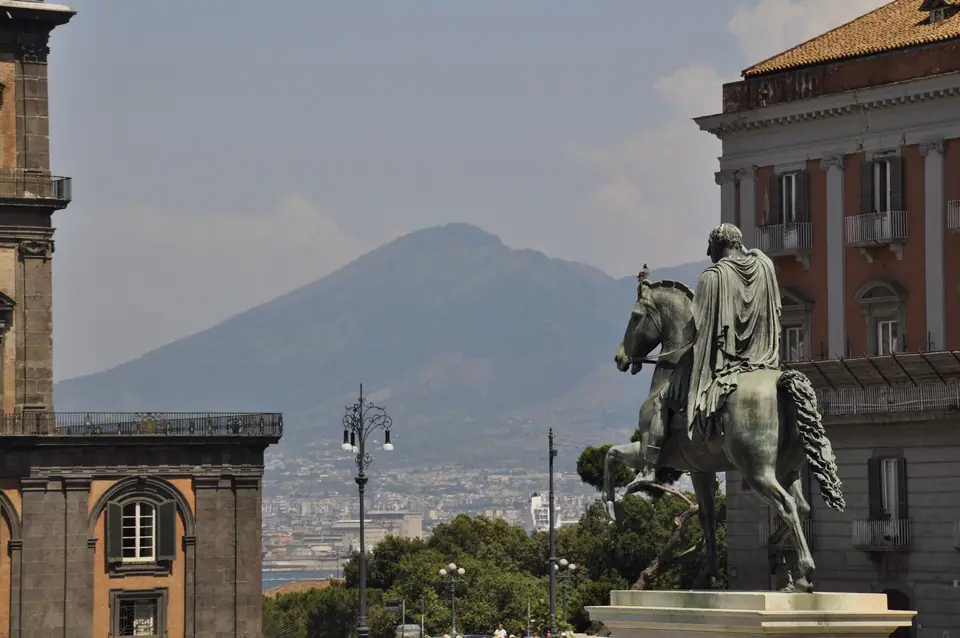
Photo: Roma1314 · CC BY-SA 4.0
Naples: Greek Foundations, Royal Palaces and Volcanic Bays
Discover ancient Greco-Roman foundations, monumental Bourbon palaces, and dramatic coastal panoramas across southern Italy's most energetic port city.
Naples presents one of the deepest continuous urban records in the Mediterranean basin. Founded originally by Greek settlers, the settlement developed into a major trade hub and artistic capital. Modern daily routines unfold along straight Roman corridors flanked by towering residential tenements, baroque facades, and subterranean ruins. Exploring these dense central quarters demands steady footing and an eye for architectural layers spanning ancient, medieval, and Bourbon epochs.
Navigating the Ancient Greco-Roman Grid
The historical core preserves the ancient Greek street system. This network is structured around parallel east-to-west axes known historically as decumani. Walking these narrow corridors reveals a dense concentration of artisan workshops, historic bakeries, and tucked-away family shrines. Motorised scooters zip between stone doorways, while laundry lines stretch overhead between weathered balconies. This enduring grid shapes how visitors move through the city, funnelling pedestrian foot traffic along ancient stone flagstones.
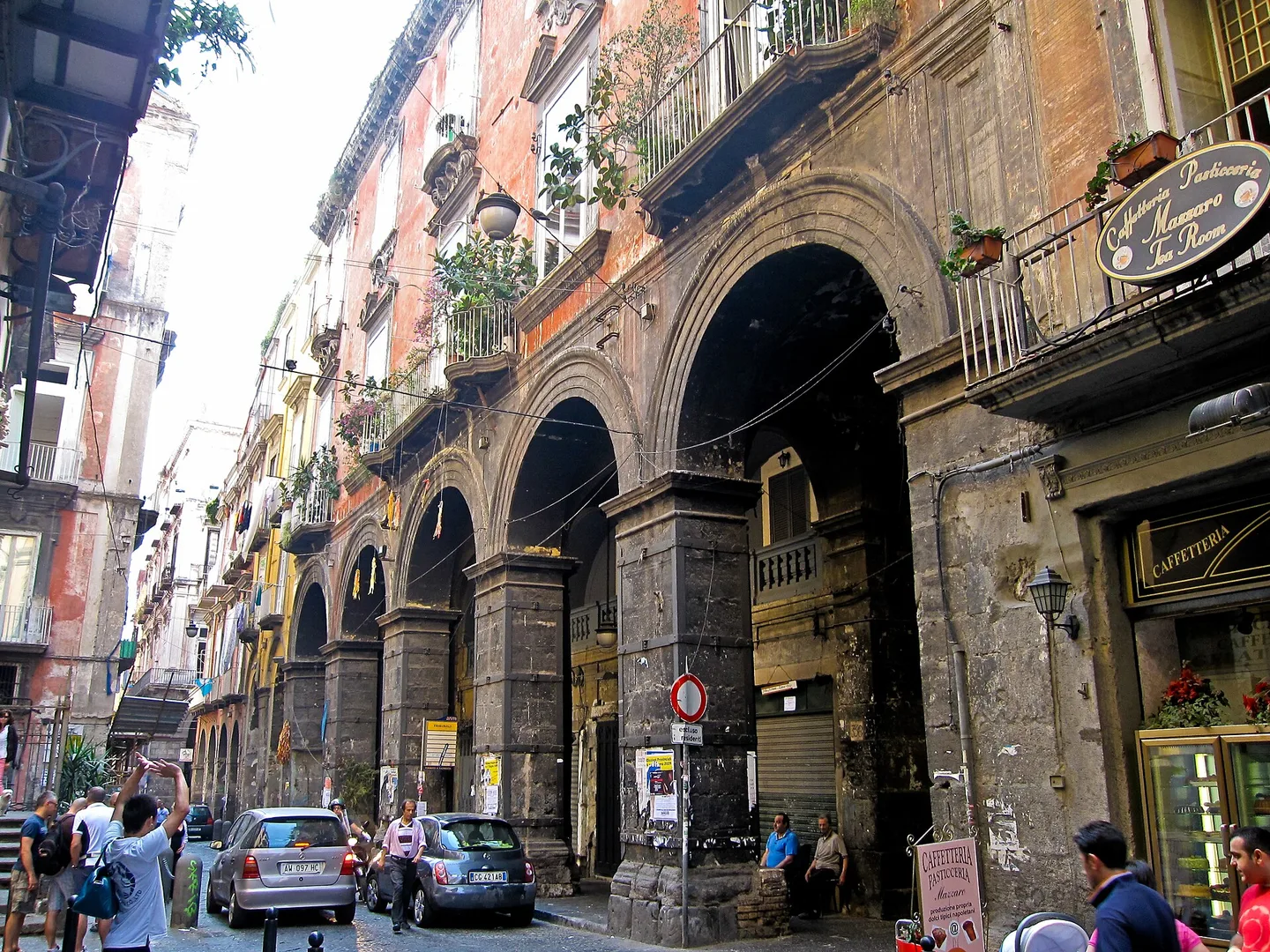
Along Via dei Tribunali, aristocratic palazzi stand shoulder to shoulder with modest residential blocks. The lower levels often reveal classical tufa foundations. These stones show how later builders grafted Renaissance and baroque masonry onto antique stone. Taking time to look upward into interior courtyards reveals open-air staircases, sculpted coats of arms, and shadowed archways. Travellers balancing museum visits with neighbourhood walks should plan outdoor exploration alongside key historic sights early in the day to avoid peak afternoon foot traffic.
Nearby, smaller side alleys cut sharply uphill or downhill, linking the major corridors with steep stairways. These tight alleys house neighbourhood grocers and local ironmongers whose trade continues unbroken through generations. Finding quiet pockets among this dense web requires wandering into cloistered church courtyards or stepping beneath monumental stone portals.
Royal Splendour Around Piazza del Plebiscito
Moving south from the ancient grid brings travellers into the grand administrative heart built during Spanish viceregal and Bourbon rule. The urban fabric opens dramatically into expansive public squares designed for military reviews and civic ceremonies. Piazza del Plebiscito anchors this monumental zone. It is framed by an imposing royal palace on one side and a sweeping neoclassical colonnade on the other.
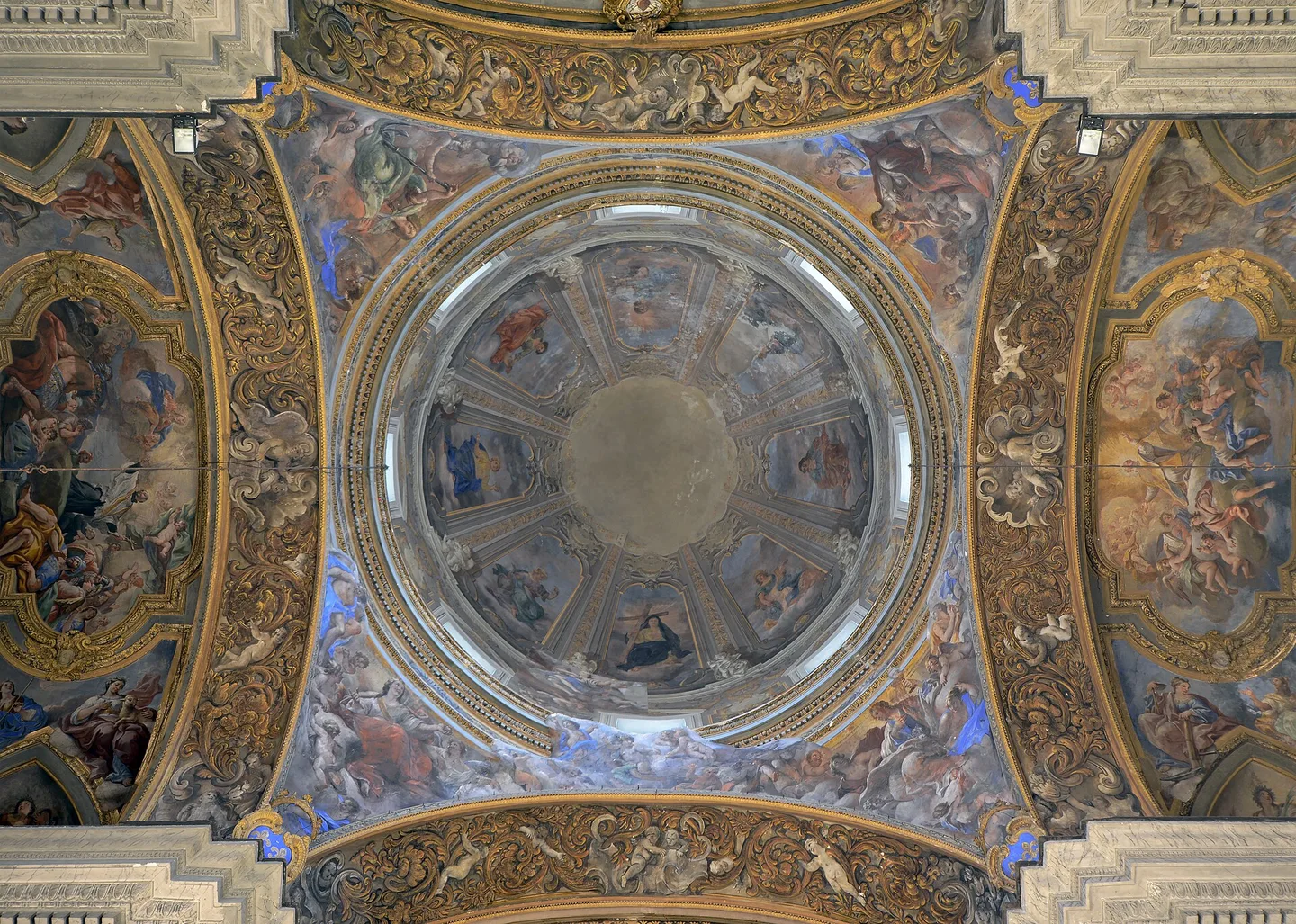
In this royal precinct, the scale shifts from domestic intimacy to imperial grandeur. Lofty public galleries feature vaulted iron and glass roofs, housing historic cafes and elegant arcades. Historic religious buildings like the church of San Ferdinando display ornate domes that punctuate the skyline above the surrounding avenues. This district served as the cultural focus of southern Italy, drawing European writers, composers, and architects during the era of the Grand Tour.
Connecting the royal core to the historic centre, Via Toledo presents a pedestrian spine lined with merchants and grand civic buildings. Choosing neighbourhood bases near key transport lines allows travellers to move easily between these contrasting aristocratic and plebeian quarters. The transition between the orderly royal avenues and the steep uphill alleys of the Spanish Quarter happens within a few paces.
Waterfront Panoramas and Hillside Perspectives
Naples curves around a sweeping maritime bay dominated by the volcanic silhouette of Mount Vesuvius. The seaside promenade offers refreshing coastal breezes that contrast sharply with the sheltered, humid air of the inland alleys. Walking along the shoreline reveals historic stone breakwaters, fishing harbours, and fortified island citadels that guarded the bay against naval incursions across past centuries.
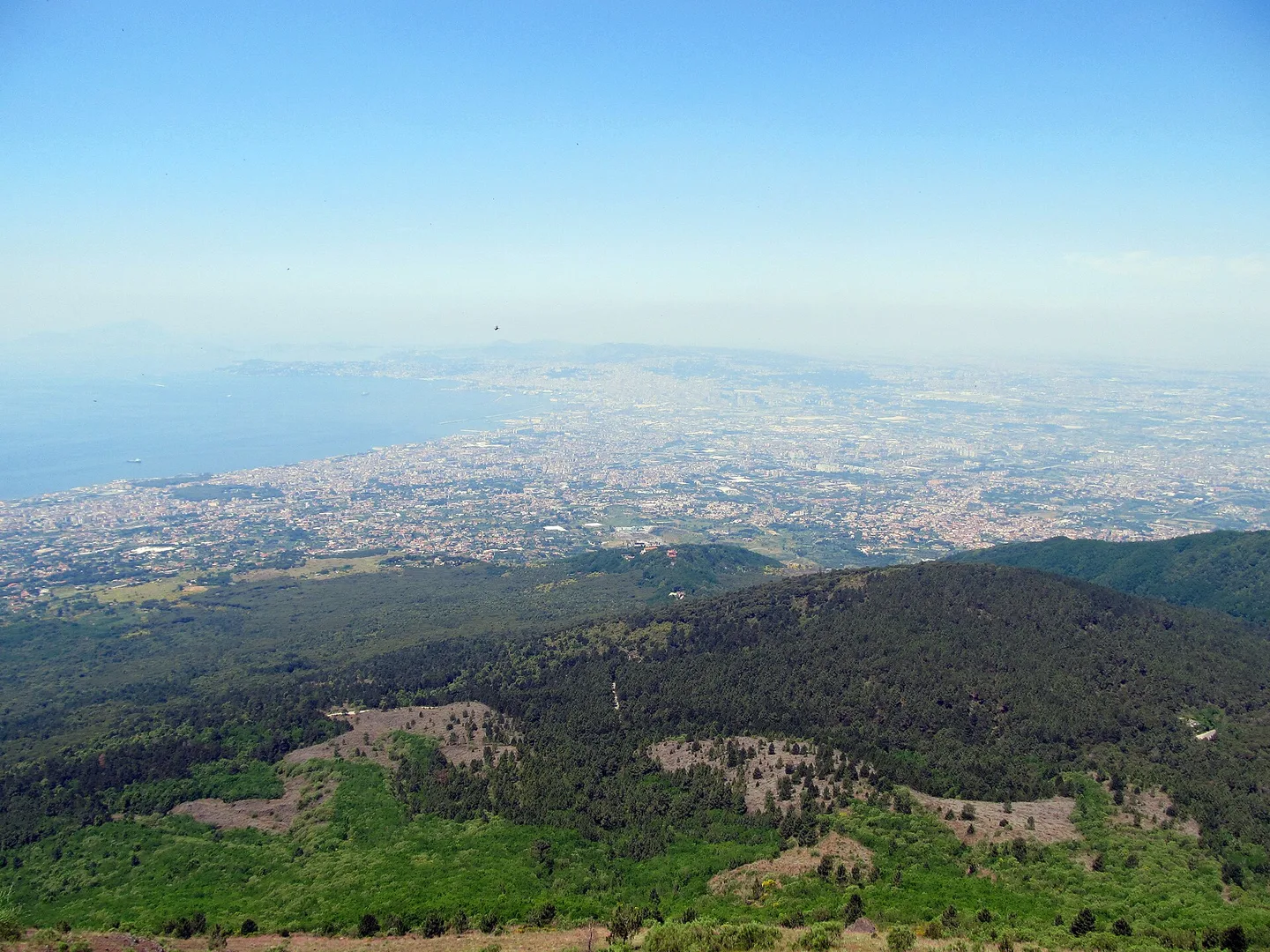
To understand the sheer scale of the city, travellers can ascend the steep hills that rise directly behind the central port. From these elevated residential perches, the terracotta roofs of the historic centre merge into a dense sea of stone stretching toward the eastern volcanic plains. The Gulf of Naples spreads out below, with passenger ferries and cargo vessels tracing white wakes across deep blue waters.
| District Focus | Dominant Architecture | Atmospheric Character |
|---|---|---|
| Ancient Decumani | Greco-Roman grid and baroque churches | Dense, animated, and intensely traditional |
| San Ferdinando | Bourbon palaces and grand colonnades | Monumental, aristocratic, and spacious |
| Coastal Promenade | Seaside bastions and shoreline hotels | Open, breezy, and oriented toward the bay |
| Vomero Hill | Early twentieth-century villas and fortresses | Residential, tranquil, and panoramic |
These elevated viewpoints demonstrate how maritime geography and volcanic geology shaped local building materials. Yellow tufa stone quarried from the surrounding cliffs formed the structural core of palaces, churches, and defensive fortifications.
District Dynamics and Practical Orientation
Understanding the unique personality of each district prevents travellers from feeling overwhelmed by the city's intense street pace. Dividing your time between focused morning museum visits and open-ended afternoon walks yields a rewarding balance. The lower central quarters offer direct contact with everyday street culture, while the western and upland districts supply calmer breathing room.
- Central Decumani: Best for ancient ruins, historic street food, and close encounters with neighbourhood trade.
- Toledo and Chiaia: Ideal for shopping corridors, cultural institutions, and convenient access to coastal paths.
- Waterfront and Santa Lucia: Excellent for uninterrupted views across the water and leisurely evening promenades.
- Hillside Enclaves: Perfect for broad regional panoramas and escaping the dense foot traffic of sea-level streets.
Public transport including funicular railways and underground rail lines helps overcome the city's steep vertical topography. Stairways known as pedamentine link the upland ridges to the lower city, offering atmospheric pedestrian descents framed by stone walls and wild caper plants. Combining mechanical ascents with walking descents saves physical energy while revealing unexpected architectural angles at every turn.
Naples rewards patient observation and comfortable walking shoes. Pacing your days between royal courtyards, narrow alleyways, and open volcanic waters reveals the distinct character of this southern port.
Official prices and opening hours
- Parco Archeologico di PompeiOfficial site ↗
- Museo Cappella Sansevero (Veiled Christ)Official site ↗
Where it is
- 1Naples
- Naples International Airport (NAP) · about 4 km from Naples in a straight line
- Directions in Google Maps
Stations and taxi ranks: OpenStreetMap. Airports: OurAirports. Distances are in a straight line.
Traveller tips
Real advice from people who have been to Naples. Every tip is read by our team before it goes live.
No tips yet. Been here? Yours could be the first.
Thank you! Your tip will appear here after a quick review.
More in Naples
Continue exploring Naples with related neighbourhood, food, and planning guides
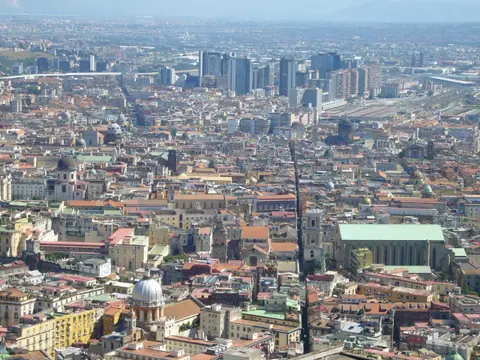
Spaccanapoli and the Centro Storico: Walking the Ancient Greco-Roman Grid
Naples, Italy
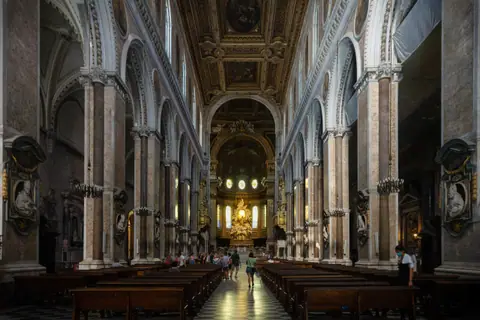
Cappella Sansevero and Duomo di Napoli: Marble Veils and Sacred Relics
Naples, Italy
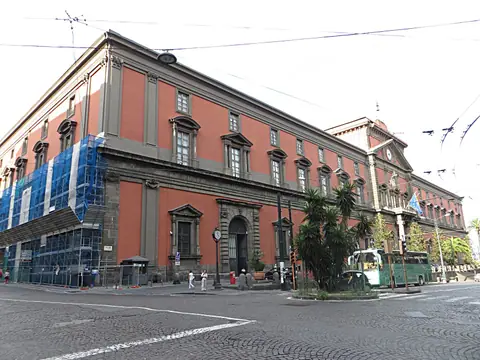
National Archaeological Museum and Capodimonte: Naples Classical Heritage
Naples, Italy
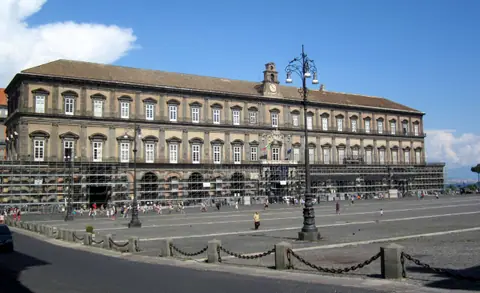
Piazza del Plebiscito and the Royal Palace of Naples
Naples, Italy
