Photo: Dgiacomello · CC BY-SA 4.0
Pompeii, Herculaneum and Mount Vesuvius Day Trip: Rail Routes and Transit Guide
We outline the rail routes and transit connections linking central Naples to ancient ruins and the volcanic slopes of Mount Vesuvius.
Departing central Naples towards ancient Campania begins under Napoli Centrale at the lower-level Piazza Garibaldi rail concourse. Trains on the Circumvesuviana network depart eastwards towards Sorrento, calling at Napoli Porta Nolana tracks beforehand. Passengers can choose standard commuter trains or seasonal Campania Express services that offer air conditioning and allocated seating. Concourse layouts and ferry piers align under Naples rail, airport, and harbour arrival links before stepping onto coastal platforms.
Navigating Circumvesuviana and Campania Express Rail Lines
The southern rail line skirts the Bay of Naples, passing suburbs before reaching the foot of the volcano. Commuter departures run frequently throughout daylight hours, stopping at minor halts along the coastal plain. Purchasing tickets at station counters requires loose cash or contactless cards, with turnstiles leading directly to platform stairs. Standing room becomes common during morning departures, so boarding at Porta Nolana guarantees a seat before crowds arrive at Garibaldi.
Campania Express departures follow the identical route but skip small local stations, reducing the overall journey time considerably. Travellers heading straight to the excavations find this express carriage far less crowded on warm mornings. Departure boards near the basement entrance show the next direct train clearly, while central metro corridors and neighbourhood routes connect hotels smoothly down to Piazza Garibaldi.
Exploring the Ruins of Pompeii on Foot
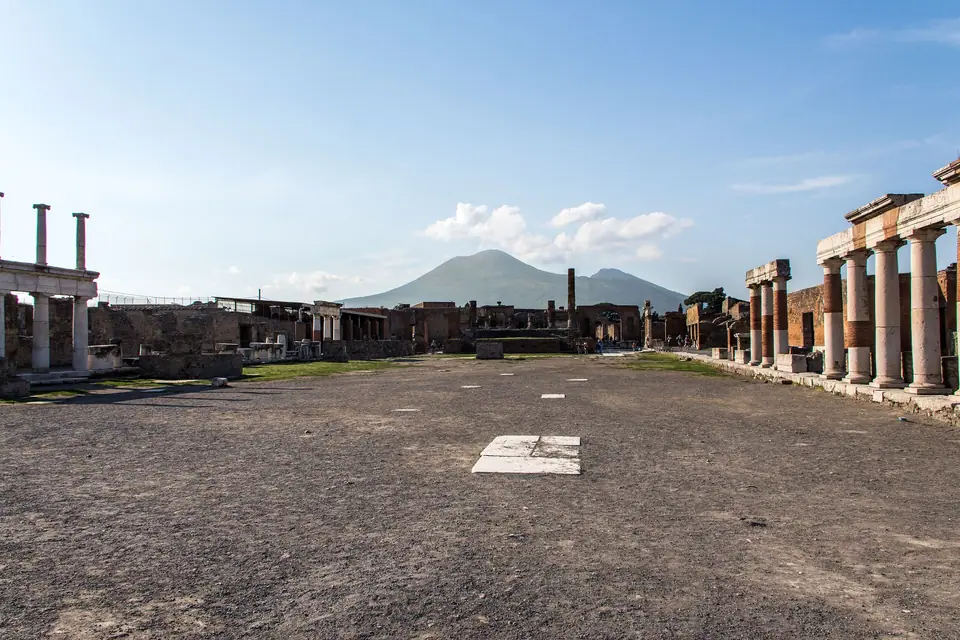
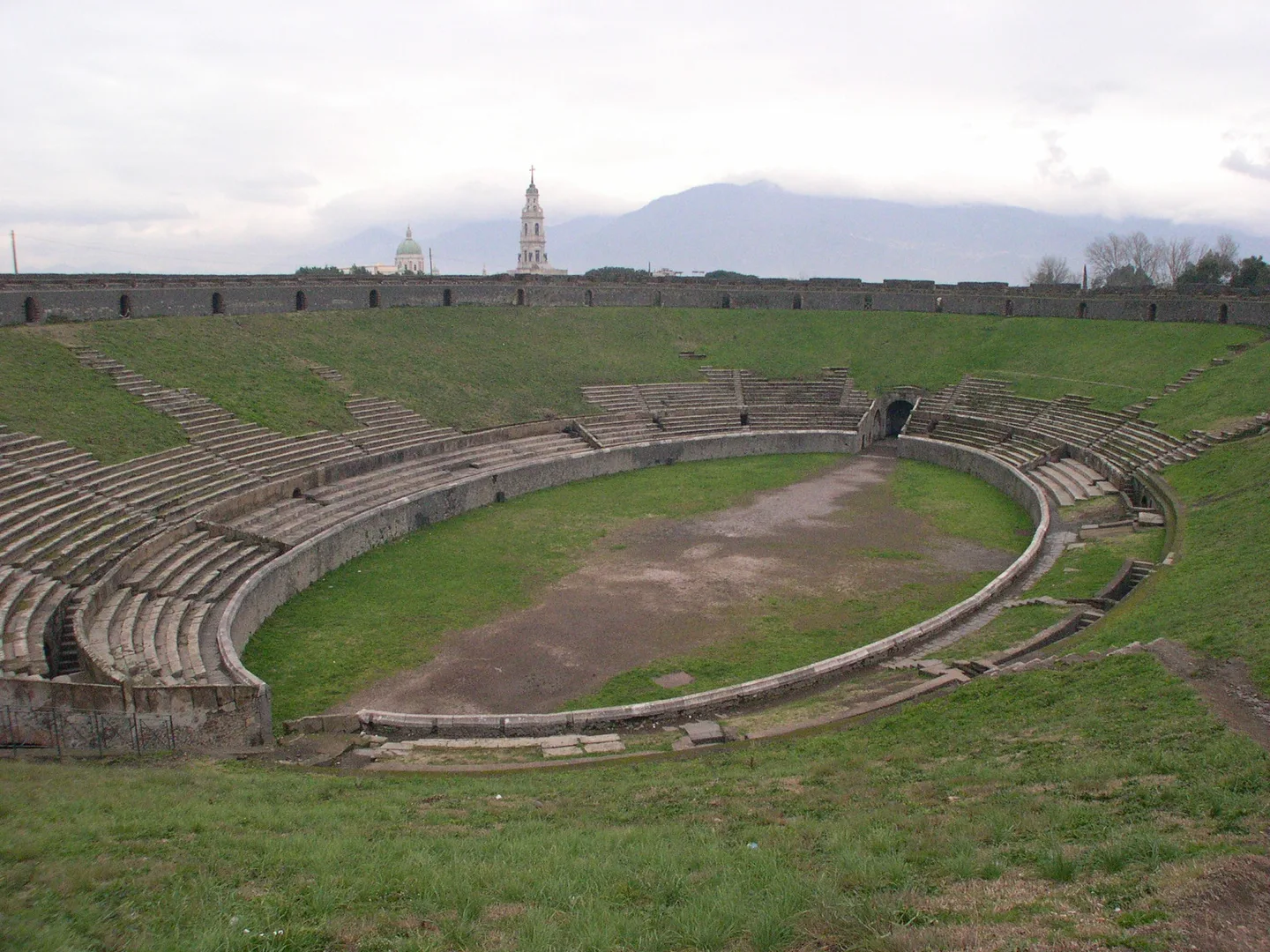
Alighting at Pompei Scavi Villa dei Misteri places you mere paces away from the Porta Marina entrance. Cobblestones inside the archaeological zone demand sturdy footwear, as ancient chariot ruts cross deep volcanic basalt pavers. Moving through the forum reveals broken Doric columns framing the distant volcanic silhouette under open sky. We recommend securing early access to wander the expansive streets before midday heat reflects off stone facades.
| Route Stop | Transit Method | Primary Focus |
|---|---|---|
| Pompeii Scavi | Circumvesuviana Rail | Porta Marina and Roman Forum |
| Ercolano Scavi | Circumvesuviana Rail | Two-storey villas and coastal houses |
| Mount Vesuvius | Local Shuttle Bus | Volcanic crater rim trail |
Walking through the vast settlement requires steady pacing, as the grid covers dozens of residential blocks and open courtyards. Preserved plaster casts, private bathhouses, and painted wall frescoes appear within peristyle gardens behind heavy stone thresholds. Drinking fountains scattered along the main avenues supply cool potable water for topping up bottles during bright afternoon walks across sunlit alleys.
Herculaneum Station Descent and Preserved Streets
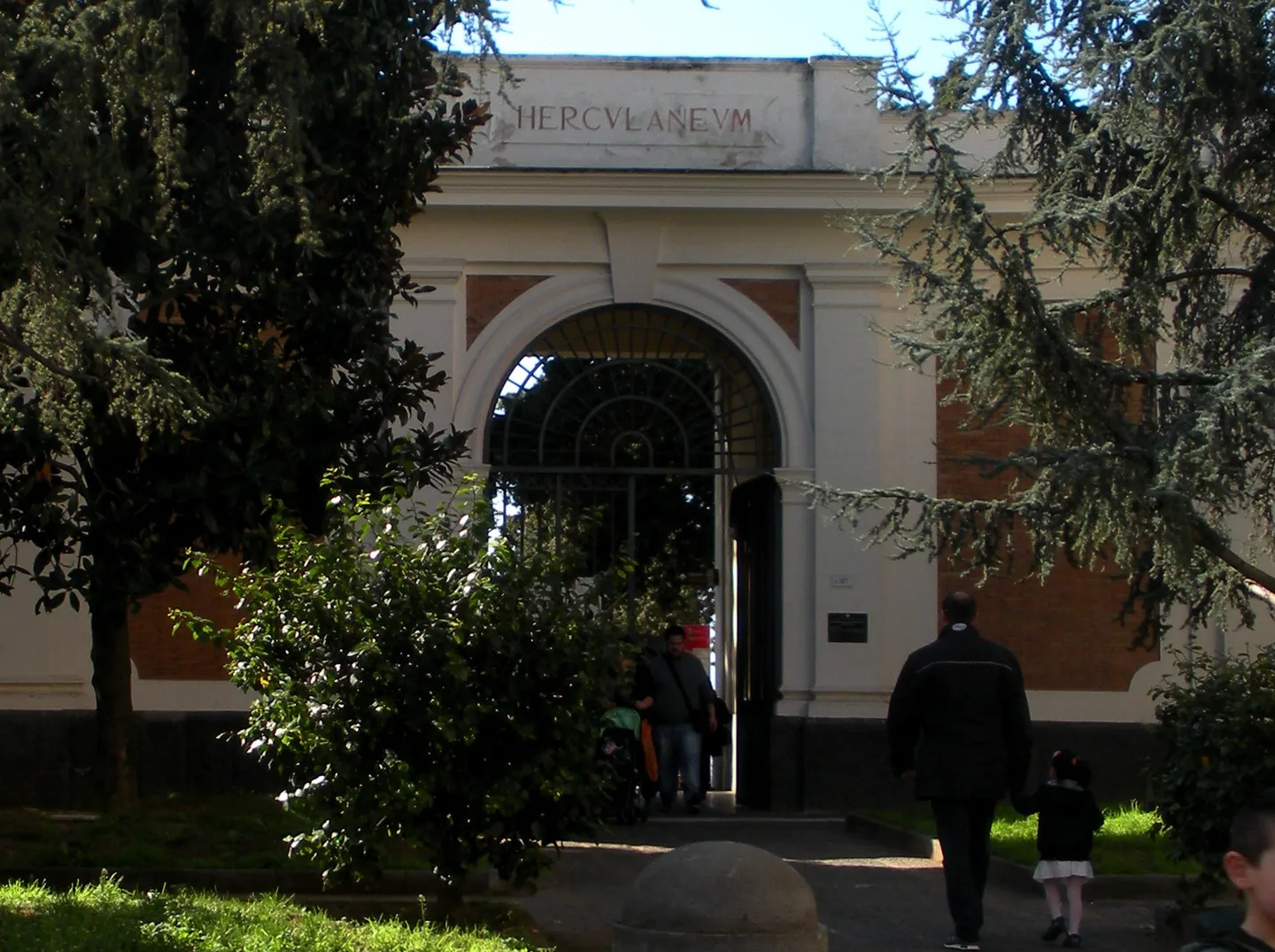
Herculaneum sits considerably closer to central Naples, served by the Ercolano Scavi railway stop on the Sorrento line. Stepping from the train carriage leads you onto Via IV Novembre, which slopes gently downhill towards the coast. The downward stroll takes around ten minutes through the modern town, terminating at the archaeological park ticket bridge. Overlooking the sunken excavated hollow offers an immediate cross-section of deep volcanic tufo rock.
Unlike Pompeii, this compact seaside settlement preserves carbonised timber roof beams, upper sleeping lofts, and intact interior mosaics. Because pyroclastic flows sealed the town instantly, organic materials survived in remarkable condition beneath solidified ash layers. Moving between the Casa dei Cervi and the ancient shoreline shelters reveals where citizens sought refuge during the eruption. The sheltered nature of the town makes it an ideal complement to wider city routes.
Ascending Vesuvius Crater and Combining Rail Legs
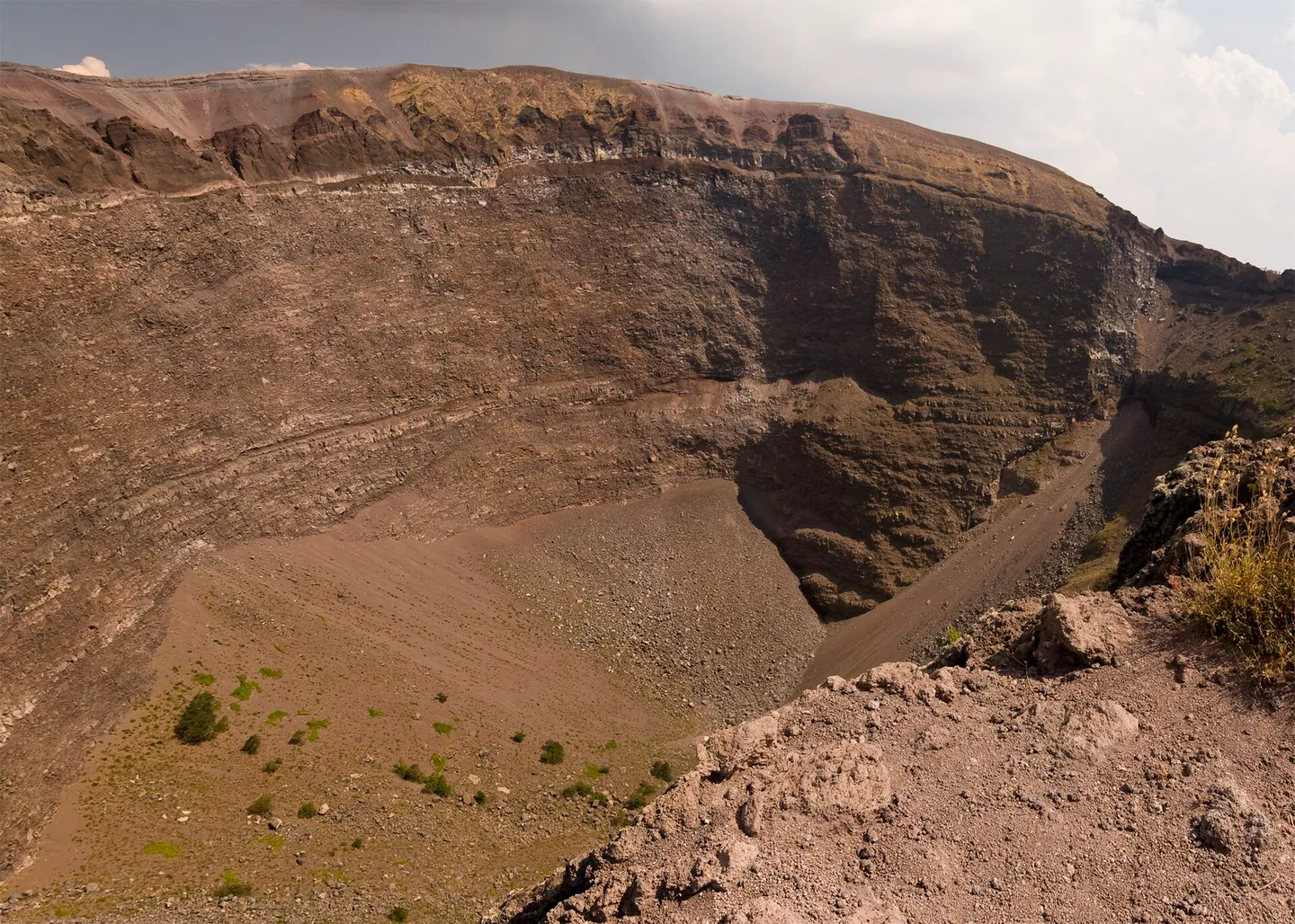
Connecting the ancient sites with the volcano summit involves changing to dedicated mountain buses outside Ercolano Scavi or Pompei. Public shuttle buses depart directly from station forecourts, winding upwards through pine woodlands and volcanic vineyards. The tarmac road concludes at the upper coach terminus, where a dirt trail leads along the final gravel ridge. The walk to the crater rim passes dark scree and exposed basalt fields.
Combining both ancient ruins with the mountain summit on a single itinerary requires careful time management and realistic expectations:
- Start at Herculaneum during the morning hours when sunlight illuminates the sunken residential terraces cleanly.
- Board the summit shuttle bus around midday from Ercolano station forecourt to complete the crater hike.
- Descend by bus towards Pompeii to explore the forum and public bathhouses during late afternoon hours.
- Return to Piazza Garibaldi on a late evening train after dining in modern Pompei town.
Standing along the summit rim provides panoramas across the Gulf of Naples, Sorrento Peninsula, and dense urban sprawl below. Fumaroles emit thin steam ribbons from crevices inside the crater walls, demonstrating lingering geothermal activity deep underground. Returning downhill gives access to either rail stop, connecting directly back to Piazza Garibaldi before dusk. Prioritise two locations rather than rushing all three legs to appreciate every ancient quarter fully.
Official prices and opening hours
- Parco Archeologico di PompeiOfficial site ↗
- Museo Cappella Sansevero (Veiled Christ)Official site ↗
Where it is
- 1Pompeii, Herculaneum and Mount Vesuvius Day Trip
- Naples International Airport (NAP) · about 22 km from here in a straight line
- Directions in Google Maps
Stations and taxi ranks: OpenStreetMap. Airports: OurAirports. Distances are in a straight line.
Traveller tips
Real advice from people who have been to Naples. Every tip is read by our team before it goes live.
No tips yet. Been here? Yours could be the first.
Thank you! Your tip will appear here after a quick review.
More in Naples
Continue exploring Naples with related neighbourhood, food, and planning guides
Three Days in Naples: Ancient Streets, Royal Monuments, and Pompeii
Naples, Italy
What to Eat in Naples: Pizza, Pastries, Ragù and Street Food
Naples, Italy
Getting Around Naples by Metro, Funicular and Regional Rail
Naples, Italy
Spaccanapoli and the Centro Storico: Walking the Ancient Greco-Roman Grid
Naples, Italy
