Photo: PaestumPaestum · CC BY-SA 4.0
Castel dell'Ovo and the Lungomare: Walking Megaride, Borgo Marinari, and Via Partenope
Castel dell'Ovo anchors the historic Bay of Naples waterfront, linking ancient Megaride islet to scenic promenades along Via Partenope.
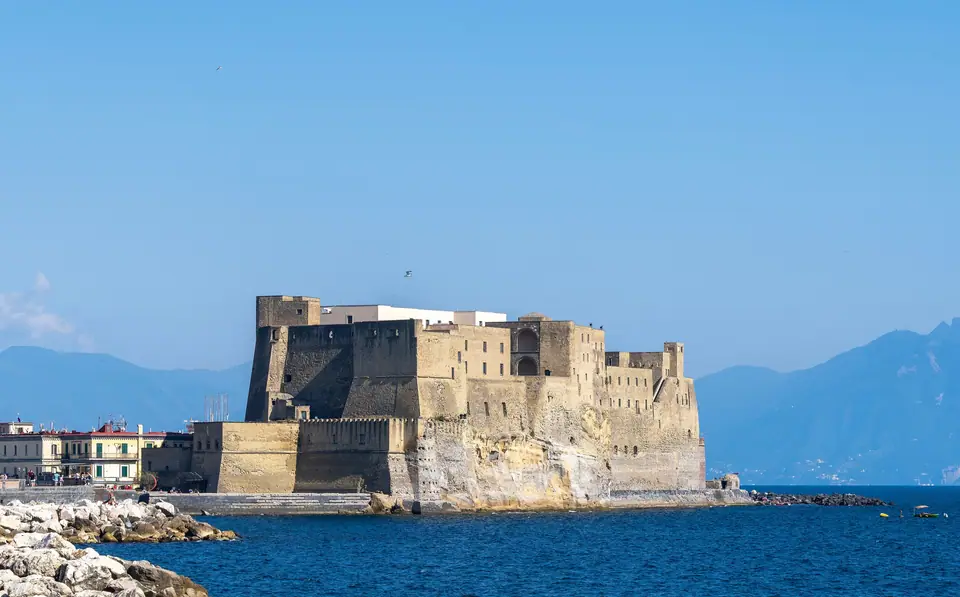
Castel dell'Ovo stands upon the volcanic islet of Megaride, reaching into the Gulf of Naples via a stone causeway. This sea fortress represents the oldest standing fortification in town, guarding waters where Greek settlers landed. Yellow tufa ramparts rise above rocky shelves weathered by salt spray and tides, linking maritime defence to the city behind it.
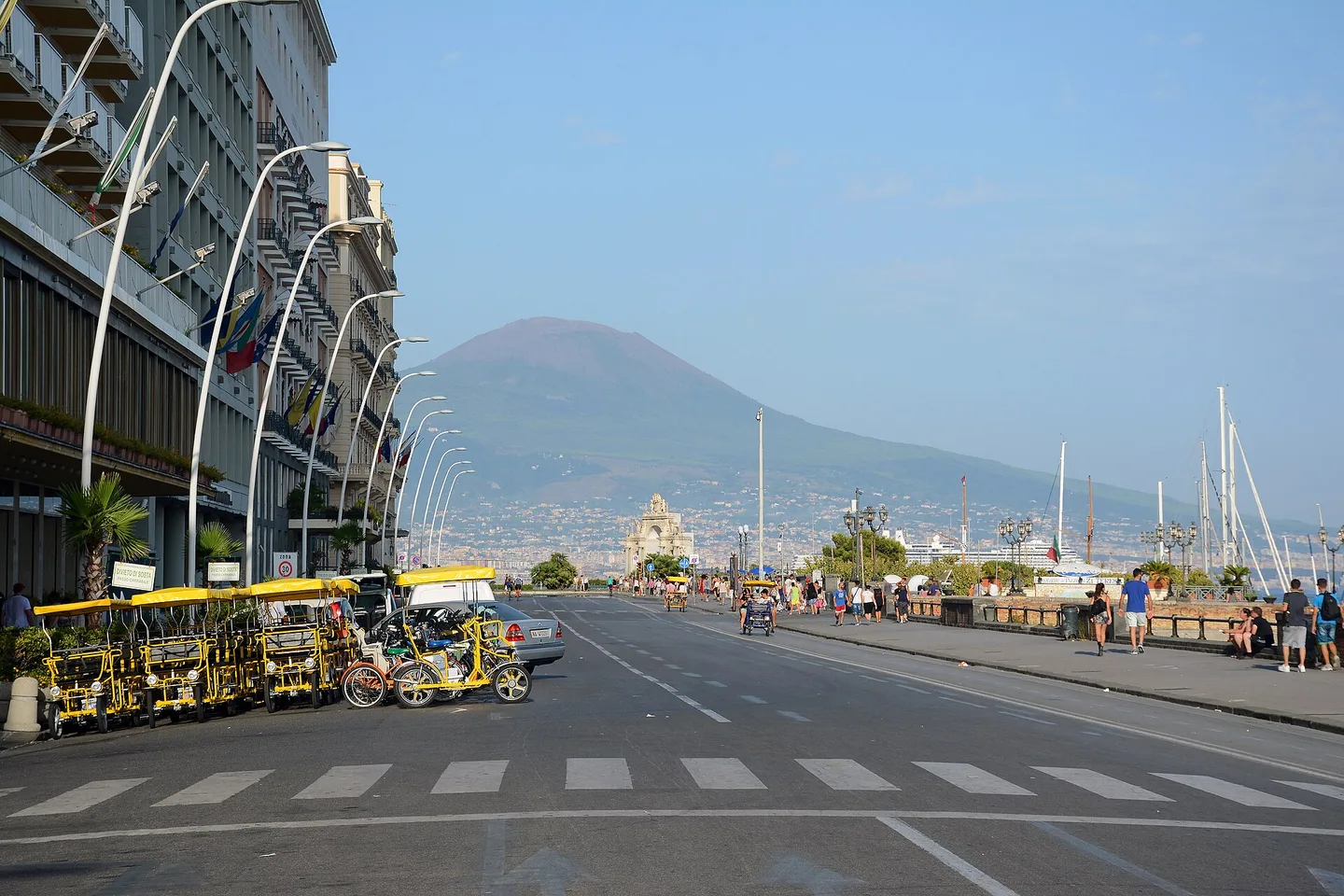
Via Partenope forms a flat pedestrian corridor between central squares and western seaside districts. Wide stone walkways separate car lanes from walking families facing Mount Vesuvius across the water. Pair shoreline walks with Spaccanapoli churches and historic piazzas to balance sea breezes with narrow old lanes.
Megaride Islet and the Sea Fortress Heritage
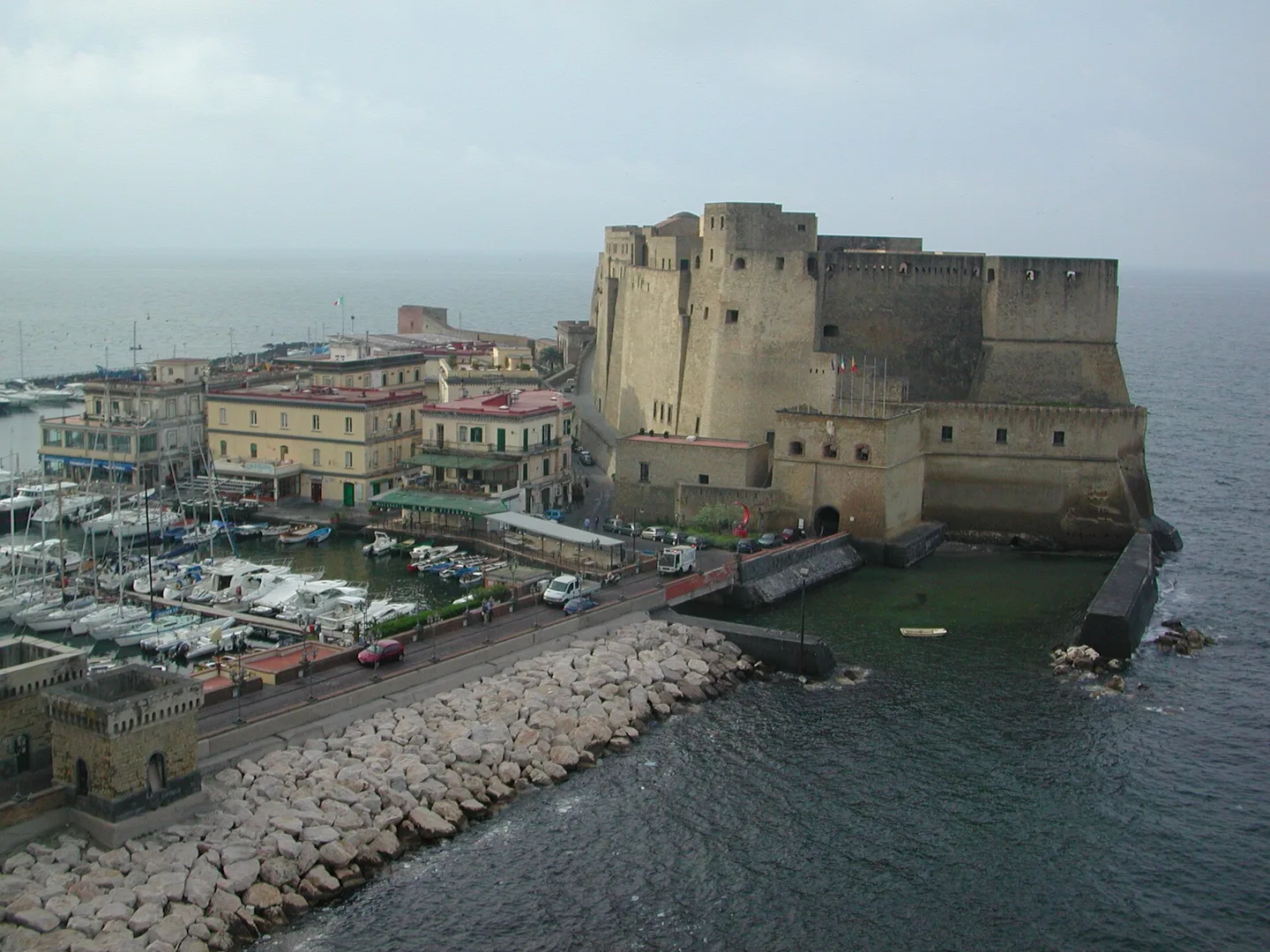
Megaride islet holds a foundational place in regional legend, tied closely to the siren Parthenope and coastal mythology. The fortress received its curious name from Virgil's medieval fable, which claimed an enchanted egg was hidden within the foundations. According to folklore, the survival of the castle and the safety of the entire city depended on this fragile talisman. Walking along the perimeter walls reveals layers of Norman, Angevin, and Aragonese modifications superimposed upon Roman villa foundations. Heavy arched portals and cannon embrasures remind travellers that this promontory once served as a severe military bastion.
Today, the islet functions as a tranquil pedestrian refuge separated from chaotic city traffic by its narrow access bridge. Gentle sea currents lap against the masonry base, supporting small fishing skiffs moored along rocky ledges. The fortress interior and battlements frequently host municipal exhibitions, civic ceremonies, and cultural gatherings beneath soaring stone vaults. From the higher bastions, views stretch west toward Posillipo and south toward the distant limestone cliffs of Capri. Taking time to absorb these sweeping vantage points helps contextualise centuries of maritime arrivals in the bay.
The Promenade Sequence Along Via Partenope
The seaside stretch along Via Partenope forms the core of the pedestrianised Lungomare, bordered by grand heritage hotels. Polished paving stones reflect maritime sunlight, creating a bright corridor that invites continuous exploration between Chiaia and Santa Lucia. Historic hotel facades display ornate nineteenth-century architecture, showcasing classical balconies and ornamental mouldings facing the bay. Outdoor cafe terraces line the inland edge, where patrons drink rich espresso while watching sailing dinghies cross the harbour. Sea breezes moderate warm afternoon temperatures, making this promenade exceptionally comfortable for walkers even during bright summer months.
| Promenade Section | Key Characteristics | Recommended Focus |
|---|---|---|
| Megaride Causeway | Stone bridge crossing to castle gates | Sea views and historic masonry |
| Borgo Marinari | Sheltered marina perimeter with small boats | Seafood dining and quiet harbourside rest |
| Via Partenope | Broad paved promenade facing open water | Evening walks and Vesuvius panoramas |
| Villa Comunale Edge | Tree-lined public park boundary | Shaded walks and garden transit |
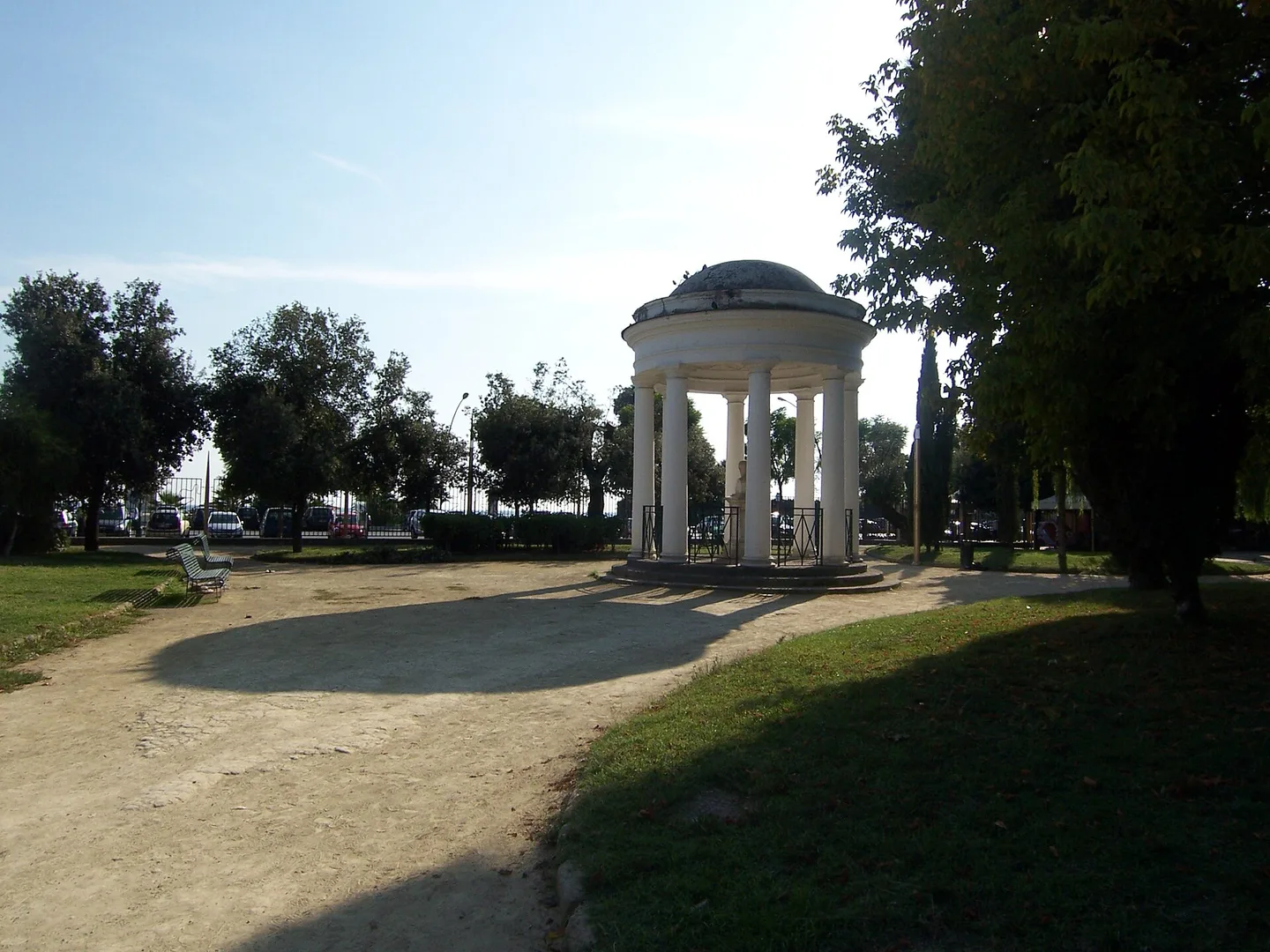
Walking west along the water leads directly toward the green expanses of Villa Comunale and residential Chiaia. Sculpted stone breakwaters absorb breaking waves along the shore, creating sheltered pools where local anglers cast lines from sea rocks. Pavement vendors offer cold mineral water and fresh citrus snacks, sustaining energetic walkers completing longer waterfront journeys. The open horizon removes urban enclosure, providing a soothing counterweight to the narrow, shadowy alleys of central quarters. We suggest synchronising promenade walks with gentle afternoon light to experience the shoreline at its most welcoming.
The long seaside avenue continues past Chiaia's Villa Comunale gardens, where tall palm trees and stone fountains line the coastal pavement. Benches face straight toward the sea wall, giving walkers resting spots while ferries cross the distant horizon. Morning runners follow the water edge before midday warmth heats the stone. Walking the bay rim shows how daily city life gathers along the harbour.
Borgo Marinari Harbour Life and Dining Quarters
Clustered around the base of Castel dell'Ovo sits Borgo Marinari, a compact harbour quarter built around pleasure craft moorings. Developed originally for local fishermen and boat crews, its cobbled lanes still wrap tight around wooden slipways and ringing rigging. Evening tables spill outside trattorias facing moored hulls, serving clams, mussels, and grilled octopus caught across the gulf.
Borgo Marinari makes a quiet setting for coastal dinners beside the water, sheltered from city road noise by stone piers. Match evening transit connections cleanly using Naples district walking routes before walking back uphill. Simple olive-oil and herb sauces define southern Italian seafood cooking around the marina tables.
Transit Links, Waterfront Connections, and Walking Strategy
Reaching Castel dell'Ovo and the Lungomare requires simple walking connections from central squares and underground stations. Piazza del Plebiscito sits uphill above Santa Lucia, connected down to the water via stepped lanes and ramps. Metro arrivals step off at Municipio or Toledo before walking south to the sea wall:
- Walk downhill from Piazza del Plebiscito through Santa Lucia along Via Cesario Console to meet the sea wall.
- Follow Via Partenope westward toward the castle causeway, keeping on flat, car-free stone paving.
- Cross Megaride bridge steadily, pausing beside stone parapets above fishing boats moored below.
- Continue west toward Villa Comunale gardens for shaded paths under maritime palms.
Comfortable shoes matter along slick harbour cobbles and castle ramps, while sun hats protect walkers on open sea-facing stretches. Morning hours bring clear views across the bay, whereas late afternoon brings lively family walks along the broad pavements.
Returning inland climbs past Santa Lucia steps or up toward the Royal Palace colonnades. Streetlamps shine across damp quay stones at dusk, throwing warm reflections across the marina basin while keeping vehicle traffic well away from the coastal promenade.
Official prices and opening hours
- Parco Archeologico di PompeiOfficial site ↗
- Museo Cappella Sansevero (Veiled Christ)Official site ↗
Where it is
- 1Castel dell'Ovo and the Lungomare
- Naples International Airport (NAP) · about 7 km from here in a straight line
- Directions in Google Maps
Stations and taxi ranks: OpenStreetMap. Airports: OurAirports. Distances are in a straight line.
Traveller tips
Real advice from people who have been to Naples. Every tip is read by our team before it goes live.
No tips yet. Been here? Yours could be the first.
Thank you! Your tip will appear here after a quick review.
More in Naples
Continue exploring Naples with related neighbourhood, food, and planning guides

Spaccanapoli and the Centro Storico: Walking the Ancient Greco-Roman Grid
Naples, Italy

Cappella Sansevero and Duomo di Napoli: Marble Veils and Sacred Relics
Naples, Italy

National Archaeological Museum and Capodimonte: Naples Classical Heritage
Naples, Italy
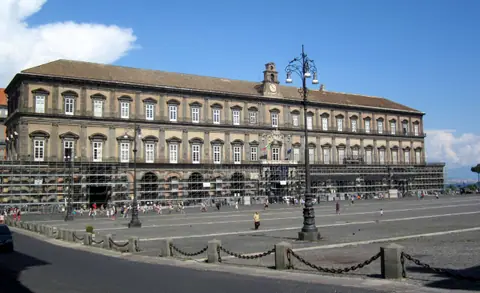
Piazza del Plebiscito and the Royal Palace of Naples
Naples, Italy
