Photo: Kos88 · CC BY-SA 4.0
What to Eat in Naples: Pizza, Pastries, Ragù and Street Food
Neapolitan food blends simple pantry staples with patient craft, turning wood-fired dough, slow meat sauces, and flaky pastries into everyday ritual.
Dining in Naples revolves around fast bakeries, loud frying counters, and slow domestic sauces that develop complex flavours across many patient hours. The city treats eating as an unpretentious street affair where workers stand at tiled marble counters for quick sustenance. When planning meals around sightseeing stops, pair dining breaks smoothly with downtown alleys and coastal walking loops across every quarter. From narrow passages near Spaccanapoli to quiet seaside promenade benches, every corner offers fresh bread or bubbling oil.
Neapolitan Pizza and Wood-Fired Craft
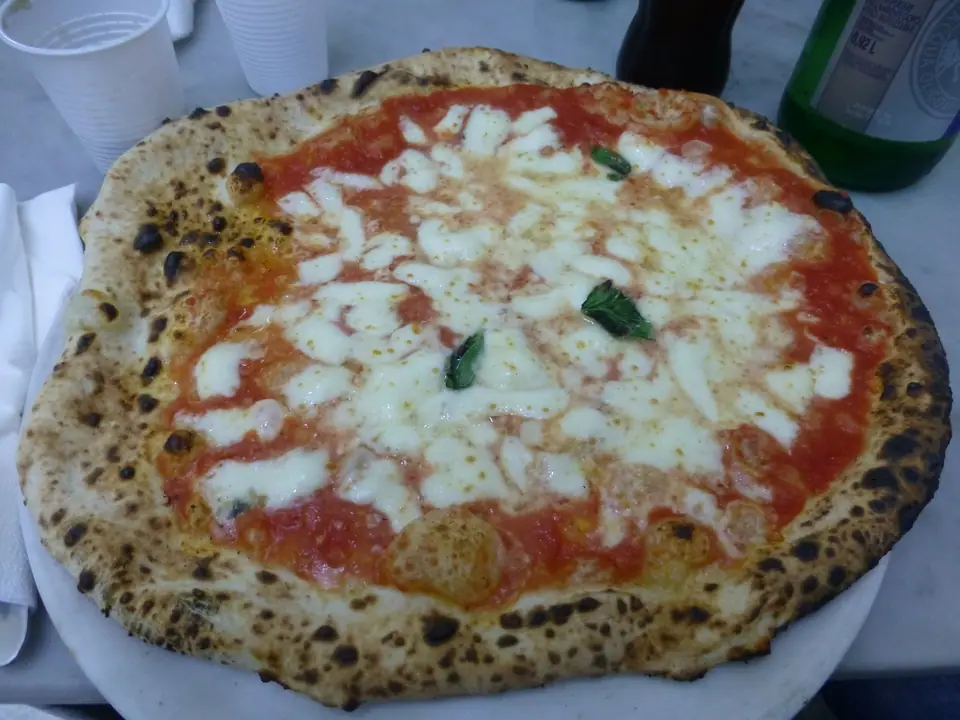
Neapolitan pizza stands apart through high-hydration dough, brief baking times inside blistering wood ovens, and remarkably soft, elastic crumb structures. A traditional crust puffs rapidly at high heat, developing mottled dark leopard spots while leaving the centre moist and supple. Locals fold each slice twice into a compact triangle, ensuring olive oil and sweet crushed tomatoes stay safely inside.
Simplicity governs the historic menu, which focuses primarily on the marinara and the classic margherita topped with fresh basil. Marinara relies purely on sweet tomato sauce, minced garlic, dried oregano, and local olive oil, producing an intensely fragrant slice. Margherita introduces fresh cow milk fior di latte or rich buffalo mozzarella, balancing tart volcanic tomatoes with cool creamy richness.
Long queues form outside historic pizzerias across the old town, where diners take paper numbers and wait along the pavement. Tables turn briskly, service remains direct, and locals pair each pie with chilled beer or sparkling water. Mild spring and autumn months ease crowding outside historic ovens alongside Naples seasonal rainfall and heat patterns.
Pizza masters manage intense wood flames with long steel peels, rotating each pie continuously across the stone hearth floor. The entire baking cycle lasts scarcely ninety seconds, cooking the toppings without scorching the delicate raised rim. Fresh yeast and extended fermentation give the finished dough exceptional lightness, preventing heavy feelings after eating a whole pie.
Street Food Staples and Deep-Fried Snacks
Alley stalls and tiny frying shops known as friggitorie satisfy hunger between major meals with paper cones called cuoppo. Cooks drop potato croquettes, battered courgette flowers, and small dough fritters into deep vats of clean oil throughout the afternoon. Each paper cone absorbs excess oil, keeping the hot fried morsels remarkably crisp as people wander along stone lanes.
Pizza a portafoglio provides another brilliant street invention, using a smaller pizza base folded into quarters inside rough brown paper. Eaten standing up without cutlery, this handheld snack allows hungry commuters to enjoy warm sauce and melted cheese on foot. Another favourite counter item is the frittatina di pasta, which bundles bucatini pasta with rich bechamel, peas, and cured meat.
Montanara represents a hybrid pleasure, featuring small rounds of dough flash-fried until puffed and then finished with tomato sauce and cheese. The contrast between crisp fried exterior and light interior bread makes it an enduring local favourite across central lanes. Here is how key Neapolitan street foods compare across local counters:
- Pizza a Portafoglio: Personal margherita folded into paper quarters for immediate eating on foot.
- Frittatina di Pasta: Crisp fried pasta cake packed with creamy bechamel, ground meat, and garden peas.
- Cuoppo Fritto: Brown paper cone filled with mixed fried snacks, potato croquettes, and battered vegetables.
- Montanara: Small round fried dough disk topped with warm tomato sauce, grated cheese, and basil.
Street vendors fry these snacks continuously throughout the day, guaranteeing that customers receive their food at peak temperature. Salt is sprinkled over paper cones just before handing them across the glass counter to eager pedestrians. Many neighbourhood shops have served the same fried dough specialities for generations without altering their core recipes.
Slow-Simmered Ragù and Historic Market Specialities
While street food moves quickly, traditional home cooking focuses heavily on ragù napoletano, which simmers steadily for many continuous hours. Unlike northern minces, this Southern classic uses whole cuts of beef and pork cooked patiently in rich tomato puree. The meat softens gradually, releasing rich juices until the sauce turns deep mahogany and coats thick rigatoni or candele pasta.
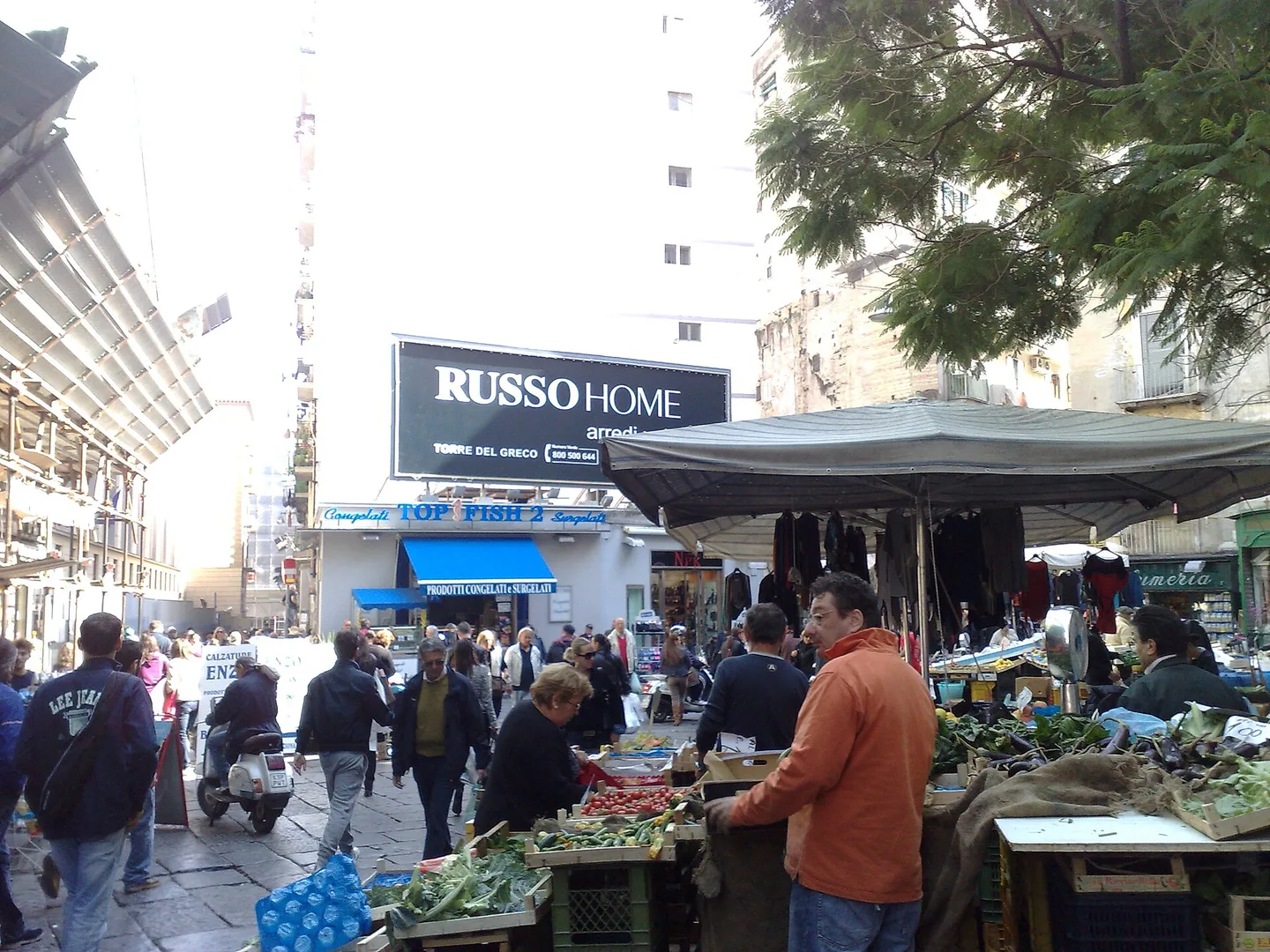
Markets across the central districts display fresh seafood, leafy greens, salted capers, and sweet lemons brought daily from surrounding hillsides. Stalls at traditional markets offer wedges of aged provolone, cured salami, and tubs of fresh mozzarella suspended in cool brine. Wandering past fishmongers slicing fresh swordfish gives immediate context to the seafood pasta dishes served in neighbouring family trattorias.
Spaghetti alle vongole highlights this coastal connection, tossing tender local clams with garlic, fresh parsley, and spicy red pepper flakes. Trattorias rely on pasta starch and shellfish broth to coat each strand without adding heavy cream or butter. Midday trattorias sit minutes from historic chapels along Spaccanapoli cloisters, royal squares, and waterfront bastions across old town lanes.
Genovese sauce provides another cornerstone of domestic pasta traditions, cooking beef alongside mountain piles of yellow onions for long periods. The onions slowly break down into a glossy, sweet golden glaze that coats paccheri or ziti pasta shapes. Families prepare this aromatic dish for Sunday gatherings, pairing the rich onion sauce with full-bodied local red wine.
Pastry Tradition: Sfogliatella, Babà and Counter Rituals
Morning routines in the city centre start at the pastry counter with a concentrated shot of dark, sweetened espresso. Baristas serve coffee piping hot in thick ceramic cups, often accompanied by a small complimentary glass of still water. Locals drink the water first to cleanse the palate, allowing the roasted coffee flavours to linger fully afterwards.
Sfogliatella remains the queen of morning pastries, available in two distinct and beloved crust styles across local bakeries. The riccia version features countless wafer-thin pastry leaves curled into a lobster tail, yielding an audible crackle upon biting. The frolla version uses a smooth shortcrust pastry, wrapping the same warm filling of ricotta, semolina, and candied citrus peel.
Babà offers an entirely different texture, presenting an airy yeast sponge soaked thoroughly in aromatic sugar syrup and dark rum. Bakeries display them plain, split with fresh custard, or topped with sweet wild strawberries alongside seasonal holiday creations. Enjoying these pastries alongside market strolls reveals why the regional culinary heritage remains so fiercely guarded by local families.
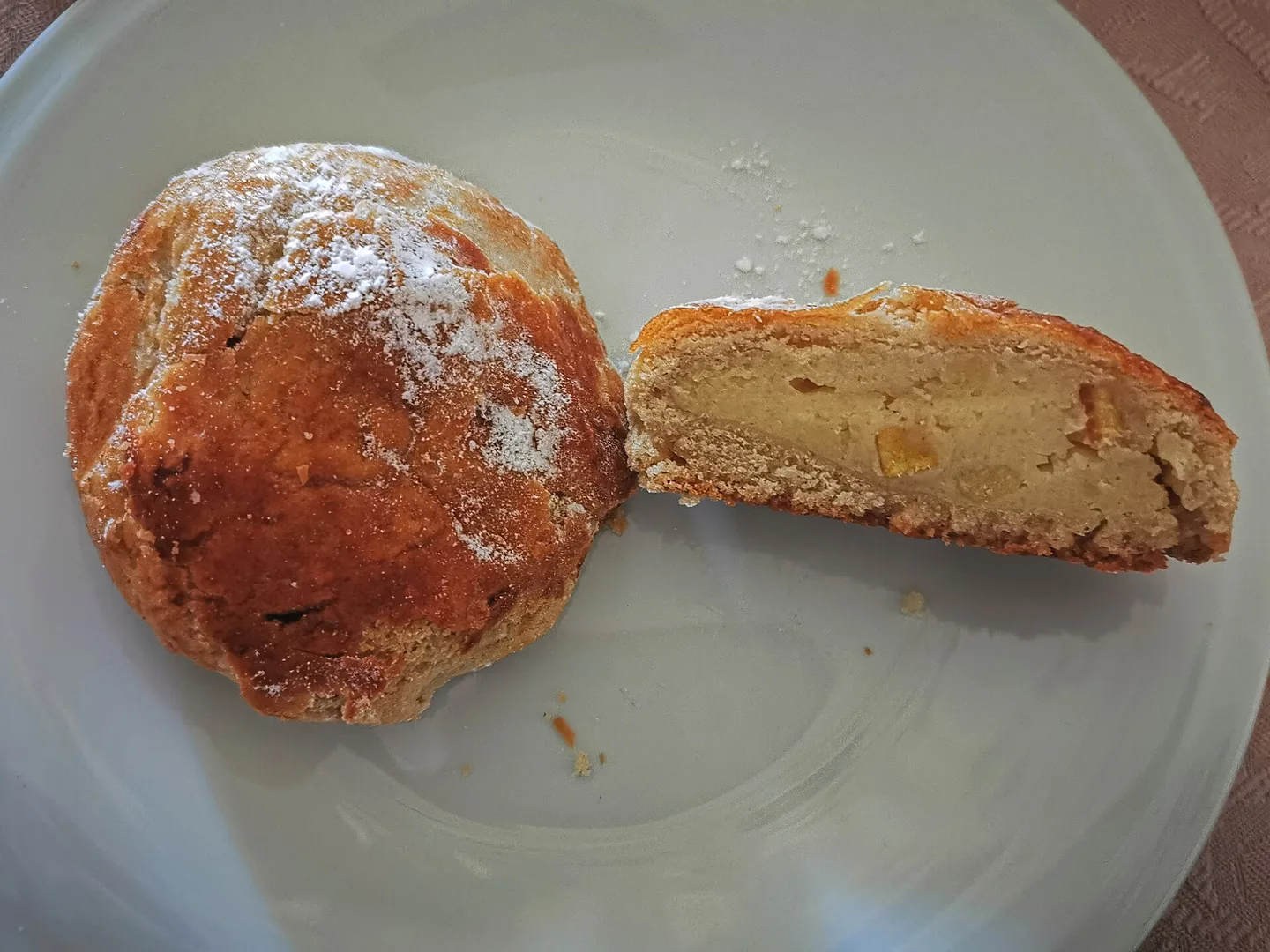
Pastiera napoletana crowns holiday tables in spring, combining cooked wheat berries, sheep ricotta, and fragrant orange blossom water inside crisp pastry. Slices retain a creamy yet textured bite that balances floral citrus notes against rich dairy flavours. Even outside festive seasons, established pastry shops bake mini pastiere for morning customers seeking traditional local flavours.
Official prices and opening hours
- Parco Archeologico di PompeiOfficial site ↗
- Museo Cappella Sansevero (Veiled Christ)Official site ↗
Where it is
- 1Naples
- Naples International Airport (NAP) · about 4 km from Naples in a straight line
- Directions in Google Maps
Stations and taxi ranks: OpenStreetMap. Airports: OurAirports. Distances are in a straight line.
Traveller tips
Real advice from people who have been to Naples. Every tip is read by our team before it goes live.
No tips yet. Been here? Yours could be the first.
Thank you! Your tip will appear here after a quick review.
More in Naples
Continue exploring Naples with related neighbourhood, food, and planning guides

Naples Seasonal Guide: Mediterranean Climate, Summer Heat, and Winter Alleys
Naples, Italy
Where to Stay in Naples: Centro Storico, Chiaia, Santa Lucia and Vomero
Naples, Italy

Three Days in Naples: Ancient Streets, Royal Monuments, and Pompeii
Naples, Italy

Getting Around Naples by Metro, Funicular and Regional Rail
Naples, Italy
