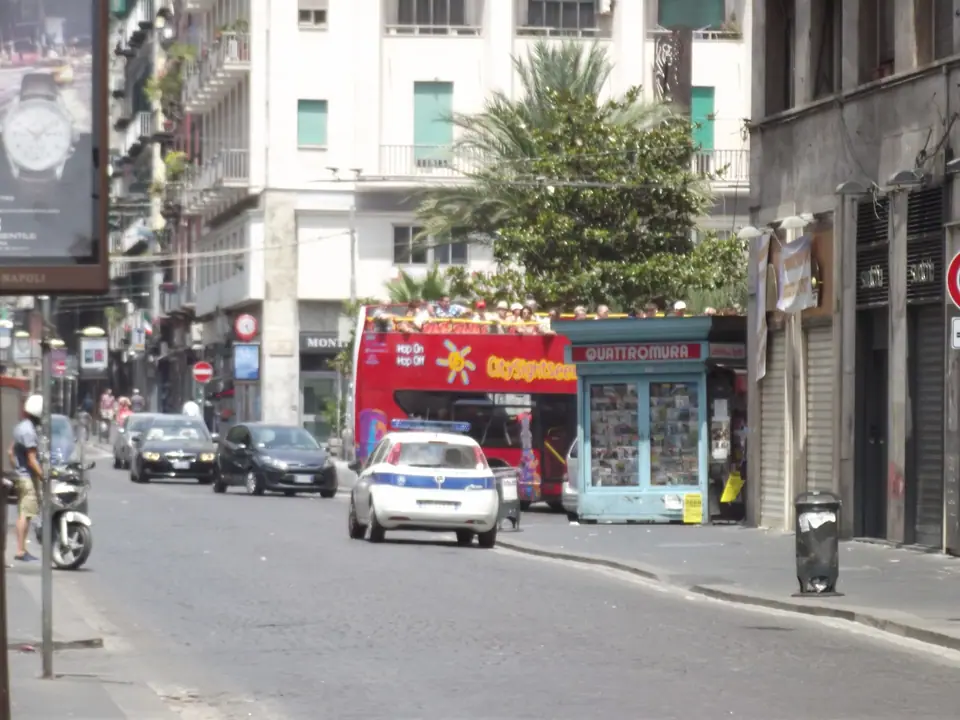
Photo: Elliott Brown from Birmingham, United Kingdom · CC BY-SA 4.0
Quartieri Spagnoli and Rione Sanità: Naples Street Life and Baroque Architecture
Steep alleys shape Quartieri Spagnoli while rich Baroque courtyards define Rione Sanità across inner Naples.
Navigating the Alleys of Quartieri Spagnoli
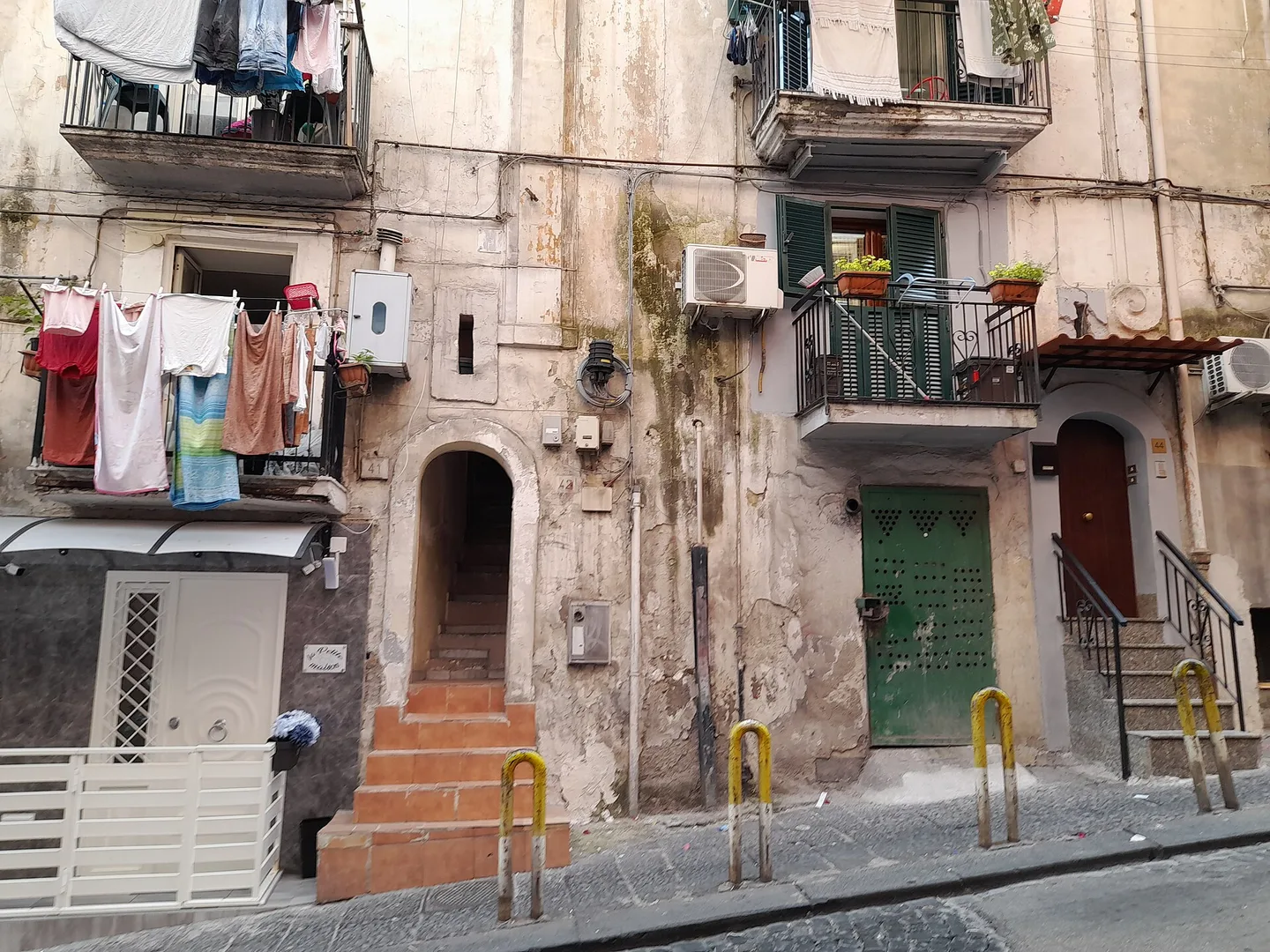
Rising steeply west of Via Toledo, the grid of Quartieri Spagnoli climbs the lower slopes of the hillside towards San Martino. Laid out in the sixteenth century to billet Spanish troops, its tight checkerboard blocks still preserve narrow stone proportions today. Overhead clotheslines stretch between tall stone facades, shading narrow lanes where scooters hum over polished dark basalt paving stones. Small independent bakeries, grocery stalls, and tiny workshops open directly onto the stone streets, maintaining an intimate community rhythm.
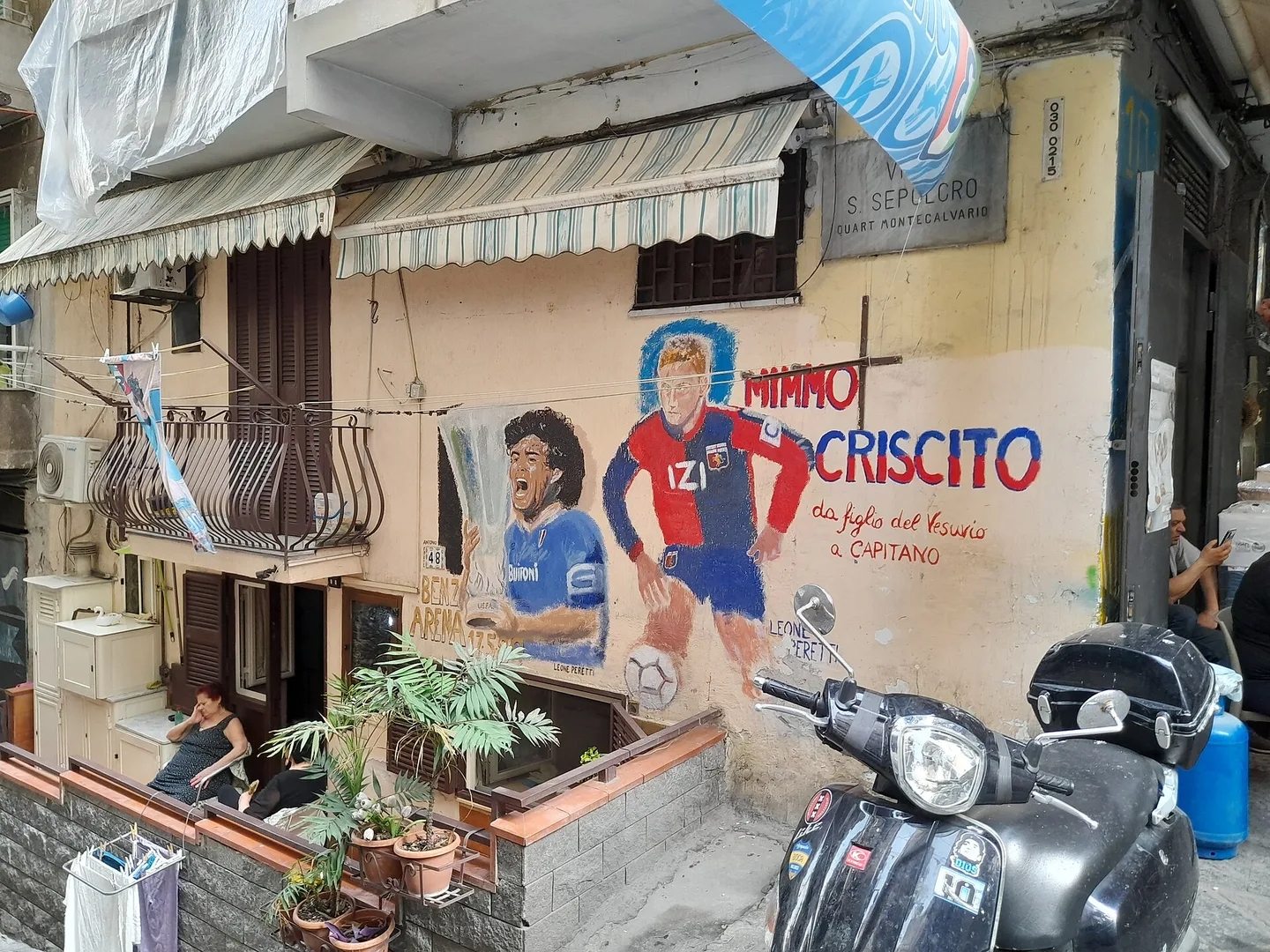
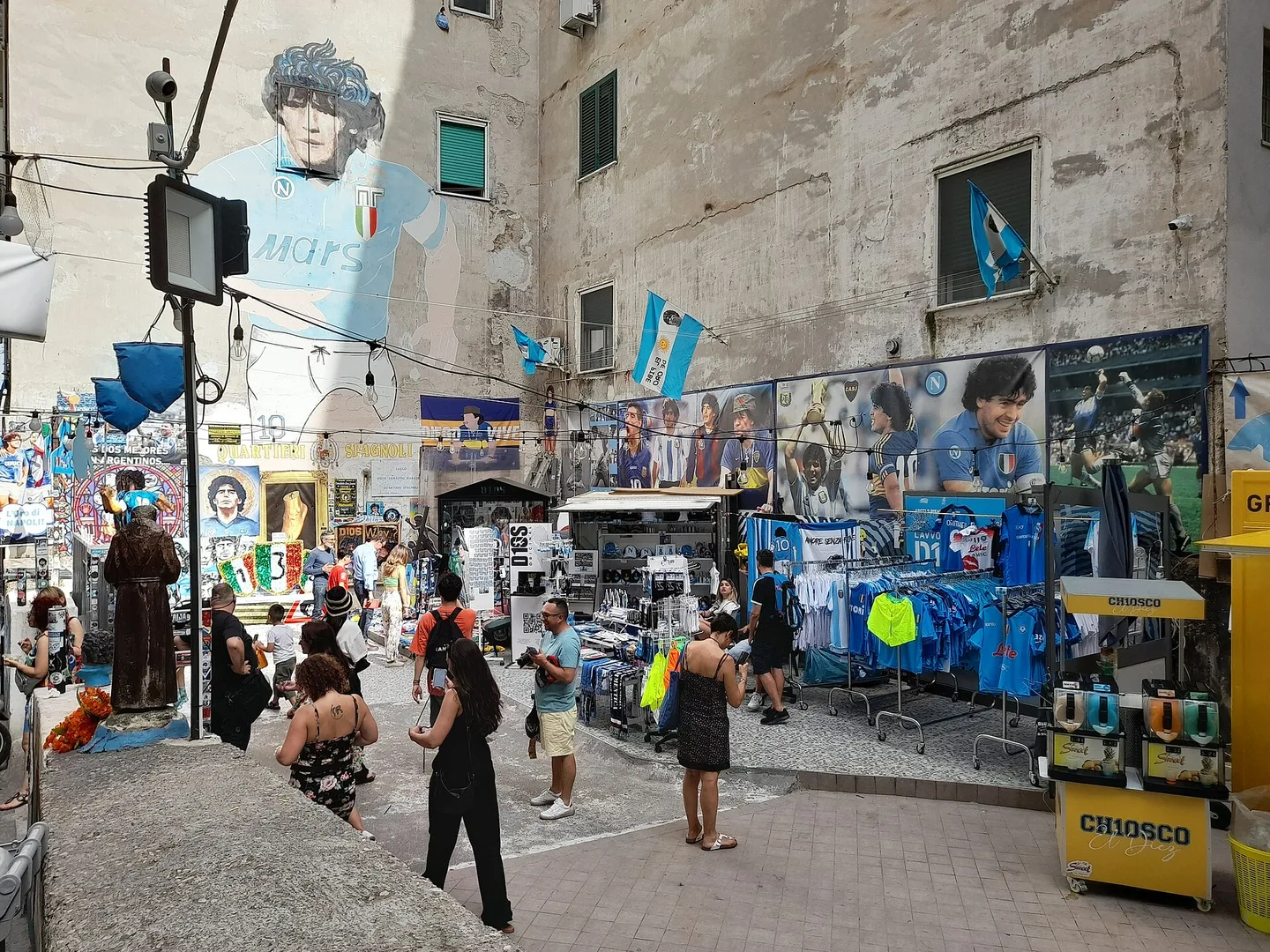
Stepping off wide Via Toledo marks an immediate transition from busy shopping pavements into intimate residential alleys. Arrive easily via Linea 1 metro stops detailed in Naples rail and station links before climbing the lower stone steps. Devotional shrines lit with small electric bulbs stand on corner walls alongside terracotta figures and painted murals. Neighbourhood chapels and fruit vendors occupy arched ground-floor rooms that open onto the street throughout the morning.
Ascend slowly up central cross-lanes, staying alert for small delivery carts and scooters climbing steep ramps. Riders round blind corners quickly, so stepping briefly toward arched doorways keeps narrow stretches relaxed. Along Montecalvario and Via Speranzella, laundry lines stretch overhead while greengrocers stack citrus crates beside ground-floor flats. Artisans repair leather shoes and restore wooden furniture behind open workshop shutters along quiet side corridors.
Baroque Palazzo Courtyards in Rione Sanità
North of the historic centre, Rione Sanità fills a hollow basin sheltered beneath the tall Santa Teresa road viaduct. Historically set outside older city gates, the quarter developed bold domestic architecture across the eighteenth century. Aristocratic patrons commissioned dramatic open-air staircases tucked behind massive carved wooden portals.
Palazzo dello Spagnolo exemplifies Neapolitan Baroque design through wide double-ramped falcon-wing stairways framing its central yard. Crossing flights climb past stucco medallions and arched galleries linking upper apartments. Daylight filters down onto weathered plaster tones and volcanic piperno stonework. Architects built these theatrical stairways so horse carriages could enter broad inner courtyards directly from narrow market lanes.
Steps along Via Vergini lead to Palazzo Sanfelice, where another grand courtyard displays interlocking hexagonal staircase arches. Both courtyards remain working residential entrances where postmen, families, and architecture walkers pass side by side cleanly during daylight hours. Morning stalls along Via dei Vergini sell olives, baked breads, and seasonal greens between Baroque doorways. Nearby espresso bars pour quick morning shots beside pastry counters selling flaky sfogliatelle and warm brioche.
Catacombs and Sacred Undercurrents
Beneath lively Sanità streets extends an ancient burial network carved straight into soft yellow volcanic tuff. Early Christian communities dug wide underground halls beneath the valley floor, expanding small family crypts into tiered corridors.
The Catacombs of San Gaudioso lie beneath Basilica di Santa Maria della Sanità, preserving early frescoed niches and marble mosaic tombs. Local neighbourhood cooperatives manage visitor circuits inside these rock chambers, keeping heritage conservation rooted in Sanità daily life.
Higher up the valley rise sits the wider complex of Catacombs of San Gennaro across two sunlit subterranean levels housing fourth-century bishops' tombs. Pair morning underground routes smoothly with Naples waterfront castles and Spaccanapoli churches for a varied walking day.
Essential Walking Sequences and Connections
Linking Quartieri Spagnoli and Rione Sanità forms a rewarding half-day loop showing everyday Neapolitan craft beside monumental Baroque staircases. Begin at Montecalvario or Toledo station early while bakers pull hot pastries onto counter trays.
Walking north past Museo Nazionale and Piazza Cavour drops pedestrians straight into the Via Vergini market lane. Alternatively, ride the Ponte della Sanità street lift linking Corso Amedeo di Savoia straight down to the basilica forecourt without steep stair climbs. Sturdy rubber-soled walking shoes matter along polished basalt flags throughout both neighbourhoods.
| District | Key Architectural Highlight | Walking Ground Surface |
|---|---|---|
| Quartieri Spagnoli | Dense grid alleys and wall shrines | Steep basalt paving and stone steps |
| Rione Sanità | Baroque open-air staircases | Flat stone valley paving and crypts |
Orient metro hops and uphill funicular connections cleanly using Naples district routes before setting off across northern alleys. Exploring both historic quarters on foot reveals unbroken residential craftsmanship, stone market courtyards, neighbourhood corner bakeries, and dramatic eighteenth-century staircases woven closely across the steep inner hillsides of southern Italy.
Official prices and opening hours
- Parco Archeologico di PompeiOfficial site ↗
- Museo Cappella Sansevero (Veiled Christ)Official site ↗
Where it is
- 1Quartieri Spagnoli and Rione Sanità
- Naples International Airport (NAP) · about 5 km from here in a straight line
- Directions in Google Maps
Stations and taxi ranks: OpenStreetMap. Airports: OurAirports. Distances are in a straight line.
Traveller tips
Real advice from people who have been to Naples. Every tip is read by our team before it goes live.
No tips yet. Been here? Yours could be the first.
Thank you! Your tip will appear here after a quick review.
More in Naples
Continue exploring Naples with related neighbourhood, food, and planning guides

Piazza del Plebiscito and the Royal Palace of Naples
Naples, Italy
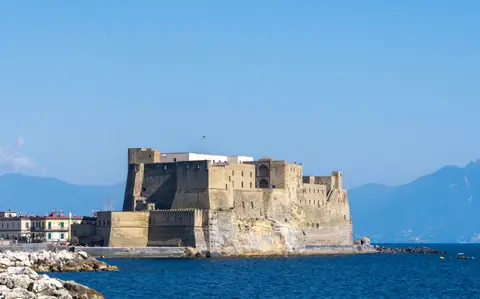
Castel dell'Ovo and the Lungomare: Walking Megaride, Borgo Marinari, and Via Partenope
Naples, Italy
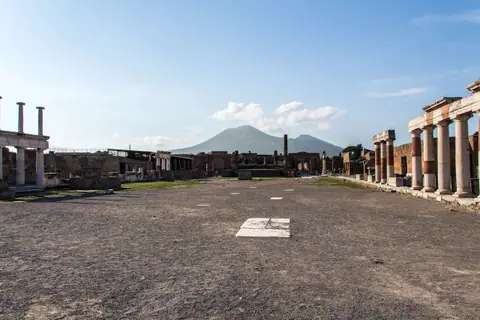
Pompeii, Herculaneum and Mount Vesuvius Day Trip: Rail Routes and Transit Guide
Naples, Italy

Naples: Greek Foundations, Royal Palaces and Volcanic Bays
Naples, Italy
