Photo: Gianinanicole · CC BY-SA 3.0
What to Eat in Santiago: Classic Dishes, Seafood and Counter Dining
Navigate Santiago dining with our guide to traditional pastel de choclo, Mercado Central seafood, classic fuente de soda sandwiches, and Central Valley wines.
Shaped by Chile's long Pacific coastline and the fertile estates of the Central Valley, Santiago's culinary heritage celebrates cold-water shellfish, sun-ripened maize, slow-cooked beef, and counter dining. The capital's most enduring culinary traditions thrive inside historic picadas (neighbourhood taverns) and stainless-steel fuentes de soda (lunch counters). Whether you pull up a stool in Cerro Santa Lucía, Barrio Lastarria and Parque Forestal or explore market stalls across the Mapocho, eating in Santiago provides direct contact with Chile's agricultural heartlands.
Maize Traditions: Pastel de Choclo and Humitas
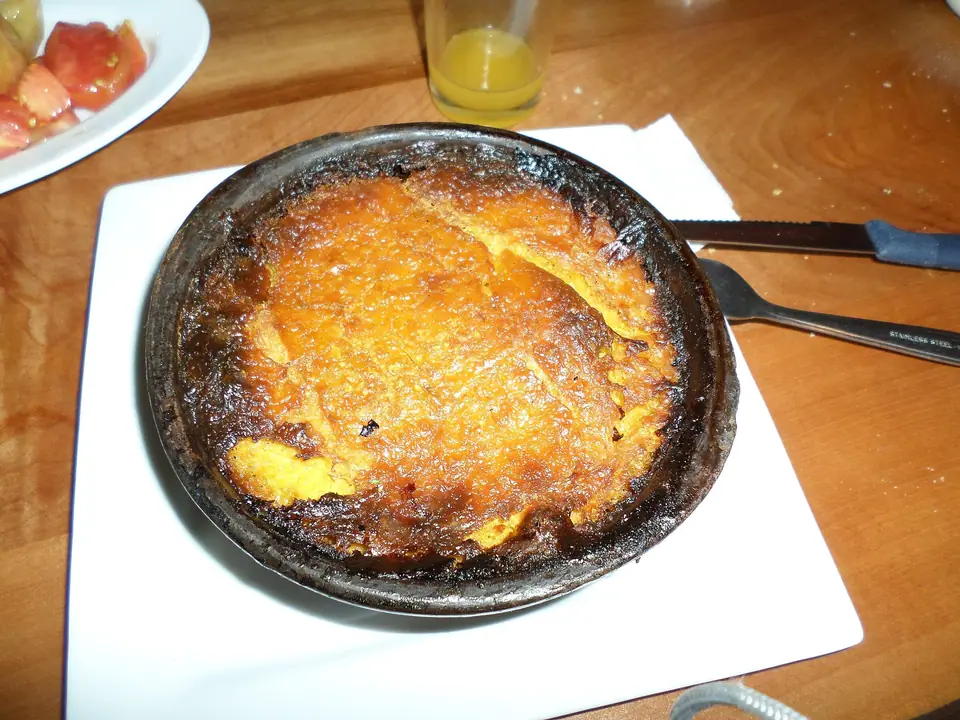
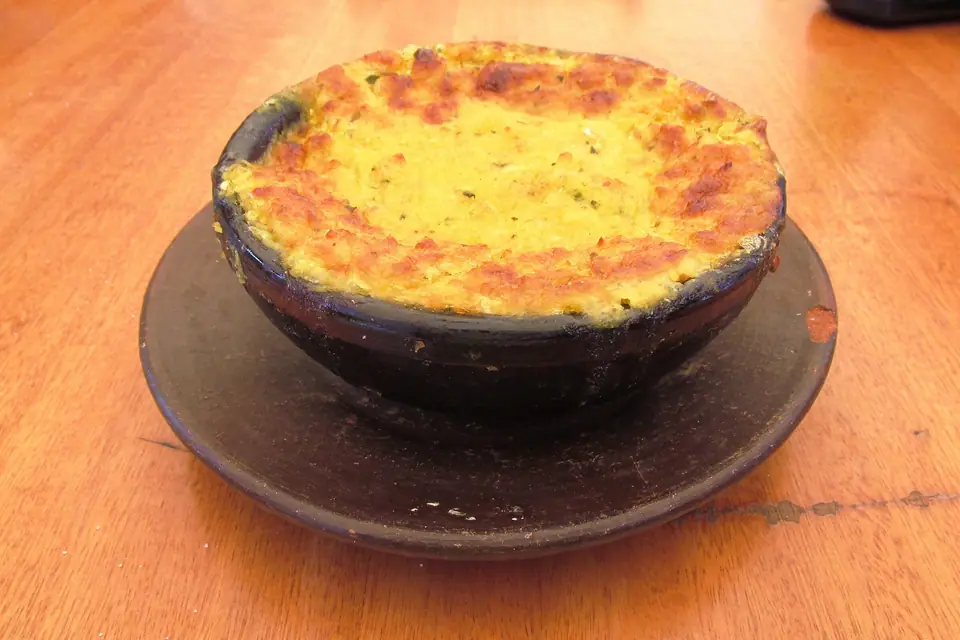
During the dry summer months from December to March, giant native sweetcorn (choclo) rules Santiago menus. The premier dish is pastel de choclo, traditionally baked and served in shallow black earthenware bowls called pailas de greda. Beneath a golden crust of ground sweetcorn fragranced with fresh basil (albahaca), you discover pino, a rich mixture of minced or diced beef stewed with onions, cumin, and raisins. The baker tucks pieces of roasted chicken, hard-boiled egg, and whole black olives into the filling before the corn puree caramelises under direct heat.
A related summer staple is humitas. Cooks puree fresh sweetcorn with sautéed onions, milk, and basil, then wrap the thick paste inside fresh green corn husks. Tied neatly with plant fibres and boiled, humitas are commonly served with fresh tomato slices or sprinkled with a spoonful of granulated sugar, reflecting the Chilean fondness for sweet and savoury combinations.
Pastry and Heritage: Empanadas de Pino
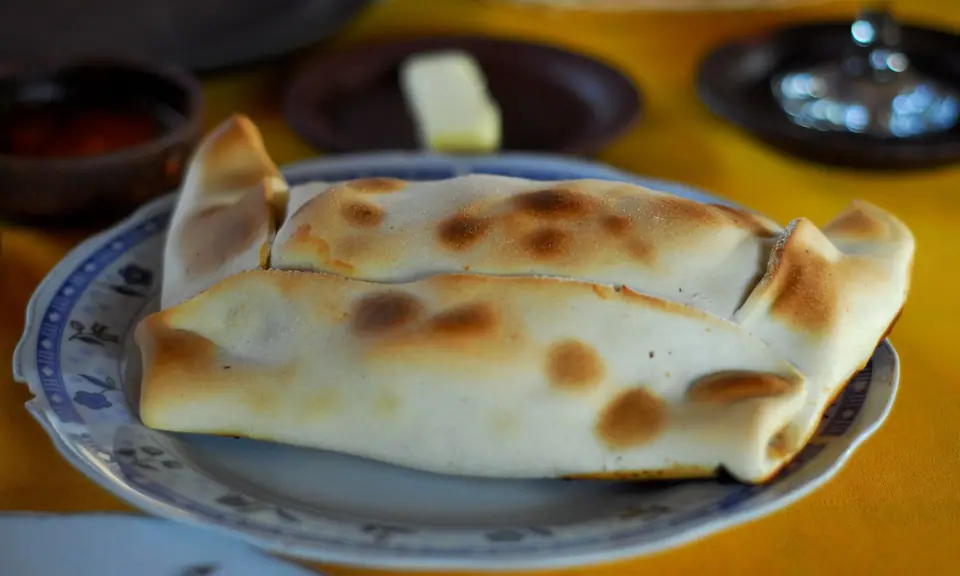
Available throughout all twelve months, the empanada de pino is the cornerstone of Chilean street snacking and family gatherings. Unlike smaller fried turnover styles common elsewhere in South America, an authentic Chilean empanada de pino is a substantial, square-folded wheat pastry baked in high-heat ovens until deep golden brown.
The filling relies on diced beef simmered gently with substantial quantities of white onions, cumin, and mild chilli powder. A proper empanada must rest overnight so the pastry absorbs the seasoned juices without turning soggy. Each portion contains half a hard-boiled egg, a single whole black olive, and plump raisins. Santiago locals pair hot empanadas with fresh pebre, a bright condiment crafted from finely chopped tomatoes, coriander, green chillies, garlic, olive oil, and red wine vinegar.
Pacific Seafood: Conger Eel and Baked Razor Clams
Refrigerated lorries transport fresh catches daily from coastal ports directly to the fishmongers and restaurants of Mercado Central, La Vega Central and the Mapocho River Markets. The Humboldt Current provides cold, nutrient-dense water that yields extraordinary seafood varieties.
The signature dish is caldillo de congrio, a conger eel soup immortalised in verse by Nobel laureate Pablo Neruda. Cooks simmer golden or black conger eel fillets in a deeply flavourful stock made from fish heads, onions, garlic, carrots, bell peppers, white wine, and fresh coriander. Another coastal classic served across downtown is machas a la parmesana. Fresh Pacific razor clams are baked quickly on the half shell beneath a blanket of white wine, butter, and melted Parmesan cheese, creating an unctuous appetiser best consumed piping hot.
The Fuente de Soda: Sandwich Culture and the Completo
Santiago's lunchtime counter culture centres on the traditional fuente de soda, exemplified by time-honoured institutions like Confitería Torres, established in 1879, and Fuente Alemana. Here, line cooks operate flat-top griddles with theatrical speed, assembling towering sandwiches on soft, round bakery buns.
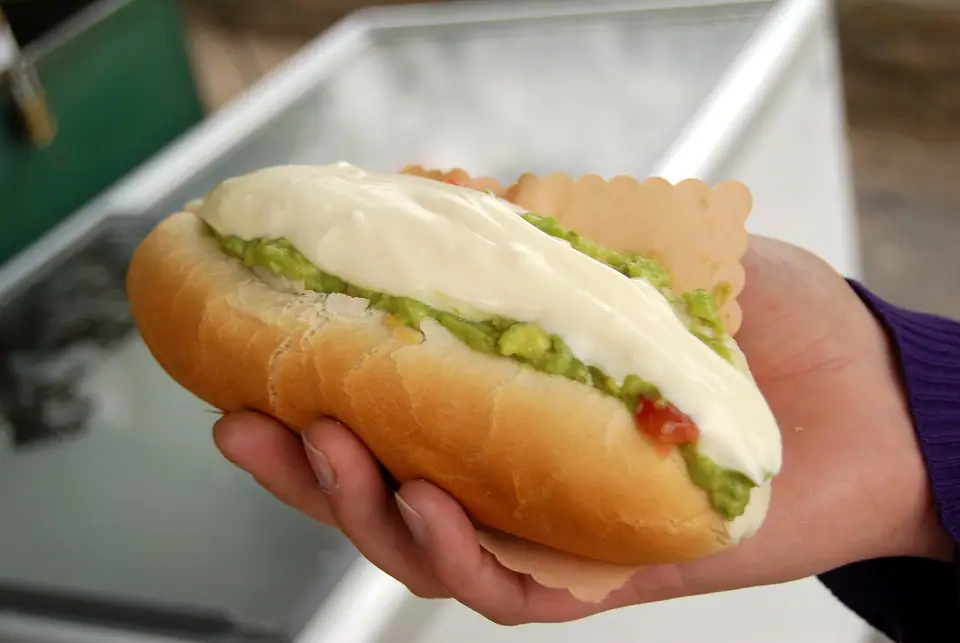
The most famous street food configuration is the completo italiano. It begins with a boiled frankfurter in an elongated bun, buried beneath warm chopped tomatoes, a generous layer of mashed Hass avocado (palta), and thick homemade mayonnaise. The green, white, and red layers mirror the colours of the Italian flag. Beef lovers favour the Barros Luco, featuring thin sheets of griddled minute steak crowned with melted farmhouse cheese, named after former Chilean President Ramón Barros Luco. Its cousin, the Barros Jarpa, replaces the beef with griddled ham.
Cerro San Cristóbal Treats and Central Valley Vintages
When walking or taking the cable car through Cerro San Cristóbal, Parque Metropolitano, Funicular and Teleférico, the universal refreshment is mote con huesillos. This traditional non-alcoholic beverage combines sun-dried peaches (huesillos) stewed in water with cinnamon and dark unrefined sugar, served chilled over cooked husked wheat berries (mote). Vendors hand you a tall plastic cup with a long spoon to scoop up the chewy grains and tender fruit.
For evening dining, Santiago sits adjacent to the world-renowned Maipo Valley. Local menus feature robust red wines, notably Carménère, Cabernet Sauvignon, and rustic, light-bodied País, each matching the rich beef fats and cumin notes of traditional Central Valley cookery.
Comparing Santiago Classic Dishes and Dining Styles
| Dish or Drink | Key Ingredients | Traditional Venue | Best Season |
|---|---|---|---|
| Pastel de Choclo | Ground sweetcorn, basil, beef pino, chicken, olives | Traditional picada or suburban tavern | Summer (December to March) |
| Empanada de Pino | Wheat pastry, diced beef, sautéed onions, raisins, egg | Neighbourhood bakery or empanadería | Year-round |
| Caldillo de Congrio | Pacific conger eel, fish broth, white wine, vegetables | Mercado Central fish hall | Autumn and winter |
| Completo Italiano | Sausage, mashed avocado, diced tomato, mayonnaise | Historic fuente de soda lunch counter | Year-round |
| Mote con Huesillos | Dried peaches, caramelized syrup, husked wheat | Hilltop park kiosks and street stalls | Spring and summer |
Seasonal Dining Rhythm and Market Practicalities
Santiago experiences sharp seasonal climate variations that dictate local eating habits. The hot summer months of January and February see daytime highs averaging 30.4°C and 29.7°C respectively, with virtually zero rainfall. These conditions make afternoon stops for chilled mote con huesillos or light humitas intensely satisfying. In contrast, winter months like June and July drop to average overnight lows of 4.7°C and 3.8°C, with 35mm and 28mm of monthly rain. Winter is the ideal time to seek shelter in steaming soup halls for caldillo de congrio.
When planning culinary excursions across the capital, note that lunch remains the main meal of the day for working residents. Counter seating at popular fuentes de soda fills rapidly between one and three in the afternoon. For visitors continuing onward to the Andes or urban viewpoints described in our guide to Sky Costanera, Providencia, Parque Bicentenario and Cajón del Maipo, grabbing a hot empanada de pino makes a reliable, transportable fuel for afternoon climbs.
Where it is
- 1Santiago
- Comodoro Arturo Merino Benítez International Airport (SCL) · about 14 km from Santiago in a straight line
- Directions in Google Maps
Stations and taxi ranks: OpenStreetMap. Airports: OurAirports. Distances are in a straight line.
Traveller tips
Real advice from people who have been to Santiago. Every tip is read by our team before it goes live.
No tips yet. Been here? Yours could be the first.
Thank you! Your tip will appear here after a quick review.
More in Santiago
Continue exploring Santiago with related neighbourhood, food, and planning guides
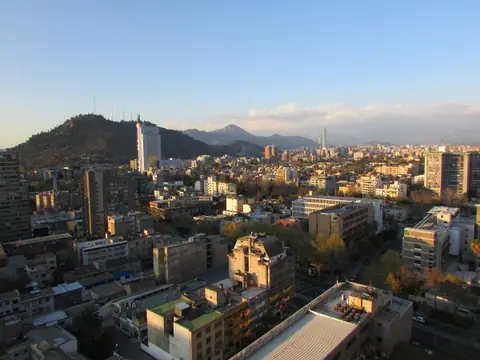
Best Time to Visit Santiago: Climate, Andes Visibility and Grape Harvest
Santiago, Chile
Where to Stay in Santiago: Best Areas and Communes Compared
Santiago, Chile
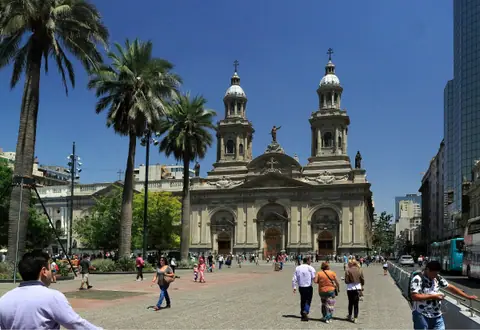
Santiago 3-Day Itinerary: Historic Plazas, Hilltop Parks and the Andes
Santiago, Chile
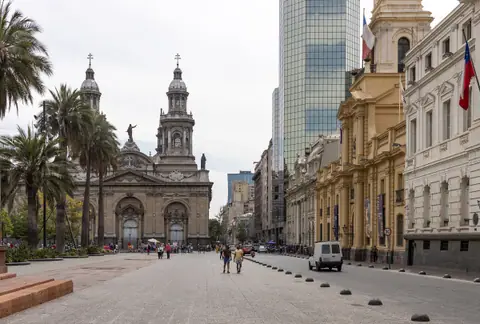
Plaza de Armas, Metropolitan Cathedral and the Pre-Columbian Art Museum
Santiago, Chile
