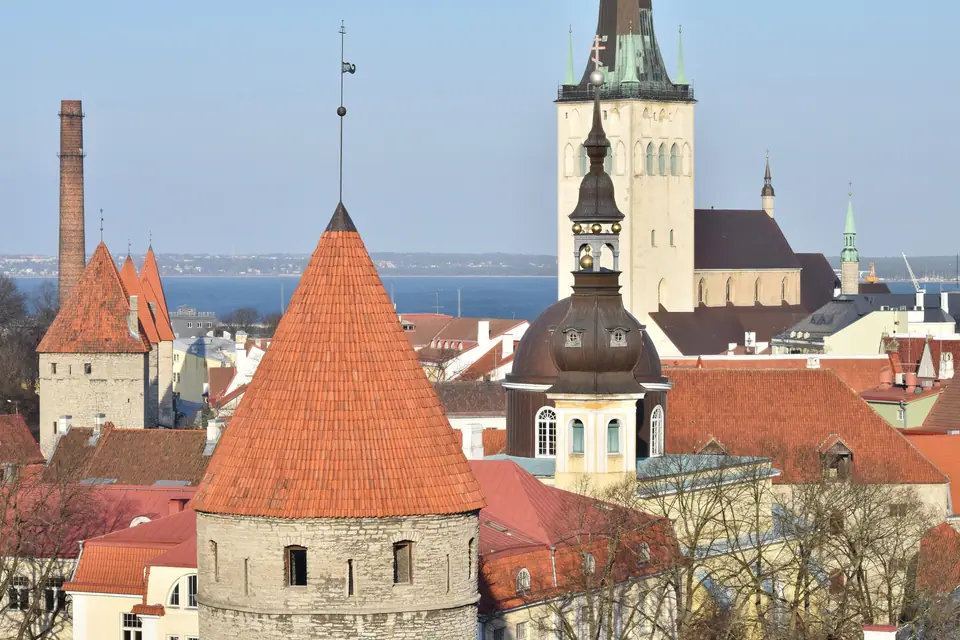
Photo: Raita Futo from Tokyo, Japan · CC BY 2.0
Tallinn Seasonal Guide: Weather, Crowds, and Baltic Daylight
Choosing when to explore Tallinn shapes your balance between endless Baltic daylight in summer and quiet medieval snowscapes in deep winter.
Tallinn changes dramatically across the four seasons, moving from white summer nights to dark, crisp winter afternoons dusted with thick snow. Visitors arriving in midsummer encounter near continuous daylight that encourages long outdoor walks, whereas winter visitors discover silent stone lanes beneath medieval gables.
Summer Daylight and Long Coastal Evenings
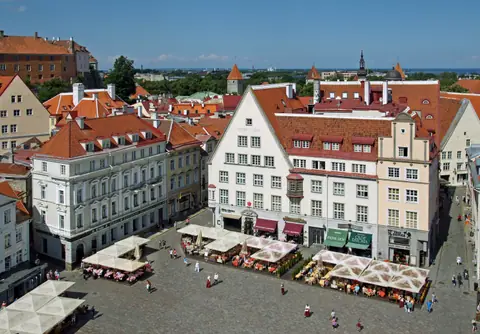
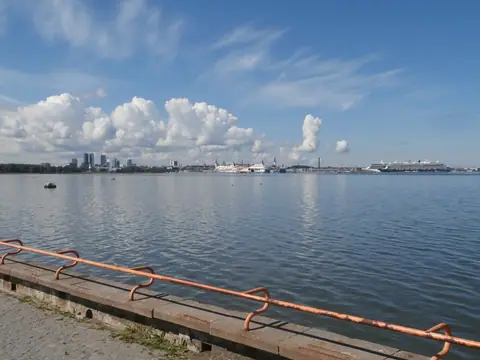
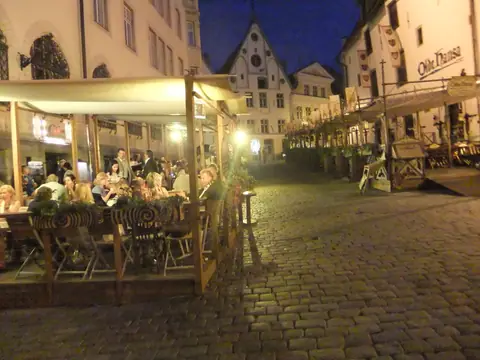
Summer brings long daylight hours across Estonia, giving travellers extended evenings to wander through the cobbled alleys and coastal promenades. The streets around the central market squares fill with open-air dining terraces, while walkers head towards the maritime edge to watch Baltic sunsets.
During these warm months, walking between historic quarters feels effortless because daylight lingers well past midnight. You can link your explorations with the broader Tallinn outdoor highlights by continuing through public gardens and outer wooden quarters before the twilight fades.
Cruise ship calls peak during midsummer, which means midday footfall rises sharply along the main thoroughfares of the historic centre. We recommend exploring the stone towers and cobbled gates in the early morning or late evening, leaving the middle hours for spacious outer parks.
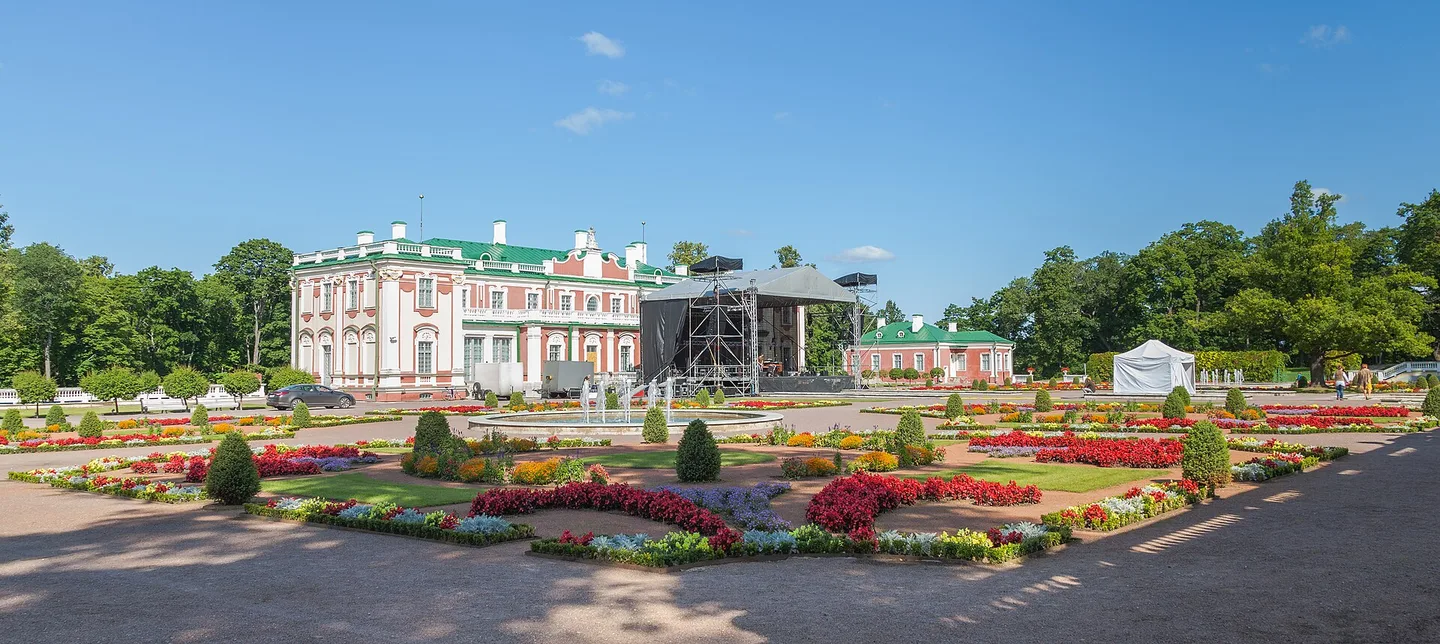
Kadriorg Park offers shady avenues and manicured flowerbeds that provide cool shelter on sunny Baltic afternoons. Boarding public trams out to Kadriorg lets you escape the dense tour groups gathered in the medieval centre.
Coastal breezes keep temperatures comfortable for extended walking tours along the Gulf of Finland shoreline. Pack sunglasses and lightweight layers so you can adapt as sea winds shift during late twilight strolls.
Autumn Colours and Cultural Openings
Autumn arrives with crisp air and changing foliage across the city parks and coastal woodlands. September retains pleasant daylight hours, making it an excellent time for travellers who prefer quieter walking conditions and calm museum galleries.
As October deepens, golden leaves blanket the gravel paths around the presidential palace and the art institutions in Kadriorg. Indoor cultural venues begin their autumn performance seasons, drawing local residents into concert halls, regional theatres, and contemporary exhibition spaces.
Rainfall increases moderately during late autumn, so you should pack sturdy waterproof shoes for navigating slippery limestone cobbles. Stepping into independent coffee roasteries and cosy subterranean cellar taverns provides welcoming warmth when brisk sea winds blow in from the Gulf of Finland.
Shorter days in November encourage unhurried afternoons exploring historic interiors and underground bastion passages. The lower tourist volumes mean you can view museum collections without waiting in lines or moving through crowded exhibition galleries.
| Season | Daylight Character | Street Atmosphere | Packing Focus |
|---|---|---|---|
| Summer | Extended daylight past midnight | Lively outdoor terraces and higher footfall | Light layers and sunglasses |
| Autumn | Crisp days with shortening evenings | Calm museums, golden foliage, and quiet lanes | Waterproof jacket and walking shoes |
| Winter | Short daylight hours and snow cover | Peaceful snowy alleys and festive stalls | Thermal base layers and insulated boots |
| Spring | Rapidly lengthening light | Melting snow, fresh sea air, and green shoots | Windproof coat and transitional layers |
Transit connections remain reliable and frequent throughout the autumn chill. When arranging your journey into the city, review reaching central Tallinn to travel smoothly from port terminals or airport gates.
Winter Snowscapes and Northern Atmospheres
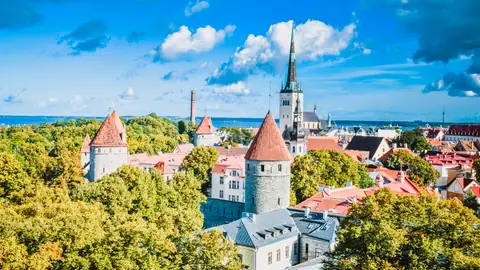
Winter transforms the medieval upper town and lower town into a serene northern landscape covered in fresh white snow. The daylight hours shorten considerably, casting a golden low-angled glow across the stone spires during the early afternoon.
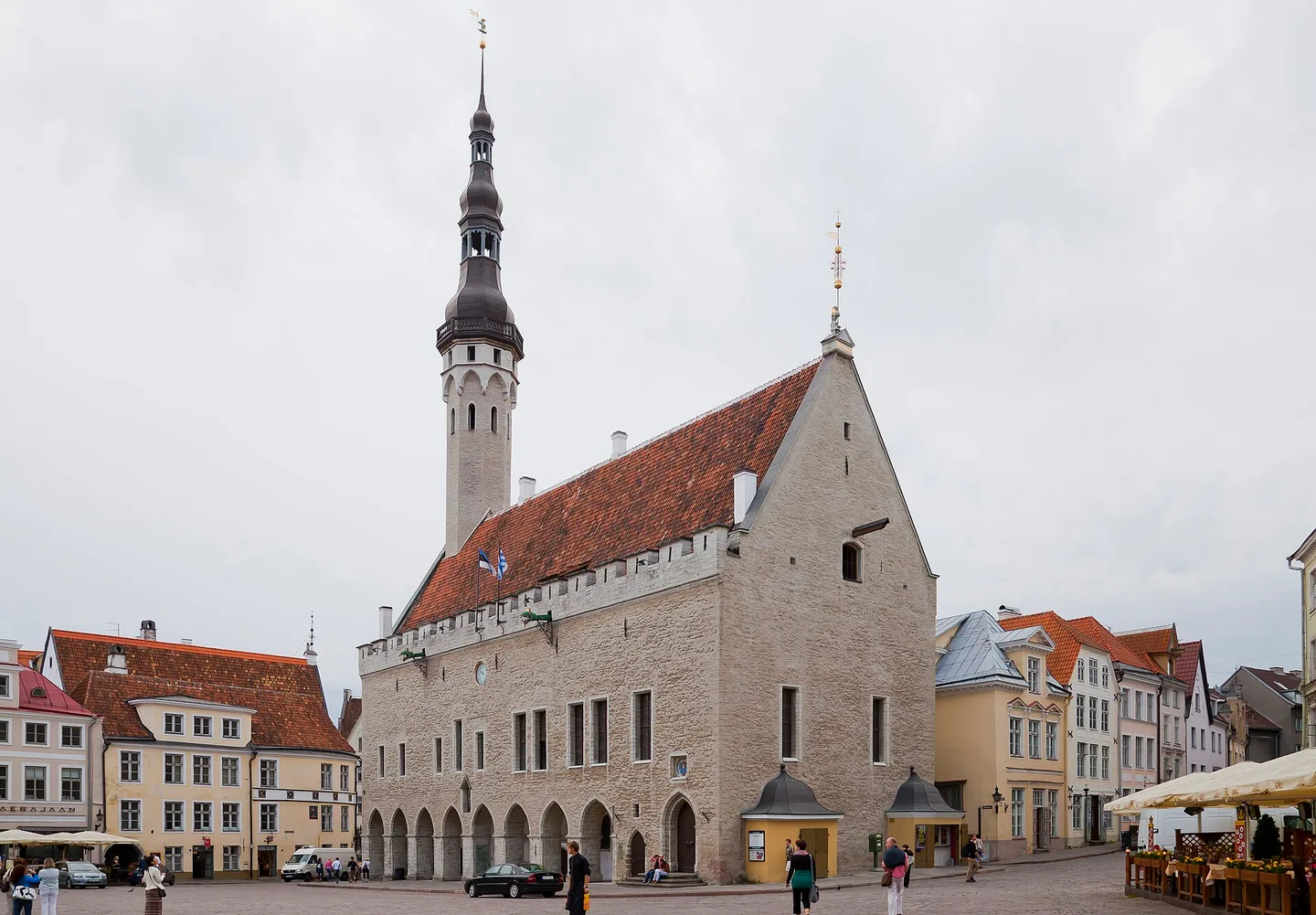
Historic Town Hall Square hosts traditional seasonal market stalls beneath the towering Gothic council building. Travellers can warm themselves with spiced berry drinks while listening to local choirs sing under string lights draped across timber booths.
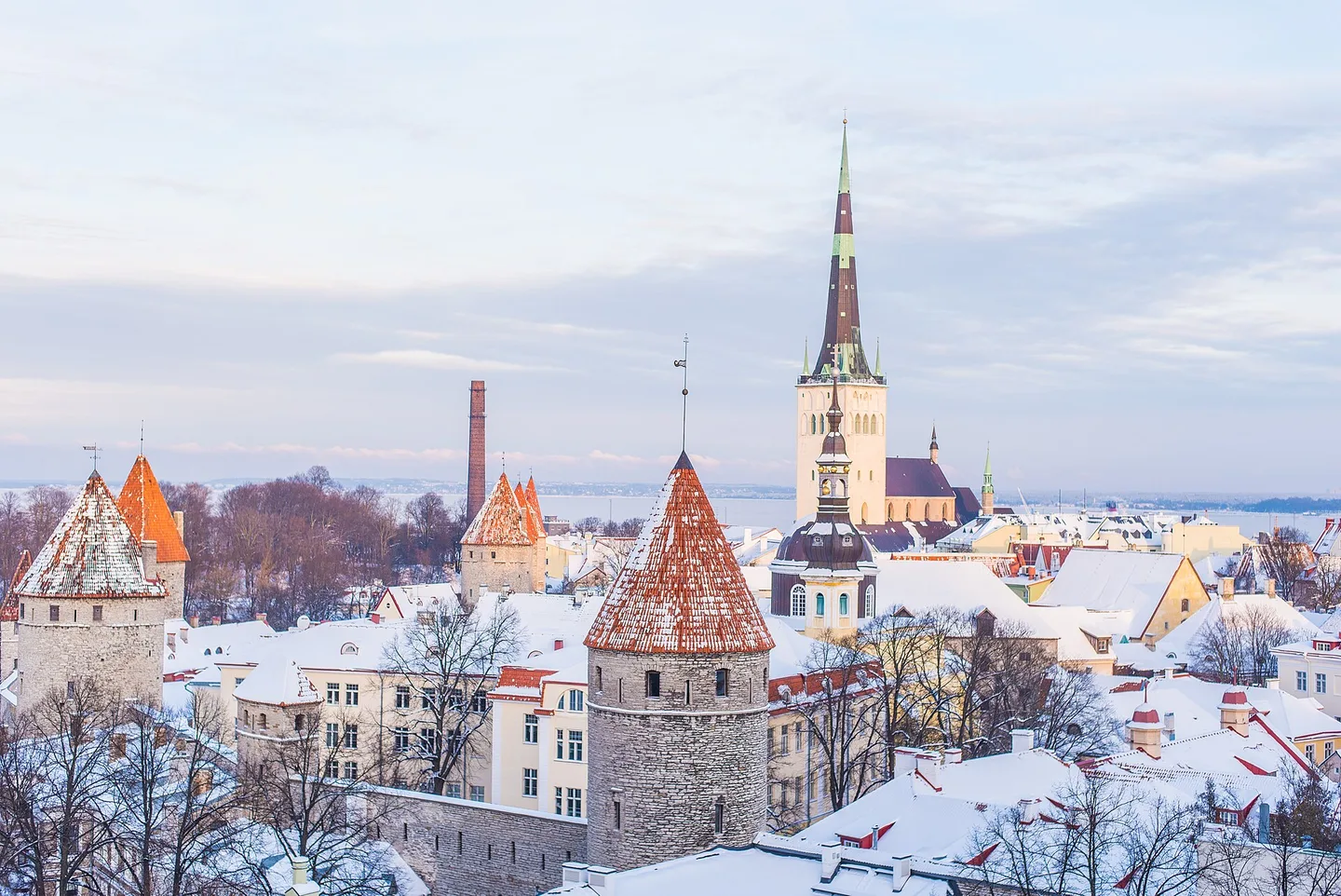
Sub-zero conditions require insulated boots with reliable rubber grip, as compacted snow on steep cobblestone inclines can become slippery. Thermal undergarments, woollen gloves, and windproof outer coats keep you comfortable while climbing up towards scenic upper-town vantage points.
Winter also brings quiet streets after dark, creating atmospheric conditions for photography along the historic defensive walls. Exploring the city during these colder months allows you to experience northern life at an unhurried, reflective pace.
Snow cover reflects city lighting across the limestone facades, creating clear night paths along quiet residential lanes. You can escape freezing gusts by visiting historic guildhalls, vaulted cellars, and timber teahouses scattered across the walled district.
Spring Awakening and Transition Months
Spring begins slowly along the Baltic coast, with frozen ground gradually thawing as March yields to April. By late April and May, daylight expands rapidly, bringing mild breezes and green buds across the parklands surrounding the ancient defensive ramparts.
- March retains cold mornings with melting snow, calling for waterproof boots on uneven historic cobbles.
- April introduces crisp sunny spells, fewer cruise crowds, and pleasant walking conditions across the harbour district.
- May brings fresh greenery, longer twilights, and outdoor dining tables returning to sunny public squares.
Visiting during late spring lets you enjoy bright days without the heavy tourist numbers seen in July and August. You can explore neighbourhood cafes, coastal paths, and independent craft boutiques before peak summer pricing and busy schedules take hold.
Birdsong returns to the bastion moats and palace grounds as migratory flocks travel north along coastal flight corridors. Extended evening light lets you linger outdoors long after indoor exhibits close for the day.
Careful seasonal planning guarantees that you encounter the Estonian capital at its most rewarding. Matching your expectations to the northern calendar creates a balanced journey along historic streets and Baltic shorelines.
Weather by month
Tallinn is warmest in July, with average highs around 21°C, and coldest in January, when nights drop to about -5°C. August is the wettest month by rainfall (94 mm), with rain on about 15 days. For mild weather with fewer rainy days, aim for June.
| Month | Low | Range | High | Rain | Rainy days |
|---|---|---|---|---|---|
| Jan | -5°C | -1°C | 55 mm | 15 d | |
| Feb | -4°C | 0°C | 49 mm | 12 d | |
| Mar | -3°C | 3°C | 36 mm | 11 d | |
| Apr | 1°C | 8°C | 45 mm | 10 d | |
| May | 6°C | 15°C | 46 mm | 8 d | |
| Jun | 11°C | 20°C | 63 mm | 11 d | |
| Jul | 14°C | 21°C | 88 mm | 15 d | |
| Aug | 13°C | 21°C | 94 mm | 15 d | |
| Sep | 10°C | 16°C | 65 mm | 12 d | |
| Oct | 5°C | 10°C | 69 mm | 14 d | |
| Nov | 1°C | 5°C | 64 mm | 15 d | |
| Dec | -2°C | 1°C | 56 mm | 14 d |
Averages of daily values from 2015 to 2024. Rainy days are days with at least 1 mm of rain. Source: Open-Meteo · Compare destinations by month.
Official prices and opening hours
- Tallinn Public Buses, Trams & Airport Tram 4/Bus 2Official site ↗
- Kumu Art Museum (Kadriorg Park)Official site ↗
Where it is
- 1Tallinn
- Lennart Meri Tallinn Airport (TLL) · about 5 km from Tallinn in a straight line
- Directions in Google Maps
Stations and taxi ranks: OpenStreetMap. Airports: OurAirports. Distances are in a straight line.
Traveller tips
Real advice from people who have been to Tallinn. Every tip is read by our team before it goes live.
No tips yet. Been here? Yours could be the first.
Thank you! Your tip will appear here after a quick review.
More in Tallinn
Continue exploring Tallinn with related neighbourhood, food, and planning guides