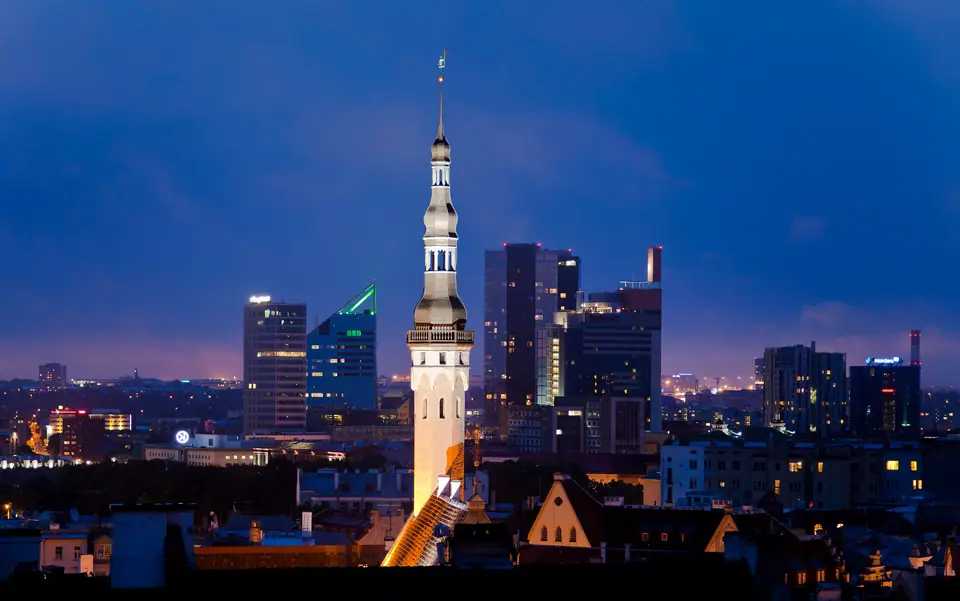
Photo: Diego Delso · CC BY-SA 3.0
Tallinn
Tallinn pairs intact medieval fortifications on the Gulf of Finland with coastal tram networks, wooden architecture, and contemporary seaside quarters.
Quick decisions
How many days?
Plan three days to absorb medieval Toompea, explore maritime Kalamaja, and wander Kadriorg Park at a relaxed pace without rushing.
Where should I stay?
Choose Kalamaja for tranquil boutique stays near rail transit, or select the Lower Town for direct pedestrian access to cobbled alleys.
Do I need a car?
Avoid driving inside the historic core where vehicle permits are restricted. Dependable trams and buses handle citywide journeys efficiently.
Best for
Travellers fascinated by Hanseatic architecture, quiet northern coastal scenery, forward-thinking digital governance, and compact walkable cultural districts.
Before you go
Pack sturdy footwear with strong grip for steep limestone paths. Winter visitors should prepare ice cleats for glazed medieval cobbles.
Getting around
Tap a contactless bank card on front ticket validators aboard trams and buses. Read transit rules before boarding municipal vehicles.
Continue your trip
Board direct sea ferries to reach Helsinki across the Gulf of Finland, or take intercity coaches south towards regional Baltic hubs.
Overview
Tallinn sits on the southern shore of the Gulf of Finland, anchoring Estonia with a layered urban pattern. The Upper Town crowns a limestone bluff at Toompea, while the Lower Town fans outward beneath red-tiled ramparts and fortified watchtowers. Centuries of Baltic trade left intact merchants' guildhalls, vaulted cellars, and austere limestone churches that remain remarkably sound.
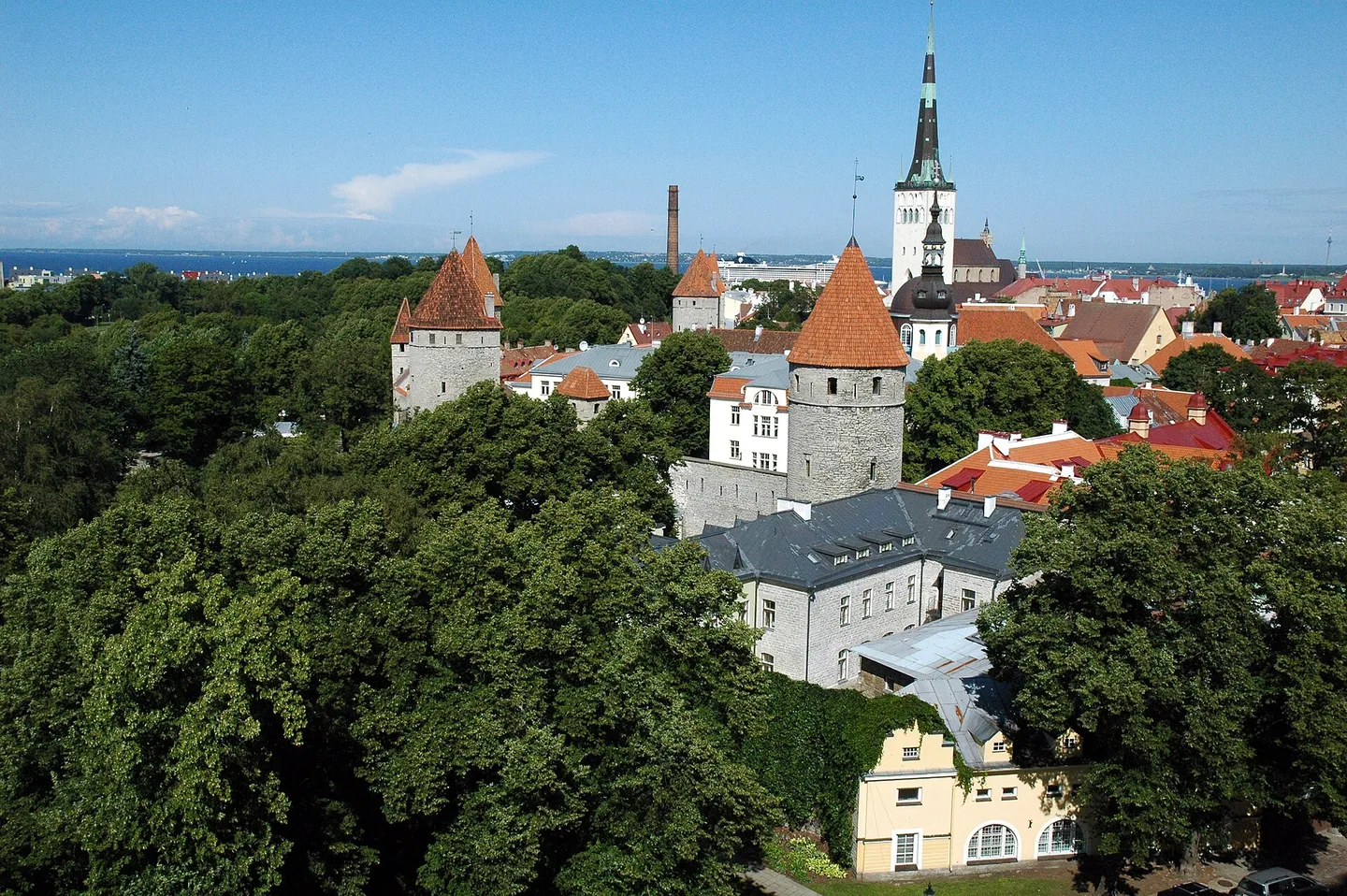
Beyond the medieval defensive wall, timber suburbs give way to redeveloped maritime docklands and leafy royal parks. The sea shapes daily life through brisk maritime winds and changing daylight hours. Travellers discover a capital that balances ancient stone architecture with efficient digital public systems, allowing straightforward foot exploration across distinct quarters.
Coastal conditions bring distinct seasonal contrasts throughout the calendar. Winter settles in with January daytime averages of -1°C and lows of -5°C across 15 wet days with 55 mm of precipitation. February experiences daytime highs of 0°C and nighttime lows of -4°C over 12 wet days with 49 mm of moisture.
Spring thaw begins gradually when March registers highs of 3°C and lows of -3°C across 11 wet days with 36 mm of rain. April warms to daytime peaks of 8°C and lows of 1°C over 10 wet days with 45 mm of precipitation. May introduces pleasant daytime highs of 15°C and lows of 6°C across 8 wet days with 46 mm of rain.
Getting there
Arriving travellers reach the city centre swiftly from Tallinn Airport via direct municipal tram and bus connections. Rail passengers disembark at Balti Jaam, positioned right between the Old Town and northern residential districts. Ferry terminals receive regular passenger vessels crossing from Finland, offering simple pedestrian corridors directly toward the town gate.
Getting around the central districts rarely requires taxis. Trams connect the central transit spine to Kadriorg and the western coastal fringes. Travellers tap standard contactless payment cards on ticket validators upon entry, or pick up smart travel cards at transit kiosks. Tram routes, airport buses, and ferry piers align under Tallinn rail, air, and sea arrival links across town.
Pedestrian navigation across the core remains straightforward due to concise distances. Cobbled streets require solid footwear, especially along steep slopes leading toward Toompea hill. Cyclists find separate lanes on wide peripheral roads, though medieval flagstones suit foot traffic best.
Where to stay
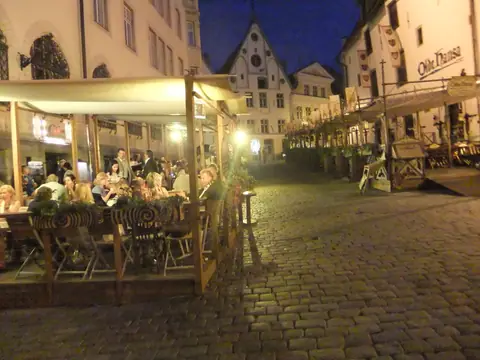
Deciding where to sleep depends largely on your tolerance for stone steps and nighttime quiet. Staying inside the medieval Lower Town places historic cellars and historic squares right at your doorstep. However, supply delivery vans and late tavern patrons can generate early morning echo along narrow limestone passages.
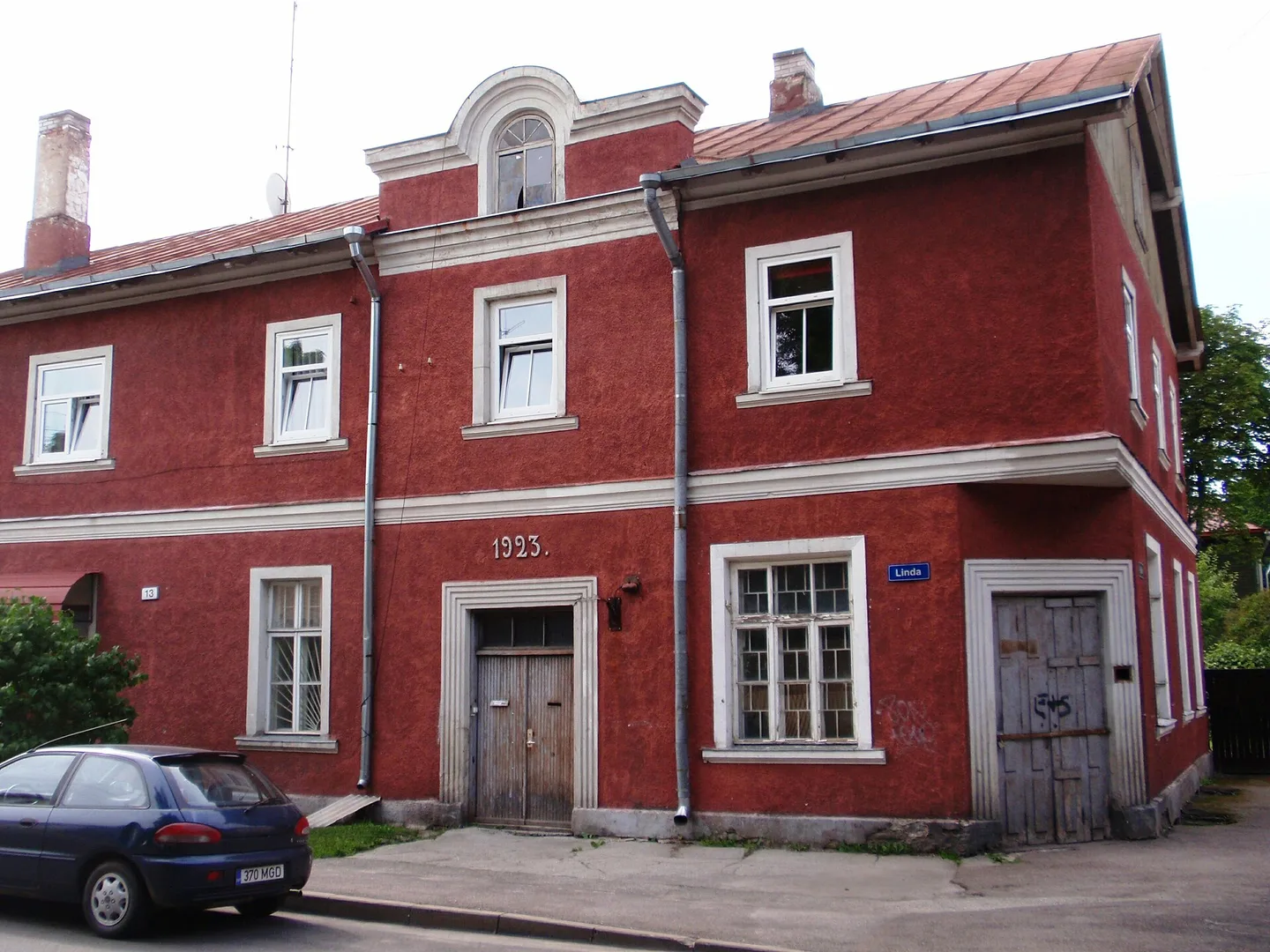
For calmer evenings and level walking routes, look immediately northwest to Kalamaja. This neighbourhood features restored two-storey wooden apartment buildings, craft studios, and contemporary bakeries near the central railway station. Kadriorg offers another peaceful alternative, positioning visitors alongside tree-lined boulevards and tram rails. Compare quiet wooden quarters, coastal boulevards, and cobbled walls across Tallinn central and seaside accommodation districts.
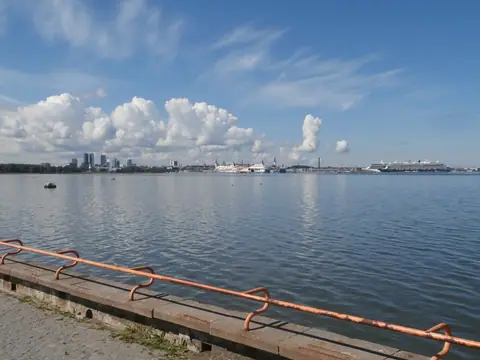
Portside quarters near the passenger ferry terminals give quick access for travellers making morning sea crossings. These newer maritime developments feature wide pedestrian promenades and contemporary insulation against northern winds. Choosing lodging outside the fortified core also simplifies luggage transfers without navigating uneven heritage cobblestones.
Things to do
Begin early on Toompea hill to view sunrise across the Lower Town spires from the stone viewing platforms. Descend through the Danish King's Garden to trace defensive battlements, merchant storehouses, and quiet monastic courtyards. Pacing your walk across level ground prevents fatigue on historic cobblestones.
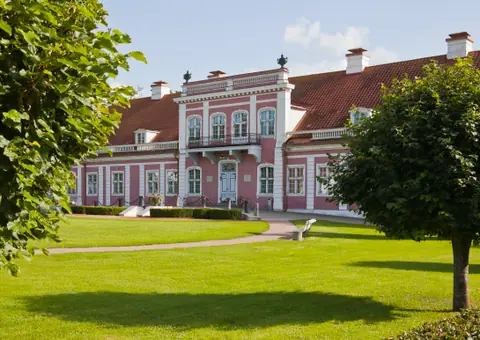
Reserve an afternoon for Kadriorg, strolling along gravel paths toward the grand baroque palace and formal rose gardens. Nearby, contemporary art galleries present Baltic modernism inside striking curved limestone structures. Cap your touring at the seacoast to watch passenger ships enter the bay, or taste smoked Baltic fish and dark sourdough alongside traditional Estonian dishes and market halls.
Summer brings extended daylight that allows comfortable outdoor exploration well into late evening hours. June reaches daytime highs of 20°C and lows of 11°C across 11 wet days with 63 mm of precipitation. July peaks at 21°C daytime highs and 14°C lows over 15 wet days with 88 mm of rain. August maintains 21°C highs and 13°C lows across 15 wet days with 94 mm of rain.
Food and drink
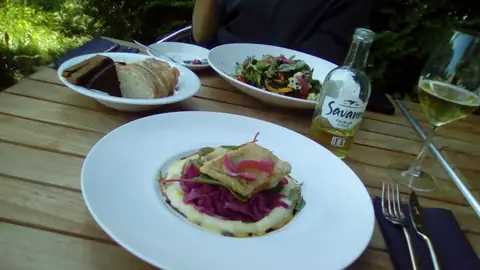
Estonian cooking relies on dark rye sourdough bread, pickled forest mushrooms, salted Baltic herring, and slow-braised pork served with barley. Modern chefs across Kalamaja rethink these northern staples, combining smoked coastal fish with cultured dairy and fresh root vegetables.
The renovated market halls beside the railway station offer an approachable introduction to domestic produce. You will find glass counters displaying smoked meats, sea buckthorn preserves, seasonal wild berries, and fresh cottage cheeses. Casual counter seating lets visitors sample hearty elk broth or hot curd fritters without formal table bookings.
Autumn harvests enrich local menus with wild mushrooms, lingonberries, and orchard apples. September brings daytime highs of 16°C and lows of 10°C over 12 wet days with 65 mm of rain. October cools to 10°C highs and 5°C lows across 14 wet days with 69 mm of precipitation. November sees 5°C highs and 1°C lows across 15 wet days with 64 mm of rain. December turns colder with 1°C daytime highs and -2°C lows over 14 wet days with 56 mm of precipitation.
Culture
Tallinn maintains a measured, reserved public culture that values personal space and quiet consideration. In residential streets and passenger trams, people speak at modest volumes. Pedestrians wait patiently for green crossing signals even on empty crossroads, and cyclists expect travellers to keep clear of designated asphalt bike lanes.
When entering working churches or museum galleries, remove hats and maintain quiet voices. Climate swings dramatically through the year, bringing daytime highs of 21°C in July and chilly daytime averages of -1°C in January. Dress in flexible thermal layers during freezing months to negotiate heated interiors comfortably.
Public etiquette prioritises tidy public spaces and respect for civic infrastructure. Recycling points stand beside transit stops, and municipal rules prohibit littering across green spaces. Following local customs helps preserve the serene environment that defines everyday life in this Baltic capital.
Official prices and opening hours
- Tallinn Public Buses, Trams & Airport Tram 4/Bus 2Official site ↗
- Kumu Art Museum (Kadriorg Park)Official site ↗
Weather by month
Tallinn is warmest in July, with average highs around 21°C, and coldest in January, when nights drop to about -5°C. August is the wettest month by rainfall (94 mm), with rain on about 15 days. For mild weather with fewer rainy days, aim for June.
| Month | Low | Range | High | Rain | Rainy days |
|---|---|---|---|---|---|
| Jan | -5°C | -1°C | 55 mm | 15 d | |
| Feb | -4°C | 0°C | 49 mm | 12 d | |
| Mar | -3°C | 3°C | 36 mm | 11 d | |
| Apr | 1°C | 8°C | 45 mm | 10 d | |
| May | 6°C | 15°C | 46 mm | 8 d | |
| Jun | 11°C | 20°C | 63 mm | 11 d | |
| Jul | 14°C | 21°C | 88 mm | 15 d | |
| Aug | 13°C | 21°C | 94 mm | 15 d | |
| Sep | 10°C | 16°C | 65 mm | 12 d | |
| Oct | 5°C | 10°C | 69 mm | 14 d | |
| Nov | 1°C | 5°C | 64 mm | 15 d | |
| Dec | -2°C | 1°C | 56 mm | 14 d |
Averages of daily values from 2015 to 2024. Rainy days are days with at least 1 mm of rain. Source: Open-Meteo · Compare destinations by month.
Tallinn on the map
Every place we cover in Tallinn. Tap a category or pin to explore.
In-depth Tallinn guides
Browse the guides grouped by topic: sights, neighbourhoods, food, transport, day trips and trip planning.
Sights, Landmarks & Parks
Key monuments, viewpoints, museums and nature trails.
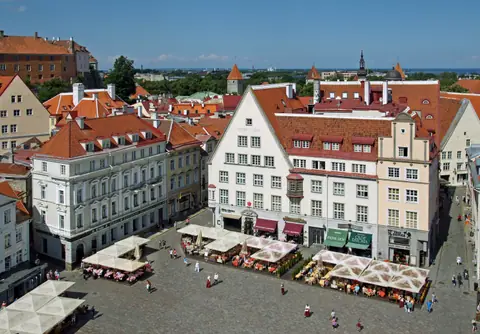 Exploring Medieval Streets and Cultural Quarters in TallinnCobbled lanes, defensive stone towers, and seaside tram routes define this compact northern capital across contrasting historical districts.
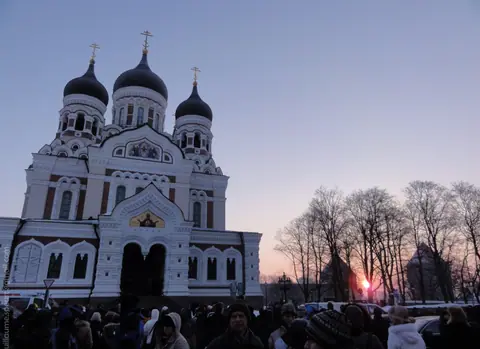 Exploring Tallinn Old Town and Toompea HillTallinn pairs an intact lower medieval trading centre with the limestone heights of Toompea above it.
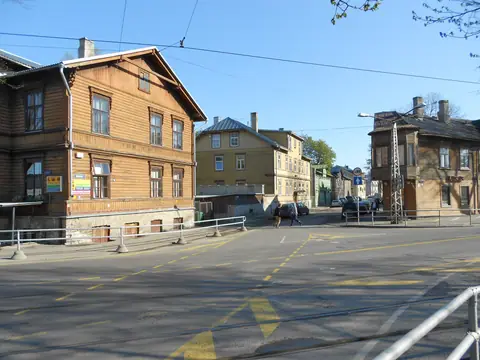 Exploring Kalamaja and Telliskivi Creative CityWe wander past restored wooden houses in Kalamaja and repurposed industrial warehouses across Telliskivi Creative City near the Baltic shoreline.
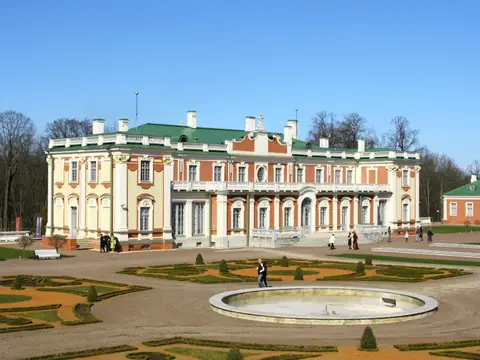 Kadriorg, Pirita, and Tallinn Song Festival GroundsTallinn sweeps east from baroque Kadriorg gardens and Kumu to the seaside Song Festival Grounds and Baltic promenades in Pirita.
Neighbourhoods & Where to Stay
Districts, historic quarters and the best bases for your stay.
Food & Drink
Local dishes, markets, cafés and dining districts.
Getting Around & Arrival
Airport transfers, public transit, passes and driving rules.
Day Trips & Excursions
Easy half-day and full-day trips from the city.
Trip Planning & Itineraries
When to visit, what to pack and day-by-day routes.
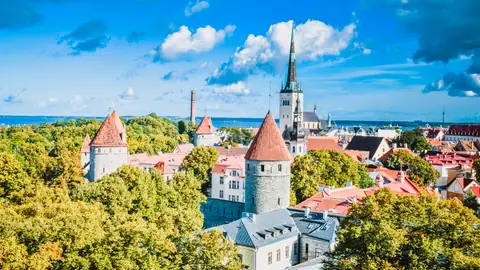 Tallinn District Guide: Hanseatic Ramparts, Coastline and SuburbsTallinn pairs medieval limestone bastions with breezy coastal quarters, connected by quick public trams running straight to parklands and ferry quays.
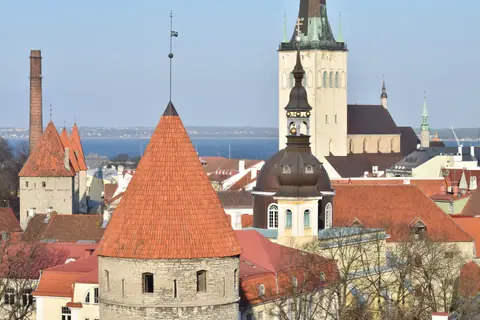 Tallinn Seasonal Guide: Weather, Crowds, and Baltic DaylightChoosing when to explore Tallinn shapes your balance between endless Baltic daylight in summer and quiet medieval snowscapes in deep winter.
Need your embassy or consulate in Estonia? See embassies and consulates in Estonia.
Reviews
Log in to write a review.
No reviews yet.