Riga
Riga pairs medieval cobblestone squares and striking Art Nouveau boulevards with Baltic coast access, historic food pavilions, and calm canal parklands.
Quick decisions
How many days?
Three full days allow unhurried exploration of Old Town lanes, Art Nouveau architecture, Central Market stalls, and an afternoon trip to the coast.
Where should I stay?
Choose the Quiet Centre for peaceful tree-lined streets near Alberta Street, or Old Town if you prefer stepped pedestrian lanes on your doorstep.
Do I need a car?
No, walking covers central districts easily, while municipal trams, buses, and frequent regional electric trains handle coastal excursions comfortably.
Best for
Architecture fans, urban walkers, and history travellers who enjoy northern European design alongside quiet canal parks and accessible Baltic sandy beaches.
Before you go
Pack comfortable flat shoes for uneven medieval cobbles. Remember summer days bring long light while winter demands sturdy waterproof footwear.
Getting around
Rīgas Satiksme manages integrated tickets for red-and-white trams, trolleybuses, and buses, while regional rail links connect directly to seaside resort platforms.
Continue your trip
Board direct regional buses or trains northward to Tallinn or southward to regional Baltic hubs across the surrounding lowlands.
Overview
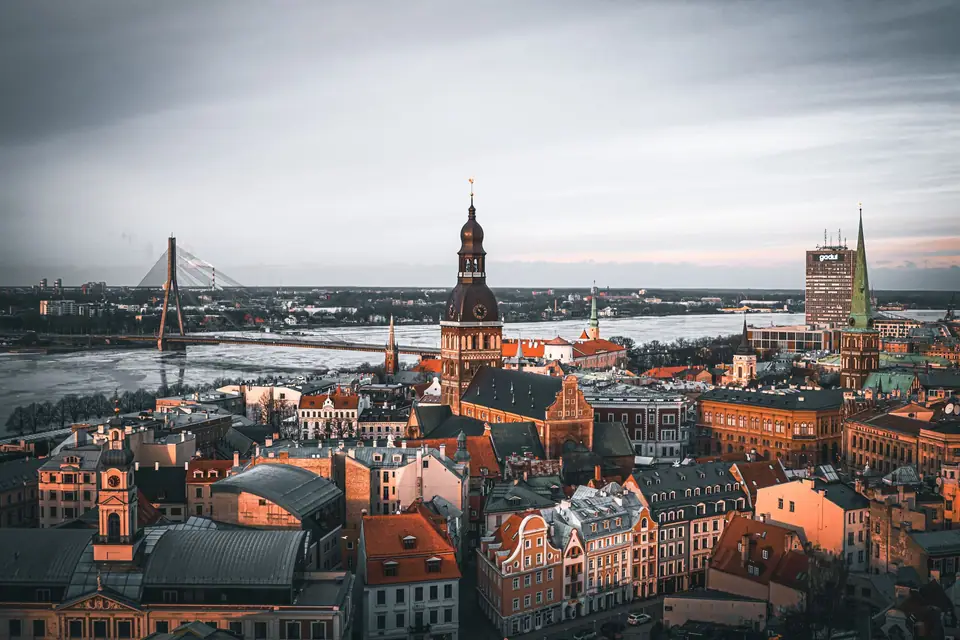
Riga stands beside the wide Daugava river where maritime trade shaped northern European commerce for centuries. The capital of Latvia presents two distinct visual identities side by side. On the eastern bank, the medieval core retains dense cobblestone alleys, soaring church spires, and quiet enclosed courtyards. Just north of the historic canal, leafy nineteenth-century boulevards give way to quiet residential avenues lined with decorative carved stone, expressive faces, and floral brickwork.
Wide parklands trace the path of the former city fortifications. These grounds offer calm green buffers between dense medieval quarters and newer outer districts. Crossing the river reveals Pārdaugava, where low-rise wooden houses and green residential pockets contrast with the brick towers across the water. The flat terrain makes the city easily navigable on foot, with short distances connecting cultural landmarks, peaceful waterside paths, and open public squares.
The maritime climate brings distinct seasonal rhythms to the city landscape. Summer high temperatures average around 22.4°C in July and August, creating long daylight hours suited to waterside promenades. Winter drops toward freezing, with January daytime highs averaging 0.0°C and lows dipping to -4.5°C. Precipitation remains regular across the seasons, ranging from around 43 mm in early spring up to 89 mm in late summer.
Getting there
Riga International Airport sits southwest of the river, connecting to downtown rail and bus terminals via municipal bus line 22 in regular intervals. The bus departs directly outside the terminal doors, dropping passengers along the edge of the historic core. Taxis and verified ride-hailing apps operate from designated terminal ranks across the river bridges into town-centre hotels. Detailed arrival connections appear in bus 22 and main station rail links before setting out.
Central Riga is built for walking, though the municipal network of trams and trolleybuses proves invaluable when crossing to Pārdaugava or heading toward outer parks. Contactless payment cards and digital transit passes allow swift boarding without hunting for cash. Regional passenger trains depart from the central railway station, offering dependable direct links to sandy coastal shores and pine forests without needing a car.
Long-distance coaches link the central bus terminal directly with neighbouring capitals, making multi-country Baltic itineraries straightforward. Regional rail services also run smoothly across the lower valley routes. Walking between the train station, bus terminal, and the southern entrance of Old Town takes under ten minutes along level pedestrian pathways.
Where to stay
Deciding where to base yourself depends on your preference for nighttime quiet versus immediate proximity to pedestrian squares. Old Town puts historic churches, cellar taverns, and evening dining right outside your hotel doorway. However, historic stone paving can mean morning delivery noise and luggage rumbling along narrow alleys. Travellers seeking calm nights often prefer the broad boulevards bordering the canal or the residential streets of the Quiet Centre.
The Quiet Centre offers stately apartment buildings, peaceful diplomatic embassies, and immediate proximity to famous architectural landmarks along Alberta Street. It sits an easy ten-minute walk from central gardens, making it well suited to restful evenings after long city walks. Across the river in Pārdaugava, restored wooden guesthouses offer village character, leafy gardens, and quick tram connections back to the centre. Specific area comparisons are outlined under central neighbourhoods and riverside guesthouses.
Budget travellers often find modern hostels and self-catering apartments clustered around the central railway terminal. This location allows swift departures for day trips while keeping the Old Town perimeter within a brief walk. Boutique hotels occupy restored merchant residences inside the fortress walls, featuring authentic historic timber beams and vaulted breakfast cellars.
Things to do
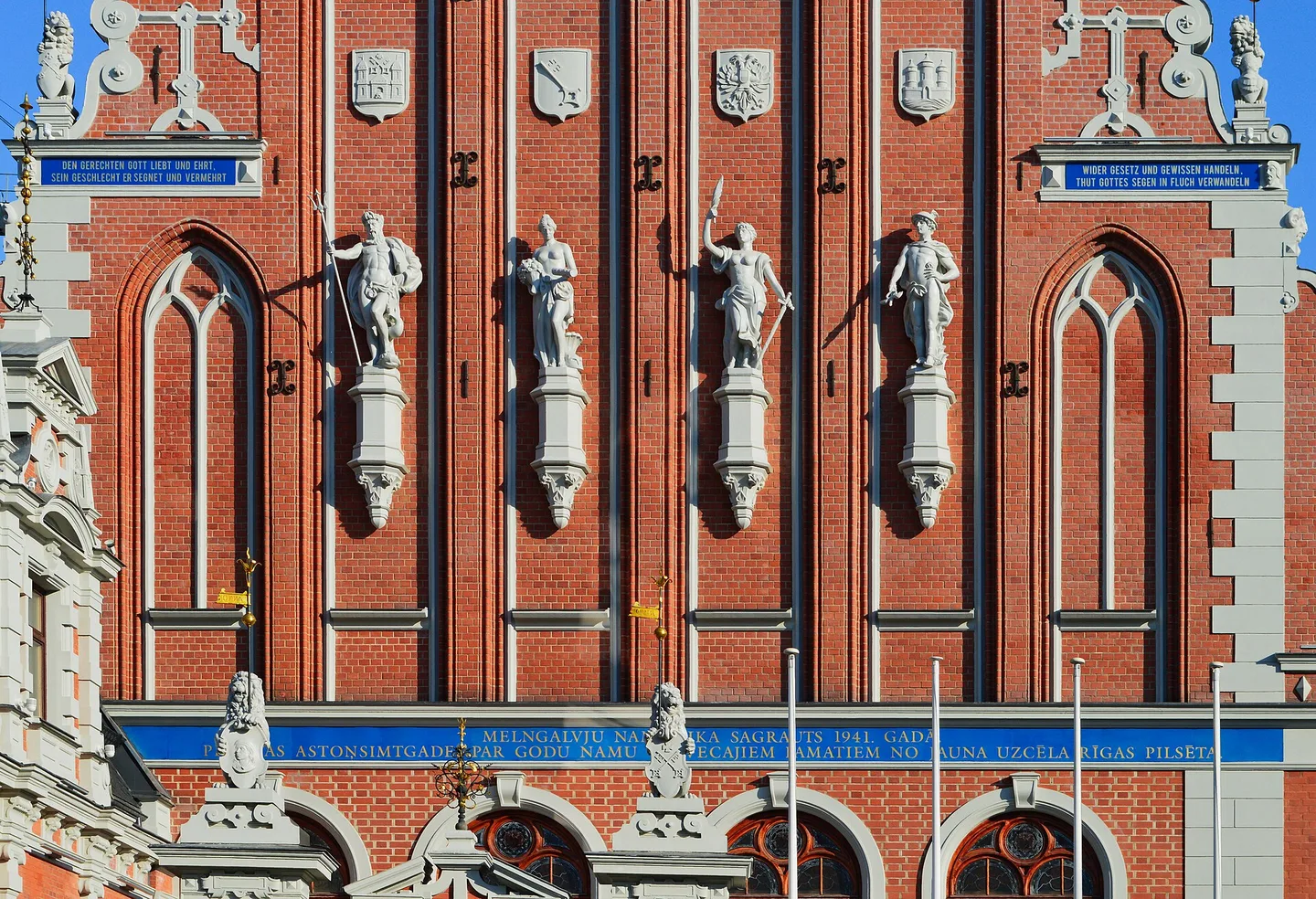
Begin your exploration in Dome Square, where the red-brick cathedral spire crowns the heart of the medieval quarter. Narrow streets wind southward past the House of the Black Heads, reconstructed with ornate Dutch Renaissance gables beside Town Hall Square. St Peter Church offers a towering vantage point over river bends and tiled rooftops. Follow practical route suggestions in the 3-day itinerary to pace your days sensibly.
Cross the City Canal into the boulevard ring to admire the Freedom Monument before walking north toward Alberta Street and Elizabetes Street. Here, early twentieth-century facades display intricate mythological figures, sculpted gargoyles, and flowing floral curves. Combine architectural walks with a visit to the Art Nouveau museum, where an authentic spiral staircase and period interiors demonstrate everyday domestic life. Further route ideas appear under Old Town towers and market walks.
History readers should take time to walk the surviving stretches of the defensive ramparts and visit the Swedish Gate, dating from the seventeenth century. Nearby, the architectural complex known as the Three Brothers showcases medieval residential masonry from three distinct eras. Walking these quiet cobbled courtyards early in the morning gives unobstructed views of the centuries-old stonework.
Food and drink
Latvian dining celebrates hearty northern ingredients, from earthy dark sourdough rye bread to smoked fish, forest mushrooms, and fresh dairy curds. Five converted Zeppelin hangars house the massive Central Market south of the railway line, creating a major stop for culinary exploration. Inside these cavernous pavilions, local vendors display smoked sprats, pickled garlic, fermented vegetables, and golden honey collected from Baltic meadows.
Cosy subterranean taverns throughout the medieval centre serve grey peas with fried bacon bits, cold beetroot soup in warm months, and slow-braised pork shanks. Modern Baltic kitchens combine these time-honoured staples with contemporary northern techniques, pairing seasonal root vegetables with local venison and craft cider. Sample dark Riga Black Balsam, an herbal bitter blended with hot blackcurrant juice during chilly autumn and winter afternoons.
Pastry shops and bakery counters throughout the city offer pirāgi, small crescent buns filled with minced bacon and diced onions. Pair these warm pastries with dark roasted coffee in independent neighbourhood cafes tucked along the canal side. In summer months, outdoor terraces spill onto cobbled alleys, pouring light craft beers brewed in regional microbreweries.
Culture
Riga balances deep pride in ancient folklore and choral singing traditions with a calm urban coffee culture. Historic churches and classical concert halls host organ recitals and chamber music performances throughout the year. When entering active houses of worship, dress respectfully, keep voices low, and refrain from wandering through active service areas. Tipping in cafes and casual bistros remains modest, with rounding up standard practice for friendly service.
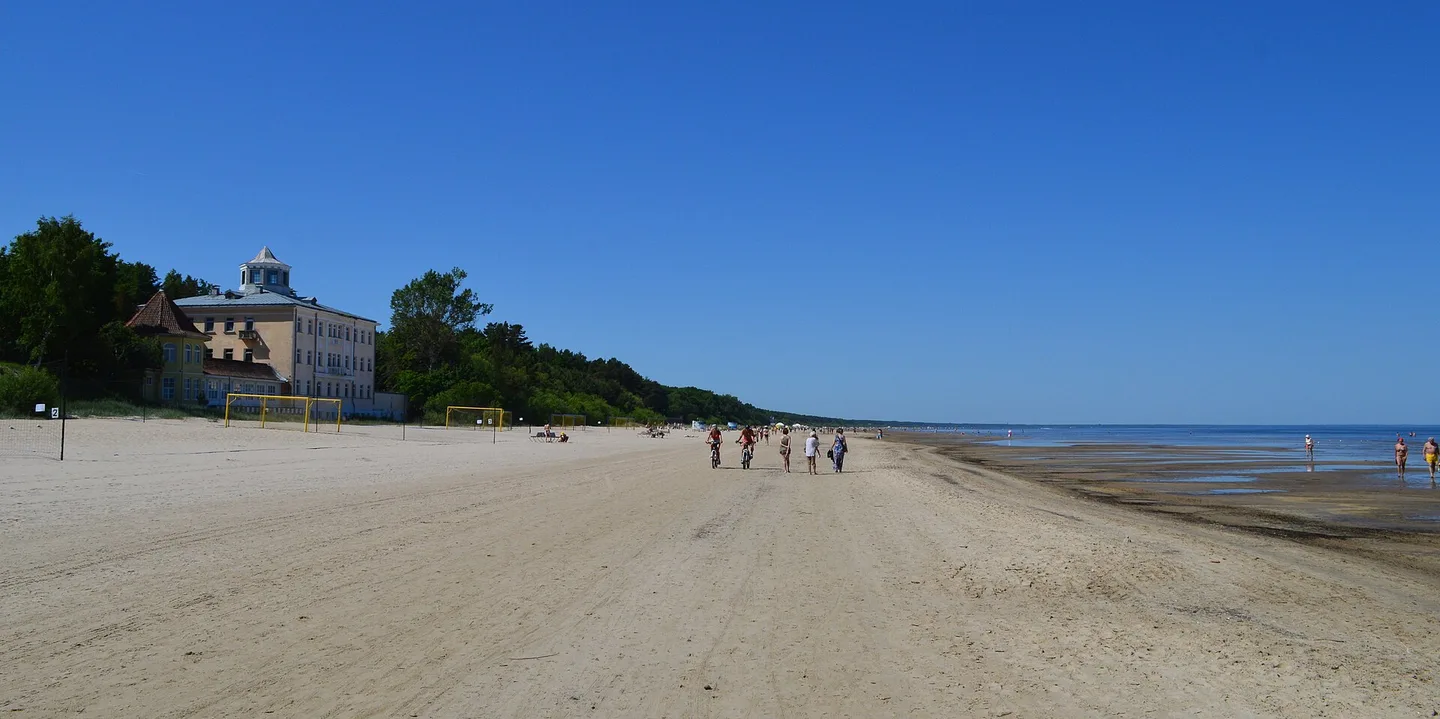
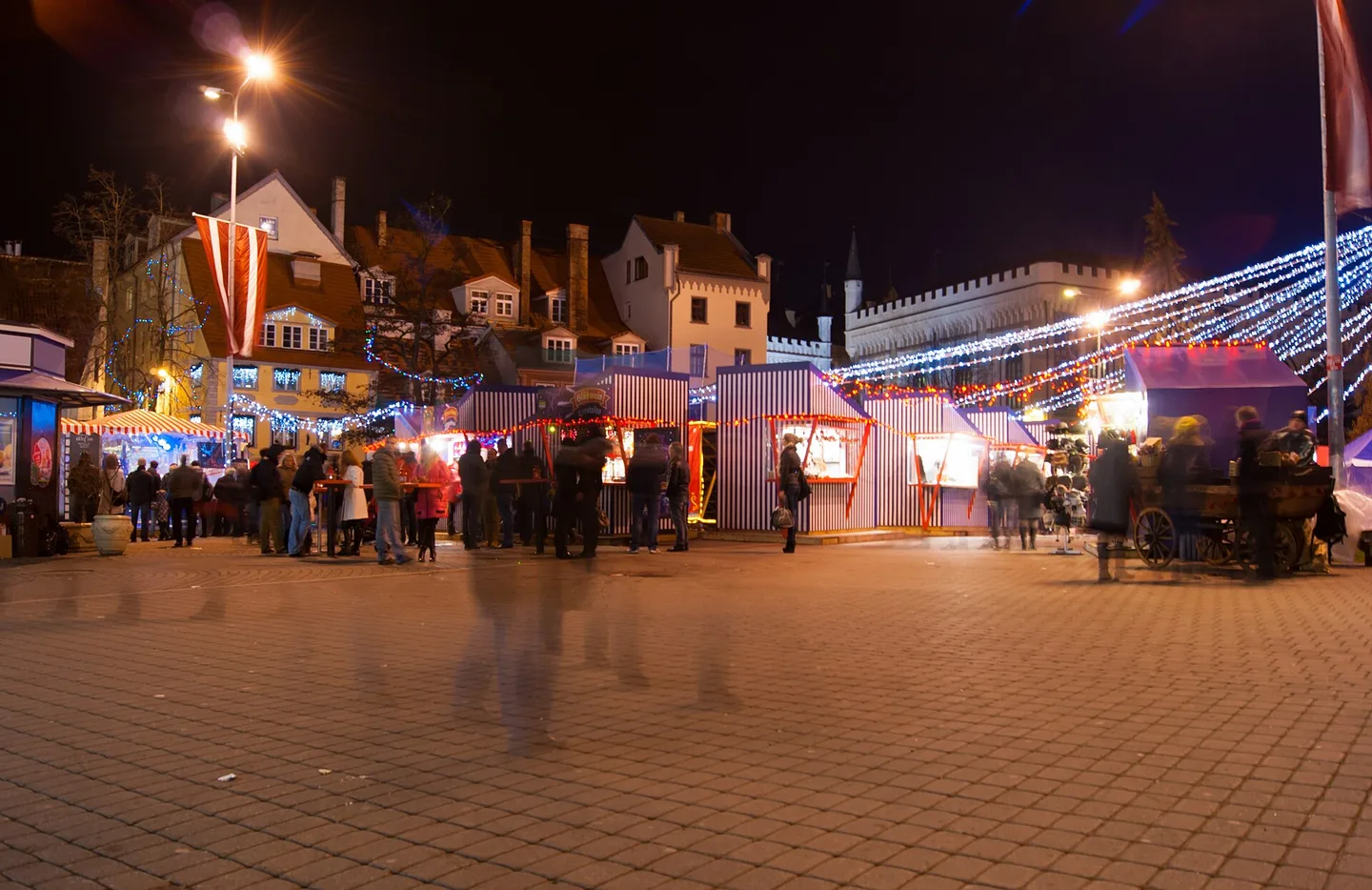
Latvians value personal space and quiet reserve in public transit and shops, opening up warmly once conversation begins. Seasonal shifts shape daily routines, from midsummer solstice gatherings under twilight skies to festive winter markets glowing with warm spiced drinks. When coastal breezes call, board a suburban train to Baltic beaches, stepping across soft sand dunes flanked by fragrant pine forests.
Local design boutiques along peaceful side streets showcase handmade amber jewellery, woven wool blankets, and glazed pottery. Choral culture remains a fundamental pillar of national identity, culminating in grand song festivals that gather thousands of singers together. Observing respectful social etiquette in shared public spaces and greeting shopkeepers politely makes for a welcoming stay.
Official prices and opening hours
- Rīgas Satiksme Buses, Trams & Airport Bus 22Official site ↗
- Riga Central Market PavilionsOfficial site ↗
Weather by month
Riga is warmest in July, with average highs around 22°C, and coldest in January, when nights drop to about -4°C. August is the wettest month by rainfall (89 mm), with rain on about 13 days. For mild weather with fewer rainy days, aim for May, June and September.
| Month | Low | Range | High | Rain | Rainy days |
|---|---|---|---|---|---|
| Jan | -4°C | 0°C | 55 mm | 13 d | |
| Feb | -3°C | 2°C | 47 mm | 10 d | |
| Mar | -2°C | 6°C | 43 mm | 11 d | |
| Apr | 2°C | 11°C | 45 mm | 11 d | |
| May | 7°C | 17°C | 53 mm | 9 d | |
| Jun | 12°C | 22°C | 69 mm | 11 d | |
| Jul | 14°C | 22°C | 88 mm | 15 d | |
| Aug | 14°C | 22°C | 89 mm | 13 d | |
| Sep | 11°C | 18°C | 64 mm | 11 d | |
| Oct | 5°C | 11°C | 74 mm | 14 d | |
| Nov | 2°C | 6°C | 58 mm | 13 d | |
| Dec | -2°C | 2°C | 51 mm | 14 d |
Averages of daily values from 2015 to 2024. Rainy days are days with at least 1 mm of rain. Source: Open-Meteo · Compare destinations by month.
Riga on the map
Every place we cover in Riga. Tap a category or pin to explore.
In-depth Riga guides
Browse the guides grouped by topic: sights, neighbourhoods, food, transport, day trips and trip planning.
Sights, Landmarks & Parks
Key monuments, viewpoints, museums and nature trails.
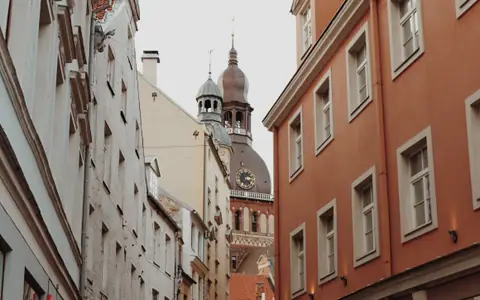 Exploring Riga: Historic Old Town, Art Nouveau Facades and Market HallsRiga balances cobblestone medieval lanes, elaborate Art Nouveau architecture, and lively market pavilions along the Daugava river.
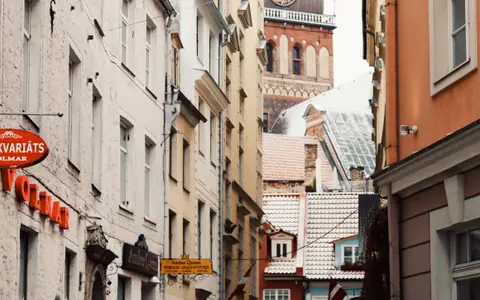 Old Town Riga: Historic Streets, Squares and Church TowersCobblestone alleys lead between medieval church spires, guild houses, and riverside squares across the protected historic centre of Riga.
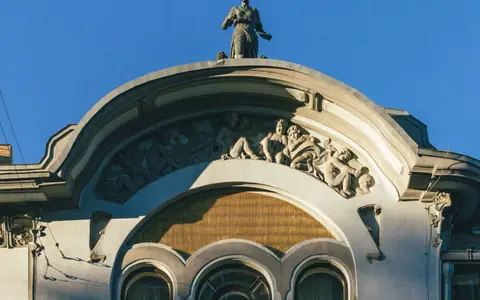 Alberta Street, Riga: Art Nouveau Facades and the Pēkšēns MuseumAlberta Street displays an exceptional cluster of decorative Art Nouveau apartment blocks, intricate plaster carvings, and preserved residential interiors in central Riga.
 Freedom Monument and Riga's City Canal: A Walk Through the Boulevard BeltWe explore the green boulevard belt connecting Riga's Old Town to the Art Nouveau quarter alongside the scenic City Canal.
Neighbourhoods & Where to Stay
Districts, historic quarters and the best bases for your stay.
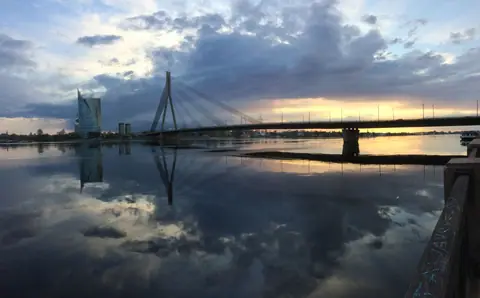 Where to Stay in Riga: Comparing Old Town, Centrs and PārdaugavaSelecting the right base in Riga shapes your daily walking routes between preserved medieval spires, leafy boulevards, and quiet riverfront parks.
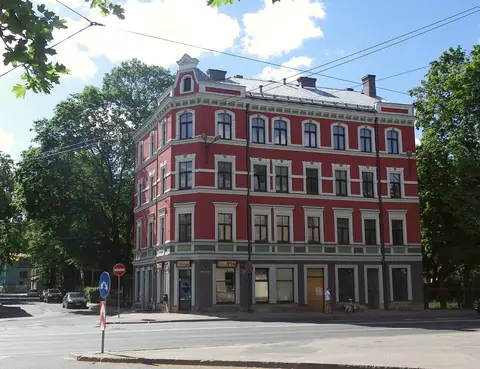 Kalnciema Quarter: Wooden Architecture and Courtyards of PārdaugavaRestored nineteenth-century timber houses and open courtyards define the distinct architectural character of Pārdaugava across the Daugava River in Riga.
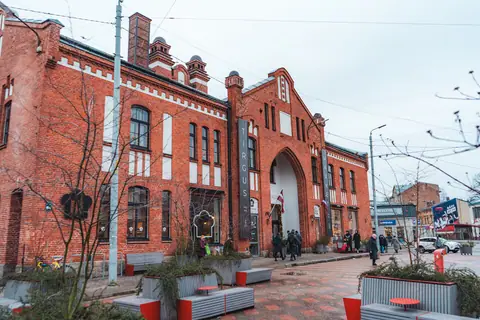 Āgenskalns and Pārdaugava: Wooden Streets and Market CultureĀgenskalns reveals the quieter Left Bank of Riga through historic timber buildings, quiet waterways, and a restored market hall.
Food & Drink
Local dishes, markets, cafés and dining districts.
 What to Eat in Riga: Rye Bread, Grey Peas and Market SpecialtiesDark sourdough rye bread, hearty grey peas with speck, and market specialities define wholesome Baltic cooking across Riga.
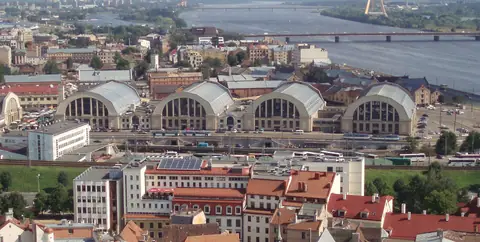 Riga Central Market and Spīķeri: Food Halls Beside the DaugavaFive historic Zeppelin hangars and restored red-brick riverfront warehouses line the Daugava in central Riga.
Getting Around & Arrival
Airport transfers, public transit, passes and driving rules.
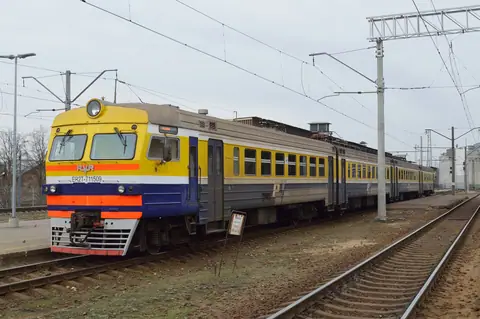 Arriving in Riga: Transit Links, Regional Rail and Coach CorridorsReaching central Riga is straightforward thanks to direct airport buses, regional train corridors, and Baltic coach terminals.
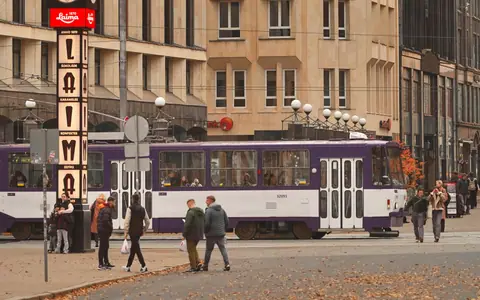 Getting Around Riga: Trams, Trolleybuses, Bus 22 and Ticket RegistrationEfficient low-floor trams, electric trolleybuses, and orbital bus lines carry passengers across the Daugava River throughout Riga.
Day Trips & Excursions
Easy half-day and full-day trips from the city.

Trip Planning & Itineraries
When to visit, what to pack and day-by-day routes.
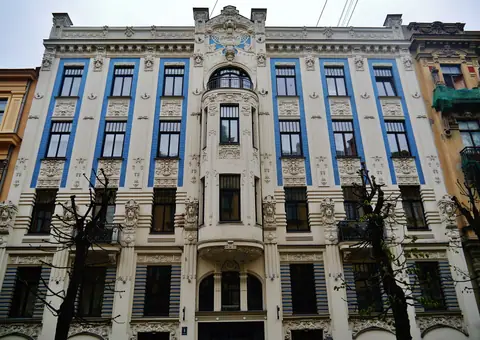 Riga: Three Historic Eras Along the DaugavaHanseatic medieval lanes, ornate northern boulevards, and quiet embankments trace the broad Daugava River across Riga.
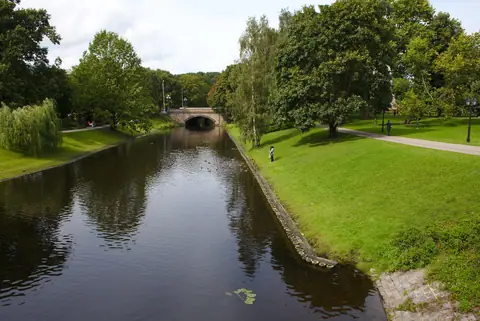 Choosing the Best Time to Visit Riga: Seasonal Walks and Baltic WeatherWe time our outdoor routes through Riga by balancing coastal daylight hours against changing seasonal conditions along the canal parkland.
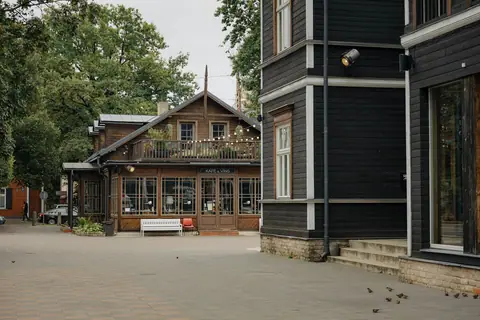 Three Days in Riga: Old Town Lanes, Art Nouveau Facades and KalnciemaThree days in Riga take you from medieval cobblestones and grand stonework to quiet wooden quarters across the Daugava.
Need your embassy or consulate in Latvia? See embassies and consulates in Latvia.
Reviews
Log in to write a review.
No reviews yet.