Photo: Wikimedia Commons · CC BY-SA
Arriving in Riga: Transit Links, Regional Rail and Coach Corridors
Reaching central Riga is straightforward thanks to direct airport buses, regional train corridors, and Baltic coach terminals.
Arriving by air places you just west of the Daugava River, where regular public transport runs directly to the city centre. Airport bus 22 operates between the passenger terminal and the old quarter, offering a simple transfer into central districts. The boarding stops sit right outside the terminal exits, giving swift access to street-level public transport without complex airport corridors.
Tickets are bought from self-service machines at the kerb or digitally via mobile transit applications before boarding. Onboard validators confirm your journey as you step inside, keeping street transport orderly and smooth. The ride crosses the Stone Bridge over the wide Daugava, revealing initial views of church spires, timber barges, and red-brick river warehouses along the embankment. Stops near Old Town and the central station let passengers step off onto level street crossings without climbing steep steps.
For travellers arriving with heavier luggage, city taxis and verified rideshare cars wait in clearly marked ranks beyond the bus bays. Late-evening arrivals often prefer taxi ranks when carrying bulky cases over damp paving slabs. Setting your drop-off point near canal-side hotels or Quiet Centre avenues prevents dragging wheeled cases across uneven cobbles. Checking luggage drop-off roads near Old Town perimeter streets keeps the transition from aircraft cabin to hotel check-in calm and predictable.
Central Rail Services and Regional Platforms
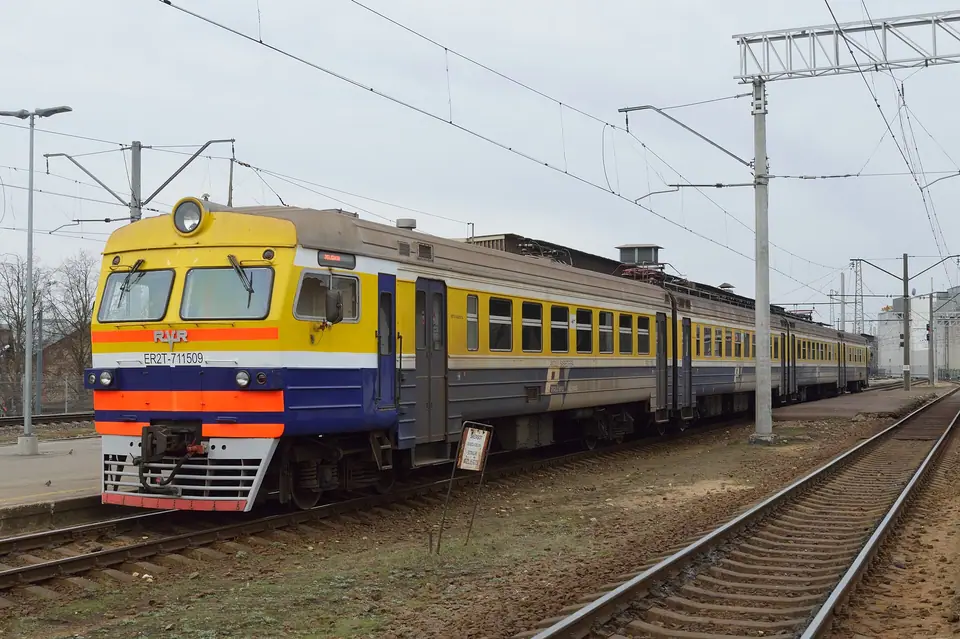
Riga Central Station functions as the primary rail hub for domestic passenger traffic across Latvia. Trains arrive from coastal resorts, eastern woodland regions, and southern border towns at open-air terminal platforms. The station complex integrates directly with retail concourses, food counters, and sheltered pedestrian tunnels beneath the adjacent main thoroughfares.
Electronic departure boards show platform numbers clearly in the main ticket hall, where staff counters and automated kiosks sell regional paper tickets. Passenger trains feature standard second-class seating, overhead racks for backpacks, and dedicated bicycle spaces near entrance doors. Ramps and lifts serve key platform corridors, aiding passengers wheeling luggage or strollers between suburban carriages and street level.
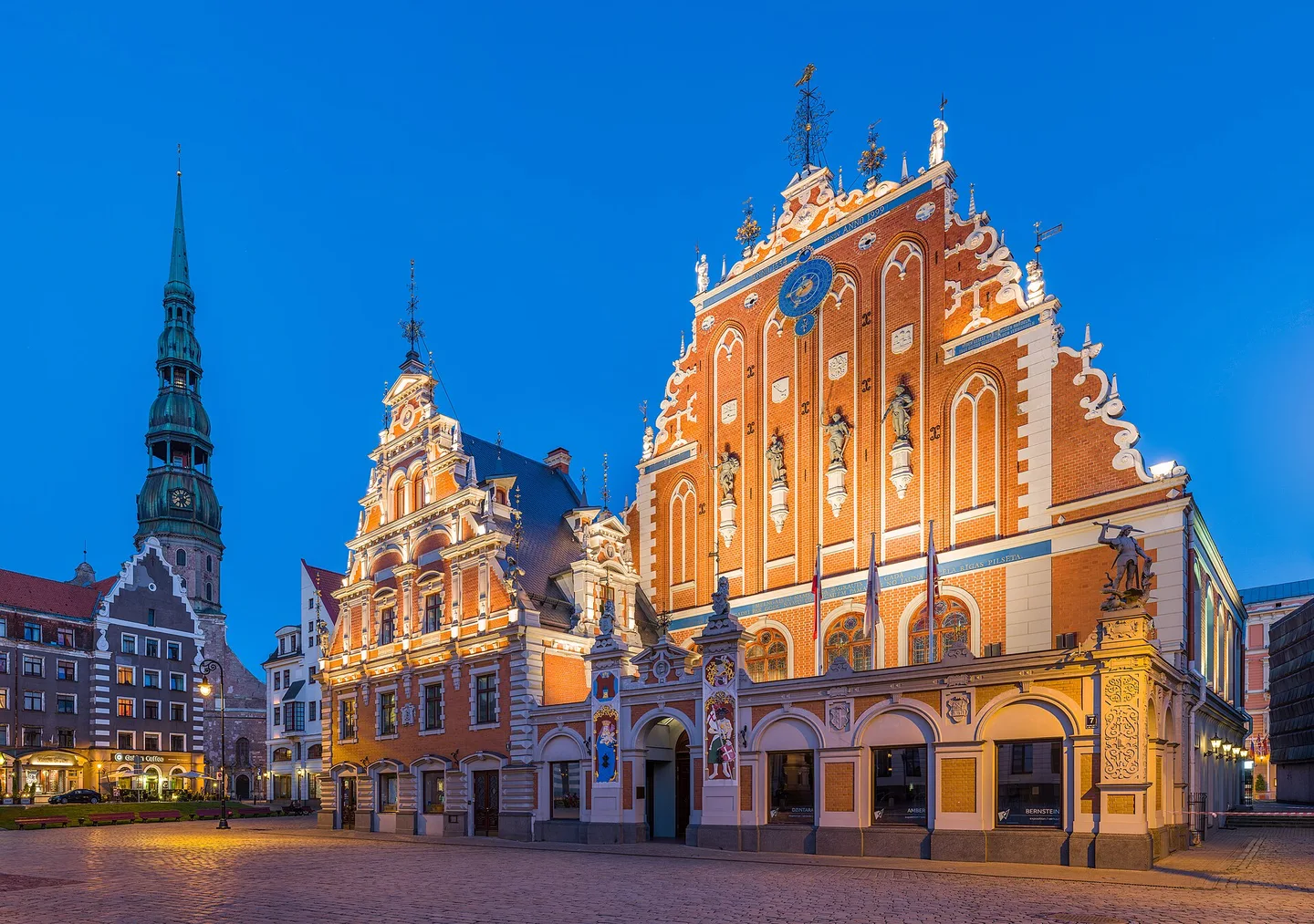
Stepping out of the main rail concourse leads straight towards canal parklands and broad tram avenues. Connecting smoothly to central tram lines lets visitors reach Old Town towers and historic market halls without long walks between regional connections.
International Coach Links Across the Baltic Corridor
Riga International Coach Terminal sits beside the city canal, only steps away from the central rail platforms and Central Market hangars. Long-distance express coaches pull in here daily from Tallinn, Vilnius, Warsaw, and smaller Baltic regional hubs. Dedicated luggage compartments beneath the passenger deck keep bags secure throughout international motorway journeys.
| Arrival Hub | Primary Connection | Connecting District |
|---|---|---|
| Riga Airport | Bus route 22 | Daugava River Embankment |
| Central Railway Station | Regional passenger trains | Canal Belt and Central Boulevard |
| International Coach Terminal | Long-distance coaches | Central Market and Old Town |
Amenities inside the bus terminal include left-luggage lockers, indoor waiting rooms, coffee stands, and printed route timetables. Stepping out of the coach doors, travellers find themselves immediately adjacent to broad pedestrian walkways leading towards historic avenues and local tram tracks.
- Coach travellers arrive directly at canal-side platforms within walking distance of central hotels.
- Local trams stop across the street, linking incoming passengers to northern residential quarters.
- Pedestrian subways offer sheltered routes beneath busy car lanes directly into the old town.
Terminal Transfers and Central Footpaths
Navigating from the rail and coach hubs into the medieval quarter involves gentle walks along level paved paths. Pedestrian crossings guide foot traffic across tram tracks towards canal bridges and stone ramparts. Cobbled lanes begin right along the historic perimeter, where through traffic remains strictly limited.
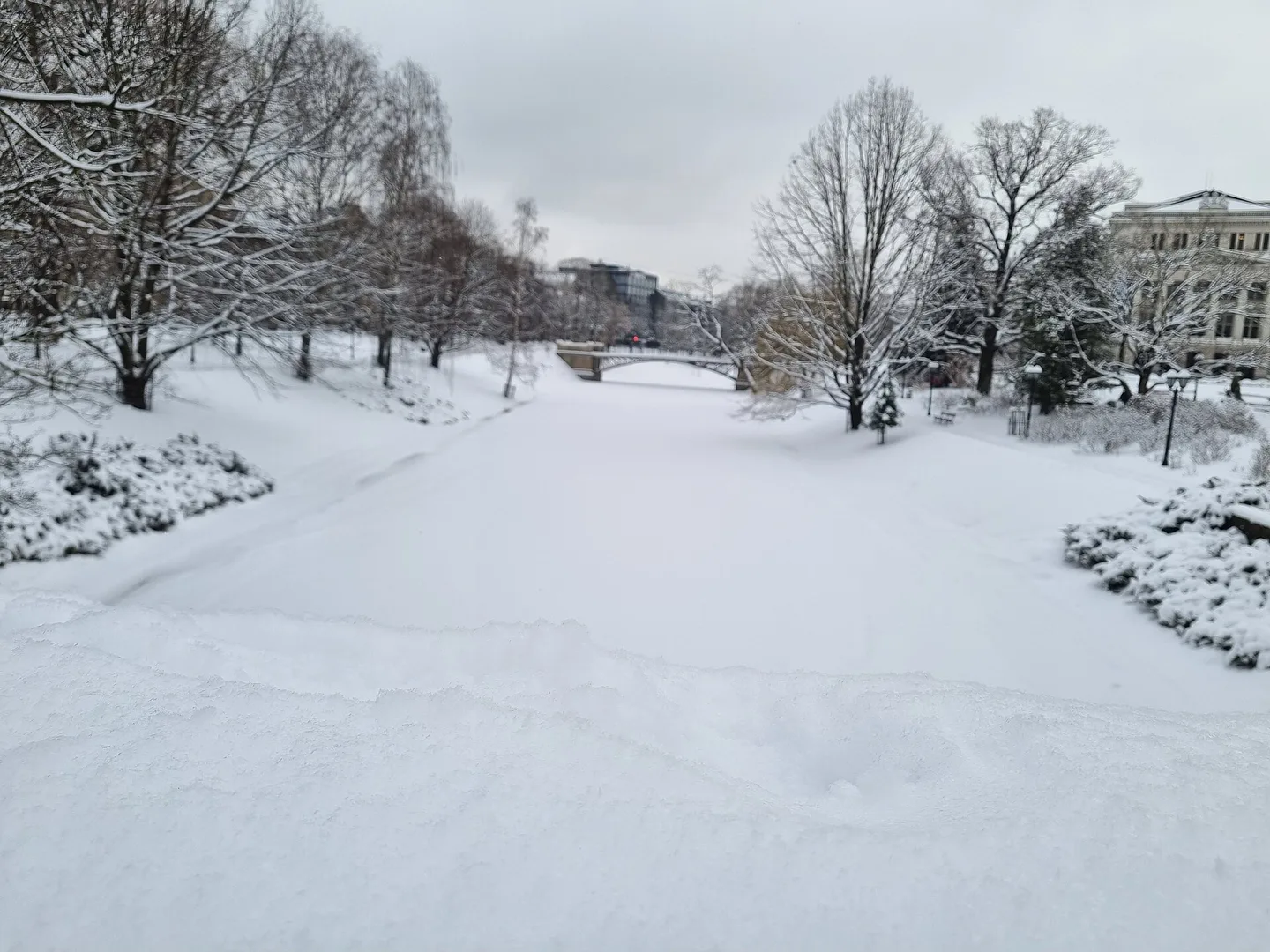
During winter months, city maintenance crews clear these central walkways and scatter grit along high-traffic pedestrian arteries. Walking remains the quickest way to traverse the historic core once you step off your incoming coach or local bus line. Crossings near the river embankment connect directly with riverside paths heading north toward Passenger Port piers and bridge approaches.
Public trams and trolleybuses skirt the perimeter of the historic streets, reaching outer museum precincts, market corners, and Pārdaugava neighbourhoods across the river bridges. Checking municipal route maps at street shelters keeps transfers clear throughout your stay in the Latvian capital.
Official prices and opening hours
- Rīgas Satiksme Buses, Trams & Airport Bus 22Official site ↗
- Riga Central Market PavilionsOfficial site ↗
Where it is
- 1Riga
- Riga International Airport (RIX) · about 9 km from Riga in a straight line
- Directions in Google Maps
Stations and taxi ranks: OpenStreetMap. Airports: OurAirports. Distances are in a straight line.
Traveller tips
Real advice from people who have been to Riga. Every tip is read by our team before it goes live.
No tips yet. Been here? Yours could be the first.
Thank you! Your tip will appear here after a quick review.
More in Riga
Continue exploring Riga with related neighbourhood, food, and planning guides

Freedom Monument and Riga's City Canal: A Walk Through the Boulevard Belt
Riga, Latvia

Jūrmala and Ķemeri Day Trips from Riga: Coast and Bogland Itineraries
Riga, Latvia
Riga: Three Historic Eras Along the Daugava
Riga, Latvia
Exploring Riga: Historic Old Town, Art Nouveau Facades and Market Halls
Riga, Latvia
