Photo: Wikimedia Commons · CC BY-SA
Riga Central Market and Spīķeri: Food Halls Beside the Daugava
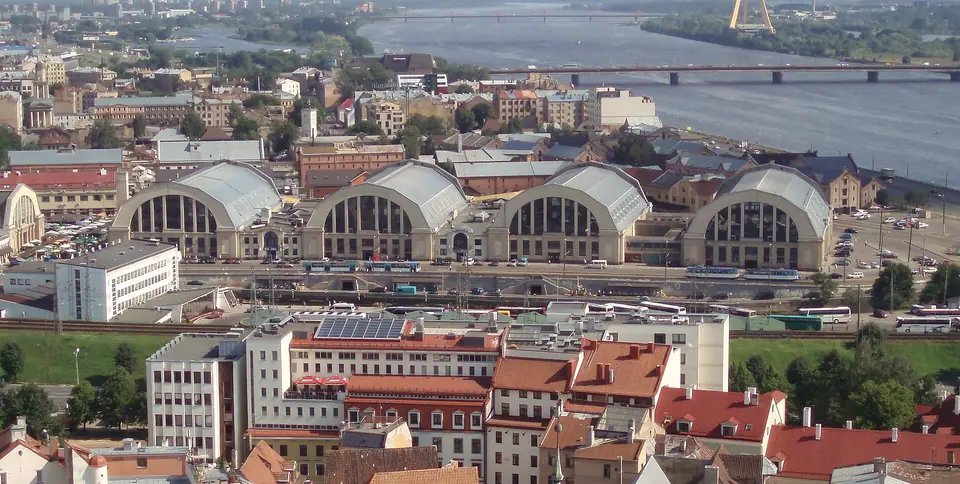
Five historic Zeppelin hangars and restored red-brick riverfront warehouses line the Daugava in central Riga.
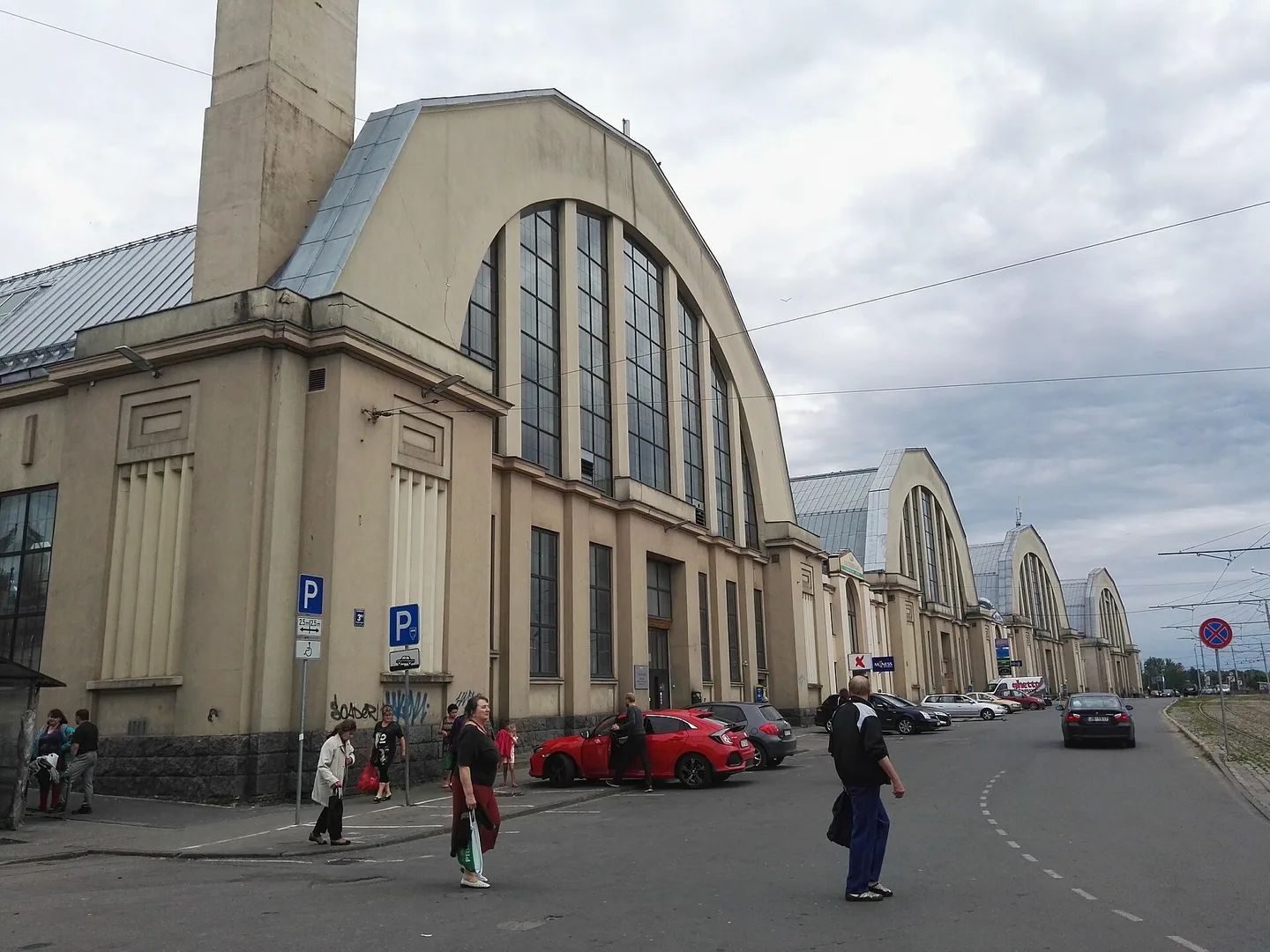
Riga Central Market stands directly south of the main railway embankment, where five massive vaulted pavilions anchor daily city trade. These arched structures were repurposed from German military airship hangars, creating one of the largest covered markets in northern Europe. Each hall maintains its own distinct culinary identity, separating fresh meats, dairy, smoked river fish, and baked rye bread into organised zones. Wandering along the interior aisles reveals mounds of seasonal dill, wild forest berries, pickled cabbage barrels, and farmhouse cheeses flavoured with caraway seeds.
Outside the vaulted halls, open-air trading lanes fill with seasonal florists, local orchard growers, and small clothing stalls. Wooden benches and service counters allow visitors to sample warm meat pasties or fried rye bread sticks with garlic sauce. The pedestrian network connects directly with urban transit stops, linking regional train platforms to canal footpaths. Transit details and pavilion logistics help shape an easy itinerary before setting off on foot.
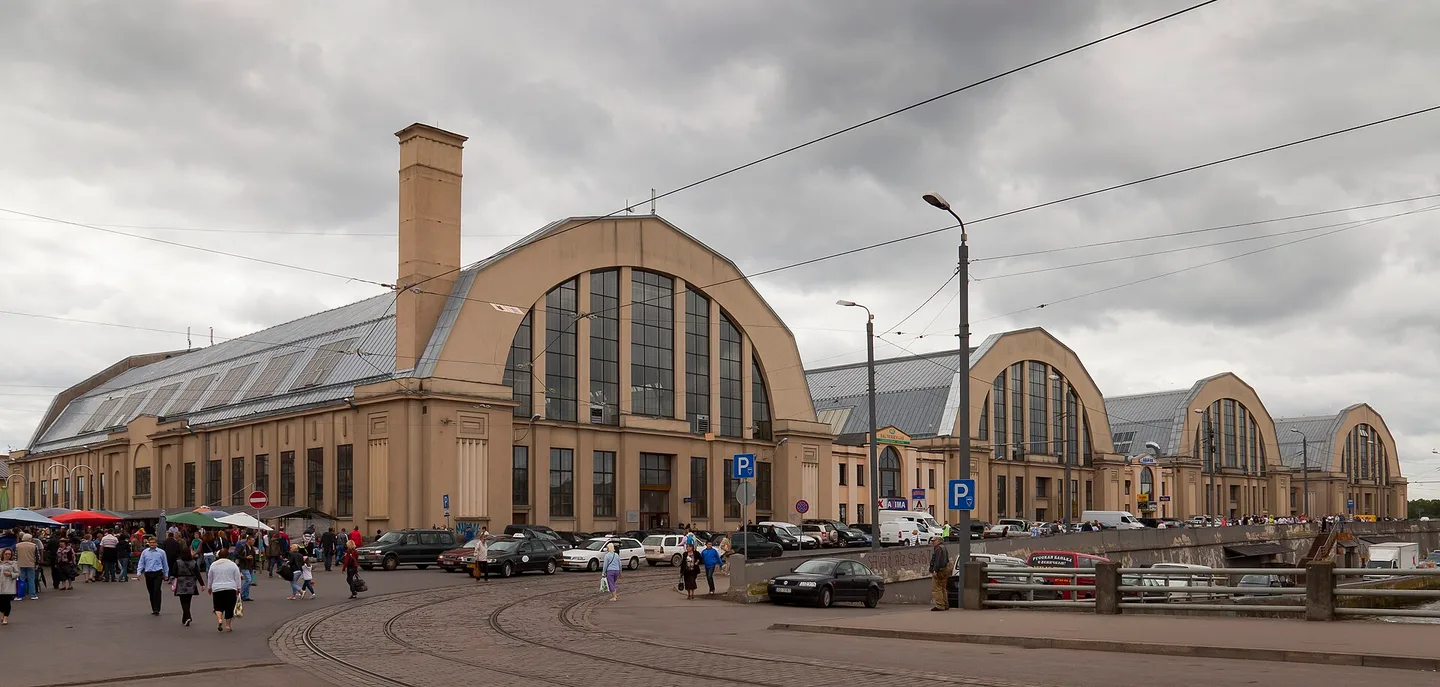
Navigating the Zeppelin Pavilions and Food Stalls
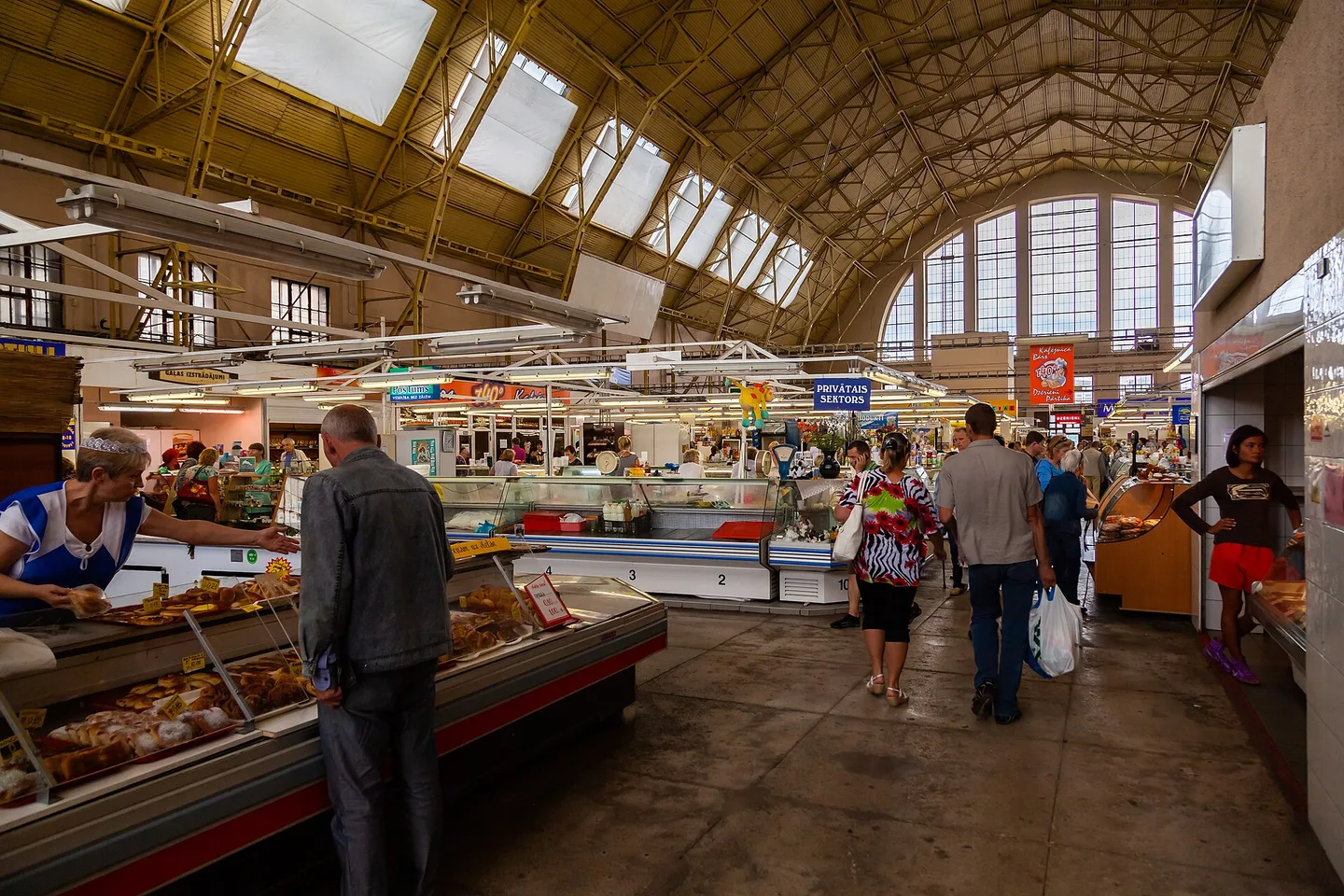
Entering the gastronomy pavilion introduces us to counters filled with smoked lampreys, Baltic herring, cured pork loin, and fresh cottage cheese. Vendors happily package thin slices of dark sourdough alongside blocks of firm butter and fragrant herbal teas gathered from regional meadows. The acoustics beneath the high metal arches create a steady rhythm of trading chatter, rustling paper bags, and shifting wooden crates.
To explore the market without feeling rushed, we recommend structuring your route through specific produce sections in a logical loop:
- Start in the dairy pavilion to sample caraway cheese wedges, sour cream pots, and fresh curd desserts.
- Walk through the fish pavilion where chilled glass cases showcase local smoked catfish, sprats, and river trout.
- Browse the open perimeter tables for wild chanterelles, cranberries, and honey jars from regional forest apiaries.
- Finish at the bakery stalls to collect crusty loaves of sweet sourdough and cardamom buns for riverbank snacks.
The interior layout remains intuitive because wide thoroughfares separate individual halls from outdoor loading bays. When gathering picnic supplies for an afternoon walk, these counters offer authentic tastes of regional agriculture at steady local quality.
From Market Aisles to the Spīķeri Quarter
Stepping past the southern edge of the market halls brings us directly into the Spīķeri creative quarter. This compact neighbourhood features nineteenth-century red-brick warehouses that once stored cargo shipped along the Daugava trade network. Careful restoration projects converted these industrial storehouses into contemporary art galleries, indie performance halls, and open courtyards where local cultural events gather.
The brick facades display sturdy northern classicism, framed by cobble lanes and iron fire escapes that contrast with the market pavilions. Independent coffee roasters and bistro tables now occupy former loading bays, offering quiet spaces away from shopping crowds. Connecting market visits with Spīķeri gives a broader view of how former commercial infrastructure adapts into modern civic space.
Promenade Strolls Along the River Daugava
From the warehouse alleys of Spīķeri, a broad pedestrian underpass leads safely beneath the coastal road to the river promenade. Here, the wide expanse of the Daugava opens up, offering clear sightlines across to the left bank and modern suspension bridges. Paved cycling tracks, hardwood benches, and stepped stone embankments encourage visitors to pause and watch passing river barges and commuter ferries.
Walking northwest along this waterfront trail leads smoothly toward the edge of Old Town, passing beneath the railway bridge arches. Linking your market shopping with river sights complements classic medieval squares and canal parks across historic quarters. The waterfront path remains largely level, giving smooth access for families, casual joggers, and photographers seeking open maritime horizons.
Seasonal Adjustments and Practical Neighbourhood Access
Weather patterns shape how we experience this riverfront trading district throughout the changing Baltic year. Winter cold makes the heated pavilions welcoming retreats, where hot tea stalls and steaming soup counters warm chilly fingers. Conversely, summer brings overflowing fruit stalls outdoors, filling the air with sweet scents of strawberries, sweet cherries, and fresh garden herbs.
Transit access remains convenient due to nearby tram corridors and the main railway hub. Checking bus 22 and central station rail links clarifies regional transfers when mapping morning arrivals. Cobblestones around Spīķeri can prove slippery during damp autumn mornings, making supportive flat walking shoes your best choice. Combining market browsing with riverfront walks lets visitors experience one of the most grounded public spaces in the Latvian capital.
Official prices and opening hours
- Rīgas Satiksme Buses, Trams & Airport Bus 22Official site ↗
- Riga Central Market PavilionsOfficial site ↗
Where it is
- 1Riga
- Riga International Airport (RIX) · about 9 km from Riga in a straight line
- Directions in Google Maps
Stations and taxi ranks: OpenStreetMap. Airports: OurAirports. Distances are in a straight line.
Traveller tips
Real advice from people who have been to Riga. Every tip is read by our team before it goes live.
No tips yet. Been here? Yours could be the first.
Thank you! Your tip will appear here after a quick review.
More in Riga
Continue exploring Riga with related neighbourhood, food, and planning guides