Photo: Wikimedia Commons · CC BY-SA
Three Days in Riga: Old Town Lanes, Art Nouveau Facades and Kalnciema
Three days in Riga take you from medieval cobblestones and grand stonework to quiet wooden quarters across the Daugava.
Day One: Medieval Cobblestones, Hidden Courtyards and Quiet Canals
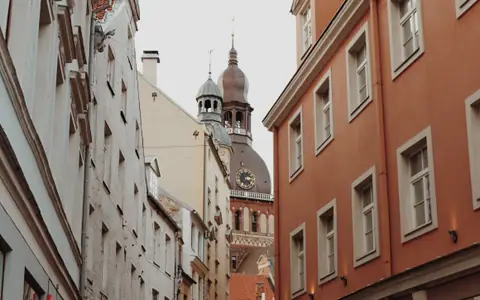
We begin our first morning among the narrow streets of the historic core. Centuries of trade shaped tall merchant warehouses and church spires across this quarter.
Cobblestone paths twist past red-roofed guild halls and secluded residential courtyards. Quiet squares echo as bells ring steadily across tall stone facades.
Morning light strikes high brick towers, guiding footpaths toward ancient ramparts that once protected the settlement from regional invaders.
Walking along these winding alleys reveals compact doorways and sculpted heraldic crests. Quiet passages connect smaller lanes directly to broader trading plazas.
Before boarding public transport or continuing across town, travellers often check how to get there to coordinate local transfers without delay.
Taking time to step away from main lanes brings you into peaceful courtyards filled with small artisan workshops and benches.
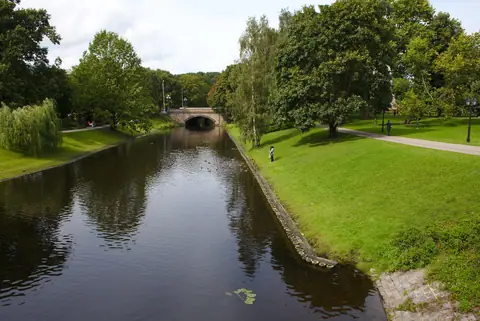
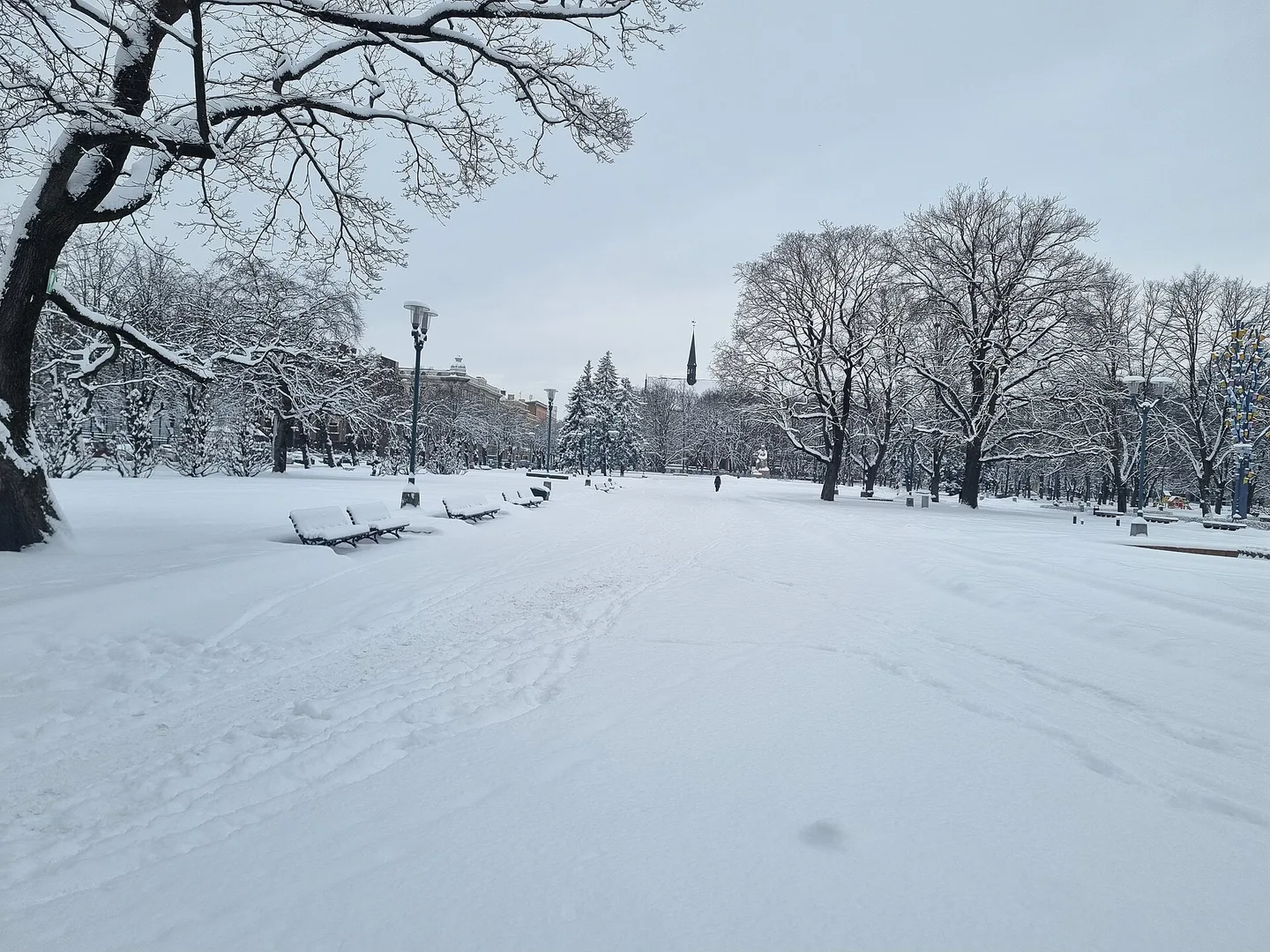
As afternoon settles across town, we wander eastward toward the gentle canal ring that separates medieval lanes from nineteenth-century boulevards.
Lime trees shade well-maintained gravel pathways where ducks drift past decorative footbridges and historic park pavilions.
It is a pleasant space to pause on wooden benches, observe local rhythms, and watch rowboats glide across still water.
Day Two: Quiet Park Belts, Grand Facades and Market Halls
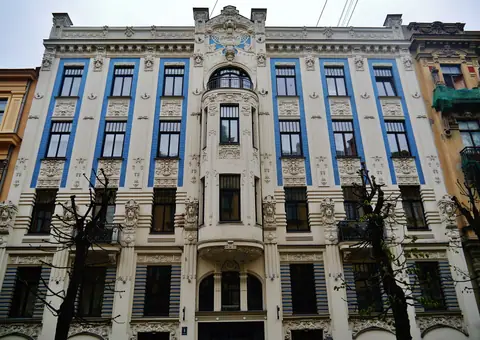
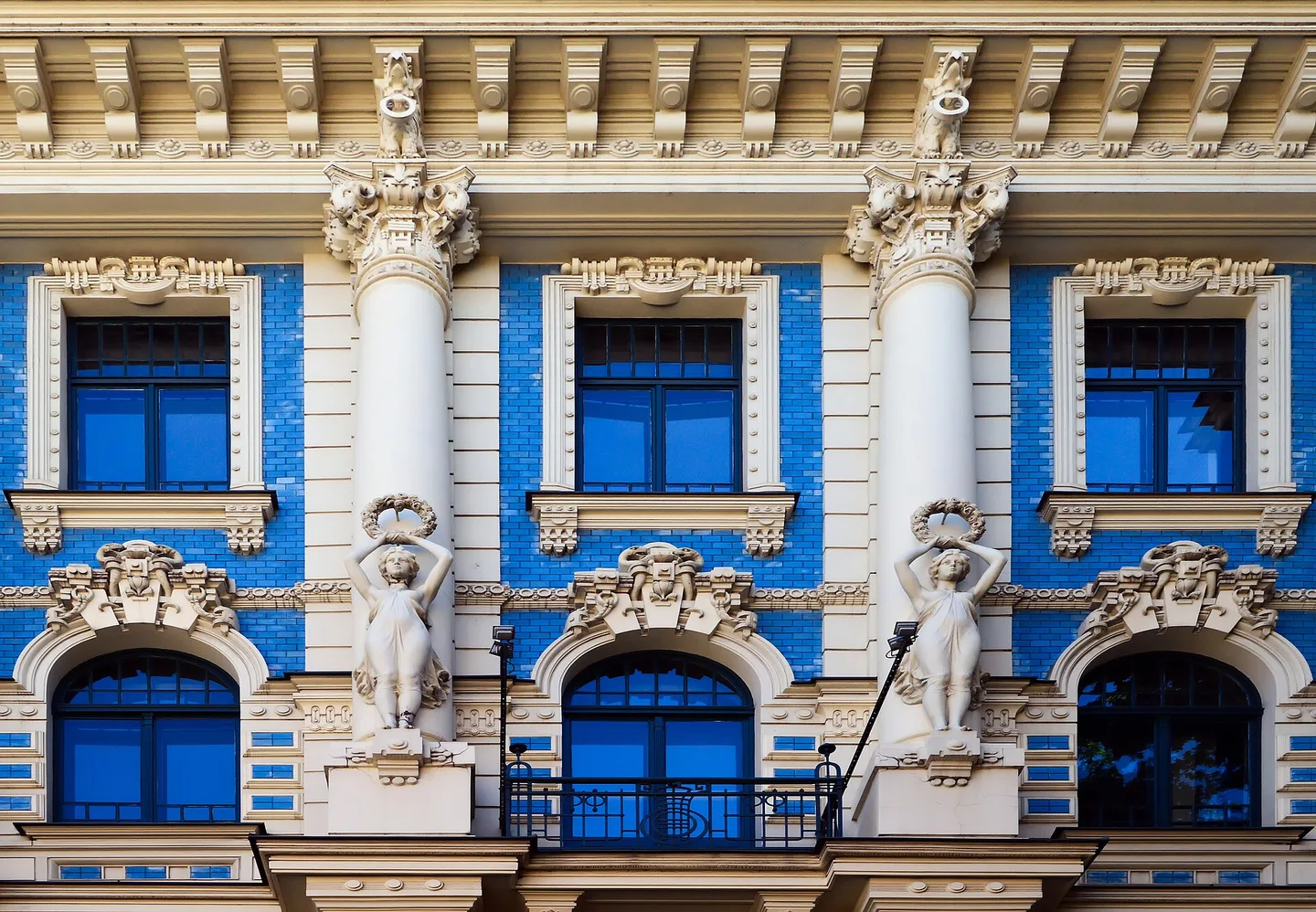
Our second morning leads north into the Quiet Centre. This district is famous for ornate residential buildings constructed during a massive urban building boom.
Strolling down Alberta iela and neighbouring avenues presents towering stone bay windows carved with floral motifs, mythical beasts, and expressive human faces.
Looking upward reveals symmetrical balconies, blue ceramic tiles, and intricate wrought-iron railings that frame leafy residential streets.
Architectural detail dominates every facade, rewarding slow walks with continuous discoveries tucked into cornices and stone architraves.
Visitors studying seasonal weather patterns consult the best time to visit to pick clear days suited for outdoor architectural photography.
Sunlight brings out delicate plaster reliefs and deep shadows that highlight the extraordinary craft of local stonemasons.
By midday, we walk south toward the sweeping riverbank and approach the historic vaulted market pavilions.
Cavernous hangars hum with daily life as vendors arrange smoked river fish, dark rye loaves, wild berries, and fresh farmhouse cheeses.
The airy halls allow visitors to sample traditional Baltic flavours directly from local producers, presenting a grounded taste of everyday community trade.
Day Three: Wooden Architecture Across the Daugava and River Islands
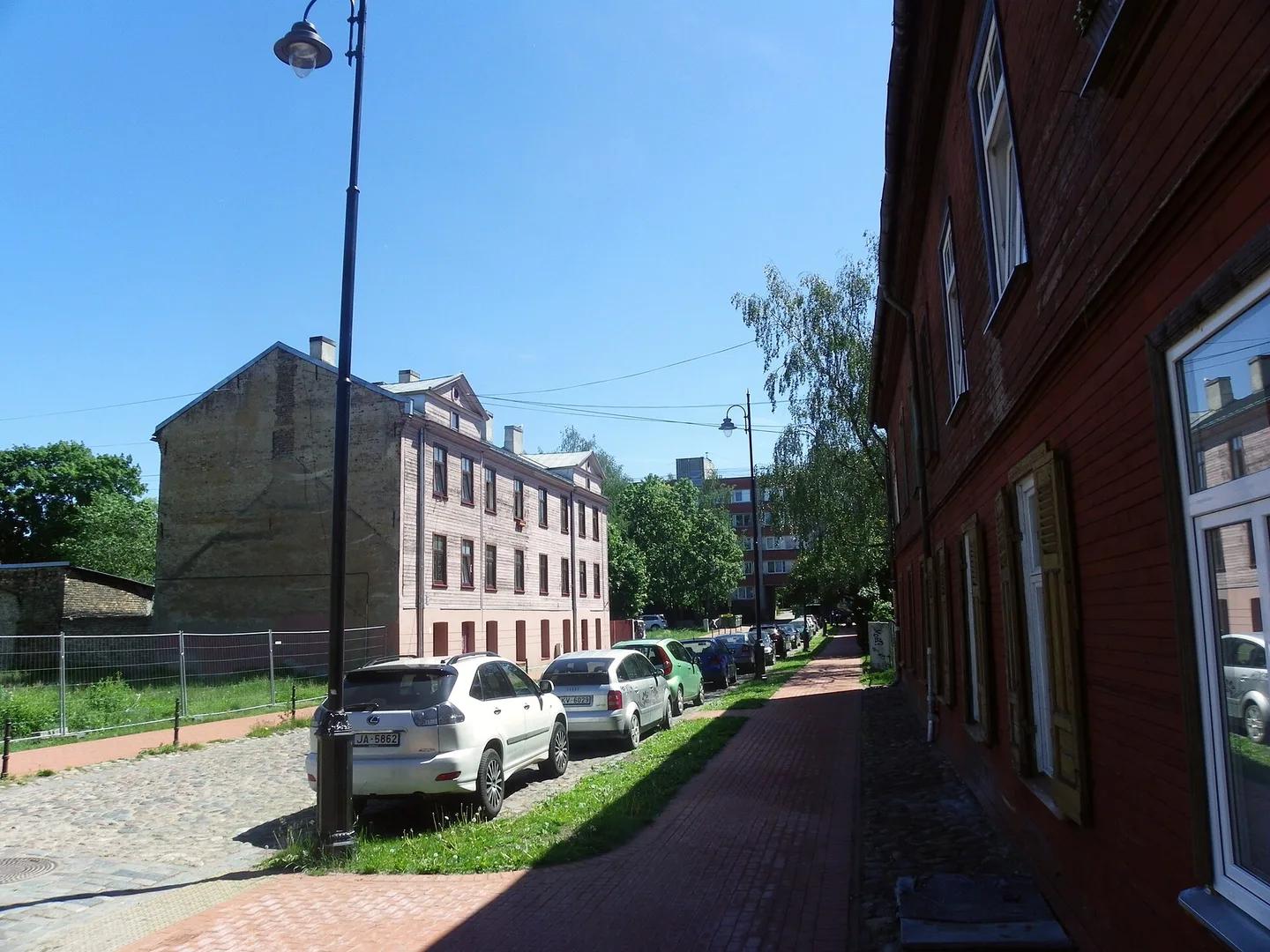
On the final day, we cross the wide Daugava River to explore Pardaugava and the distinctive Kalnciema Quarter.
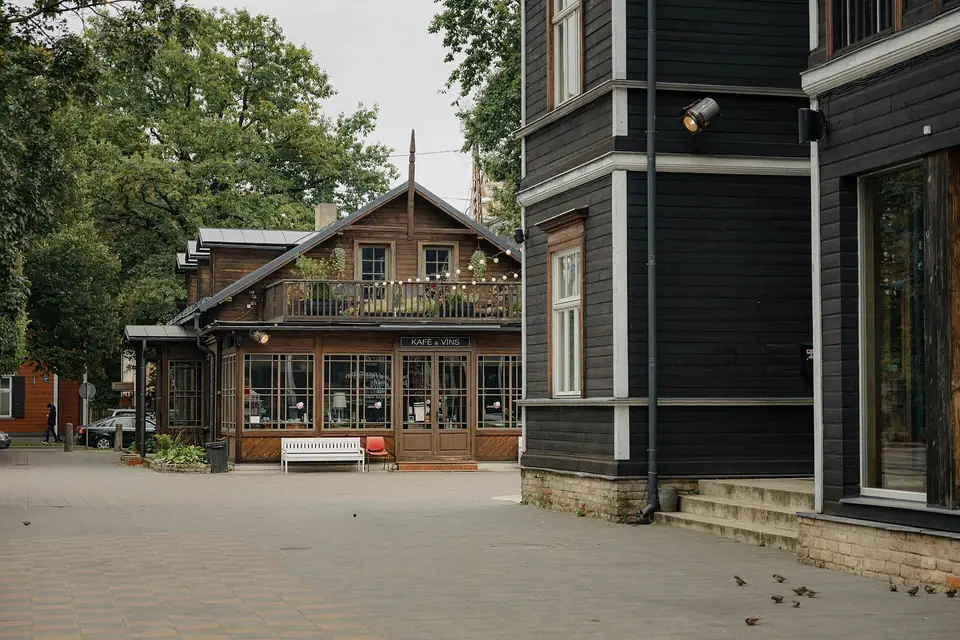
This peaceful district preserves two-storey wooden homes painted in muted ochre, sage, and pale grey, surrounded by leafy domestic apple orchards.
Gravel lanes weave between restored nineteenth-century timber properties that now house artisan workshops, independent cafes, and small community galleries.
The atmosphere here contrasts sharply with the stone grandeur of central districts, offering an unhurried glimpse of residential heritage.
Walking past clapboard verandas, hand-carved window frames, and picket fences reveals how timber builders created enduring family homes beside river flats.
Gentle footpaths lead through tranquil neighbourhood pockets where modern city noise fades into rustling leaves and garden birdsong.
In the late afternoon, we walk toward the quiet island paths along the river to watch the sunset illuminate the city skyline.
Long shadows stretch across the water, catching the slender spires of churches and the broad stone bridges that bind the riverbanks together.
It forms a relaxed, reflective end to three days spent walking through diverse architectural chapters.
Three-Day Route Overview Across Riga Neighbourhoods
Organising three days across distinct urban zones helps balance dense sightseeing walks with open riverside strolls.
The following breakdown outlines the primary focus, key terrain, and recommended walking pace for each day of the journey.
| Day | Primary Focus | Key Terrain | Walking Pace |
|---|---|---|---|
| Day One | Historic Core and Canal Parks | Cobblestone alleys and park paths | Moderate walking pace |
| Day Two | Quiet Centre and Market Pavilions | Paved boulevards and covered halls | Unhurried visual pace |
| Day Three | Pardaugava and Kalnciema Timber Quarter | Gravel lanes and open riverbanks | Gentle stroll |
Following this balanced sequence allows you to experience the medieval core, grand stone avenues, and quiet timber suburbs without feeling rushed.
You can easily adjust your pace according to daylight and personal curiosity while discovering the changing character of each district.
Official prices and opening hours
- Rīgas Satiksme Buses, Trams & Airport Bus 22Official site ↗
- Riga Central Market PavilionsOfficial site ↗
Where it is
- 1Riga
- Riga International Airport (RIX) · about 9 km from Riga in a straight line
- Directions in Google Maps
Stations and taxi ranks: OpenStreetMap. Airports: OurAirports. Distances are in a straight line.
Traveller tips
Real advice from people who have been to Riga. Every tip is read by our team before it goes live.
No tips yet. Been here? Yours could be the first.
Thank you! Your tip will appear here after a quick review.
More in Riga
Continue exploring Riga with related neighbourhood, food, and planning guides