Exploring Riga: Historic Old Town, Art Nouveau Facades and Market Halls
Riga balances cobblestone medieval lanes, elaborate Art Nouveau architecture, and lively market pavilions along the Daugava river.
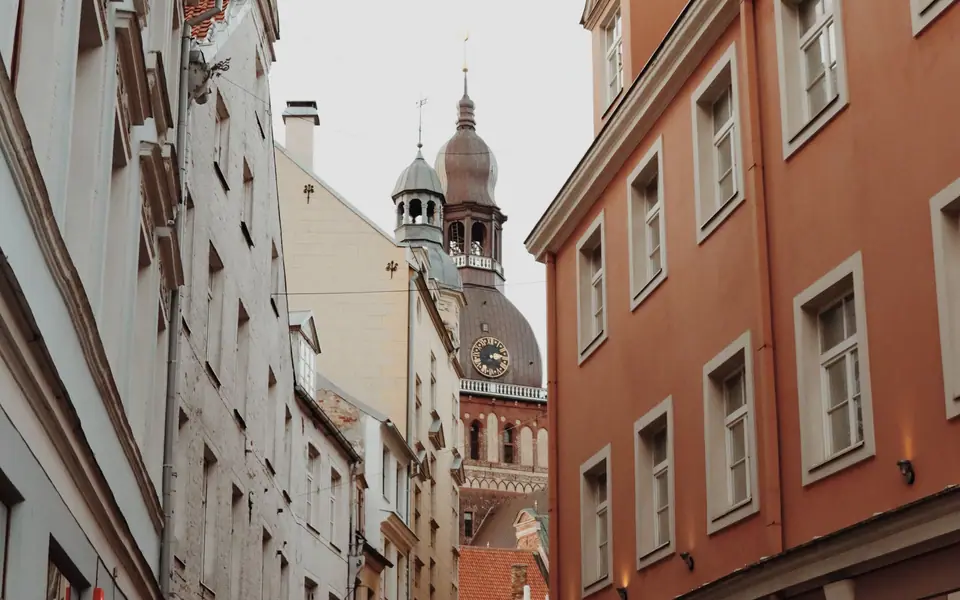
Old Riga presents a dense network of cobblestone streets winding past former merchant warehouses, quiet enclosed courtyards, and tall brick church spires. Walking through the medieval core reveals centuries of Hanseatic trading heritage preserved within compact pedestrian blocks and broad public squares. Dome Square anchors the historic quarter, framed by grand administrative facades, the red-brick Dome Cathedral cloister, and outdoor cafe tables during warmer months.
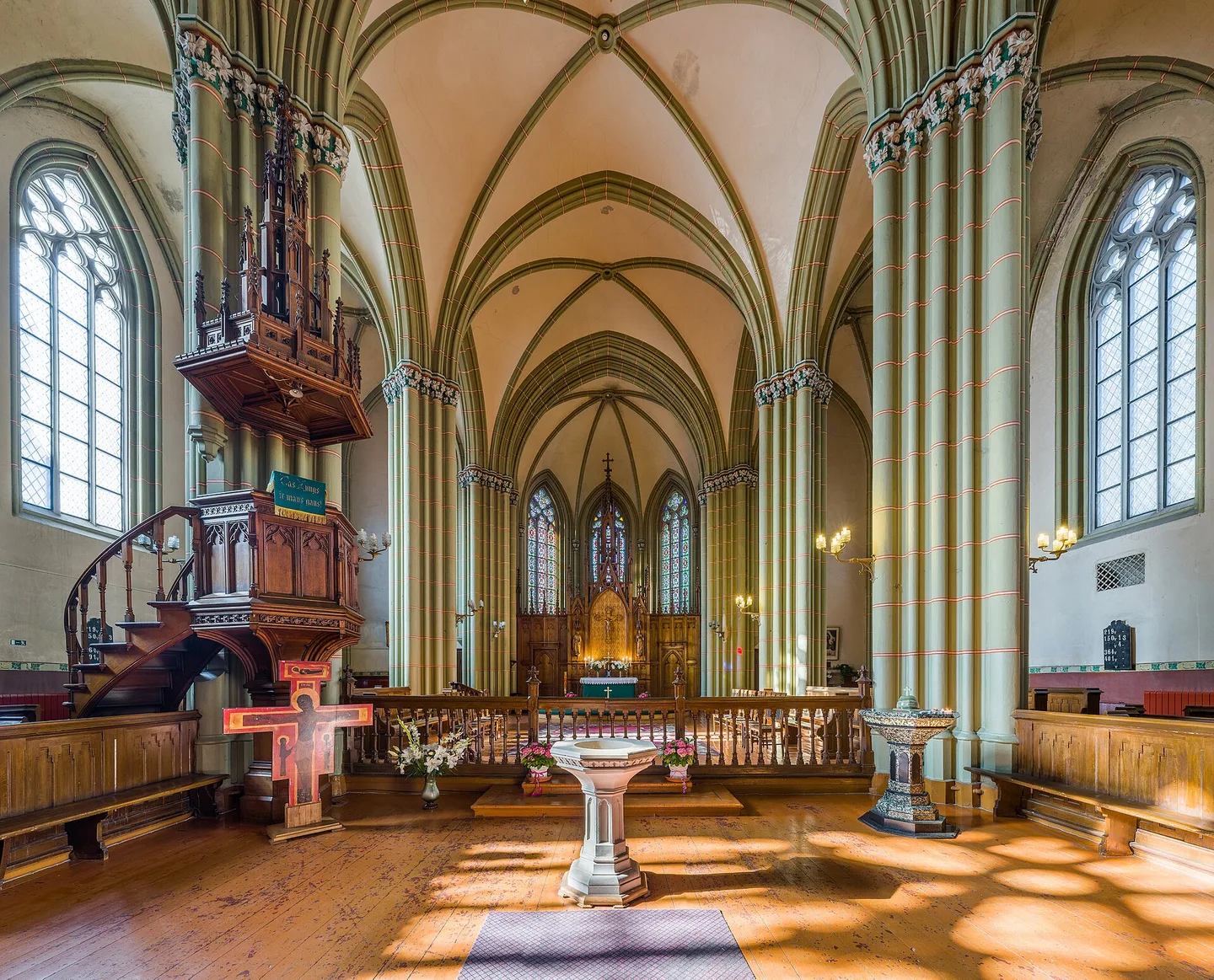
A brief walk south leads to Saint Peter Church, famous for its slender spire looking over red-tiled roofs and bends in the Daugava River. Nearby Town Hall Square centres around the stepped Dutch Renaissance gables of the reconstructed House of the Black Heads, where gilded reliefs and stone portals recall medieval merchant guilds. Further north, cobbled alleys pass the surviving Swedish Gate, the narrow Three Brothers townhouses from sequential centuries, and the seventeenth-century brick powder magazine. Checking airport bus and central rail links first keeps your step onto these historic stones smooth.
Art Nouveau Walks Through the Quiet Centre
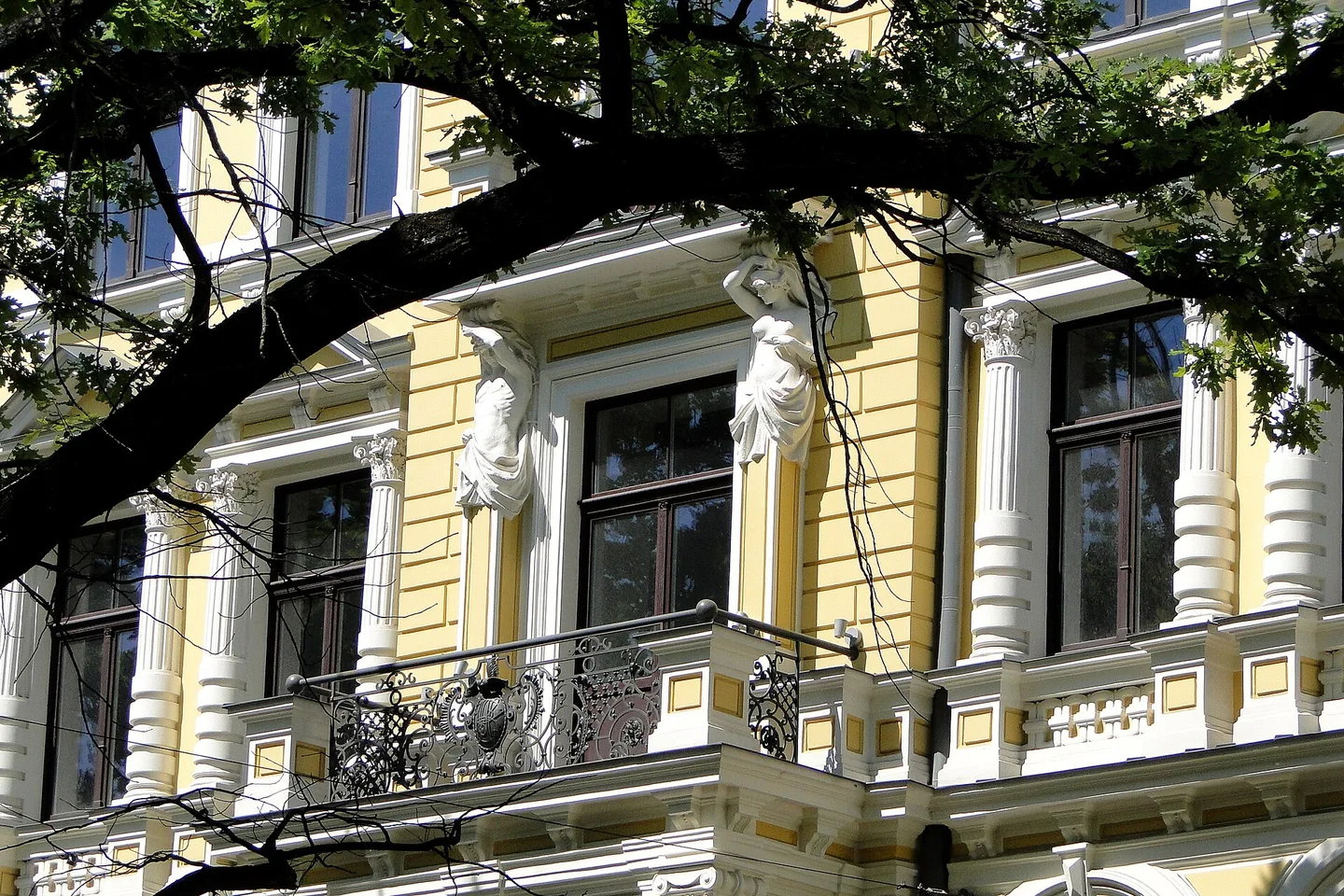
Stepping out of the medieval walls across the tree-lined canal parklands leads straight into Riga's Quiet Centre. Late nineteenth-century growth financed bold apartment blocks rich in carved mythology, curved balconies, and botanical stonework. Alberta Street holds the highest concentration, with glazed blue brickwork, sculpted sphinxes, and expressive stone faces watching over broad pavements.
Parallel Elizabetes Street and neighbouring Strēlnieku Street showcase matching residential ornament alongside leafy side streets leading past foreign embassies. Inside number 12 on Alberta Street, visitors can climb the restored spiral staircase of the Art Nouveau Centre to see original stoves, stained glass, and early twentieth-century rooms. Early morning walks keep pavements quiet before larger tour groups gather outside the facades. Basing yourself in nearby avenues covered under Old Town and Quiet Centre lodgings places these architectural streets right outside your door.
Market Hangars and Riverfront Culture
South of the railway line, five vaulted halls house Riga Central Market beside the city canal and coach station. Built originally as German zeppelin hangars during the First World War, these massive steel-framed pavilions now hold one of northern Europe's busiest food halls. Each structure focuses on a dedicated trade, making it straightforward to browse distinct counters cleanly.
- Fish Pavilion: counters piled with cold-smoked salmon, Baltic herring, sprats, and lampreys.
- Meat Pavilion: regional smoked sausages, bacon speck, and cured cuts from local butchers.
- Dairy Pavilion: fresh curd cheeses, sour cream, butter tubs, and Latvian caraway wheels.
- Vegetable Pavilion: barrels of pickled cucumbers, fermented cabbage, and seasonal berries.
Residents shop here early for farm eggs, dark sourdough rye bread baked in wood-fired ovens, and wild honey in glass jars. Outdoor squares between the hangars fill with seasonal flower stalls, woodland mushrooms in autumn, and knitted woollen socks ahead of cold weather. Many visitors sample warm speķa pīrāgi pastries straight from bakery counters before strolling along the nearby riverfront promenade. Traditional cellar dining houses scattered back inside the medieval quarter showcase heartier hot dishes such as boiled grey peas tossed with crisp onions.
Canal Parklands and Cross-River Walks
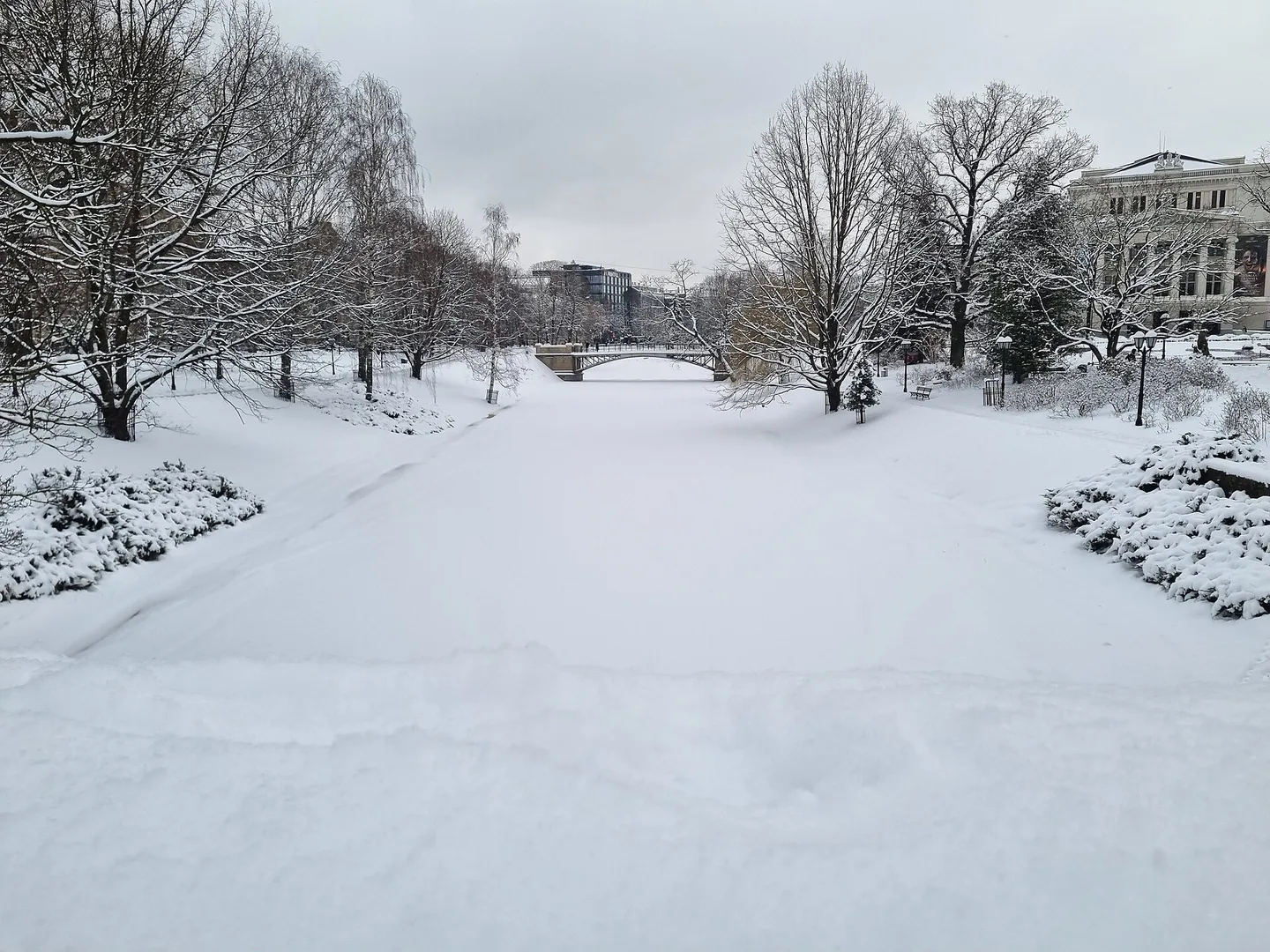
Between Old Riga and the Quiet Centre curves Bastejkalns, a landscaped park built along the city's former defensive moat. Gravel footpaths wind over stone footbridges past weeping willows and low waterfalls descending toward the Freedom Monument square. Small open wooden boats cruise smoothly along the canal during mild summer weather, passing beneath street bridges between Opera Gardens and Kronvalda Park.
Across the wide stone and iron bridges in Pārdaugava, Kalnciema Quarter preserves nineteenth-century timber homes beside relaxed neighbourhood cafés and weekend craft yards. Nearby Āgenskalns Market showcases vaulted brick stalls recently restored with local eateries and farm goods. Further west along the suburban railway line, pine coastal parks lead directly onto wide Baltic beaches at Jūrmala. Seasonal weather changes what works best outdoors: crisp winter mornings turn church spires and canal banks bright white, requiring grippy shoes on icy cobbles. Long summer twilight encourages late evening river walks, so matching outings to monthly temperatures and daylight guidance helps pack appropriately across the year. Boat piers below Stone Bridge also launch quiet sightseeing cruises along the lower Daugava during mild summer afternoons, offering elevated views of Old Town towers.
Official prices and opening hours
- Rīgas Satiksme Buses, Trams & Airport Bus 22Official site ↗
- Riga Central Market PavilionsOfficial site ↗
Where it is
- 1Riga
- Riga International Airport (RIX) · about 9 km from Riga in a straight line
- Directions in Google Maps
Stations and taxi ranks: OpenStreetMap. Airports: OurAirports. Distances are in a straight line.
Traveller tips
Real advice from people who have been to Riga. Every tip is read by our team before it goes live.
No tips yet. Been here? Yours could be the first.
Thank you! Your tip will appear here after a quick review.
More in Riga
Continue exploring Riga with related neighbourhood, food, and planning guides

What to Eat in Riga: Rye Bread, Grey Peas and Market Specialties
Riga, Latvia
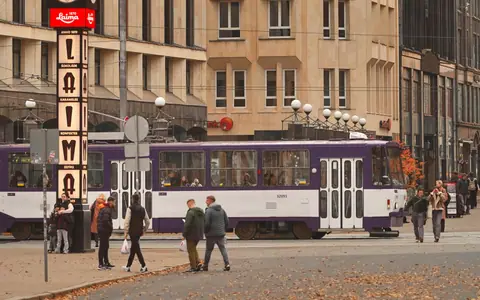
Getting Around Riga: Trams, Trolleybuses, Bus 22 and Ticket Registration
Riga, Latvia
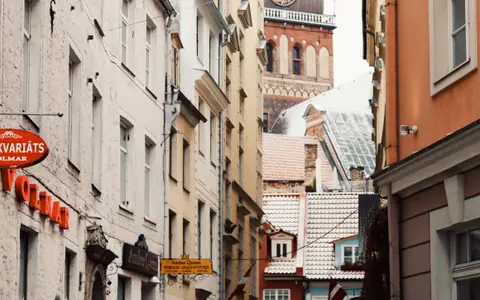
Old Town Riga: Historic Streets, Squares and Church Towers
Riga, Latvia
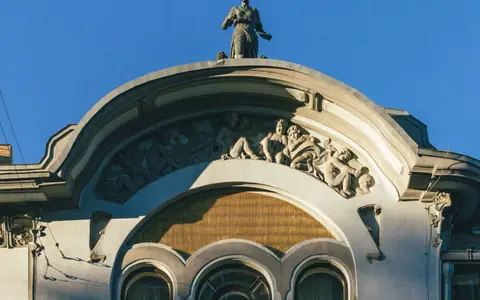
Alberta Street, Riga: Art Nouveau Facades and the Pēkšēns Museum
Riga, Latvia
