Photo: Wikimedia Commons · CC BY-SA
Riga: Three Historic Eras Along the Daugava
Hanseatic medieval lanes, ornate northern boulevards, and quiet embankments trace the broad Daugava River across Riga.
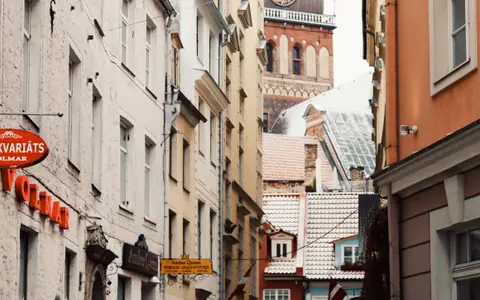
Riga rewards travellers who explore its streets on foot, beginning along the cobblestones of the Old Town, known locally as Vecrīga. The historic core grew beside the wide Daugava River, forming a protected Hanseatic trading station with tightly wound lanes and compact public squares. We can trace centuries of mercantile wealth as we wander between restored guildhalls, tall spires, and quiet residential passages. Exploring early in the morning lets us appreciate the preserved brick facades before delivery vans and walking groups arrive.
Navigating the Medieval Heart of Vecrīga
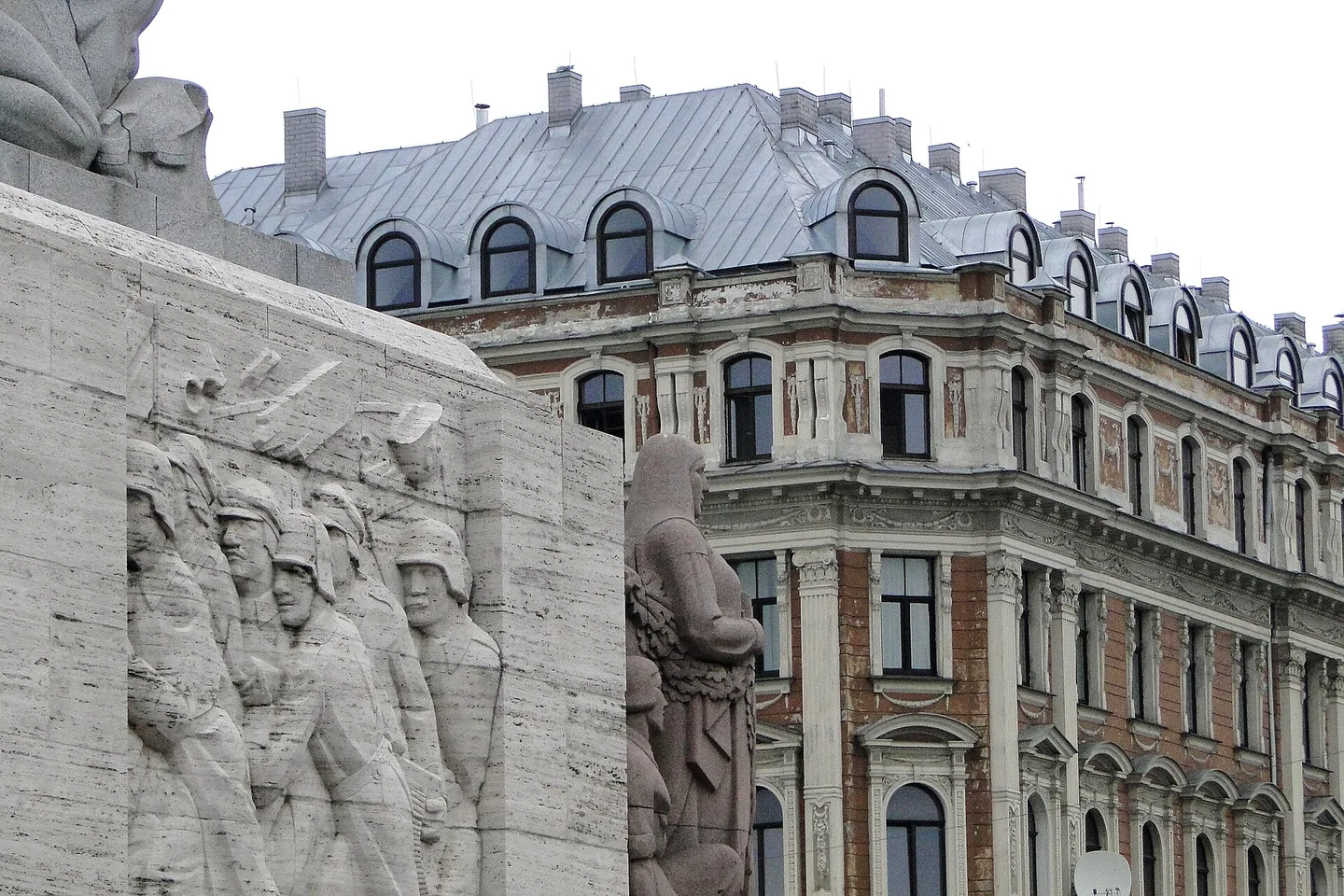
Vecrīga forms a compact, pedestrian-friendly network where ancient trade routes converge near the water. We start near Town Hall Square, where the ornamental facade of the House of the Blackheads anchors the southern gateway. Cobblestones can feel uneven beneath thin soles, so sturdy walking shoes remain sensible for longer circuits through the alleyways. Broad defensive ramparts once encircled these streets, leaving behind open squares where watchtowers formerly stood.
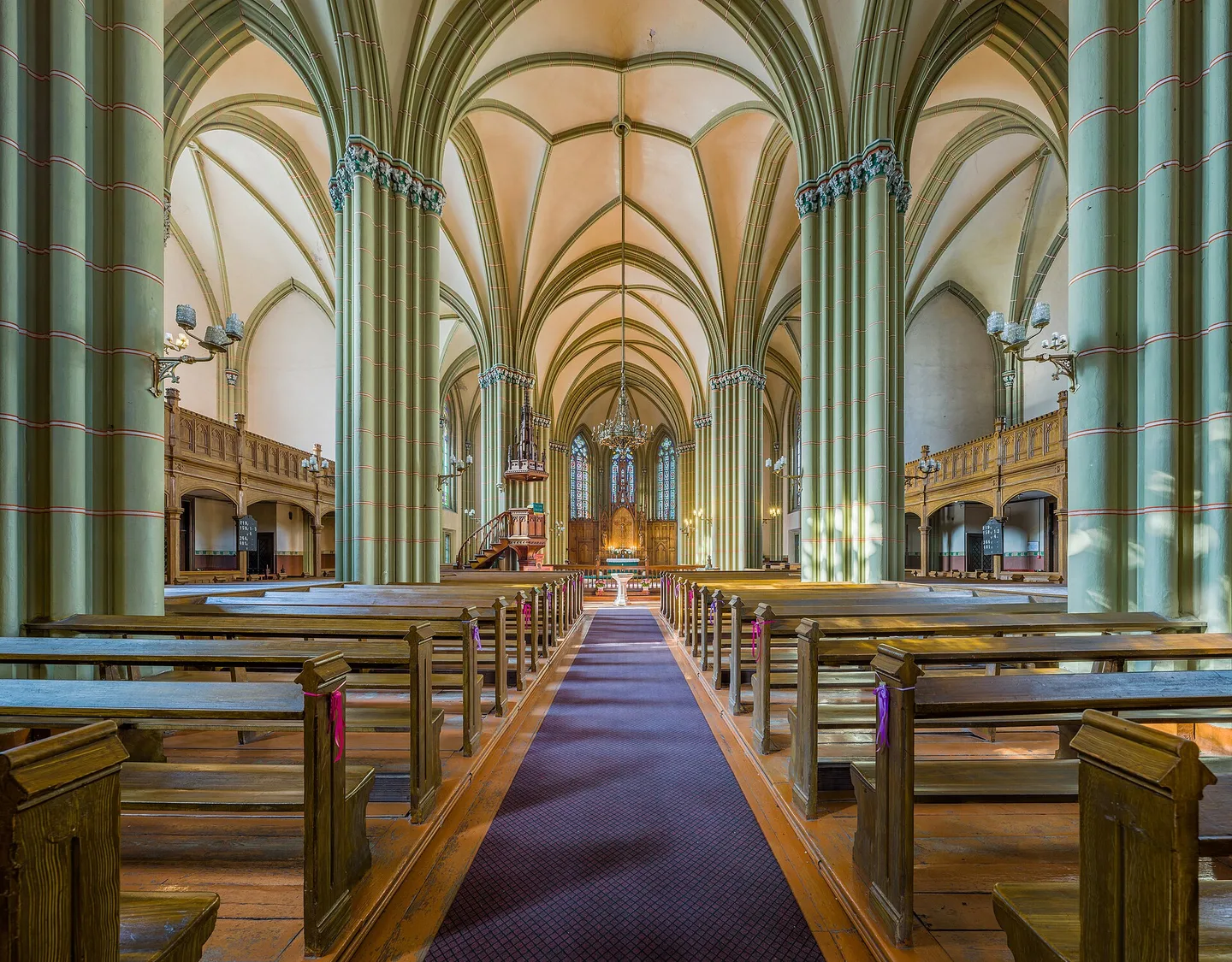
As we head north, narrow lanes twist toward leafy squares bordered by small cafes and quiet courtyards. St Peter's Church punctuates the skyline with its slender spire, offering an immediate sense of scale across the rooftops. Walking without a rigid map reveals peaceful courtyards tucked behind heavy wooden portals and historic warehouses. Those who wish to sample local baked goods or find evening dining options can plan their route alongside sightseeing recommendations across Riga.
Tracing the Art Nouveau Boulevards of the Centrs
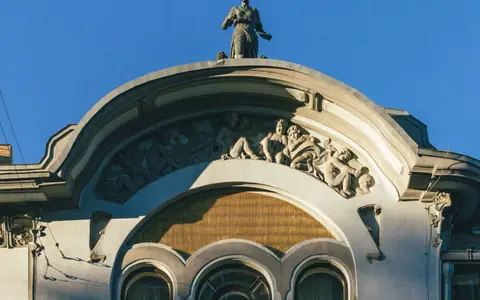
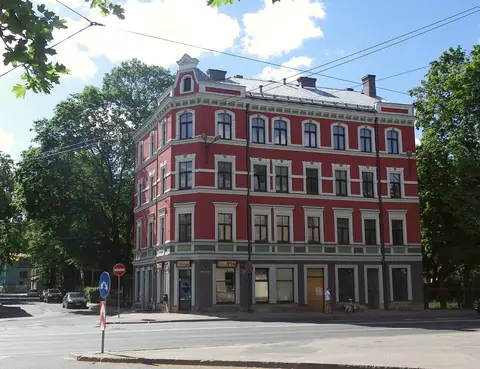
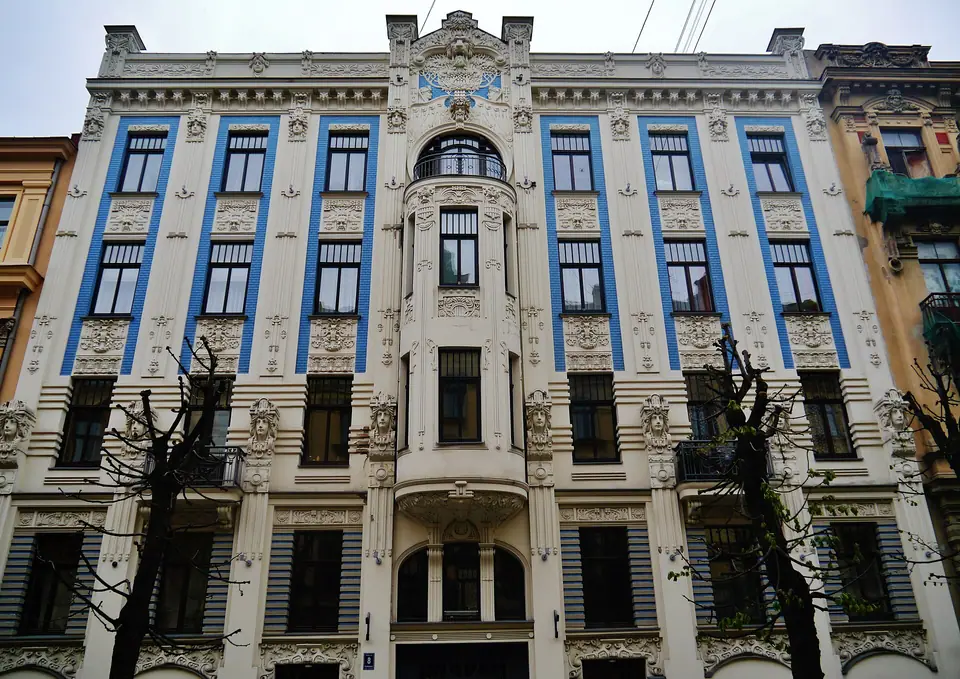
Leaving the medieval lanes behind, we cross the City Canal and its surrounding park ring into the Centrs district. This leafy green belt replaced old earthen fortifications and marks a dramatic change in architectural character. Wide, tree-lined boulevards unfold in an orderly grid system laid out during the late nineteenth and early twentieth centuries. Here, ornate stone figures, wrought-iron balconies, and mythological motifs decorate elaborate residential apartments.
Alberta iela and Elizabetes iela contain some of the finest examples of northern decorative styling anywhere in northern Europe. Looking upward reveals expressive stone masks, winding floral patterns, and symmetrical ceramic tiles along the eaves. Many of these grand residential blocks were designed by local architects who blended regional wooden traditions with classical flourishes. Selecting quiet side streets away from passing traffic makes it easy to study subtle carved details at your own pace.
Crucial District Transitions and River Crossings
Understanding how the central neighbourhoods connect simplifies your daily walking routes between historic monuments and dining clusters. The transitions between medieval lanes, nineteenth-century boulevards, and riverside paths are brief and easily traversed on foot. We have outlined the defining qualities of these key areas below to help organise your daily wandering.
| Neighbourhood | Architectural Character | Pavement and Footpath Conditions | Best Exploration Focus |
|---|---|---|---|
| Vecrīga | Medieval Hanseatic, baroque churches, cobbled courtyards | Uneven stone cobblestones, narrow kerbs | Morning walks, historic squares, church towers |
| Centrs | Elaborate Art Nouveau, neoclassical apartment blocks | Paved wide pavements, smooth pedestrian crossings | Facade spotting, garden walks, independent coffee shops |
| Pārdaugava | Low-rise wooden cottages, parkland, open water vistas | Mixed pavements, park pathways, stone steps | Quiet afternoon strolls, river panoramas, library views |
Each district offers a distinct atmosphere, so pairing contrasting neighbourhoods creates balanced day itineraries across the city. You can comfortably transition between the old ramparts and the residential boulevards in less than twenty minutes of easy walking. When organising your overnight base between these sectors, consult practical suggestions on neighbourhoods for accommodation in Riga.
Crossing to Pārdaugava and Moving Along the Water
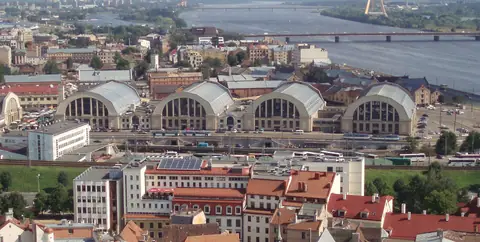
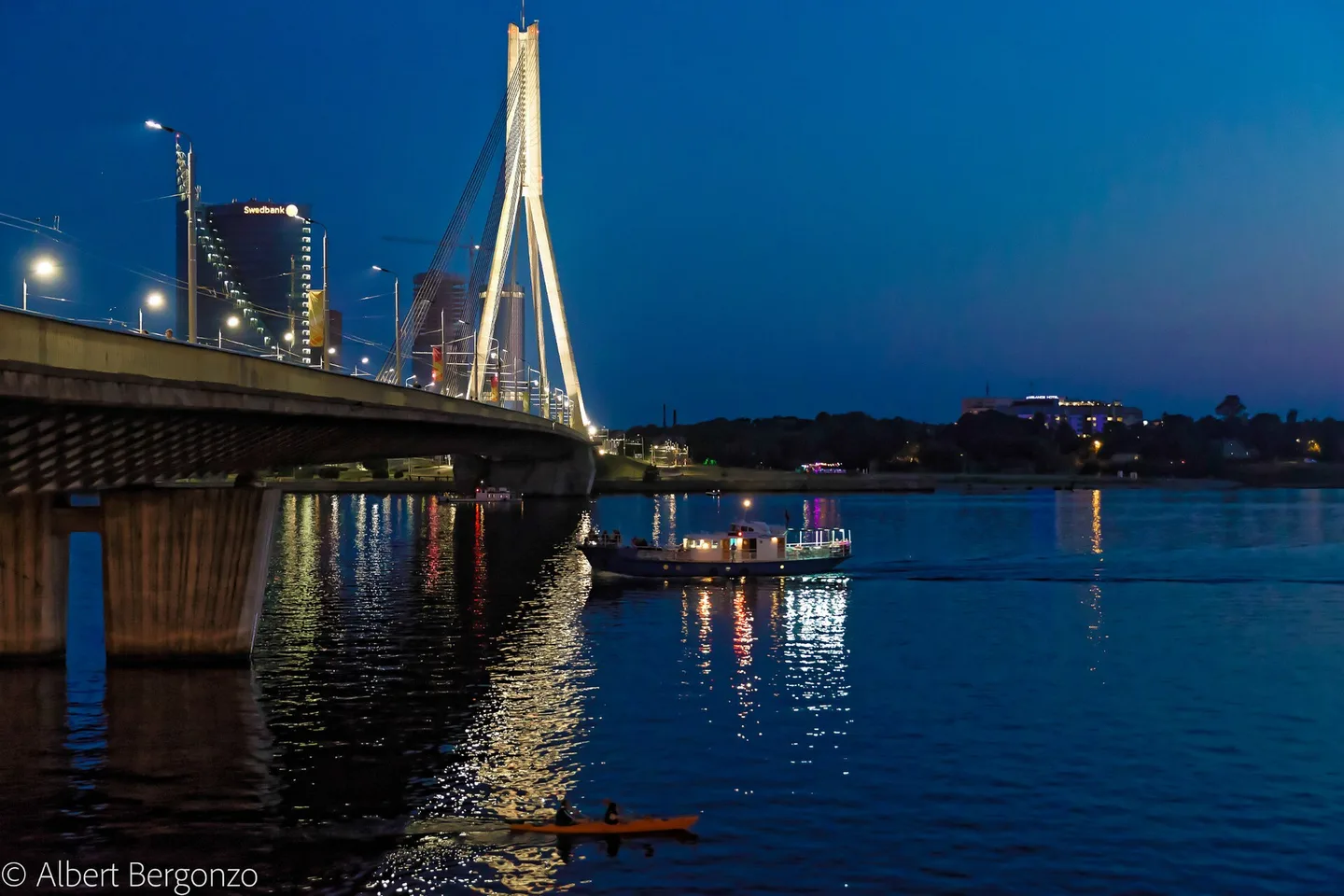
To experience Riga from a broader perspective, we cross the bridges over the Daugava River into peaceful Pārdaugava. Crossing the wide water reveals sweeping panoramic views back toward the church spires and maritime docks of the eastern embankment. The Vanšu Bridge and Stone Bridge carry both road traffic and regular tram lines, making the crossing convenient on foot or by public transport. The contrast with the lively Old Town feels immediate as you step onto the western bank.
Pārdaugava preserves historic wooden manor houses, tranquil residential lanes, and expansive parks that feel distant from the commercial centre. The prominent silhouette of the National Library of Latvia commands the shoreline, serving as a modern architectural counterweight to the old spires. Public transport routes run frequently back across the water, allowing convenient travel between western parklands and the central market pavilions. Check local ticketing details at transit kiosks before boarding urban buses or trams.
Official prices and opening hours
- Rīgas Satiksme Buses, Trams & Airport Bus 22Official site ↗
- Riga Central Market PavilionsOfficial site ↗
Where it is
- 1Riga
- Riga International Airport (RIX) · about 9 km from Riga in a straight line
- Directions in Google Maps
Stations and taxi ranks: OpenStreetMap. Airports: OurAirports. Distances are in a straight line.
Traveller tips
Real advice from people who have been to Riga. Every tip is read by our team before it goes live.
No tips yet. Been here? Yours could be the first.
Thank you! Your tip will appear here after a quick review.
More in Riga
Continue exploring Riga with related neighbourhood, food, and planning guides