Photo: Wikimedia Commons · CC BY-SA
Āgenskalns and Pārdaugava: Wooden Streets and Market Culture
Āgenskalns reveals the quieter Left Bank of Riga through historic timber buildings, quiet waterways, and a restored market hall.
Standing on the Left Bank of the river Daugava, Pārdaugava feels distinct from the stone spires across the water. Āgenskalns developed as a leafy retreat where traders, craftsmen, and summer residents built timber houses beneath tall trees. Crossing the bridges away from the central core leads directly into a relaxed district of shaded streets and residential gardens.
Reaching this quarter is straightforward thanks to local transit connections. Trams and local buses roll across the bridges from central stops, letting passengers watch the water before descending into neighbourhood squares. When planning your route across the river, verify city routes through public transport in Riga.
Historic Wooden Architecture of Āgenskalns
The distinctive appeal of Āgenskalns lies in its extensive timber heritage. During earlier centuries, city edicts required suburban dwellings to be constructed from wood rather than stone. As a result, generations of builders erected finely carved porches, balanced gables, and neat timber facades along tranquil residential streets.
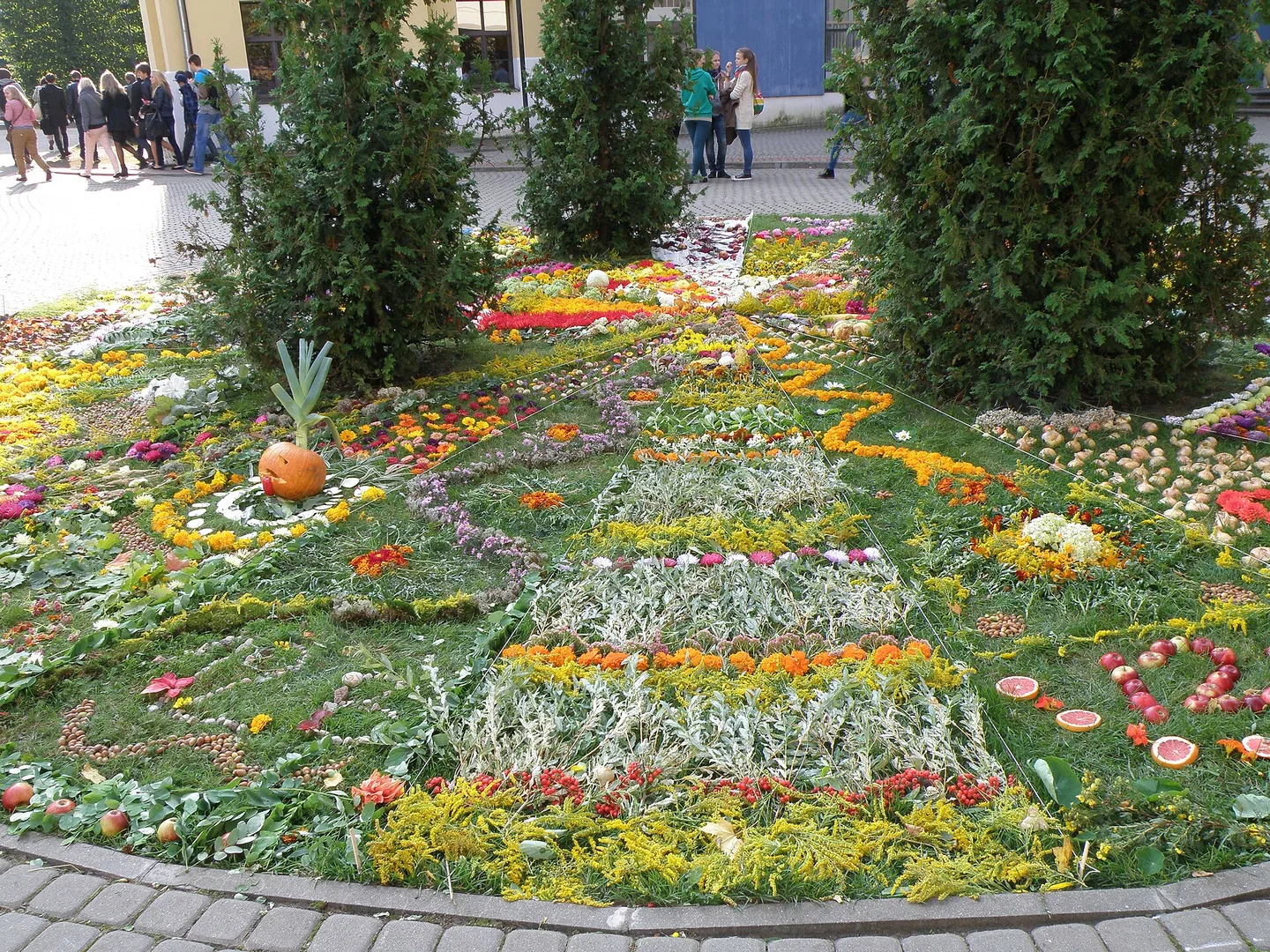
Wandering these blocks offers an unhurried look at Baltic domestic design that survived rapid modern expansion. Weathered boards stand alongside freshly restored homes painted in soft tones of ochre, moss green, and chalk white. Garden plots with lilac bushes and apple branches soften the pavement edges, creating a peaceful contrast to the grand stone avenues across the river.
The preservation of these residential blocks owes much to local appreciation for traditional carpentry. Walking past the front yards reveals decorative details on porch railings, gables, and window shutters that reflect craftsmanship passed down through generations. These residential streets offer a tangible connection to nineteenth-century urban living in the Baltic region.
- Timber facades showcase classic decorative carvings, original window frames, and painted exterior shutters.
- Quiet side lanes retain cobblestone sections that slow bicycle traffic and evening strollers.
- Restored villas sit behind picket fences, preserving suburban domestic heritage from earlier centuries.
- Local community groups and homeowners carefully maintain traditional lime washes and natural wood stains on older facades.
Market Dining and Daily Life
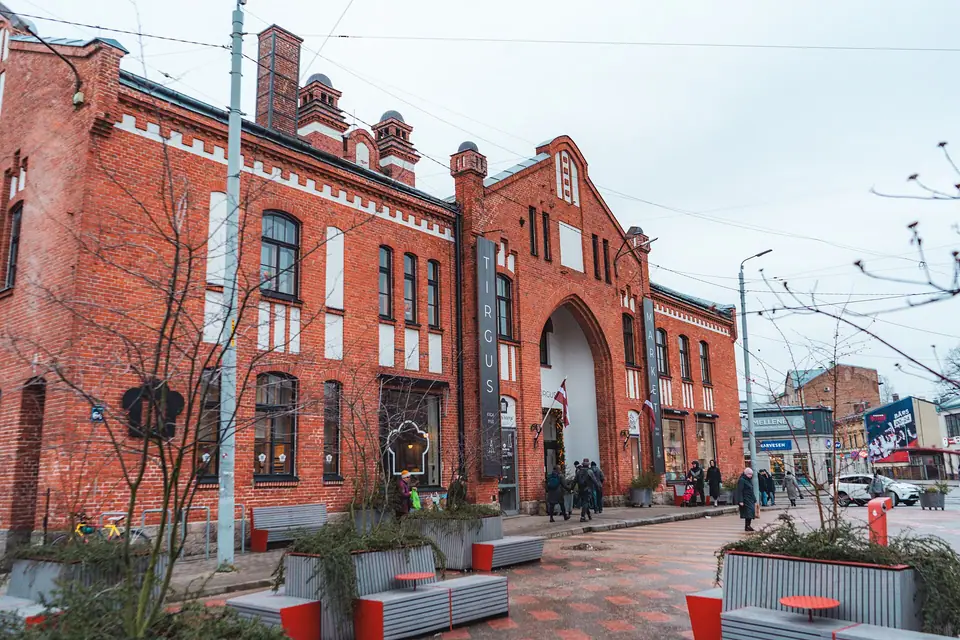
At the heart of the neighbourhood stands the brick structure of Āgenskalns Market. The red-brick exterior, designed with handsome arched windows, houses local producers, artisan bakers, and warm food counters. The ground floor focuses on seasonal fruit, farm cheese, cured meats, and fresh sourdough loaves brought in from nearby countryside farms.
Upstairs, open tables let visitors sample prepared meals, warm pastries, and freshly roasted coffee while looking over the active shopping floor below. The hall acts as a social gathering spot where neighbours catch up over morning coffee or gather for light evening suppers. It pairs well with other cultural activities across the capital, including sightseeing around Riga.
Food stalls inside the market highlight culinary traditions from across Latvia alongside modern bakery treats. Visitors can try smoked fish, dark rye bread, herbal teas, and preserves crafted with regional berries. Sitting at the shared wooden tables upstairs allows guests to experience the neighbourhood's everyday food culture in a restored historic setting.
| District Feature | Primary Character | Visitor Experience |
|---|---|---|
| Market Hall | Brick market with local produce and food stalls | Regional cheese tasting, seasonal berries, and casual dining |
| Timber Quarter | Residential streets of historic wooden homes | Quiet architectural walks and photography among leafy gardens |
| River Embankment | Waterfront promenades and inlets along the Daugava | Peaceful river vistas looking toward the distant church spires |
Waterfront Paths along the Daugava and Bay
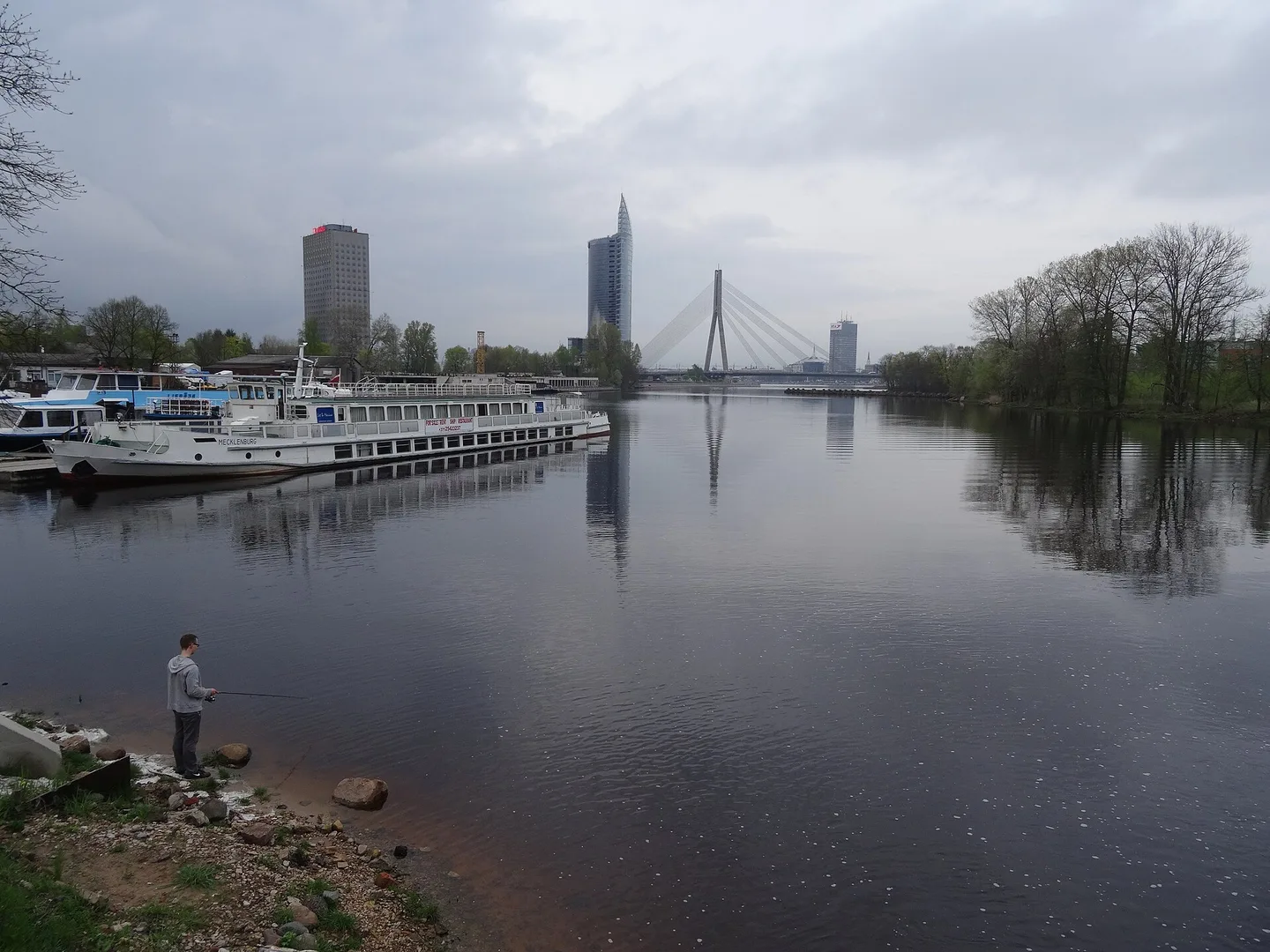
The edge of Āgenskalns touches the water at Āgenskalna līcis, a sheltered bay off the main river channel. Paths here run past houseboats, small boat moorings, and quiet banks where local anglers cast lines into the current. The water reflects drifting clouds and the distant silhouettes of Old Town towers across the wide river span.
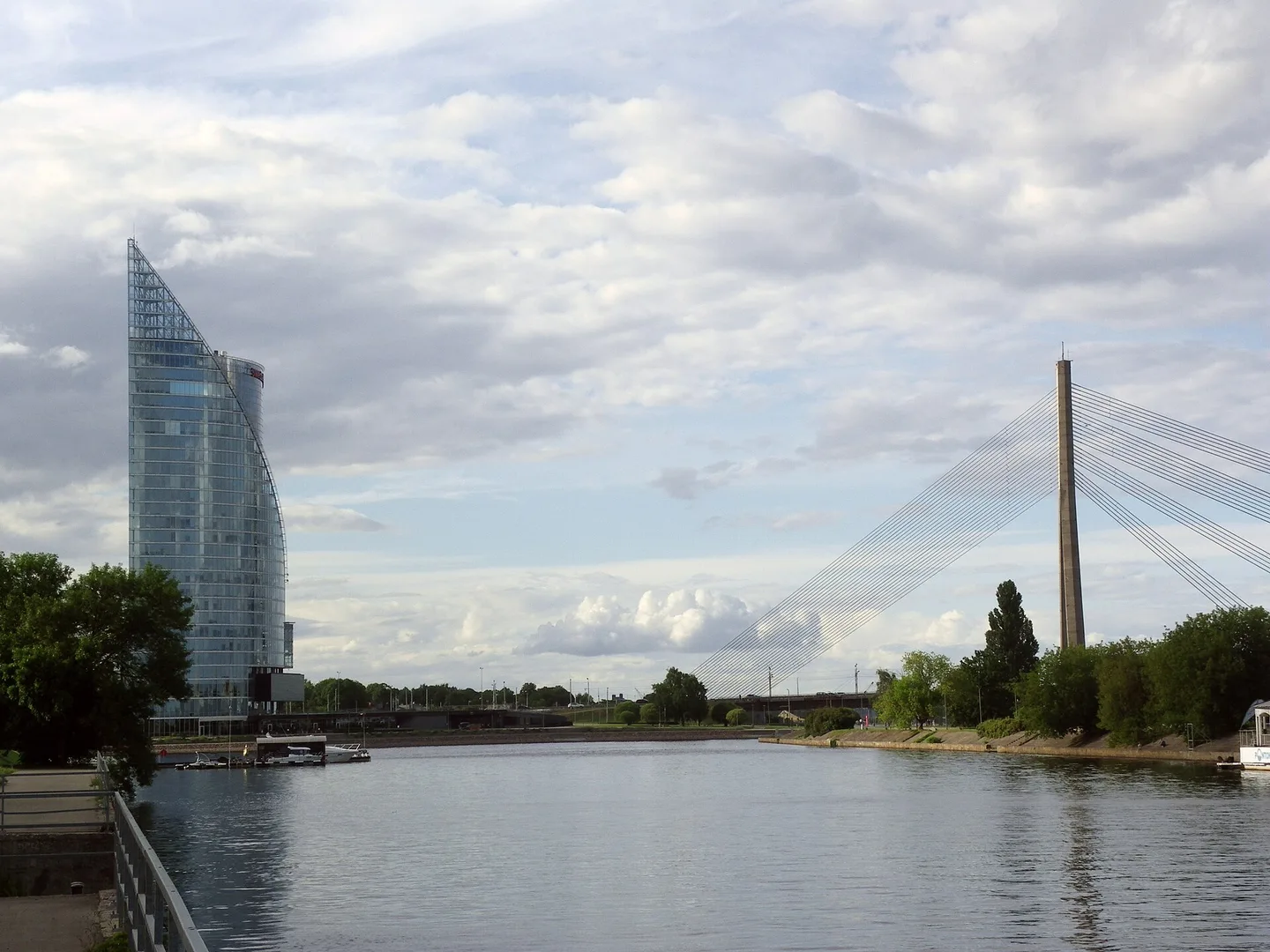
Walking along Raņķa dambis provides an enjoyable circuit that combines river breezes with quiet suburban streets. Strollers can easily loop from the market square down to the riverbank and back through tree-lined residential avenues. Spending an afternoon here allows travellers to appreciate the domestic rhythm of the Left Bank before heading back across the water for the evening.
The riverside paths remain popular among joggers, cyclists, and families enjoying the fresh air off the water. Benches positioned along the promenade provide resting places to observe passing river traffic and evening sunsets over the water. Returning to central districts by bridge or tram completes a rewarding loop through Pārdaugava's historic riverfront.
Official prices and opening hours
- Rīgas Satiksme Buses, Trams & Airport Bus 22Official site ↗
- Riga Central Market PavilionsOfficial site ↗
Where it is
- 1Āgenskalns and Pārdaugava
- Riga International Airport (RIX) · about 6 km from here in a straight line
- Directions in Google Maps
Stations and taxi ranks: OpenStreetMap. Airports: OurAirports. Distances are in a straight line.
Traveller tips
Real advice from people who have been to Riga. Every tip is read by our team before it goes live.
No tips yet. Been here? Yours could be the first.
Thank you! Your tip will appear here after a quick review.
More in Riga
Continue exploring Riga with related neighbourhood, food, and planning guides
Kalnciema Quarter: Wooden Architecture and Courtyards of Pārdaugava
Riga, Latvia

Freedom Monument and Riga's City Canal: A Walk Through the Boulevard Belt
Riga, Latvia

Jūrmala and Ķemeri Day Trips from Riga: Coast and Bogland Itineraries
Riga, Latvia
Riga: Three Historic Eras Along the Daugava
Riga, Latvia
