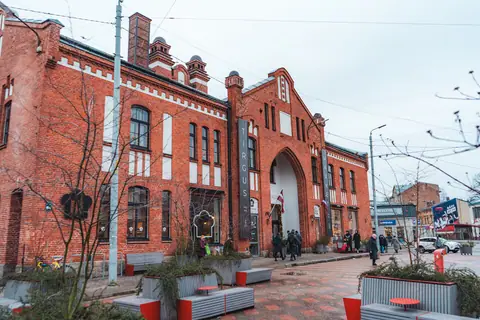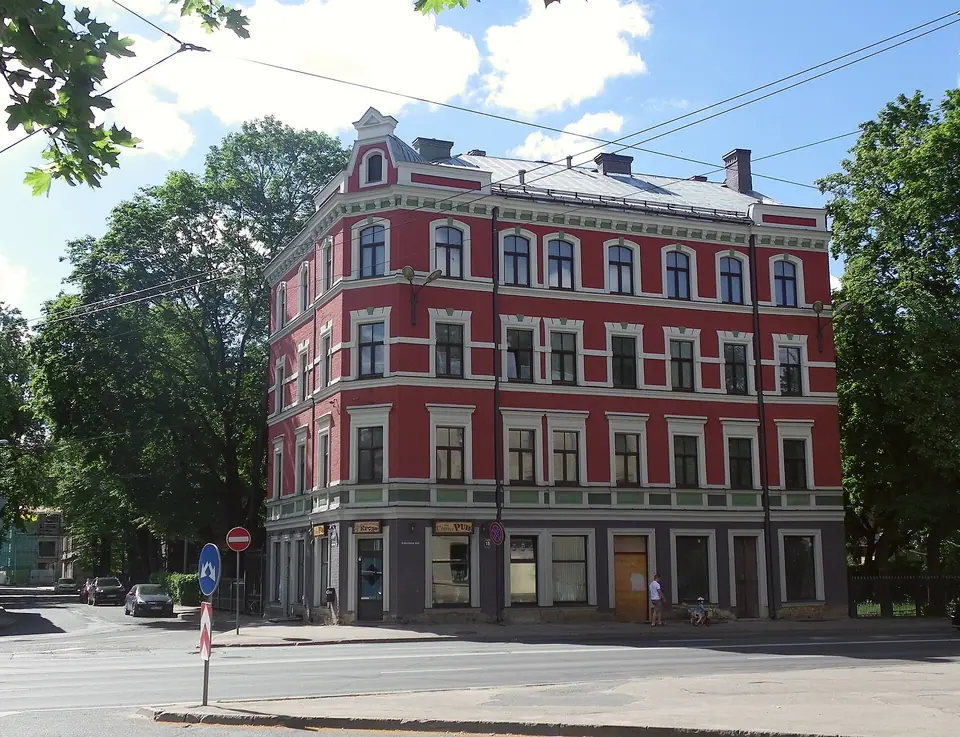
Photo: Wikimedia Commons · CC BY-SA
Kalnciema Quarter: Wooden Architecture and Courtyards of Pārdaugava
Restored nineteenth-century timber houses and open courtyards define the distinct architectural character of Pārdaugava across the Daugava River in Riga.
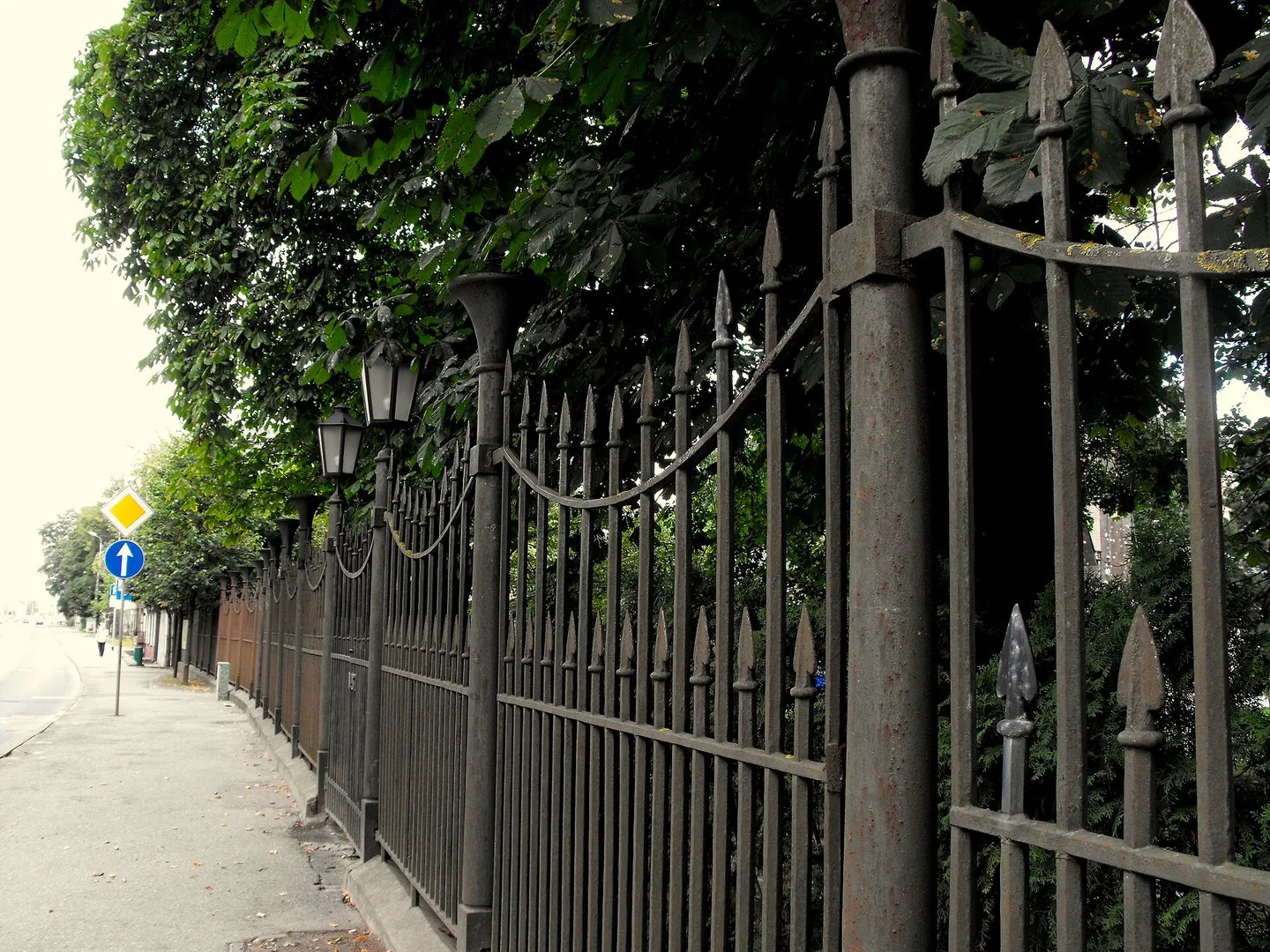
Across the wide flow of the Daugava River, the Pārdaugava district presents an alternative perspective on the architectural development of the Latvian capital. While the historic core across the water is renowned for stone medieval churches and decorative Art Nouveau apartment blocks, this western bank preserves an extensive collection of historic timber dwellings. Kalnciema Quarter stands as the most thoughtfully restored ensemble of this domestic wooden heritage, offering quiet streets shaded by mature trees. Walking along these residential corridors reveals the craftsmanship of carpenters who shaped the suburban growth of the city centuries ago.
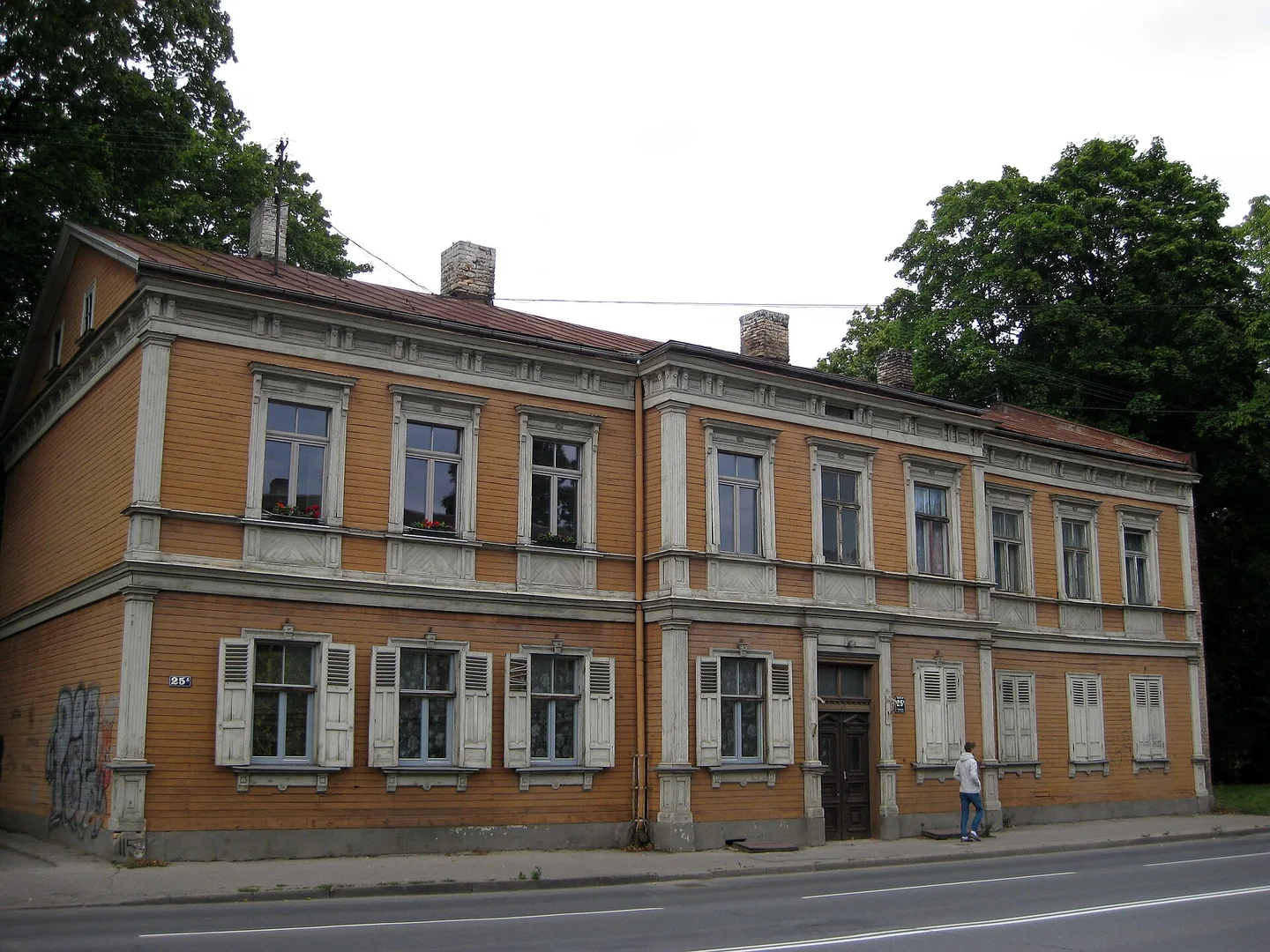
The survival of these wooden buildings is remarkable given historical fires and rapid modern development across Northern Europe. During the classic era of city planning, strict regulations required suburban buildings outside the main fortifications to be constructed from timber. Authorities demanded wood so structures could be levelled quickly in times of defensive siege. Over time, classical proportions, carved window pediments, and symmetrical facades were translated into local pine and spruce.
Rigorous conservation work keeps these delicate facades intact today. Restorers apply traditional paints, linseed oils, and authentic joinery techniques to honour the original builders. Many residential blocks retain their classic proportions and original layout. These quiet tree-lined streets offer a rare glimpse into nineteenth-century domestic town life.
Courtyard Culture and Communal Spaces
At the heart of the quarter lies an interconnected cluster of historic buildings framing an open central courtyard. This open space functions as a communal gathering ground where residents and guests meet. People come together here to celebrate regional craft, contemporary design, and artisan food production. The atmosphere feels intimate, shielded from surrounding traffic by the protective perimeter of painted wooden walls.
Benches set beneath overhanging eaves invite quiet conversation. Small gallery spaces within the surrounding structures showcase rotating collections by local painters, ceramicists, and sculptors. These spaces demonstrate how historic residential quarters can foster community life and independent creative work.
On regular market days, the courtyard fills with growers and bakers bringing farm goods from across the Latvian countryside. Stalls display sourdough bread, local cheeses, herbal infusions, and handmade wooden kitchenware. These products create a lively open-air market rooted in regional farm traditions. Day planners often combine these courtyard stops with central food pavilions and historic squares across the river.
The courtyard layout preserves original service yards that once housed stables and carriage sheds. Today, these outbuildings host artisan workshops, design showrooms, and small independent offices. This creative reuse maintains the physical heritage while bringing everyday work life back into the neighbourhood.
- Central courtyard gathering space surrounded by restored timber manor outbuildings.
- Artisan craft stalls showcasing ceramics, textiles, and traditional carved woodwork.
- Exhibition galleries dedicated to Baltic design and traditional timber building techniques.
- Seasonal outdoor dining terraces offering regional farm specialities and local fruit juices.
Walking Sequences and Architectural Highlights
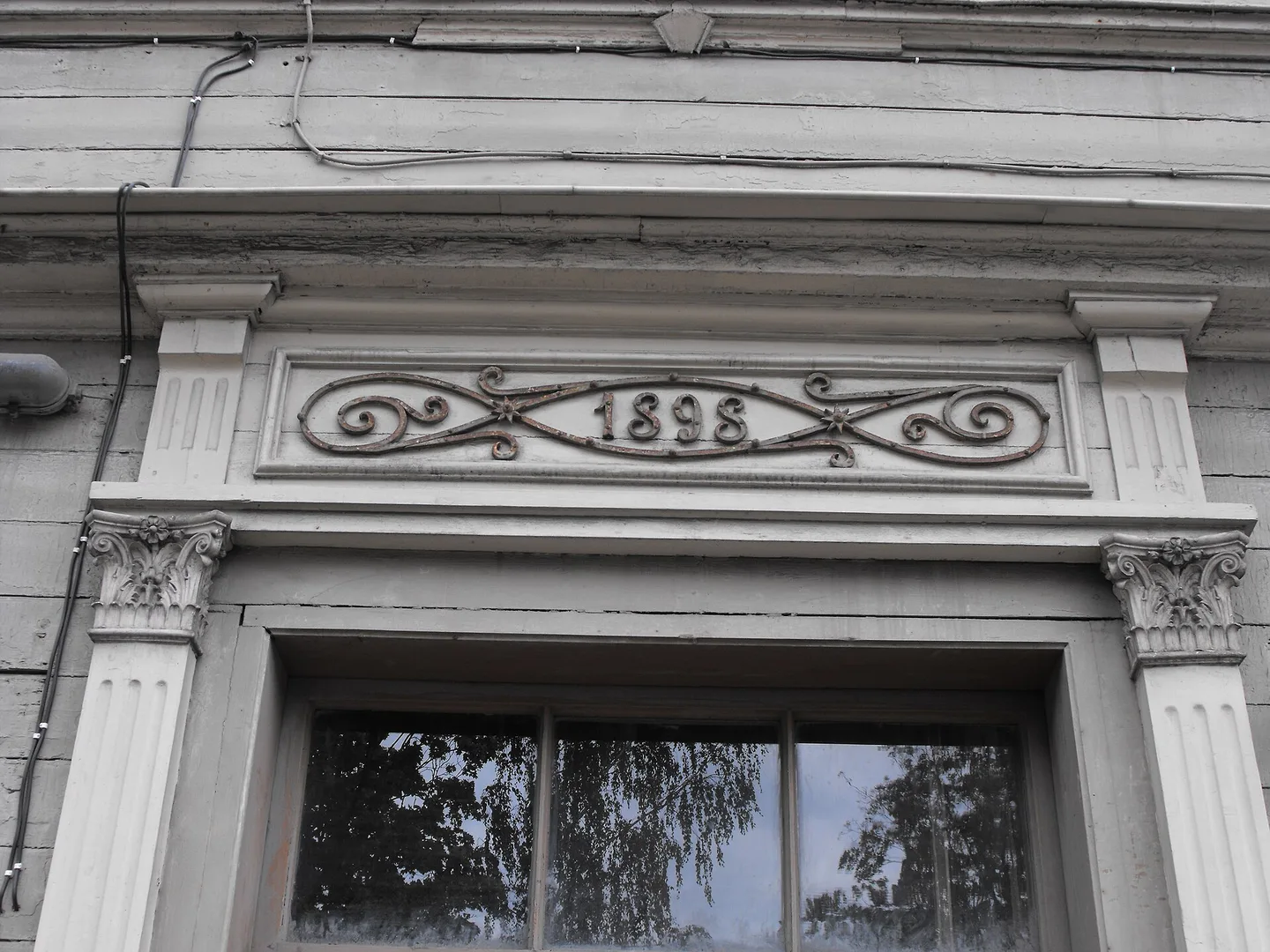
Exploring the neighbourhood on foot lets you notice subtle carpentry details easily missed from a passing vehicle. Notice the carved pilasters flanking heavy wooden doorways, the delicate transoms above entrance arches, and the small zinc roof details channelling rainwater away from timber corners. Multi-pane sash windows reflect Baltic proportions, pulling winter daylight inside thick log-frame walls.
To see the wider character of Pārdaugava, walk outward from the main courtyard along quiet neighbouring side streets. Unpainted weathered timber stands beside fully restored manors, showing an honest cross-section of local building care. Quiet pavements pass small corner bakeries and leafy gardens, pairing naturally with the broader Riga neighbourhood overview when mapping your walk.
Deeper into side lanes, notice how exterior panelling shifts across different building decades. Horizontal clapboards dominate earlier structures, whereas vertical battens appear on later suburban homes. Carved wooden cornices mimic stone mouldings from grand city tenements, showing how local carpenters worked classic proportions in pine.
| Feature | Architectural Context | Preservation Focus |
|---|---|---|
| Classical Facades | Translates stone manor porticos into local pine | Restoring carved timber pediments and lintels |
| Multi-Pane Windows | Maximises daylight through Baltic winter months | Maintaining original wooden sash frames |
| Inner Courtyards | Historic utility yards converted for public life | Preserving cobbled paving and perimeter walls |
| Decorative Eaves | Protects structural timbers from rainwater run-off | Zinc flashing and traditional carved brackets |
Practical Access and Seasonal Considerations
Reaching Kalnciema Quarter from central Riga is easy via public trams and buses crossing the river bridges. Services run frequently from railway and market stops, dropping passengers near the main complex entrance. Walkers can also cross the bridge on foot for wide river views before turning onto tree-lined western streets.
Seasonal weather changes the courtyard rhythm across the year. Warm summer evenings bring outdoor film screenings, live acoustic music, and lit tables beneath old trees. Winter snow settles over timber gables as market stalls serve hot berry drinks beside wood stoves. Match your river crossing to central tram and airport rail links for direct transfers from your hotel.
Spring and autumn highlight subtle textures along Pārdaugava streets. Apple blossoms and lilacs bloom behind wooden garden fences in May, while October maples frame pale yellow and ochre houses in bright seasonal colour.
Official prices and opening hours
- Rīgas Satiksme Buses, Trams & Airport Bus 22Official site ↗
- Riga Central Market PavilionsOfficial site ↗
Where it is
- 1Kalnciema Quarter
- Riga International Airport (RIX) · about 6 km from here in a straight line
- Directions in Google Maps
Stations and taxi ranks: OpenStreetMap. Airports: OurAirports. Distances are in a straight line.
Traveller tips
Real advice from people who have been to Riga. Every tip is read by our team before it goes live.
No tips yet. Been here? Yours could be the first.
Thank you! Your tip will appear here after a quick review.
More in Riga
Continue exploring Riga with related neighbourhood, food, and planning guides