Getting Around Riga: Trams, Trolleybuses, Bus 22 and Ticket Registration
Efficient low-floor trams, electric trolleybuses, and orbital bus lines carry passengers across the Daugava River throughout Riga.
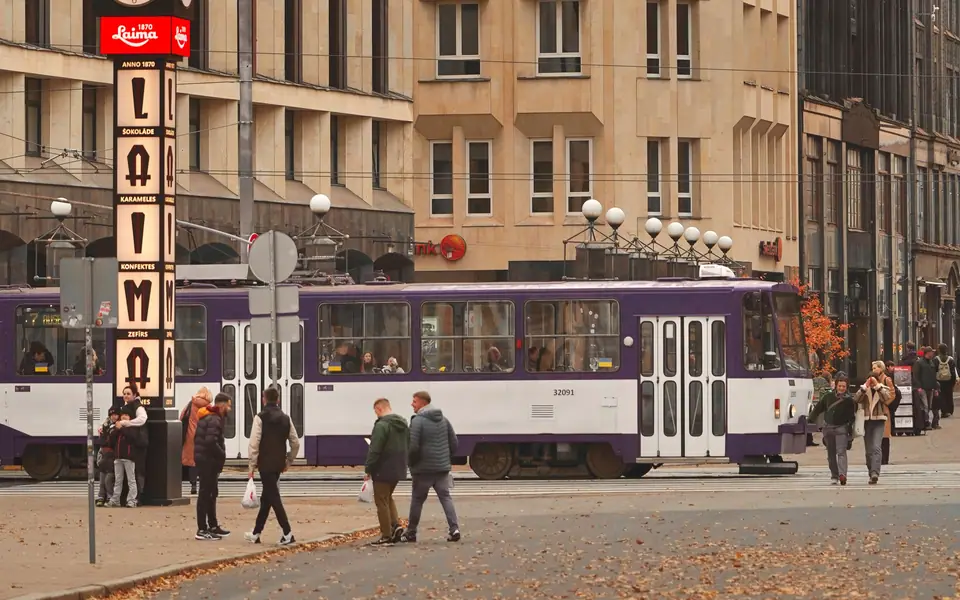
Riga features a compact historic core surrounded by wide nineteenth-century boulevards, creating an orderly grid for public transit. Municipal operator Rīgas Satiksme manages an integrated pattern of trams, trolleybuses, and standard buses running from dawn until midnight. The central railway station and adjacent canal bridges function as the principal gathering points for almost every outward trajectory. Low-floor modern trams glide steadily along major northern avenues, while classic red-and-cream models continue service on secondary routes. Getting across town rarely requires complex route changes because trunk services converge along the edges of the Old Town.
Navigating the Core Network and Tram Corridors
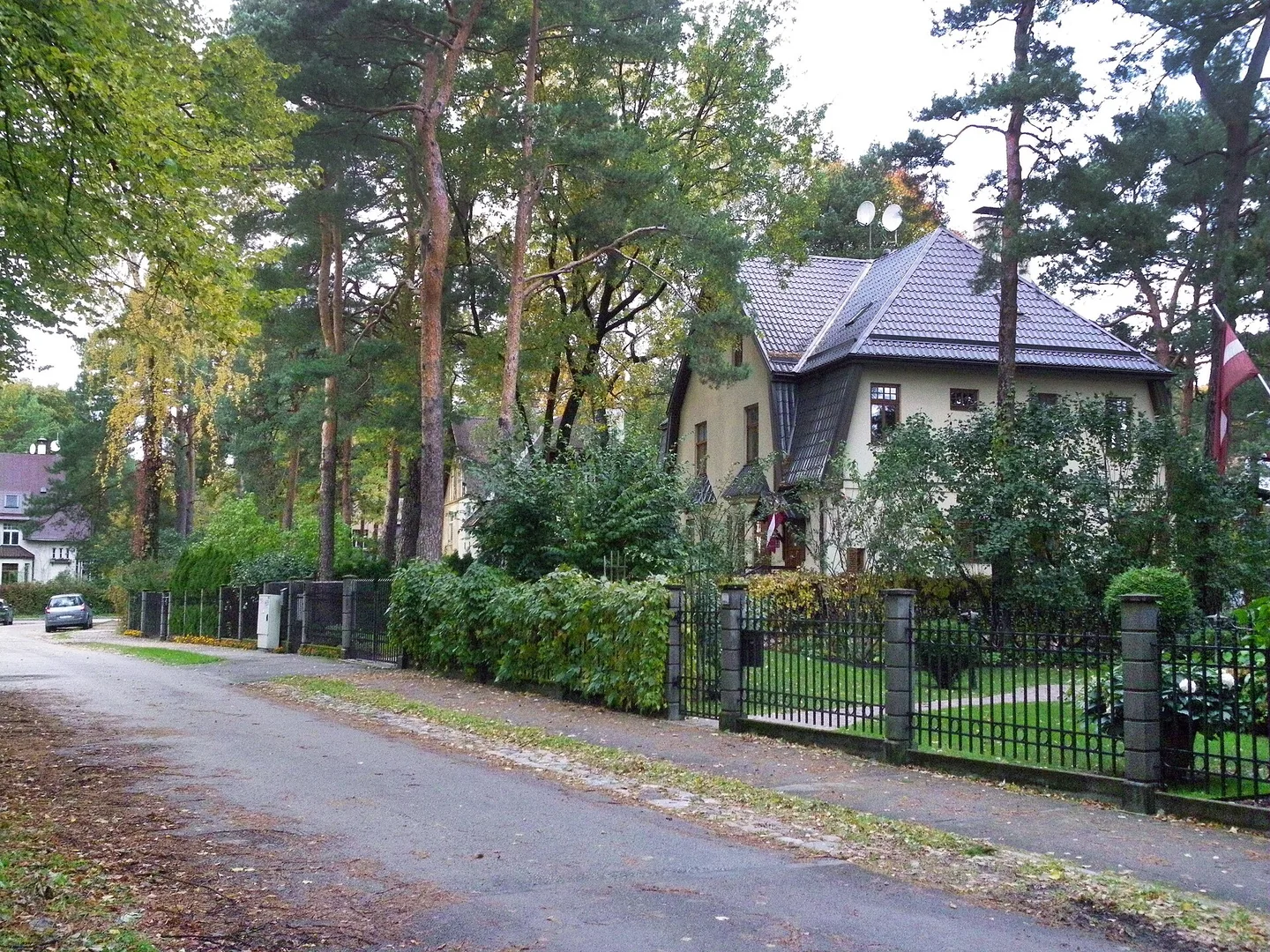
Trams offer the smoothest journey through the Latvian capital, especially when heading north toward modern art districts or south toward suburban quarters. Heavy steel rails follow broad avenues that bypass automotive congestion during peak morning and evening travel periods. Tram 1 links southwest neighbourhoods across the river with northeastern outer blocks. Tram 11 carries travellers straight toward forest parks and wooden cottages, tracing leafy streets lined with classic timber houses. Boarding through any door is permitted, but passengers must tap their card against the electronic reader immediately.
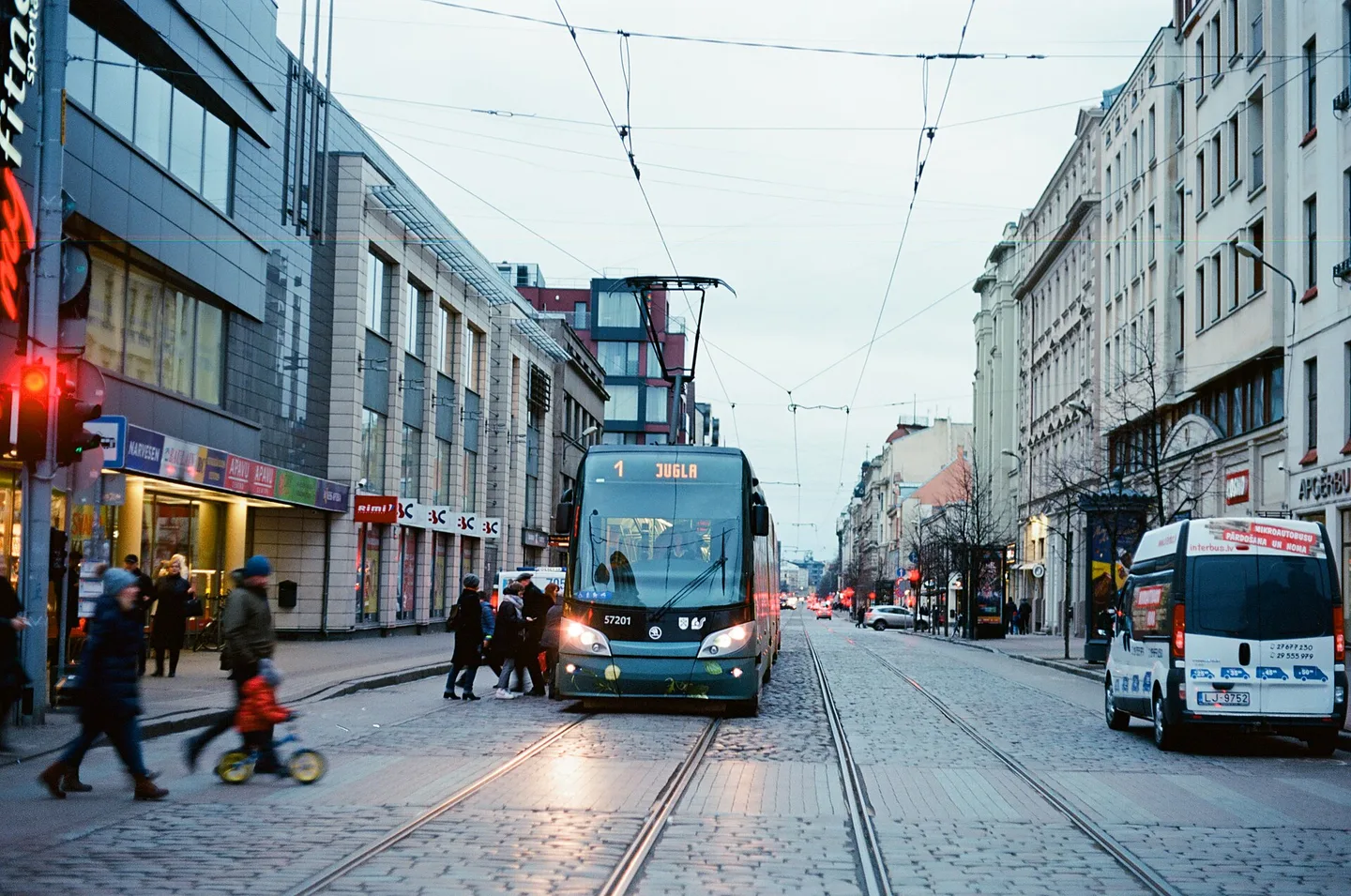
Trolleybuses supplement the rail network by using overhead electric wires to weave through denser residential quarters. These quiet vehicles handle substantial commuter volumes along roads where laying permanent railway tracks proved impractical. Several trolleybus routes cross stone bridges, offering open perspectives of historic church spires reflected in the river. You can connect smoothly from tram stops near the canal to historic architectural landmarks across Riga without walking long distances. Overhead wires define the streetscape of the broader centre, guiding pedestrians toward key transfer intersections.
| Transport Mode | Primary Route Corridors | Best For |
|---|---|---|
| Tram | Canal loop, Northern suburbs, River crossings | Scenic rides, smooth journeys, bypassing street congestion |
| Trolleybus | Inner ring boulevards, Art Nouveau quarter | Quick hops across shopping streets and quiet avenues |
| Bus | Outer ring roads, Eastern estates, Airport links | Longer cross-town journeys and airport transfers |
Transit stops display printed timetable sheets showing departure sequences for regular weekdays, Saturdays, and public holidays. Electronic departure screens operate at major hubs, showing real-time arrival estimates for approaching vehicles. Audio announcements inside each carriage declare upcoming stops clearly in Latvian, accompanied by overhead digital displays.
Airport Transit via Bus 22 and River Crossings
Bus 22 provides the definitive direct connection between Riga International Airport and the central district. The bus stop stands directly outside the arrivals hall exit, removing any need for shuttle transfers or long indoor walks. Departures run at frequent intervals throughout the day, carrying air passengers past suburban green spaces and over the wide river. The ride reaches the edge of the historic quarter before terminating beside the main railway station. Travellers arriving with heavy luggage find low-floor boarding ramps helpful at both airport and city stops.
Crossing the Daugava River on public transit reveals broad panoramas of riverbanks, cargo docks, and historic stone embankments. Several bridges carry dedicated bus and trolleybus lanes, maintaining steady transit speeds while private vehicle traffic slows down. Passengers heading to western riverbank districts can disembark immediately after crossing the water to explore quieter wooden quarters. Mapping district layouts and river bridge links ahead makes cross-river hops straightforward.
Electronic Tickets, Yellow Readers, and Fare Rules
Riga operates an electronic ticketing system based on contactless smart cards known locally as e-talons, alongside official smartphone applications. Passengers must purchase their digital travel balance before boarding, using self-service kiosks at major stops or convenience shops across the city. Single-journey fares permit transfers between different vehicles within a specified time limit, provided passengers register their ticket on every new boarding. Yellow validation devices sit mounted on interior support poles beside every carriage door.
- Acquire your contactless transit card from automated station kiosks or neighbourhood corner shops before joining the platform queue.
- Hold the card steadily against the yellow reader until a clear chime sounds and the screen illuminates green.
- Register your card upon entering every single vehicle, even when transferring within an active timed ticket window.
- Keep digital codes or physical cards accessible throughout the trip for random inspections by municipal transit officers.
Uniformed ticket inspectors conduct frequent, unannounced inspections across all transport lines, boarding carriages in teams at designated stops. Failing to register a valid ticket against the yellow sensor results in on-the-spot administrative penalties. Drivers on standard city routes do not sell paper tickets, making advance purchase essential before stepping aboard. Checking official municipal route apps ahead confirms live timetable adjustments across holidays.
Walking Sequences and Seasonal Surface Realities
Walking remains the finest method for exploring the cobblestone alleys of Old Riga, where motor vehicles face strict access limits. Historic limestone pavers can prove uneven underfoot, requiring sturdy footwear with supportive soles for comfortable wandering. The canal park system wraps around the ancient ramparts, offering pleasant, flat gravel pathways that link northern boulevards to southern market halls. Combining gentle canal walks with short tram hops lets you cover substantial ground without unnecessary physical strain.
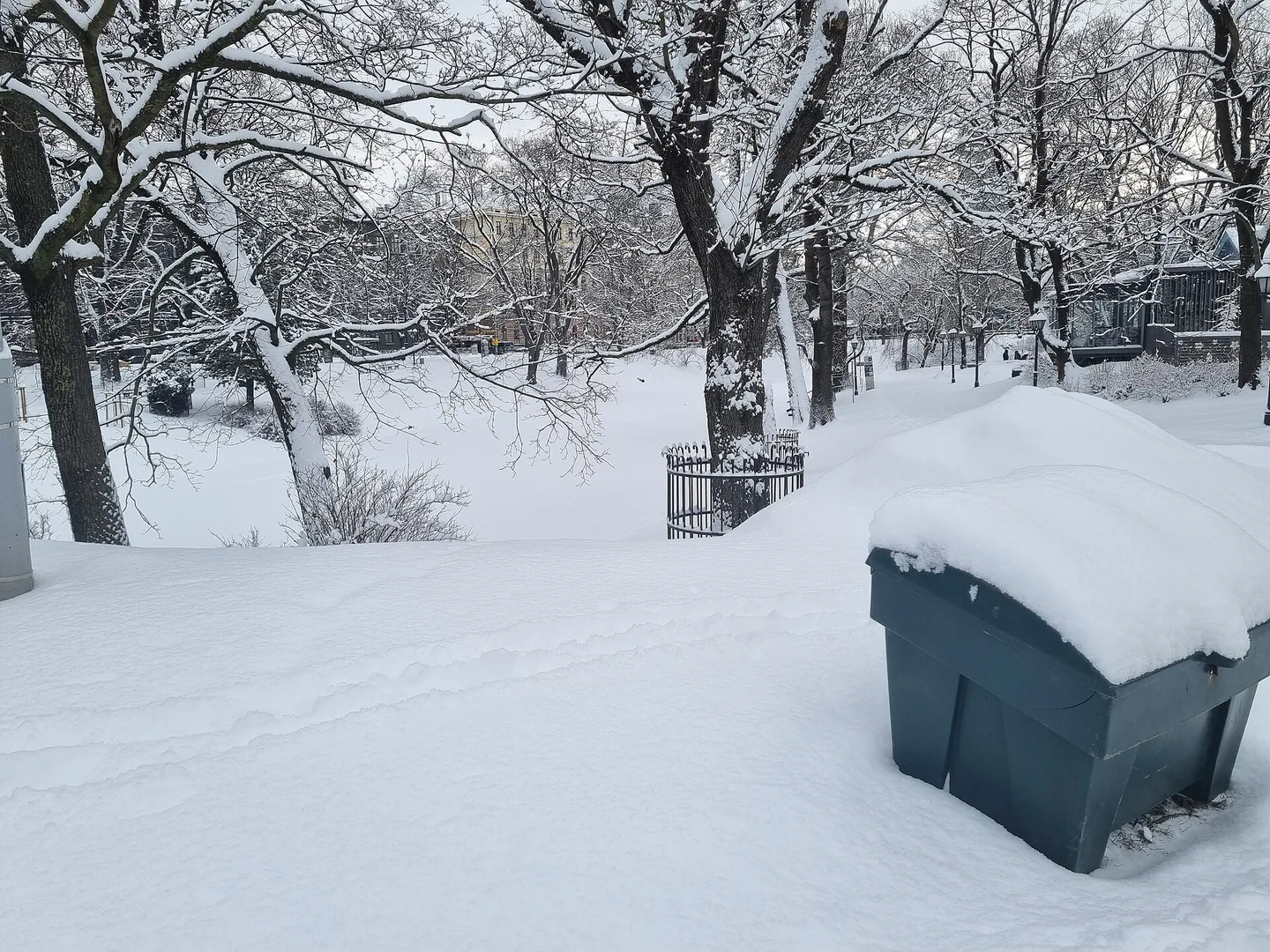
Winter conditions introduce packed snow and occasional ice to pedestrian walkways across the northern capital. Municipal crews clear tram platforms and main thoroughfares promptly, yet smaller side streets often remain slippery following fresh morning flurries. Trolleybuses and trams maintain dependable operations through heavy snowfall, offering warm, heated refuges between outdoor sightseeing walks. Check weather updates before leaving your hotel, and step cautiously when mounting vehicle steps during sub-zero mornings.
Official prices and opening hours
- Rīgas Satiksme Buses, Trams & Airport Bus 22Official site ↗
- Riga Central Market PavilionsOfficial site ↗
Where it is
- 1Riga
- Riga International Airport (RIX) · about 9 km from Riga in a straight line
- Directions in Google Maps
Stations and taxi ranks: OpenStreetMap. Airports: OurAirports. Distances are in a straight line.
Traveller tips
Real advice from people who have been to Riga. Every tip is read by our team before it goes live.
No tips yet. Been here? Yours could be the first.
Thank you! Your tip will appear here after a quick review.
More in Riga
Continue exploring Riga with related neighbourhood, food, and planning guides