Photo: Wikimedia Commons · CC BY-SA
Choosing the Best Time to Visit Riga: Seasonal Walks and Baltic Weather
We time our outdoor routes through Riga by balancing coastal daylight hours against changing seasonal conditions along the canal parkland.
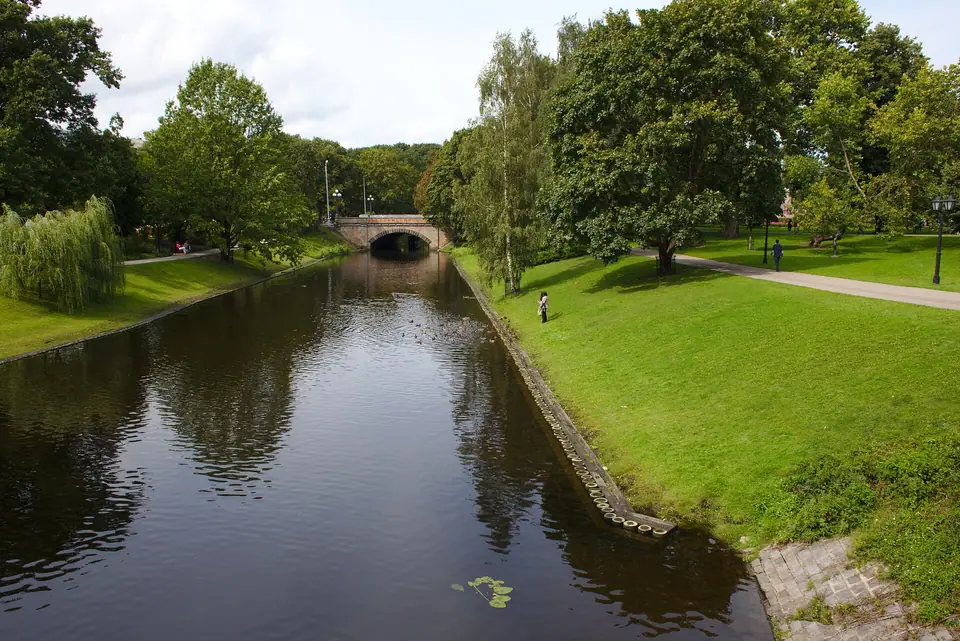
Latvia experiences a classic northern climate that shifts the entire character of the capital with every passing quarter. During midsummer, long Baltic daylight allows us to wander along the winding city canal well into the late evening hours without needing street lamps. Warm afternoons draw walkers toward green lawns and leafy boulevards that wrap around the historic core. Pavement seating expands across open squares, creating pleasant resting points between architectural rambles. Sudden coastal rain showers can still pass through, so carrying a lightweight waterproof jacket remains sensible even in warm weather.
Planning daytime walks around outdoor public gardens works best during these warm months when trees supply welcome shade against direct sun. You can easily integrate open park pathways into a comprehensive schedule of outdoor activities across the historic centre while daylight remains plentiful. Waterside paths stay calm and dry, making it easy to cover long distances entirely on foot without negotiating icy flagstones.
Baltic summers present moderate daytime temperatures that encourage long journeys along riverside promenades. Gentle river breezes cool the paved quays during late afternoon walks. Local cyclists and families gather near green canal curves until twilight settles softly over the rooftops.
Navigating Autumn Colours and Quiet Neighbourhood Streets
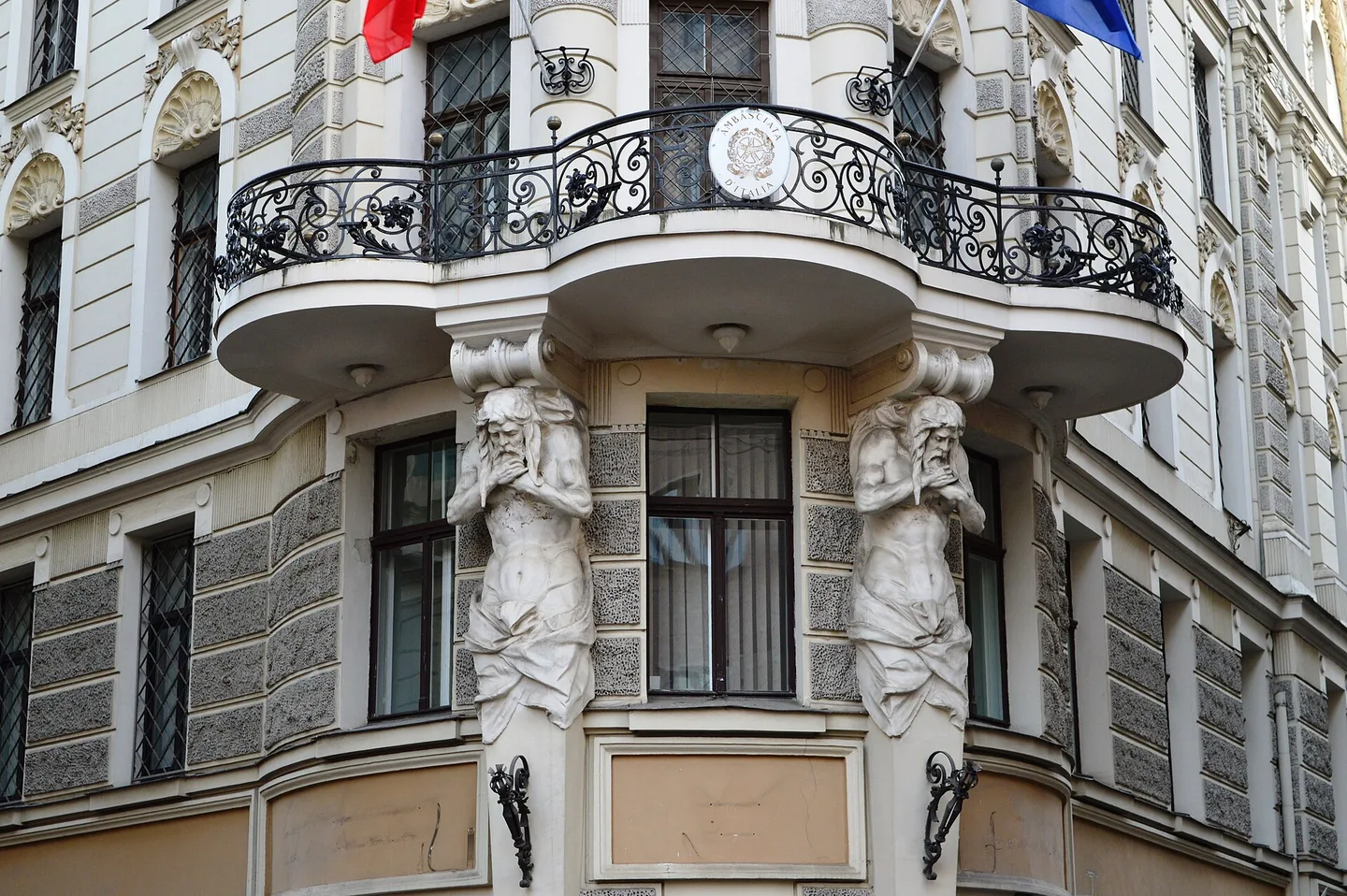
As summer crowds thin out, early autumn brings crisp morning air and striking golden foliage across the canal parks. Deciduous trees turn bright yellow and deep amber, providing photogenic frames along quiet residential roads. The drop in visitor numbers makes it easier to pause on narrow pavements and admire facade carvings without jostling with tour groups. Pavements often collect damp leaves after overnight drizzles, meaning supportive shoes with good tread become essential equipment for city exploration.
Daylight begins to contract noticeably by late October, shifting our focus toward cosy indoor food stops between brisk outdoor strolls. Visiting covered food halls like the historic market pavilions gives reliable shelter when sharp winds blow in from the Gulf of Riga. Local transit networks maintain steady service throughout wet weather, helping us link eastern residential quarters to the centre without long walks in the rain.
Walking along residential streets during October reveals intricate brickwork that remains hidden behind heavy summer foliage. Lower sun angles cast long shadows across courtyard gates and decorative balconies. Sticking to well-paved boulevards keeps feet dry when seasonal storms roll inward from the open sea.
Winter Snow Realities and Indoor Cultural Retreats
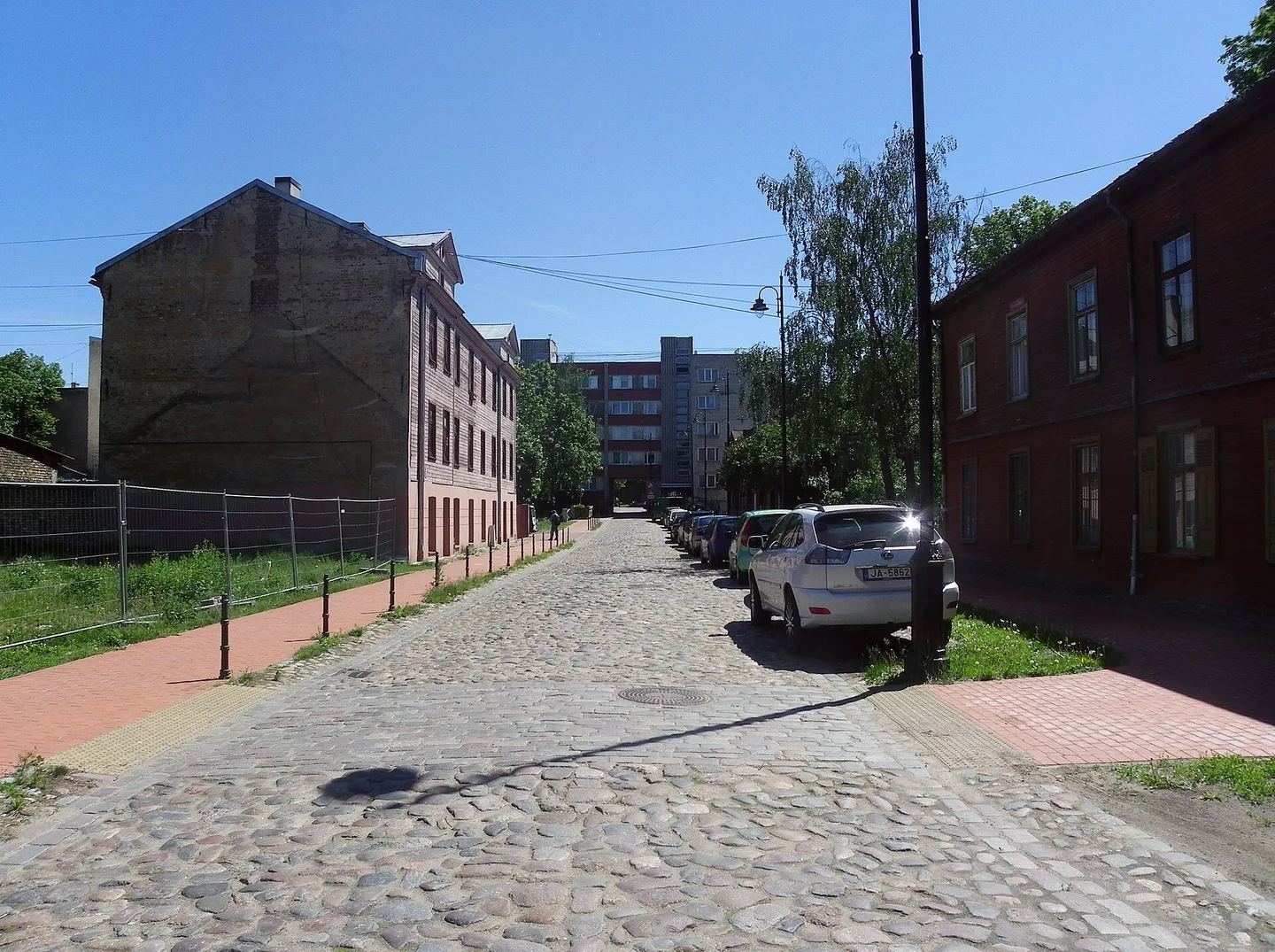
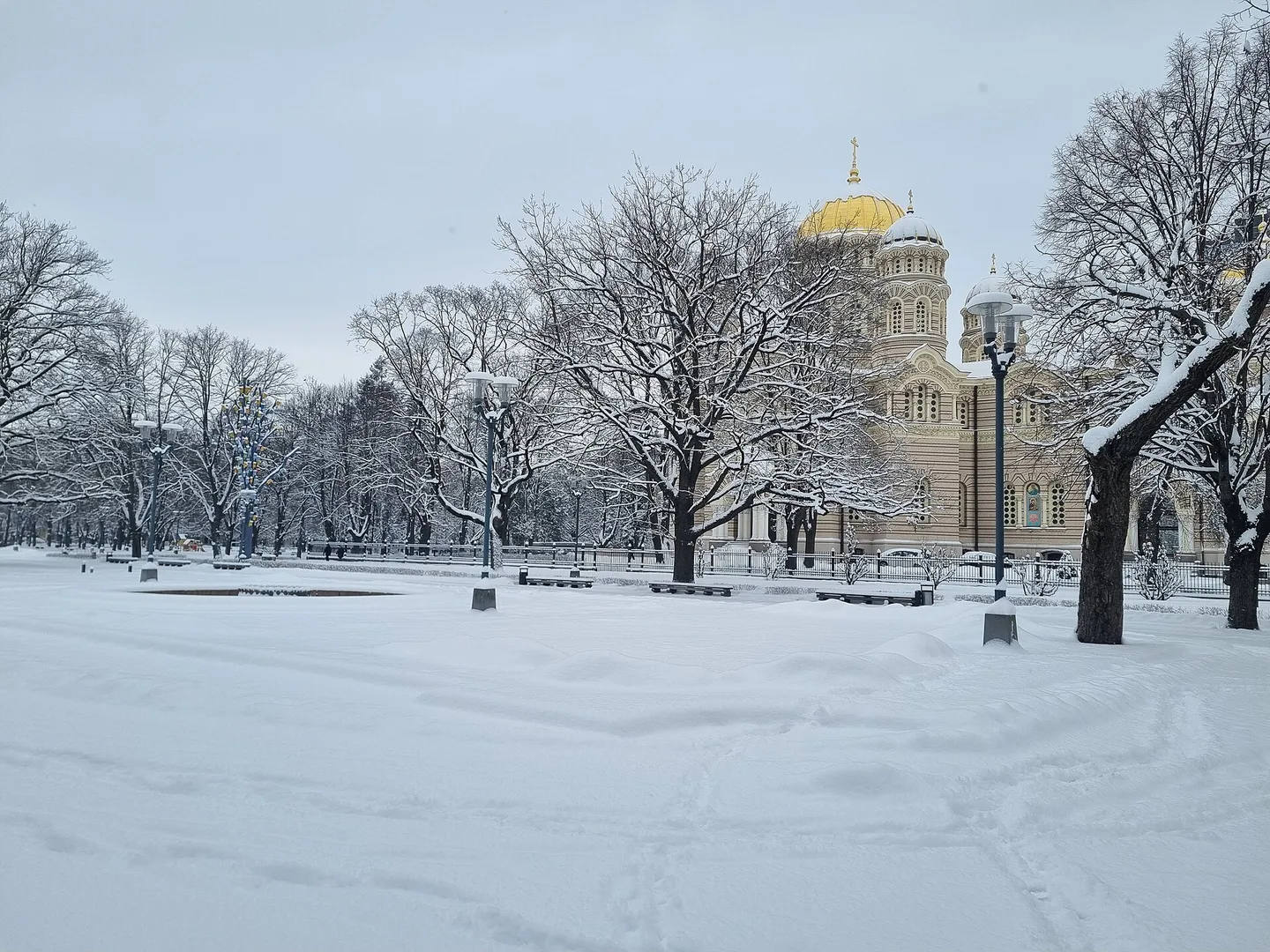
Sub-zero temperatures transform the capital into a frozen landscape where snow carpets cobbles, rooftops, and quiet side alleys. Walking through the centre in midwinter requires sturdy insulated boots, thermal layers, and careful attention to icy paving stones. Street sweepers clear primary boulevards regularly, but smaller lanes such as Zaķu iela can remain packed with snow for days. The cold air feels dry and sharp, encouraging shorter outdoor walking legs punctuated by visits to warm museums and heated timber halls.
To help balance seasonal clothing and walking choices, we compare the primary conditions of each Baltic travel window below:
| Season | Walking Conditions | Primary Activity Focus | Essential Gear |
|---|---|---|---|
| Summer | Dry, warm, and extended daylight | Canal parks and historic centre strolls | Light breathable layers and sun protection |
| Autumn | Crisp air with damp leaf cover | Architectural facades and quiet side streets | Waterproof jacket and gripped walking shoes |
| Winter | Packed snow and occasional street ice | Cosy indoor halls and brief exterior walks | Thermal underlayers and insulated tread boots |
| Spring | Gradual thaw with brisk breezes | Boulevard promenades and riverside markets | Windproof coat and flexible layered clothing |
Relying on public transport becomes particularly practical during the deepest winter weeks. Heated tram carriages offer comfortable viewing windows as they glide over snow-covered tracks through outlying residential zones. Choosing a base from recommended central neighbourhood accommodations keeps frozen outdoor walks brief and manageable.
Winter days have short daylight spans, meaning morning itineraries require prompt departures to catch soft midday sunshine. Golden lantern light illuminates early twilight across central bridges and frozen canal basins. Stepping into heated tearooms allows cold toes to thaw before continuing across the Old Town cobbles.
Spring Thaw and Practical Seasonal Transit Logistics
Late spring marks the return of outdoor life as temperatures rise and melting snow clears from the embankments. Early spring can bring slushy streets and brisk northern winds, but sunshine gradually coaxes greenery back to the canal gardens. By late spring, outdoor café terraces begin setting out their furniture while cycling paths along the riverbanks dry out completely. Daylight expands rapidly across northern skies, giving travellers ample time for afternoon explorations without rushing between daylight stops.
Regardless of the month you select, local transit connections remain dependable throughout the seasonal cycle. Airport connections and suburban buses run consistently through heavy rain or winter frost, keeping transfers predictable. Reviewing timetable frequency and ticketing rules matches your seasonal arrivals smoothly to central hotel check-ins.
Spring weather changes rapidly within a single afternoon, alternating between brief rain showers and clear blue skies. Wearing versatile layers allows easy adjustments as temperatures shift between sunlit open parks and shady courtyard alleys. Planning around seasonal light conditions guarantees rewarding explorations across all quarters of the city.
Weather by month
Riga is warmest in July, with average highs around 22°C, and coldest in January, when nights drop to about -4°C. August is the wettest month by rainfall (89 mm), with rain on about 13 days. For mild weather with fewer rainy days, aim for May, June and September.
| Month | Low | Range | High | Rain | Rainy days |
|---|---|---|---|---|---|
| Jan | -4°C | 0°C | 55 mm | 13 d | |
| Feb | -3°C | 2°C | 47 mm | 10 d | |
| Mar | -2°C | 6°C | 43 mm | 11 d | |
| Apr | 2°C | 11°C | 45 mm | 11 d | |
| May | 7°C | 17°C | 53 mm | 9 d | |
| Jun | 12°C | 22°C | 69 mm | 11 d | |
| Jul | 14°C | 22°C | 88 mm | 15 d | |
| Aug | 14°C | 22°C | 89 mm | 13 d | |
| Sep | 11°C | 18°C | 64 mm | 11 d | |
| Oct | 5°C | 11°C | 74 mm | 14 d | |
| Nov | 2°C | 6°C | 58 mm | 13 d | |
| Dec | -2°C | 2°C | 51 mm | 14 d |
Averages of daily values from 2015 to 2024. Rainy days are days with at least 1 mm of rain. Source: Open-Meteo · Compare destinations by month.
Official prices and opening hours
- Rīgas Satiksme Buses, Trams & Airport Bus 22Official site ↗
- Riga Central Market PavilionsOfficial site ↗
Where it is
- 1Riga
- Riga International Airport (RIX) · about 9 km from Riga in a straight line
- Directions in Google Maps
Stations and taxi ranks: OpenStreetMap. Airports: OurAirports. Distances are in a straight line.
Traveller tips
Real advice from people who have been to Riga. Every tip is read by our team before it goes live.
No tips yet. Been here? Yours could be the first.
Thank you! Your tip will appear here after a quick review.
More in Riga
Continue exploring Riga with related neighbourhood, food, and planning guides
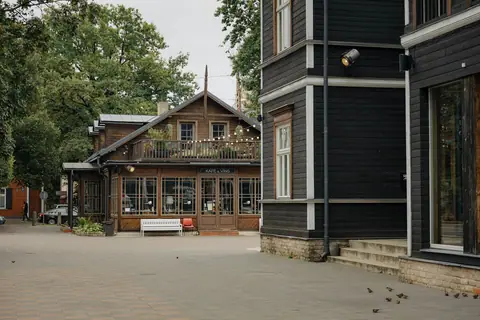
Three Days in Riga: Old Town Lanes, Art Nouveau Facades and Kalnciema
Riga, Latvia

What to Eat in Riga: Rye Bread, Grey Peas and Market Specialties
Riga, Latvia
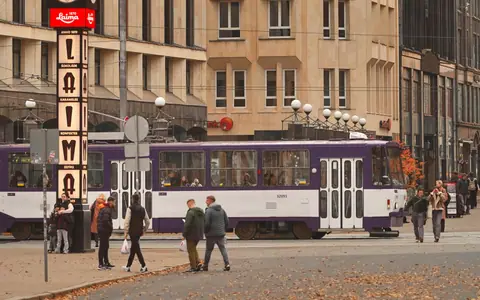
Getting Around Riga: Trams, Trolleybuses, Bus 22 and Ticket Registration
Riga, Latvia
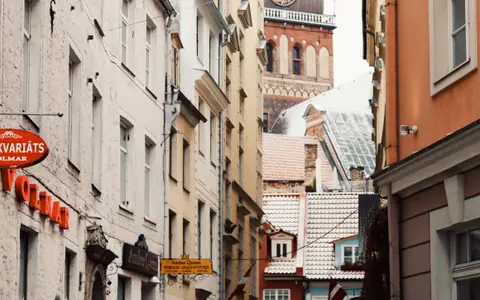
Old Town Riga: Historic Streets, Squares and Church Towers
Riga, Latvia
