Photo: Savannah Rivka · CC BY-SA 4.0
Tallinn Food Guide: Rye Bread, Baltic Herring and Forest Flavours
Tallinn showcases northern dining rooted in fragrant dark rye bread, smoked Baltic fish, wild forest produce, and modern seasonal pantry cooking.
Estonian dining celebrates the quiet harvest of northern fields, thick coniferous woodlands, and brackish coastal waters. At the centre of every spread sits traditional dark rye bread, known locally as leib. Bakers craft this loaf with deep sourdough fermentation that yields a distinctive earthy acidity. Cooks serve this dense bread warm alongside whipped salted butter, sour cream, pickled onions, and garden chives. Cold smoked sprats and tender Baltic herring frequently crown buttered slices, offering sharp maritime brine balanced by rich grain.
A classic Tallinn luncheon often begins with cold starters that highlight regional farm preservation traditions. Salted forest mushrooms gathered in late autumn appear tossed with sour cream and fresh dill, served alongside cold boiled potatoes. Local curd cheeses and jellied meat terrines known as sült remain enduring favourites across domestic kitchens and neighbourhood taverns. These comforting elements demonstrate a deep connection to northern seasons, supplying steady energy for cold mornings.
As daylight fades, dinner menus shift focus toward slow braises, forest berries, and nourishing wild game. Wild boar, venison, and rich pork belly simmer gently with root vegetables, juniper berries, and dark beer stock until tender. Roast pork accompanied by braised sauerkraut, caraway seeds, and roasted potatoes defines classic feast days across the country. Tart lingonberry compote or bright cranberry preserves cut cleanly through rich fat, bringing welcome balance to hearty plates.
Estonian cooks also prepare comforting soups that warm diners after brisk strolls through northern breezes. Creamy fish broths, yellow split pea soups with smoked pork ribs, and earthy beetroot bowls appear on everyday menus. Barley groats frequently thicken broths or combine with minced meat inside hearty puddings. These historic preparations rely on patient simmering rather than heavy seasoning, letting primary ingredients speak with clarity.
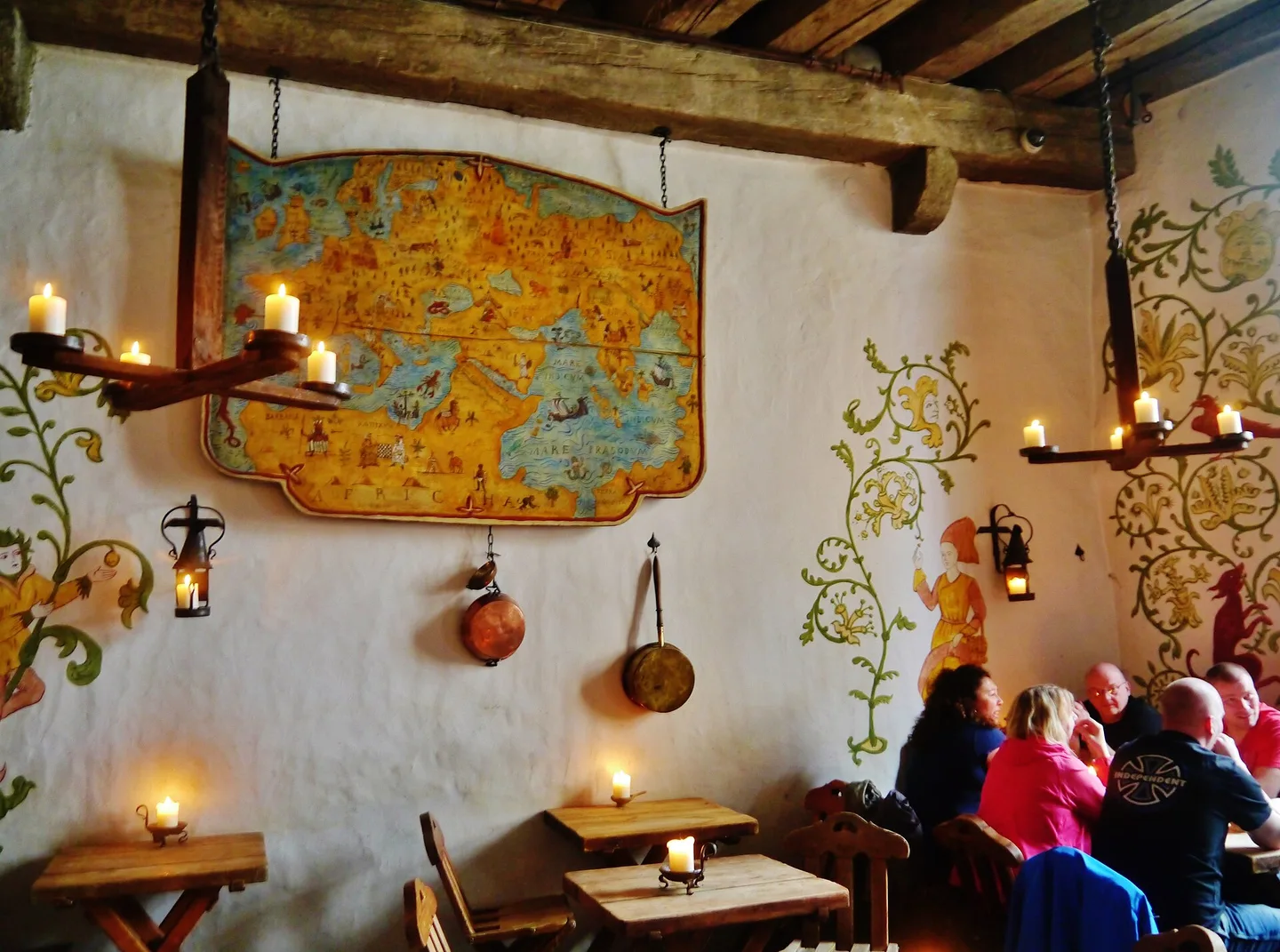
Dining choices across the capital divide neatly between atmospheric historic dining rooms and ambitious contemporary bistros. Along medieval cobblestones, vaulted cellar taverns serve spiced game, roasted nuts, and herbal brews in evocative surroundings. For travellers arranging an urban itinerary, booking central accommodation near restful Old Town quarters simplifies walking back after substantial evening feasts. Contemporary chefs reimagine these classic flavours using minimalist Nordic aesthetics, focusing on wild herbs, birch syrup, and smoked butter.
| Dish Style | Key Ingredients | Seasonal Character |
|---|---|---|
| Spiced Sprat Toast | Dark rye bread, pickled sprats, boiled egg, chives | Available year round as a savoury starter |
| Braised Pork and Sauerkraut | Pork shoulder, fermented cabbage, caraway seeds | Hearty winter favourite across traditional cellars |
| Forest Mushroom Salad | Salted chanterelles, sour cream, red onion, dill | Autumn harvest specialty celebrated across markets |
| Kohuke Curd Snack | Sweet pressed curd cheese, dark chocolate glaze | Everyday dairy treat enjoyed chilled from food stalls |
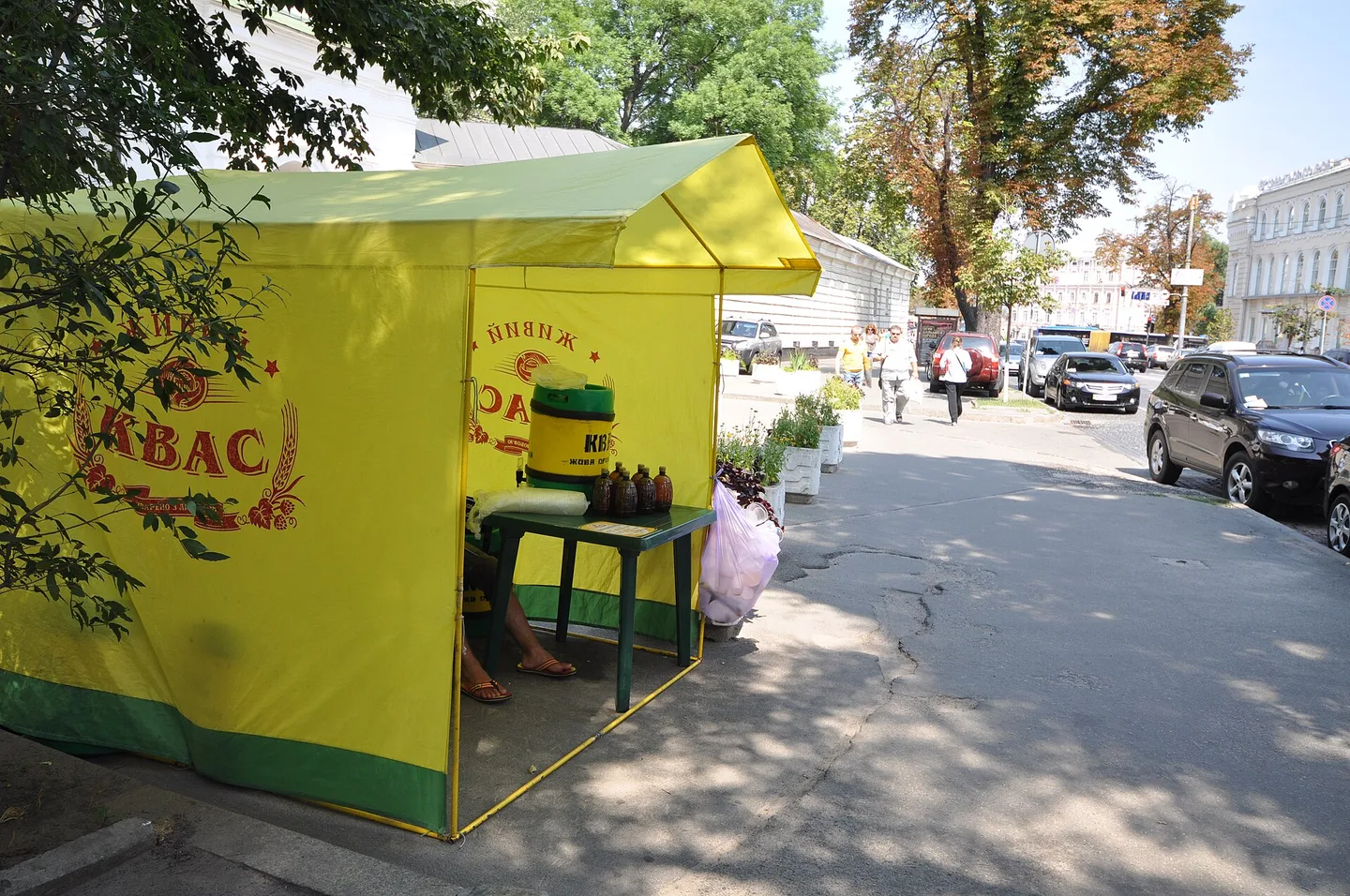
To sample regional produce at its freshest, travellers wander to local market halls where independent stalls gather side by side. Freshly baked cinnamon buns, cardamom knots, and sourdough rolls fill market walkways with comforting aromas each morning. Planning a stop here between sightseeing city landmarks allows you to taste regional honey, smoked cheeses, and berry cordials on the go. Fermented rye drinks like kvass supply light effervescence with tangy bread notes, while seasonal berry infusions cool warmer afternoons.

Sweet finales in Tallinn highlight forest berries, toasted grains, and delicate dairy craftsmanship. Kama flour, a finely ground blend of roasted barley, rye, oat, and pea flour, combines with kefir or thick yoghurt for a nutty dessert. Bakeries also excel at kringel, an intricate plaited yeast bread layered with chocolate, cinnamon, crushed nuts, or tart fruit preserves. Sampling these staples across small bakeries, lively food markets, and quiet taverns reveals a distinct Baltic food culture built on genuine seasonal respect.
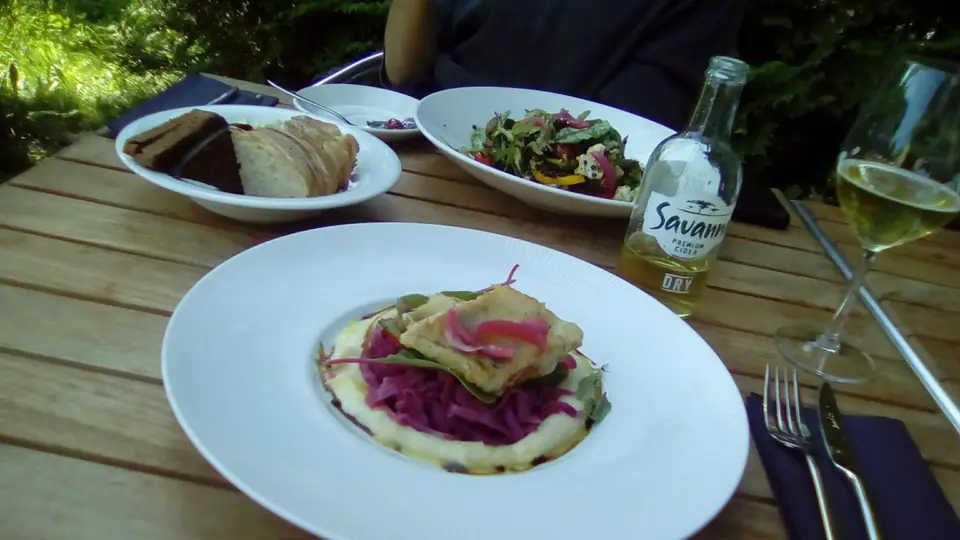
Understanding local dining customs enriches every culinary stop across the capital. Estonians hold great reverence for rye bread, treating leftover crusts with deep domestic respect and avoiding unnecessary food waste. Table conversations often revolve around autumn foraging trips, home pickling projects, and private smokehouse techniques shared between family generations. Pairing traditional dishes with local herbal teas or craft apple ciders completes an authentic meal rooted in regional agricultural pride.
Visiting food markets in different seasons reveals how quickly seasonal availability shapes local kitchen tables. Early spring brings tender rhubarb stalks and garden sorrel, while midsummer introduces wild strawberries and fresh wild chanterelles. By late autumn, market vendors stack wooden crates with root parsnips, turnips, and jars of pickled forest berries. These shifting pantry staples ensure that dining in Tallinn stays fresh, grounded, and intimately tied to the landscape.
Official prices and opening hours
- Tallinn Public Buses, Trams & Airport Tram 4/Bus 2Official site ↗
- Kumu Art Museum (Kadriorg Park)Official site ↗
Where it is
- 1Tallinn
- Lennart Meri Tallinn Airport (TLL) · about 5 km from Tallinn in a straight line
- Directions in Google Maps
Stations and taxi ranks: OpenStreetMap. Airports: OurAirports. Distances are in a straight line.
Traveller tips
Real advice from people who have been to Tallinn. Every tip is read by our team before it goes live.
No tips yet. Been here? Yours could be the first.
Thank you! Your tip will appear here after a quick review.
More in Tallinn
Continue exploring Tallinn with related neighbourhood, food, and planning guides